The Secret of NIMH Necklace: Expert Guide to Replicas & Custom Builds
Discover how to source or commission a screen-accurate Secret of NIMH necklace. Expert insights on gemology, lost-wax casting, and chain gauges.

Translating 2D Animation into 3D Wearable Art
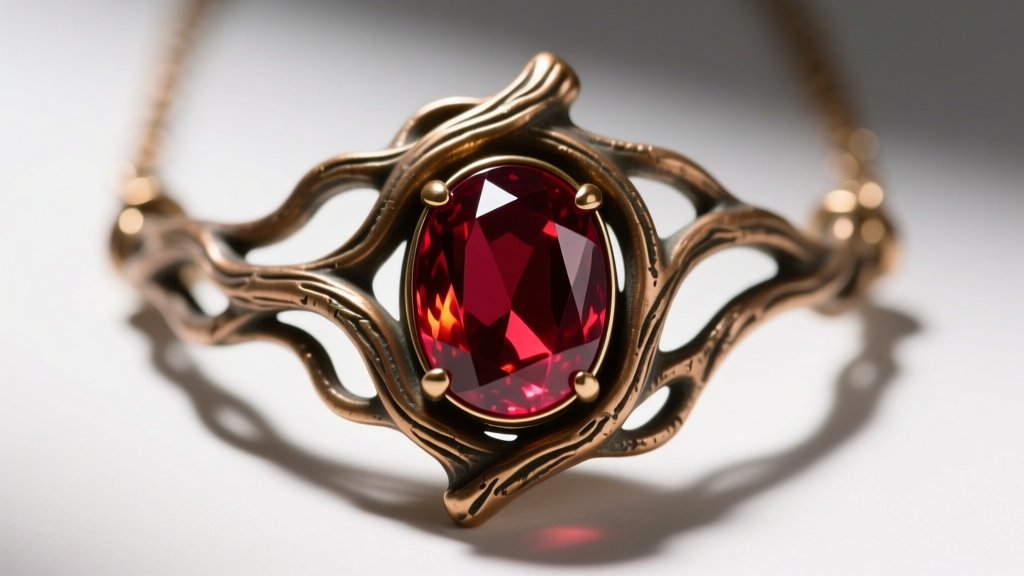
Don Bluth’s 1982 animated masterpiece, The Secret of NIMH, features one of the most iconic pieces of fantasy jewelry in cinematic history: the amulet worn by Mrs. Brisby. In the film, the Secret of NIMH necklace is depicted as a glowing red gemstone encased in an organic, almost thorny gold or bronze setting. For jewelry artisans and collectors in 2026, recreating this piece presents a unique engineering challenge. Translating hand-painted 2D animation cels into a physically viable, wearable 3D object requires a deep understanding of gemology, metallurgy, and structural suspension. This expert guide breaks down the exact technical specifications required to source, commission, or craft a screen-accurate and durable replica.
The Gemological Challenge: Replicating the 'Glow'
The most striking feature of the Secret of NIMH necklace is the deep, luminous red stone. In animation, the glow is achieved through backlighting and airbrushing. In reality, no natural gemstone emits its own light without external illumination or radioactive treatments (which are highly illegal and dangerous). Therefore, the goal is to maximize light return, dispersion, and color saturation to simulate an inner glow.
To achieve the smooth, pool-like depth seen in the film, a high-dome oval cabochon cut is mandatory. Faceted stones will scatter light into sharp sparkles, breaking the illusion of a mystical, solid orb of energy. The ideal dimensions for a proportional replica are 20mm x 15mm, with a dome height of at least 8mm.
Material Selection: Natural vs. Synthetic
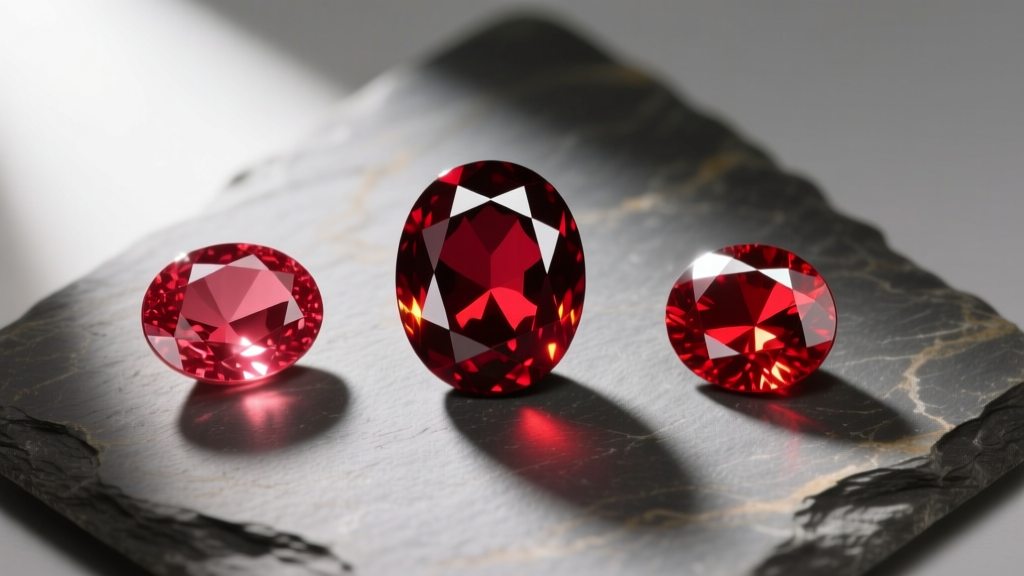
While a natural pigeon-blood Burmese ruby is the most authentic choice, a 20x15mm natural ruby of high clarity would cost upwards of $50,000 and is incredibly rare. For 99% of collectors, synthetic alternatives offer superior optical properties for this specific application. According to the Gemological Institute of America (GIA), flame-fusion synthetic corundum possesses the exact same chemical composition (Al2O3) and refractive index as natural ruby, but with fewer inclusions, allowing for a cleaner, more 'glowing' appearance under ambient light.
| Material | Mohs Hardness | Refractive Index | Estimated Cost (20x15mm) | Optical 'Glow' Quality |
|---|---|---|---|---|
| Natural Ruby (Untreated) | 9.0 | 1.76 - 1.77 | $30,000 - $80,000+ | Moderate (inclusions disrupt light) |
| Synthetic Corundum (Flame Fusion) | 9.0 | 1.76 - 1.77 | $40 - $120 | Excellent (high clarity, deep color) |
| Red Spinel (Natural) | 8.0 | 1.71 - 1.73 | $2,000 - $8,000 | Good (single refractive, less depth) |
| Red Glass / Epoxy Resin | 5.5 | 1.50 - 1.52 | $5 - $15 | Poor (flat, lacks optical depth) |
Metallurgy and Casing: The Organic Armature
The metal casing of the Secret of NIMH necklace is not a standard geometric bezel. It features chaotic, root-like prongs and an asymmetrical, Art Nouveau-inspired organic structure. Creating this requires advanced digital sculpting and precise casting techniques.
Digital Sculpting and Burnout Cycles
Traditional CAD software like Rhino3D struggles with the chaotic, non-manifold geometry of the amulet's thorns. Artisans typically use ZBrush to digitally sculpt the wax model, allowing for organic, hand-carved textures. Once printed in castable photopolymer resin, the burnout cycle must be carefully managed. As noted by the jewelry manufacturing experts at Ganoksin, resin requires a slower ramp-up in the kiln (typically 150°C per hour) compared to traditional beeswax, to prevent ash residue from causing porosity in the final metal cast.
Alloy Selection: Capturing the Animated Gold
The amulet in the film shifts between bright yellow gold and a muted, antique bronze depending on the scene's lighting. For a wearable replica that captures this antique aesthetic without the exorbitant cost of 18k gold, Silicon Bronze (Everdur) is the premier choice. Composed of roughly 95% copper, 4% silicon, and 1% manganese, silicon bronze casts with exceptional detail, resists tarnishing better than standard brass, and takes a liver-of-sulfur patina beautifully to highlight the deep, root-like crevices of the design.
Expert Tip: If commissioning a bespoke piece, request that the jeweler use a 'sandblast and polish' finish. Sandblasting the recessed areas while hand-polishing the high points of the thorns creates a striking contrast that mimics the cel-shaded shadows of the original 1982 animation.
Suspension Systems: Engineering for Heavy Pendants
In the film, Mrs. Brisby wears the amulet on what appears to be a thin, fragile piece of twine. In reality, a 20x15mm cabochon combined with a solid bronze or gold casing will weigh between 35 and 55 grams. A thin cord will snap under the dynamic load of daily movement, or worse, cut into the wearer's neck.
Chain vs. Cord Specifications
To maintain the rustic aesthetic while ensuring structural integrity, you must select a suspension system rated for at least 15kg of tensile strength.
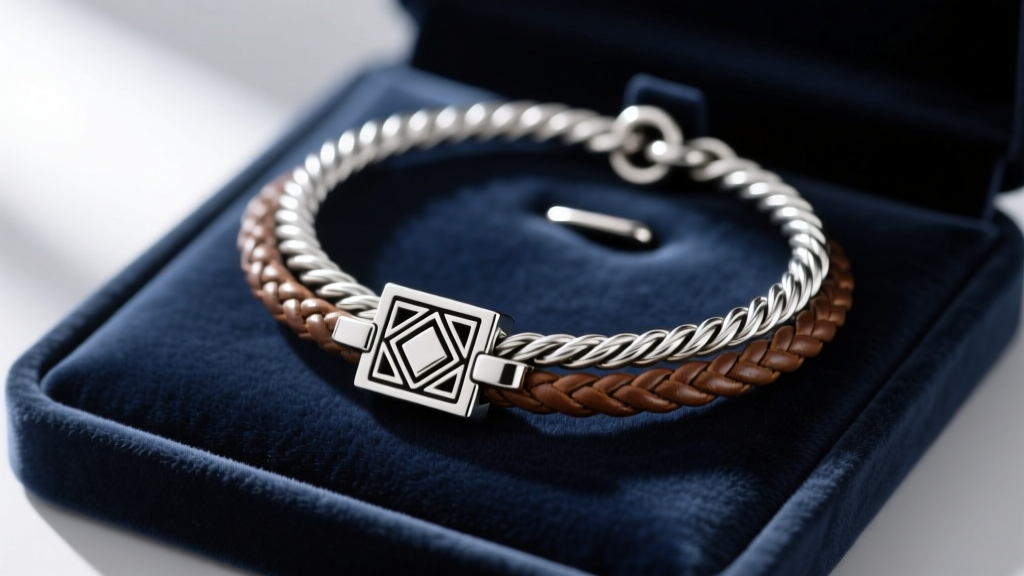
- Braided Leather Cord (Minimum 2.5mm): For a screen-accurate 'twine' look, use a 2.5mm or 3.0mm braided leather cord. The ends must be finished with glued and crimped metal end-caps, secured with a cyanoacrylate adhesive. Never rely on slip knots for a pendant of this weight.
- Wheat or Rope Chain (Minimum 1.5mm gauge): If opting for metal, avoid standard cable or curb chains, which will kink under the heavy, asymmetrical pendulum swing of the amulet. A 1.5mm to 2.0mm solid Wheat (Spiga) chain provides the necessary tensile strength and a historical, woven aesthetic that complements the organic casing.
Bail Integration
The bail (the loop connecting the pendant to the chain) should not be a soldered-on jump ring, which creates a weak shear point. Instead, the bail must be integrated directly into the 3D model and cast as a single, continuous piece with the main armature, ideally hidden behind the top 'thorns' to maintain the illusion that the stone is floating.
Sourcing and Commissioning in 2026
When searching for a Secret of NIMH necklace, buyers will encounter two distinct tiers of quality. Mass-produced 'costume' replicas found on standard e-commerce platforms are typically cast from zinc alloy via die-casting, featuring glued-in glass or acrylic stones. These cost between $20 and $45 but will degrade, tarnish green, and break quickly.
For a heirloom-quality piece, you must commission a custom jeweler. When vetting an artisan, use the following checklist to ensure they possess the technical capability to execute the design:
- Ask if they use ZBrush or similar organic sculpting software for the CAD model.
- Confirm they cast in Silicon Bronze, Argentium Silver, or solid 14k/18k Gold (avoid plated metals).
- Request a high-dome synthetic corundum cabochon rather than a faceted stone or resin drop.
- Ensure the bail is cast-integrated and the suspension hardware is rated for 50+ grams.
By prioritizing gemological accuracy, advanced metallurgical casting, and heavy-duty suspension engineering, you can transform a beloved piece of 2D animation history into a stunning, wearable artifact that will endure for generations.


