Sleeping Beauty Turquoise Bead Necklace Buying Guide
Discover how to authenticate, grade, and buy a genuine Sleeping Beauty turquoise bead necklace. Learn about stabilization, pricing, and mine history.

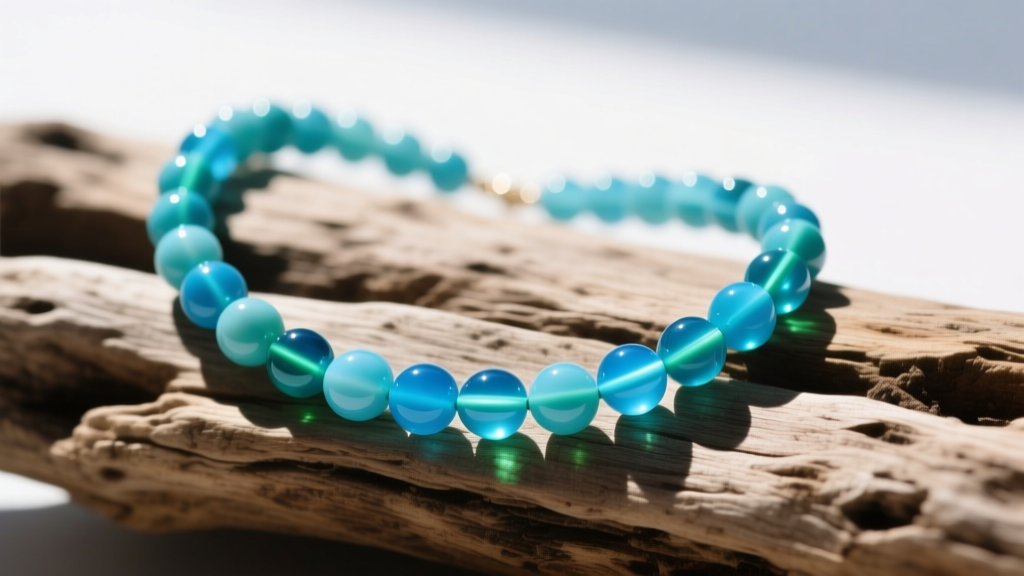
The allure of a flawless, robin's-egg blue gemstone is undeniable. When searching for the perfect southwestern, bohemian, or elevated everyday staple, a sleeping beauty turquoise bead necklace often tops the list of collectors and jewelry enthusiasts alike. Known for its striking, uniform sky-blue color and distinct lack of dark matrix (veining), this specific turquoise variety is highly coveted. However, navigating the modern turquoise market requires a sharp eye and a deep understanding of gemological treatments, mine history, and structural integrity.
This comprehensive buying guide will walk you through the critical factors of authenticating, grading, and purchasing a genuine strand, ensuring you invest in a piece that holds both aesthetic and financial value.
The Reality of the Market: The 2012 Mine Closure
To buy intelligently, you must first understand the origin. Genuine Sleeping Beauty turquoise was exclusively mined from the Sleeping Beauty Mine in Globe, Arizona. According to mineralogical records documented by Mindat.org, this mine was primarily a copper mine, with turquoise extracted as a byproduct.
The critical turning point for buyers occurred in 2012, when the mine permanently closed due to rising operational costs and strict environmental regulations. This closure means that no new rough Sleeping Beauty turquoise is being extracted today. The market is currently supplied by old stockpiles of rough, previously cut beads, or recut vintage stones. If a vendor claims they are selling 'newly mined' Sleeping Beauty turquoise in 2026, they are either misinformed or intentionally misrepresenting their product, likely selling stabilized Chinese Hubei turquoise instead.
Natural vs. Stabilized: What You Are Actually Buying
Turquoise is a relatively soft, porous phosphate mineral, ranking between 5 and 6 on the Mohs hardness scale. In its natural state, it readily absorbs oils, lotions, and sweat, which can cause the stone to oxidize and turn a muddy green over time. Furthermore, the drilling process required to create beads introduces immense stress, making natural, untreated beads highly susceptible to cracking.

Because of these physical limitations, the vast majority of authentic Sleeping Beauty turquoise bead necklaces on the market are stabilized. Stabilization is not a 'fake' treatment; it is an industry-standard enhancement that involves infusing the porous stone with a clear epoxy or polymer resin under high pressure. This process hardens the stone, locks in the brilliant sky-blue color, and allows it to withstand daily wear. The Gemological Institute of America (GIA) recognizes stabilization as a standard practice, provided it is disclosed by the seller.
Treatment and Pricing Comparison Chart
Understanding the treatment type is the single biggest factor in determining the price of a strand. Below is a realistic pricing framework for a standard 16-inch princess-length necklace featuring 8mm round beads.
| Treatment Type | Process Description | Durability | Estimated Price Range |
|---|---|---|---|
| Natural (Untreated) | No resins or dyes; highly porous | Low (Requires careful wear) | $2,500 - $6,000+ |
| Stabilized (Resin) | Clear epoxy infused under pressure | High (Daily wear safe) | $400 - $1,200 |
| Zachery Treated | Proprietary non-polymer enhancement | High (Retains natural feel) | $800 - $1,800 |
| Block / Dyed | Pulverized chalk or howlite + dye | Medium (Color may fade) | $20 - $60 |
How to Spot Fakes and Misrepresented Stones
The premium price of genuine Sleeping Beauty turquoise makes it a prime target for counterfeits. Here are the most common imposters you will encounter and how to identify them:
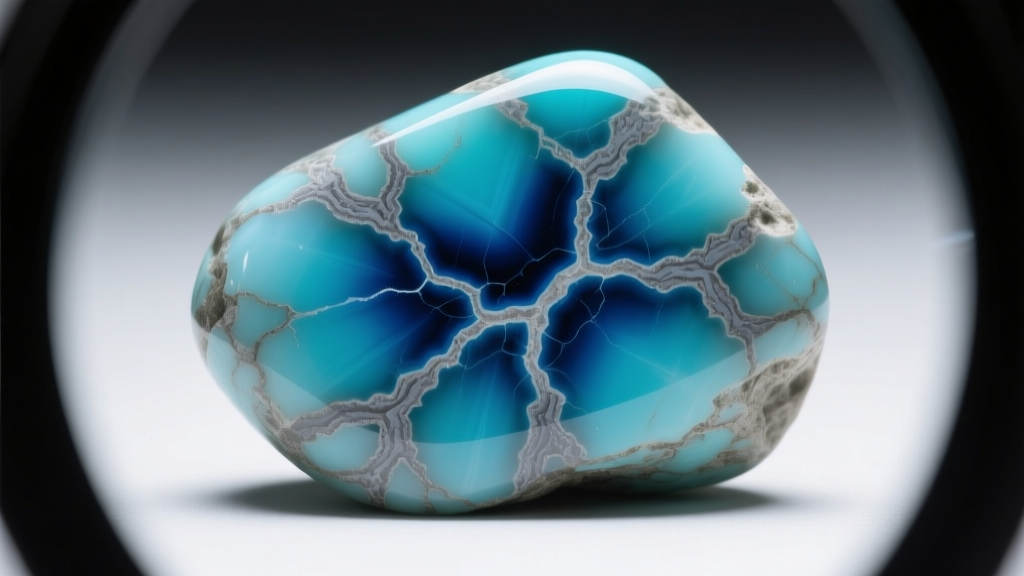
- Dyed Howlite and Magnesite: These naturally white or gray stones are highly porous and easily dyed blue. Under a 10x jeweler's loupe, you can often see dark blue dye concentrated in the natural gray veins or micro-cracks of the stone.
- Hubei Turquoise: Often sold as 'Sleeping Beauty' by unethical vendors, this Chinese turquoise is naturally stabilized and dyed to mimic the Arizona stone's lack of matrix. It tends to have a slightly greener, more 'glassy' appearance than genuine SB stones.
- Gilson Synthetic: Created in a lab, Gilson turquoise is chemically similar but lacks the natural inclusions. Because genuine Sleeping Beauty already lacks matrix, Gilson can be incredibly difficult to spot without advanced spectroscopic testing.
- Reconstituted 'Block' Turquoise: This is made by grinding low-grade turquoise chalk into a powder, mixing it with resin and dye, and molding it into bead shapes. It looks like uniform plastic and lacks the depth of natural stone.
The Acetone Test: A Word of Caution
Many online guides recommend using a cotton swab dipped in acetone (nail polish remover) to test for dye. While this can successfully reveal surface dyes on howlite, do not use acetone on stabilized turquoise. Acetone can dissolve or cloud the polymer resins used in legitimate stabilization, permanently damaging the finish of your genuine beads.
Bead Shapes, Sizing, and Stringing Mechanics
When evaluating a sleeping beauty turquoise bead necklace, the physical construction is just as important as the stones themselves. Turquoise is a dense, heavy material. A 16-inch strand of 8mm round beads can weigh upwards of 45 grams.
Avoid Silk Stringing: Traditional silk thread degrades rapidly when exposed to moisture, sweat, and the friction of heavy stone beads. A silk-strung turquoise necklace is a snapping hazard waiting to happen. Opt for Coated Beading Wire: High-end jewelers string heavy turquoise beads on 49-strand stainless steel micro-wire coated in nylon (such as Soft Flex .018' or .024' wire). This provides the drape of thread with the tensile strength of steel. Always check that the clasp is secured with properly crimped sterling silver or 14k gold crimp beads, not glued knot-covers.
Neckline Pairing and Length Guide
The uniform color of Sleeping Beauty beads makes them incredibly versatile for layering and styling. Choose your length based on your typical wardrobe:
- Choker (14-16 inches): Sits tightly against the base of the neck. Best paired with V-neck blouses or open-collar linen shirts. Smaller beads (4mm-6mm) are recommended here to prevent the necklace from feeling overly rigid or heavy.
- Princess (18 inches): The most popular length, resting just below the collarbone. An 8mm round bead strand at this length serves as a perfect standalone statement piece over a solid-colored turtleneck or crew neck.
- Matinee (20-24 inches): Falls at the top of the bust. Excellent for bohemian layering. Consider mixing a 22-inch Sleeping Beauty strand with a delicate gold chain and a contrasting pendant, like a small coral or lapis lazuli drop.
Final Buying Checklist
Before finalizing your purchase, run the necklace through this expert checklist:
- Ask for Disclosure: Does the seller explicitly state if the beads are natural, stabilized, or Zachery treated? Avoid sellers who use vague terms like 'genuine stone' without specifying treatments.
- Examine the Drill Holes: Look closely at the areas around the stringing holes. If you see chipping, a 'glassy' rim, or dye pooling, the beads may be reconstituted or poorly stabilized.
- Verify the Hardware: Ensure the clasp is solid sterling silver or gold (stamped 925 or 14k), and that the stringing material is modern nylon-coated wire, not degrading cotton or silk.
- Request Provenance: Reputable dealers specializing in Native American or high-end Southwestern jewelry will often provide a certificate of authenticity or a detailed receipt noting the exact origin and treatment of the stones.
By prioritizing structural integrity, demanding full treatment disclosure, and understanding the historical context of the Arizona mines, you can confidently invest in a sleeping beauty turquoise bead necklace that will remain a vibrant, enduring centerpiece in your collection for decades to come.


