How to Clean and Care for Your Favorite Smiley Necklace
Learn how to safely clean and maintain your smiley necklace. Expert tips for enamel, gold vermeil, and pave styles to keep them shining like new.

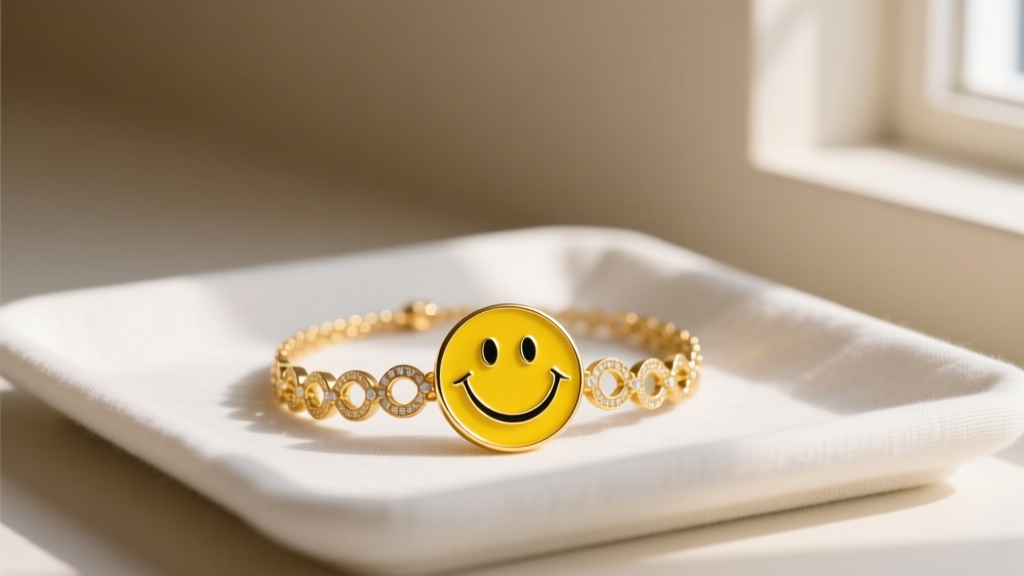
The modern smiley necklace has evolved far beyond its nostalgic, plastic origins. In 2026, this iconic motif is a staple of fine and demi-fine jewelry, frequently crafted from 18k gold vermeil, vitreous enamel, 316L surgical steel, and even micro-pave diamonds. However, combining these diverse materials into a single pendant creates unique maintenance challenges. A cleaning method that works perfectly for a solid gold chain might permanently cloud an enamel face or strip the micron plating off a vermeil piece.
Proper care requires an understanding of metallurgy and material science. Whether you are wearing a minimalist metallic smiley or a vibrant, gem-encrusted statement piece, this comprehensive guide will help you preserve the structural integrity and visual brilliance of your jewelry. According to the Jewelers of America, tailored cleaning protocols based on specific material compositions are the single most effective way to extend the lifespan of mixed-media jewelry.
Material Breakdown: What Is Your Smiley Necklace Made Of?
Before applying any cleaning solution, you must identify the exact materials used in your smiley necklace. The pendant face, the backing, and the chain often require entirely different approaches. Below is a diagnostic matrix to help you determine the safest cleaning agents for your specific piece.
| Material / Finish | Core Composition | Primary Vulnerability | Safe Cleaning Agent |
|---|---|---|---|
| Vitreous Enamel | Fused Glass Powder | Thermal Shock, Chipping | Mild Dish Soap & Lukewarm Water |
| Epoxy Enamel | Synthetic Resin | UV Yellowing, Chemical Melting | Dry Microfiber Cloth Only |
| Gold Vermeil (2.5μm) | Sterling Silver Core | Plating Stripping, Tarnish | Untreated Polishing Cloth |
| 316L Stainless Steel | Iron, Chromium, Molybdenum | Chlorine Pitting | Isopropyl Alcohol or Soap |
| Micro-Pave Diamonds | Gold/Platinum & Diamonds | Stone Loss from Vibrations | Soft Brush & Ammonia-Free Cleaner |
The Step-by-Step Cleaning Protocol for Enamel & Metal Hybrids
The most common luxury smiley necklace features a sterling silver or brass base coated in vitreous enamel. Vitreous enamel is essentially glass fused to metal at temperatures exceeding 1400°F. While highly resistant to scratching, it is susceptible to thermal shock and harsh chemicals.
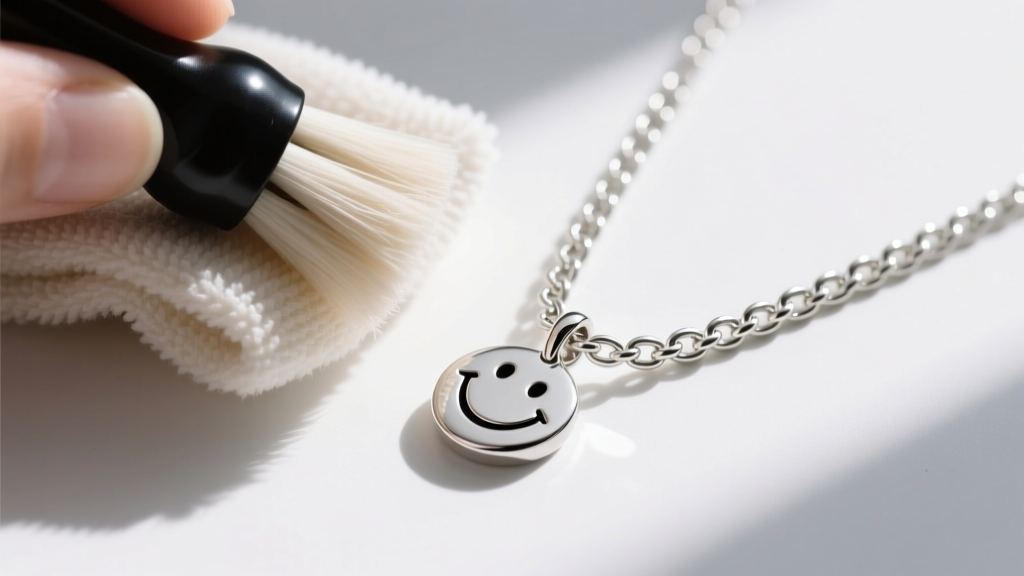
The Safe Wash Method
- Prepare the Solution: Mix three drops of phosphate-free, ammonia-free dish soap (like Dawn) into a bowl of lukewarm—not hot—water. Extreme temperature changes can cause the glass enamel to micro-fracture or pop off the metal backing.
- Target the Metal Only: Dip a soft-bristled baby toothbrush into the solution. Gently agitate the bristles along the metal bail (the loop connecting the pendant to the chain) and the chain links. Avoid aggressively scrubbing the enamel face, as trapped microscopic dirt particles can act like sandpaper against the glass finish.
- Rinse and Dry: Rinse the necklace under a gentle stream of lukewarm water. Immediately pat it dry with a lint-free microfiber cloth. Never let a smiley necklace air dry, as water spots will mineralize on the metal and dull the enamel's光泽.
Tackling Tarnish on Gold Vermeil Smiley Pendants
Gold vermeil (pronounced ver-may) is legally required by the FTC to have a gold plating of at least 2.5 microns over a sterling silver core. Because the core is 92.5% silver, it is naturally prone to oxidation. When the silver reacts with sulfur compounds in the air, cosmetics, or sweat, it forms silver sulfide—the black tarnish you see creeping up the edges of your smiley pendant.
CRITICAL WARNING: Never use liquid silver dips (such as Tarn-X) on gold vermeil. These solutions contain thiourea and hydrochloric acid, which will instantly strip the 2.5-micron gold layer, leaving you with a dull, porous silver smiley face that cannot be polished back to gold.
To safely remove tarnish from the exposed silver edges or the vermeil chain, use a treated jeweler's polishing cloth (like a Sunshine cloth). These cloths are impregnated with micro-abrasives and anti-tarnish agents that gently lift oxidation without compromising the micron plating. Rub the cloth in one direction rather than in circles to minimize micro-scratches on the gold surface.
Protecting Micro-Pave and Diamond Accents
High-end smiley necklaces often feature diamond eyes, a pave-set smile, or a halo of gemstones. The Gemological Institute of America (GIA) strongly advises against using ultrasonic cleaners for pave jewelry. Ultrasonic machines use high-frequency sound waves to create microscopic bubbles in a liquid solution—a process called cavitation. When these bubbles implode, they generate localized shockwaves that can easily bend the delicate micro-prongs holding your diamonds, leading to catastrophic stone loss.
Instead, clean pave smiley pendants using a few drops of ammonia-free jewelry cleaner and a specialized makeup brush. The dense, soft bristles of a makeup brush can sweep away sebum and lotion buildup from beneath the diamond girdles without catching on the prongs.
Chain Maintenance: Preventing Snags and Clasp Failure
The chain and clasp of your smiley necklace endure the most mechanical stress. A standard 1.2mm cable chain is highly susceptible to kinking if pulled taut, and the lobster clasp contains a tiny internal spring that can fail if clogged with debris.
- Untangling Kinks: If your chain knots, do not pull it. Lay the necklace flat on a hard, well-lit surface. Apply a single drop of mineral oil or baby oil directly to the knot. Use two sewing needles to gently tease the links apart from the center outward. Wipe away the oil with a microfiber cloth afterward.
- Clasp Lubrication: If your lobster clasp feels stiff or fails to snap shut, the internal spring is likely compromised by lotion or dust. Use a wooden toothpick to gently scrape out the crevice of the clasp. Apply a microscopic amount of sewing machine oil to the hinge using the tip of a pin, then click the clasp open and closed several times to distribute the lubricant.
Storage Solutions to Prevent Scratching and Oxidation
How you store your smiley necklace is just as critical as how you clean it. Tossing it into a communal jewelry box guarantees that harder gemstones (like diamonds or sapphires from other pieces) will scratch the softer gold vermeil or epoxy enamel of your pendant.
Always store your necklace in an individual, airtight polyethylene ziplock bag or a dedicated flannel pouch. To actively combat silver sulfide formation, place a 3M anti-tarnish strip inside the bag. These strips absorb airborne sulfur and hydrogen sulfide, protecting the sterling silver core of your vermeil pieces for up to six months. Finally, store the chain in a figure-eight pattern, securing the ends through the loops to prevent the chain from tangling while in storage.
Troubleshooting: When to See a Professional Jeweler
While routine maintenance can be handled at home, certain failure modes require professional intervention. If your vitreous enamel chips, a jeweler can send the piece back to the manufacturer for a kiln-fired refill. If your gold vermeil has worn completely through to the silver core on the high-friction areas of the smiley face, a professional can electroplate a new layer of gold, restoring the piece to its original 2026 glory. Never attempt DIY plating or enamel repair kits, as these will permanently ruin the structural integrity of fine jewelry.


