Solitaire Pearl Necklace Buying Guide: What to Look For
Discover how to choose the perfect solitaire pearl necklace. Learn about luster, nacre thickness, pearl types, and pricing in our expert buying guide.

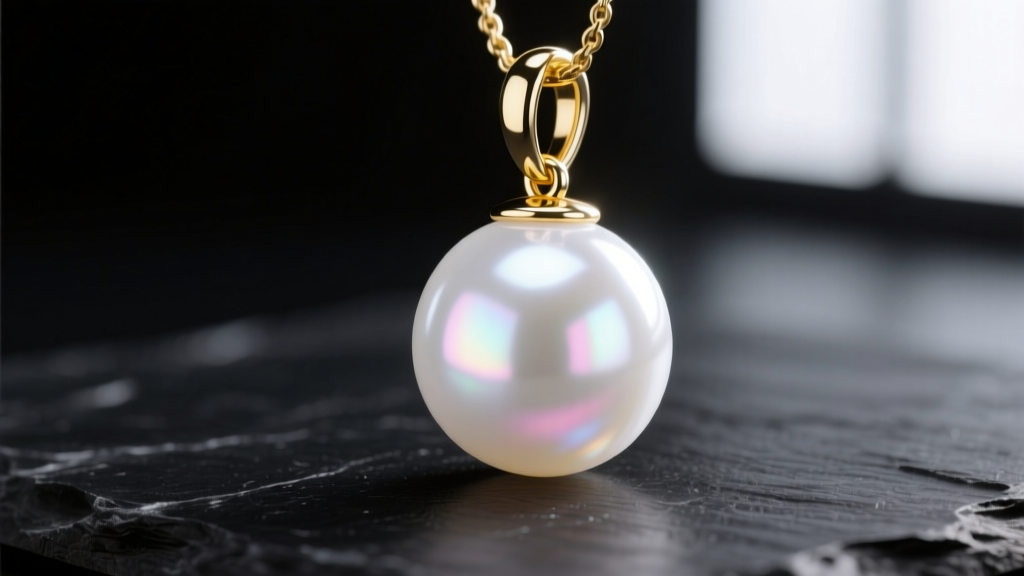
The Enduring Appeal of the Solitaire Pearl Necklace
The solitaire pearl necklace is a masterclass in minimalist elegance. Stripped of extraneous diamonds or complex metalwork, a single pearl pendant demands absolute perfection in its material quality. Unlike multi-strand or cluster designs where minor blemishes can be hidden among dozens of gems, a solitaire acts as a magnifying glass for the pearl’s inherent characteristics. Whether you are purchasing an heirloom-quality South Sea piece or an everyday Akoya pendant, understanding the gemological nuances is critical. This comprehensive buying guide will equip you with the exact metrics, grading standards, and structural considerations necessary to invest in a solitaire pearl necklace that will last a lifetime.
The GIA Value Factors: Grading Your Solitaire
The Gemological Institute of America (GIA) evaluates pearls based on seven distinct value factors. For a solitaire pearl necklace, three of these factors—luster, surface quality, and nacre thickness—are the absolute dealbreakers.
Luster: The Soul of the Pearl
Luster is the most critical determinant of a pearl's beauty and value. It refers to the sharpness and intensity of light reflecting off the surface and from within the microscopic layers of nacre. The GIA grades luster on a scale from Excellent to Poor. For a solitaire pendant, you should never accept anything below "Very Good." An "Excellent" luster will yield a mirror-like reflection where you can clearly see your own eye's pupil in the pearl's surface. Chalky, dull, or hazy pearls lack the crystalline aragonite alignment necessary for high luster and should be avoided entirely.
Surface Quality and Blemish Tolerance
Because a solitaire pearl necklace draws the eye directly to the center of the chest, surface cleanliness is paramount. Pearls are organic gems and almost always possess some microscopic blemishes, pits, or wrinkles. However, a high-quality solitaire should be "95% clean" or better to the naked eye. Avoid pearls with deep fissures, cracks, or chalky spots, as these are not merely cosmetic flaws; they are structural weaknesses that can lead to the pearl fracturing if bumped against a hard surface.
Nacre Thickness: The Durability Metric
Nacre is the crystalline substance the oyster secretes around the nucleus. In bead-nucleated pearls like Akoya, the nacre layer can be dangerously thin. If the nacre is under 0.25mm, the pearl is prone to peeling, chipping, and rapid degradation. High-quality Akoya pearls should boast a nacre thickness of at least 0.4mm to 0.6mm. South Sea and Tahitian pearls naturally develop much thicker nacre (often 0.8mm to 4.0mm), making them inherently more durable for daily wear. Always ask the jeweler for nacre thickness documentation or inspect the drill hole with a 10x loupe to see where the nacre ends and the shell bead nucleus begins.

Selecting the Right Pearl Variety
The type of pearl you choose dictates the size, color palette, and price point of your solitaire pearl necklace. Below is a comparative breakdown of the four primary saltwater and freshwater varieties used in fine solitaire pendants.
| Pearl Type | Typical Size Range | Nacre Thickness | Solitaire Price Range |
|---|---|---|---|
| Akoya | 6.0mm - 9.5mm | 0.3mm - 0.8mm | $250 - $1,200 |
| Freshwater | 7.0mm - 12.0mm | Solid Nacre | $80 - $400 |
| Tahitian | 8.0mm - 14.0mm | 0.8mm - 2.0mm | $400 - $2,500 |
| South Sea | 9.0mm - 16.0mm+ | 1.0mm - 4.0mm | $800 - $5,000+ |
Color and Overtone Selection
White pearls are rarely just white. Akoya pearls frequently exhibit rose, silver, or cream overtones. A rose overtone flatters cooler, pinkish skin tones, while silver overtones brilliantly complement olive and darker complexions. If you are exploring Tahitian solitaires, look for the highly prized "peacock" overtone—a mesmerizing blend of green, purple, and blue that commands a 20% to 30% premium over solid grey or green variants.
Chain Selection, Bails, and Setting Mechanics
A common mistake buyers make is focusing entirely on the pearl while neglecting the metalwork. The chain and bail must be structurally matched to the pearl's weight and size.
Matching Chain Gauge to Pearl Weight
A standard 7.5mm Akoya pearl weighs roughly 0.6 grams, making a delicate 0.8mm to 0.9mm cable or box chain perfectly sufficient. However, a 13mm South Sea pearl can weigh over 3.5 grams. For heavier solitaires, you must upgrade to a 1.2mm to 1.5mm wheat or rope chain. Using a chain that is too thin for a heavy pearl will cause the metal to stretch, weaken, and eventually snap. Furthermore, avoid snake chains; their interlocking scales trap skin oils and lotions, and they are notorious for kinking irreparably.
Bail Construction and Drill Hole Inspection
The bail is the metal loop that connects the pearl to the chain. Never purchase a solitaire pearl necklace with a glued bail. Over time, exposure to cosmetics, perfumes, and natural skin acids will degrade the adhesive, resulting in the loss of the pearl. Insist on a mechanically secured bail, such as a pinch-bail that grips a metal cap cemented into the drill hole, or a traditional soldered loop. When inspecting the drill hole, ensure it is perfectly centered and smooth; a jagged or off-center drill hole indicates poor factory processing and can cause the pearl to hang crookedly.
Pricing Tiers and Market Expectations
Understanding the retail pricing landscape prevents overpaying for inferior goods. According to market data aggregated by Pearl Guide and industry wholesalers, here is what you should expect to pay for a high-quality solitaire pearl pendant (including a basic 14k gold chain) in the current market:
- Entry-Level ($80 - $200): Near-round Freshwater pearls (8-10mm) with good luster, set in sterling silver or gold vermeil. Excellent for everyday, low-stakes wear.
- Mid-Range ($300 - $800): High-luster, round Akoya pearls (7-8.5mm) or commercial-grade Tahitian pearls (9-10mm) set in 14k gold. The standard for premium gifts and professional attire.
- Investment Grade ($1,500 - $5,000+): Gem-grade, perfectly round South Sea pearls (12mm+) or top-tier Hanadama-certified Akoya pearls set in 18k gold with diamond-accented bails.
Verifying Authenticity and Avoiding Imitations
The market is flooded with shell-bead imitations coated in synthetic pearlescent paint. While the traditional "tooth test" (rubbing the pearl gently against the edge of your front tooth to feel for a gritty, sandy texture) is a helpful preliminary check, it is not foolproof. High-end imitations can sometimes mimic this grit.
The most reliable non-destructive test is the drill hole inspection. Using a jeweler's loupe, look closely at the edge of the drill hole. A genuine cultured pearl will show a distinct, sharp boundary between the outer nacre layers and the inner shell bead nucleus. Imitation pearls will reveal a smooth, painted surface that often chips or flakes away around the drill hole, exposing a glass or plastic core beneath. Always purchase from reputable dealers who provide a certificate of authenticity detailing the pearl's origin, size, and metal purity.
Final Thoughts
A solitaire pearl necklace is an investment in timeless sophistication. By prioritizing mirror-like luster, verifying adequate nacre thickness, and ensuring the chain gauge is appropriately matched to the pearl's weight, you will secure a piece of jewelry that transcends fleeting trends. Take your time, demand gemological transparency, and choose a solitaire that speaks to your personal aesthetic with uncompromising quality.


