Sophie Baek Necklace Materials: Silver vs. Vermeil Guide
Compare the metals in a Sophie Baek necklace. We analyze sterling silver, gold vermeil, and brass properties, tarnish rates, and longevity.

The Material DNA of Contemporary Sculptural Jewelry
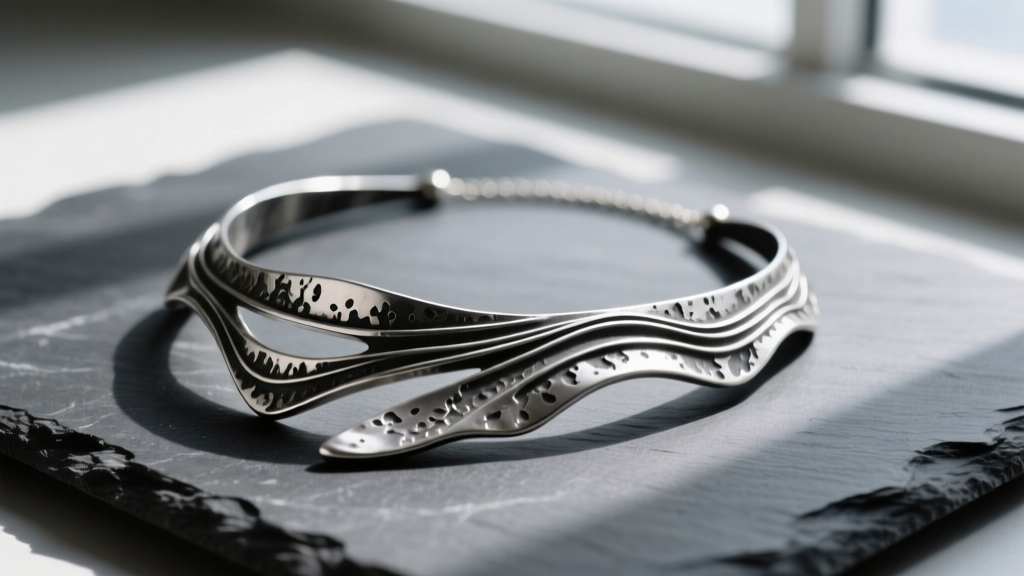
When evaluating a contemporary, sculptural piece like the Sophie Baek necklace, the aesthetic appeal is only half the equation. The true longevity, weight, and skin-reactivity of the piece are dictated by its metallurgical composition. Contemporary jewelry designers frequently utilize a triad of metals: 925 sterling silver, 14k gold vermeil, and jeweler's brass. Each material possesses distinct Vickers hardness ratings, oxidation profiles, and electrochemical behaviors. Understanding these properties is critical for collectors and everyday wearers alike, ensuring that your investment maintains its structural integrity and visual brilliance over decades of wear.
In this comprehensive material comparison, we dissect the exact alloys, plating standards, and maintenance protocols required to preserve the intricate textures and polished finishes characteristic of high-end contemporary necklaces.
Metallurgical Breakdown: 925 Sterling Silver
Pure silver (999 fine silver) is too malleable for functional jewelry, possessing a Vickers hardness (HV) of merely 25. To create a durable Sophie Baek necklace, designers alloy pure silver with copper, resulting in 925 sterling silver (92.5% silver, 7.5% copper). This specific ratio elevates the hardness to approximately 60-70 HV, providing the necessary tensile strength to support heavy sculptural pendants without warping.
The Reality of Tarnish and Oxidation
The copper content that grants sterling silver its strength is also responsible for its primary vulnerability: tarnish. Copper reacts with atmospheric sulfur and moisture to form copper sulfide, which manifests as a dark, dull film on the metal's surface. According to the Silver Institute, this reaction is accelerated in high-humidity environments or when the jewelry is exposed to volatile sulfur compounds found in everyday items like rubber bands, wool, and certain cosmetics.
Expert Insight: Many contemporary designers intentionally utilize 'oxidized sterling silver'—a process where the piece is submerged in a liver of sulfur solution to artificially accelerate tarnishing. This darkens the recessed areas of a sculptural necklace, creating high-contrast shadows that emphasize the piece's three-dimensional geometry.
The Vermeil Standard: 2.5 Microns of Luxury
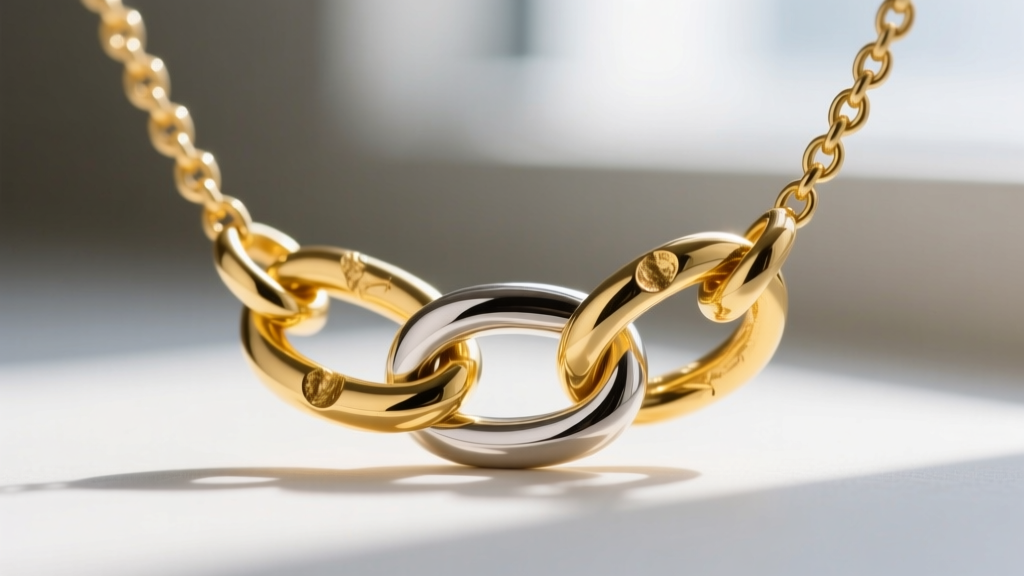
Gold vermeil (pronounced ver-may) is frequently used to offer the opulent warmth of gold at a more accessible price point than solid 14k or 18k gold. However, not all gold-plated jewelry qualifies as vermeil. The Federal Trade Commission (FTC) strictly defines vermeil in their Jewelry Guides: the base metal must be 925 sterling silver, and the gold plating must be at least 10k purity with a minimum thickness of 2.5 microns.
Wear Patterns and Friction Points
While 2.5 microns is substantially thicker than standard 'gold flash' plating (which is often less than 0.175 microns), it is still a surface layer. In a heavily textured necklace, the raised, polished areas will experience more friction against clothing and skin. Over a period of 3 to 5 years of daily wear, these high-friction zones may reveal the sterling silver base beneath. This is not a defect, but a natural consequence of the material's properties. To mitigate this, high-quality manufacturers often apply a clear, hypoallergenic e-coating over the vermeil to act as a sacrificial barrier against friction and skin acids.
Brass and Bronze: Embracing the Patina
For pieces requiring a warmer, more vintage aesthetic or higher structural rigidity, designers may turn to brass (an alloy of copper and zinc) or bronze (copper and tin). Jeweler's brass typically contains 85% copper and 15% zinc, yielding a Vickers hardness of 100-120 HV. This makes it significantly harder and more scratch-resistant than sterling silver.
Unlike silver, which tarnishes black, brass and bronze develop a 'patina'—a complex layer of copper carbonates and chlorides that can range from rich browns to vibrant verdigris greens. While some collectors prize this evolving finish, others prefer to maintain the original high-polish brass tone, which requires more frequent mechanical polishing.
Material Comparison Matrix
To make an informed decision when selecting your necklace, refer to the comparative data below. This matrix highlights the physical and chemical differences between the most common contemporary jewelry metals.
| Material | Composition | Hardness (HV) | Tarnish Profile | Estimated Price Range |
|---|---|---|---|---|
| 925 Sterling Silver | 92.5% Ag, 7.5% Cu | 60-70 HV | High (Silver Sulfide) | $150 - $450 |
| 14k Gold Vermeil | 92.5% Ag base, 2.5µm 14k Au | 60-70 HV (base) | Low (until wear) | $220 - $600 |
| Jeweler's Brass | 85% Cu, 15% Zn | 100-120 HV | Moderate (Patina) | $90 - $280 |
| Solid 14k Gold | 58.3% Au, Ag/Cu alloys | 120-140 HV | Negligible | $800 - $2,500+ |
Galvanic Corrosion and Skin pH Interactions
A frequently overlooked factor in jewelry longevity is the electrochemical interaction between the metal and the wearer's skin. The natural pH of human skin ranges from 4.5 to 5.5. When sweat—which contains water, salts, and lactic acid—comes into contact with the copper in sterling silver or brass, it can trigger a localized galvanic reaction. This is why some individuals experience a harmless but unsightly green discoloration on their skin when wearing brass or lower-karat gold alloys. The Gemological Institute of America (GIA) notes that individuals with highly acidic sweat or those who frequently use lotions containing sulfur compounds will accelerate the oxidation process of copper-bearing alloys.
Advanced Care and Maintenance Protocols
Proper maintenance extends far beyond wiping the piece with a soft cloth. Different alloys require vastly different chemical and mechanical cleaning approaches to avoid irreversible damage.
Cleaning Sterling Silver
- Avoid Thiourea Dips: Commercial liquid tarnish removers (like Tarn-X) contain thiourea and hydrochloric acid. While they instantly strip tarnish, they also etch the silver surface, leaving it microscopically porous and more susceptible to rapid re-tarnishing.
- Electrochemical Bath: For heavy tarnish, line a glass bowl with aluminum foil (shiny side up). Add boiling water, a tablespoon of baking soda, and a tablespoon of sea salt. Submerge the silver necklace for 3-5 minutes. The aluminum acts as a sacrificial anode, drawing the sulfur off the silver without removing any base metal.
Cleaning Gold Vermeil
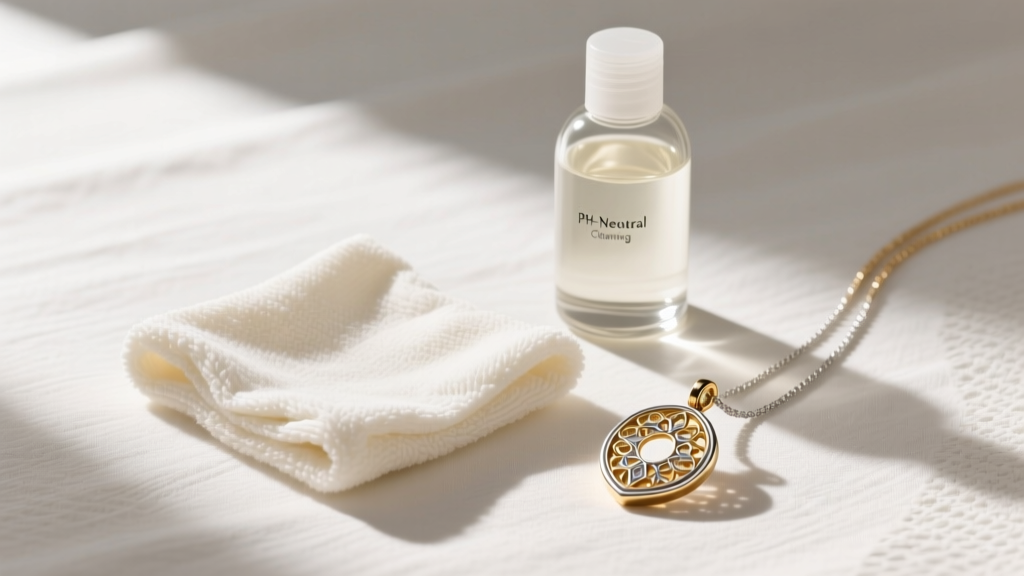
- No Abrasives: Never use silver polishing cloths on vermeil. These cloths are impregnated with mild abrasives (like jeweler's rouge) that will strip the 2.5-micron gold layer.
- Mild Surfactants: Use a few drops of pH-neutral dish soap in lukewarm water. Gently agitate the necklace, rinse with distilled water (to avoid hard water mineral spots), and pat dry with a lint-free microfiber cloth.
Final Verdict: Choosing Your Metal
Selecting the right material for your necklace ultimately depends on your lifestyle, maintenance willingness, and aesthetic preferences. If you desire a piece that will develop a unique, moody character over time and don't mind occasional polishing, 925 sterling silver or oxidized brass are exceptional choices. Conversely, if you prefer the luminous warmth of gold but want to avoid the premium of solid 14k gold, a well-constructed vermeil piece offers an ideal middle ground—provided you adhere to strict, non-abrasive cleaning protocols to preserve the gold layer. By understanding the metallurgical realities of these alloys, you can ensure your contemporary jewelry remains a staple of your collection for years to come.


