How to Style a Soul Devour Necklace Fear and Hunger Aesthetic
Learn how to source, style, and layer a soul devour necklace Fear and Hunger aesthetic. Master dark fantasy jewelry with our step-by-step guide.


Understanding the Lore: Translating Game Mechanics into Metal
Translating the oppressive, Lovecraftian dread of indie horror RPGs into wearable art is a masterclass in gothic styling. Finding an authentic-looking soul devour necklace fear and hunger cosplayers and dark fantasy enthusiasts desire requires a deep understanding of metallurgical aging, chain mechanics, and macabre layering. The game's unforgiving atmosphere is characterized by flesh-crafting, demonic pacts, and ancient, cursed relics. In the game, inventory weight and cursed items carry severe mechanical penalties. To capture this essence in a real-world pendant, we must move beyond cheap, lightweight costume jewelry and explore the realm of artisanal dark fantasy craftsmanship. A true relic should feel burdensome and significant. This step-by-step guide will walk you through sourcing, styling, and maintaining a heavy, narrative-driven centerpiece that looks as though it was pulled directly from a dungeon's deepest vault.
Step 1: Sourcing Materials and Patinas
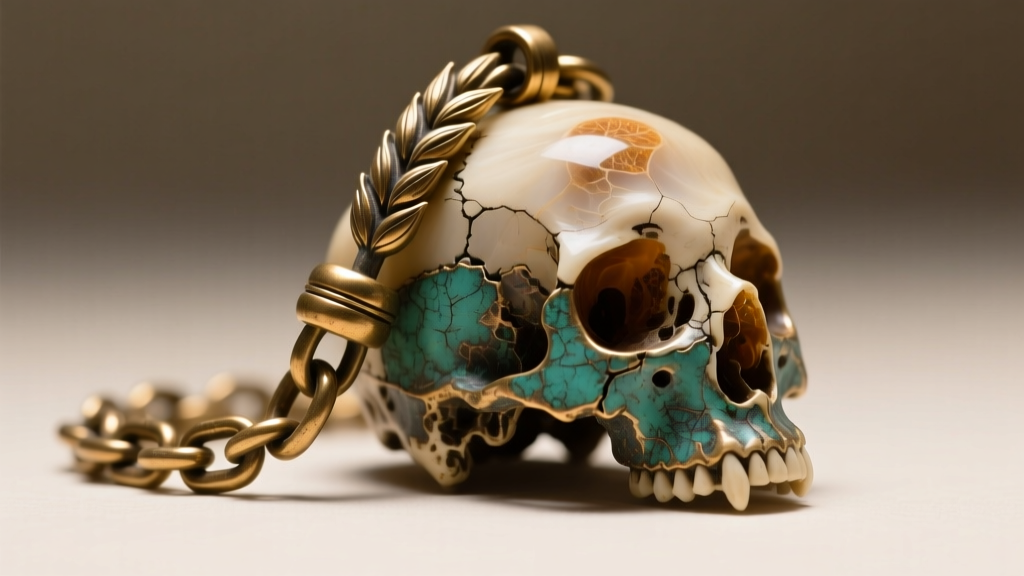
The foundation of any cursed relic aesthetic is the metal and its patina. Bright, polished silver immediately breaks the dark fantasy illusion. Instead, you must seek out 925 sterling silver or bronze pieces that have been treated with Liver of Sulfur (LOS). According to jewelry fabrication experts at Rio Grande, LOS is a potassium sulfide compound that reacts with the copper alloys in sterling silver to create a rich, gunmetal-to-obsidian black patina. For a true soul devour motif—often featuring jagged teeth, visceral textures, or demonic visages—the piece should be cast using the lost-wax method. This allows for deep, organic undercuts that trap the dark patina, while the high points are hand-polished to a dull grey, creating a striking contrast that mimics aged, cursed iron or tarnished silver. When commissioning or buying, look for pendants that weigh at least 25 grams; anything lighter will feel and look like a mass-produced trinket, failing to capture the heavy, burdensome lore of a soul-trapping amulet.
Step 2: Selecting the Perfect Chain for Heavy Pendants
A 30-gram pendant will easily snap a standard 1.5mm cable chain. The structural integrity of your necklace is paramount. You need a chain that not only supports the weight but also complements the brutalist, ancient aesthetic of the pendant. Wheat chains (also known as spiga chains) are the gold standard for dark fantasy jewelry. Their woven, directional links resemble twisted rope or braided wire, evoking a sense of medieval blacksmithing. Alternatively, a thick square-box chain offers an industrial, unyielding look. The bail—the loop connecting the pendant to the chain—must be forged from at least 14-gauge (1.6mm) wire. Spring ring clasps are entirely unsuitable for heavy pendants; they will inevitably fail under the pendulum stress of a swinging amulet. Always insist on a heavy-duty lobster claw clasp or a custom S-hook clasp secured with soldered jump rings. The Gemological Institute of America (GIA) notes that proper alloy mixing and clasp engineering are critical for the longevity of heavy statement pieces, ensuring the metal doesn't suffer from stress fatigue over time.
| Chain Type | Aesthetic Profile | Tensile Strength | Max Pendant Weight |
|---|---|---|---|
| Wheat (Spiga) Chain | Organic, woven, medieval | High | 40-60 grams |
| Square Box Chain | Industrial, brutalist | Very High | 50-80 grams |
| Rope Chain | Classic, ornate, reflective | Medium-High | 30-50 grams |
| Cable Chain | Minimalist, modern | Low | Under 15 grams |
Step 3: Layering Techniques for Macabre Necklines
A standalone soul devour pendant is powerful, but layering it correctly integrates it into a cohesive dark fantasy wardrobe. The key to layering heavy, gothic jewelry is the 'cascade and contrast' method. Start with a delicate, 16-inch oxidized silver choker featuring a subtle motif—perhaps a simple thorn or bone bead. This frames the collarbone and draws the eye upward. Next, place your 22-inch soul devour centerpiece. The 6-inch gap between the choker and the pendant prevents visual clutter and allows the heavy amulet to rest against the sternum, the traditional placement for protective or cursed talismans. For the final layer, consider a 28-inch lariat chain ending in a raw, unpolished gemstone like black tourmaline or smoky quartz. This technique works exceptionally well over distressed knitwear, sheer Victorian-style blouses, or structured leather harnesses. By mixing delicate chains with brutalist pendants, you create a visual hierarchy that feels intentionally curated rather than haphazardly thrown together.

Step 4: Caring for Oxidized and Bone-Resin Jewelry
Dark fantasy jewelry requires specific maintenance to preserve its cursed appearance. The most common mistake owners make is using standard silver polishing cloths on the entire piece. These cloths contain mild abrasives and anti-tarnish chemicals that will strip the Liver of Sulfur patina from the deep crevices, ruining the antique, macabre contrast. Instead, use a soft, untreated microfiber cloth to gently wipe away skin oils and environmental dust. If the pendant incorporates organic elements like ethically sourced bone, horn, or specialized dark resins, avoid all liquid jewelry cleaners, ultrasonic baths, and harsh soaps. These materials are porous and will absorb chemicals, leading to cracking or discoloration. According to conservation guidelines from the Getty Conservation Institute, organic and composite materials in historical jewelry require stable humidity and gentle, dry cleaning methods to prevent structural degradation. Store your necklace flat in a tarnish-resistant flannel pouch, ensuring the heavy pendant does not swing and dent the delicate links of the accompanying chain.
Step 5: Commissioning a Bespoke Relic
If off-the-shelf dark fantasy jewelry fails to capture the specific, grotesque elegance you seek, commissioning a bespoke piece is the ultimate path. When approaching a custom metalsmith, provide detailed references not just of the game's artwork, but of real-world historical artifacts like medieval memento mori or Victorian mourning jewelry. Specify your desire for 'flash casting' imperfections or intentional pitting to give the metal a weathered, excavated look. Discuss the integration of hidden elements—perhaps a small, sealed compartment on the back of the pendant designed to hold a physical token, echoing the game's inventory mechanics. A bespoke soul devour amulet is more than an accessory; it is a wearable piece of interactive lore, anchoring your personal dark fantasy aesthetic with undeniable authenticity and masterful craftsmanship.


