Spartina Necklace Deep Dive: Enamel Tech & Care 2026
Explore the technical construction of the Spartina necklace. We analyze jeweler's brass bases, epoxy enamel, gold plating microns, and care.

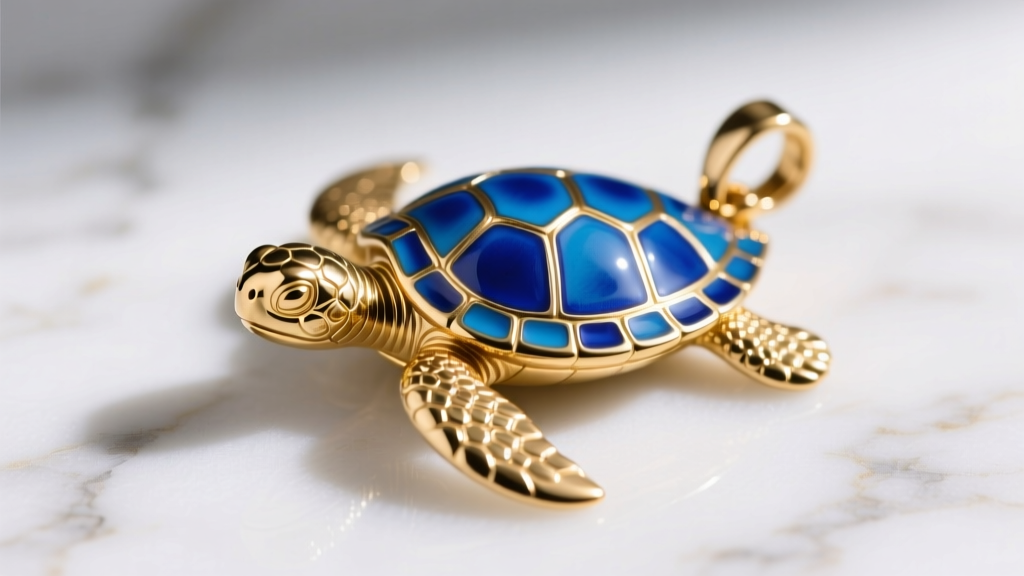
The Anatomy of a Spartina Necklace
When evaluating coastal-inspired jewelry, the Spartina necklace stands out for its intricate nature motifs and vibrant color palettes. However, beneath the aesthetic appeal of sea turtles, sand dollars, and compass roses lies a specific metallurgical and material science framework. As we move through 2026, consumers and collectors are demanding greater transparency regarding base metals, plating longevity, and enamel durability. This expert deep dive deconstructs the technical specifications of Spartina's manufacturing processes, separating marketing terminology from material reality.
Base Metal Composition: The Jeweler's Brass Standard
The foundation of nearly every Spartina pendant and chain is jeweler's brass, specifically the C26000 alloy. This alloy consists of approximately 70% copper and 30% zinc. According to the Gemological Institute of America (GIA), this specific copper-to-zinc ratio is favored in fashion jewelry because it offers high tensile strength, excellent malleability for intricate lost-wax casting, and a natural warm hue that closely mimics 14k gold.
However, the high copper content makes the base metal highly susceptible to oxidation. When exposed to atmospheric moisture and the sulfur compounds present in human sweat, the copper reacts to form copper sulfide, resulting in rapid tarnishing. Therefore, the longevity of a Spartina necklace is entirely dependent on the integrity and thickness of its outer plating layer.
The Enamel Technique: Cold Epoxy vs. Vitreous Glass
The signature vibrant blues, seafoam greens, and coral pinks found in Spartina designs are achieved through enameling. It is critical to distinguish that this is cold enamel (an epoxy-based resin), not traditional vitreous glass enamel. Vitreous enamel requires firing in a kiln at temperatures exceeding 1,400°F (760°C). Because Spartina frequently integrates heat-sensitive materials like mother-of-pearl, turquoise, and dyed howlite into their designs, kiln-firing would destroy these organic and semi-precious elements.
Cold enamel cures at room temperature or under low-heat UV lamps. While this allows for multi-media integration, it drastically alters the wear profile of the jewelry. Epoxy resin typically registers a 2.5 to 3.0 on the Mohs hardness scale, making it highly susceptible to micro-scratches from daily wear, contact with harder gemstones, or accidental drops onto ceramic tile. Furthermore, prolonged exposure to UV radiation can cause certain organic pigments suspended in the epoxy to yellow or fade over a 3-to-5-year lifespan.
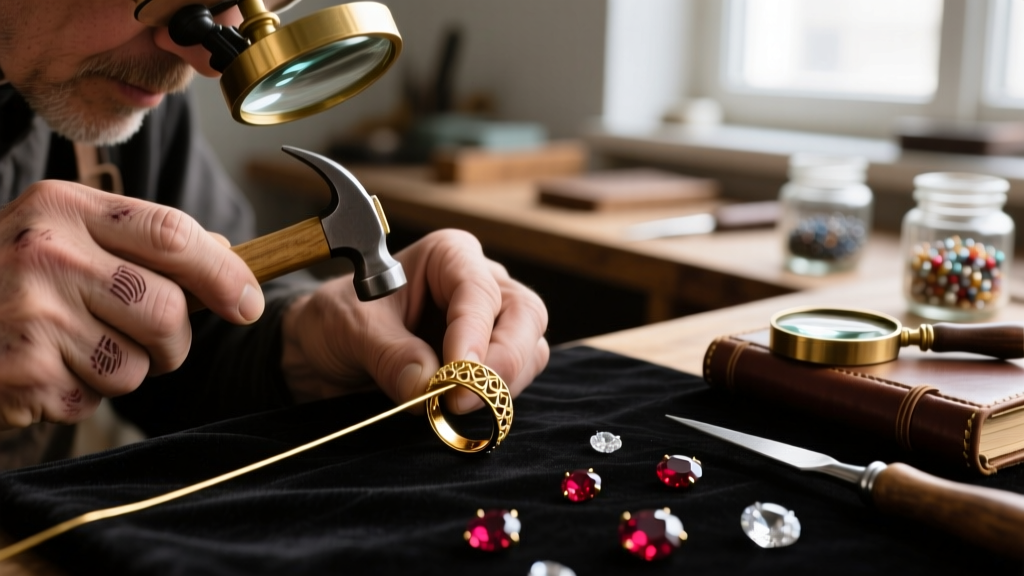
Plating Thickness and Wear Resistance
A common misconception in the coastal jewelry market is the conflation of "gold-plated" with "gold vermeil." The Federal Trade Commission (FTC) strictly regulates these terms. According to the FTC Jewelry Guides, vermeil must have a sterling silver base and a minimum gold thickness of 2.5 microns. Because Spartina utilizes a brass base, their pieces are technically classified as gold-plated brass, regardless of the plating thickness.
Understanding the micron thickness of the gold layer is vital for predicting the necklace's lifespan. The electroplating process deposits a microscopic layer of gold (usually 14k or 18k) over the brass substrate. Below is a technical comparison of industry plating standards:
| Plating Grade | Thickness (Microns) | Base Metal | Expected Wear Life |
|---|---|---|---|
| Flash / Wash | 0.05 - 0.175 | Brass / Steel | 1 - 6 Months |
| Standard Plate | 0.5 - 1.0 | Brass | 1 - 2 Years |
| Heavy Plate | 2.0 - 3.0 | Brass | 3 - 5+ Years |
| Vermeil (FTC Std) | 2.5 Minimum | Sterling Silver | 5 - 10+ Years |
Most mid-tier fashion jewelry, including standard Spartina collections, utilizes a standard plate (0.5 to 1.0 microns). With daily wear, friction from clothing and the natural acidity of the wearer's skin will eventually wear through this layer, exposing the underlying C26000 brass and leading to localized tarnishing, particularly on the back of the pendant and the clasp hardware.
Chain Mechanics and Clasp Hardware
The structural weak point of any pendant necklace is the hardware. Spartina typically employs standard cable or rolo chains, ranging from 1.2mm to 2.5mm in width. The chains are usually constructed from the same gold-plated brass as the pendants. The clasp mechanism is almost universally a cast brass lobster claw with an internal stainless steel spring.
From an engineering perspective, the failure point is rarely the clasp itself, but rather the jump ring connecting the clasp to the chain. These jump rings are typically 20-gauge or 22-gauge wire. If the jump ring is not soldered shut—a cost-cutting measure common in mass-market fashion jewelry—lateral stress from pulling or snagging can pry the ring open, resulting in the loss of the pendant. Buyers should routinely inspect the gap in the jump ring using a jeweler's loupe and gently squeeze it closed with flat-nose pliers if separation is detected.
Maintenance and Tarnish Prevention Framework
Preserving the cold enamel and gold plating of a Spartina necklace requires a strict adherence to material-safe cleaning protocols. The most catastrophic mistake a wearer can make is utilizing an ultrasonic jewelry cleaner. The high-frequency cavitation bubbles generated by ultrasonic machines will aggressively fracture and delaminate cold epoxy enamel from the brass substrate.
Expert Rule of Thumb: Never expose cold-enamel or porous semi-precious stones (like turquoise or pearl) to ultrasonic waves, steam cleaners, or commercial silver dip solutions containing thiourea. These chemicals will permanently cloud the epoxy resin and strip the gold plating.
Step-by-Step Cleaning Protocol
To maintain the structural and aesthetic integrity of your necklace, implement the following maintenance routine:
- Routine Wiping: After every 3 to 4 wears, gently wipe the pendant and chain with a dry, untreated microfiber cloth to remove sebum, dead skin cells, and environmental sulfur.
- Deep Cleaning: If the piece requires washing, use a few drops of pH-neutral dish soap (like Dawn) in lukewarm water. Submerge for no more than 60 seconds. Use a baby-hair toothbrush to gently agitate dirt from the chain links. Rinse with distilled water to avoid hard water mineral deposits.
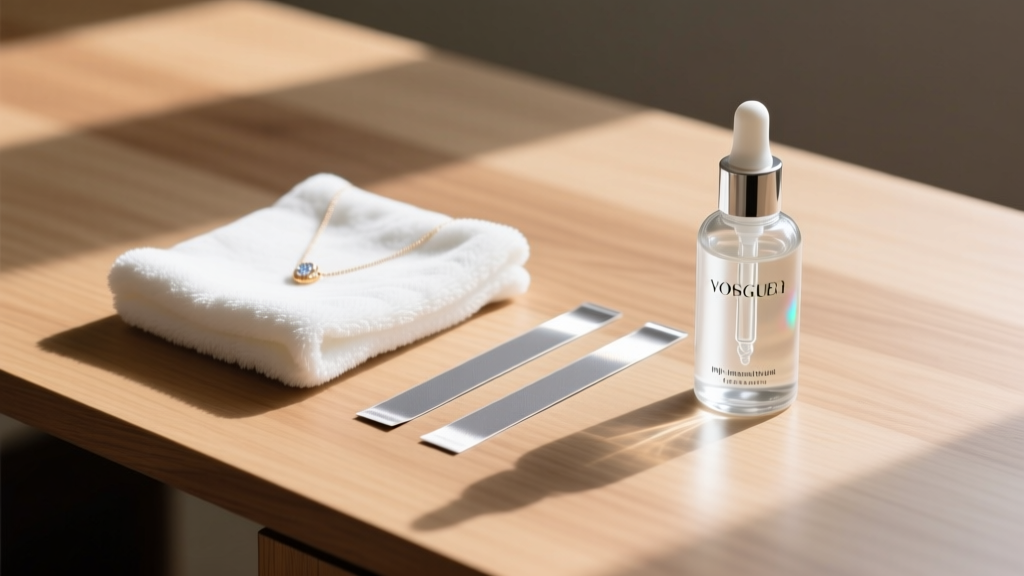
- Storage Environment: Store the necklace in an airtight polyethylene ziplock bag. Crucially, include a 3M anti-tarnish strip or a piece of Pacific Silvercloth. These materials actively absorb hydrogen sulfide gas from the trapped air, effectively halting the copper sulfide tarnishing process before it begins.
- Chemical Avoidance: Apply all perfumes, aerosol hairsprays, and chemical sunscreens before putting on the necklace. The solvents and UV filters in these products can degrade the chemical bonds in the epoxy enamel, leading to a cloudy, irreversible finish.
By understanding the specific material properties of jeweler's brass, cold enamel, and micron-level gold plating, collectors can make informed purchasing decisions and drastically extend the wearable life of their favorite coastal-inspired pieces.


