SpongeBob Necklace Buying Guide: Metals & Styles 2026
Discover how to buy a high-quality SpongeBob necklace in 2026. Compare precious metals, enamel types, and chain pairings for premium pop-culture jewelry.

The Evolution of Pop-Culture Fine Jewelry
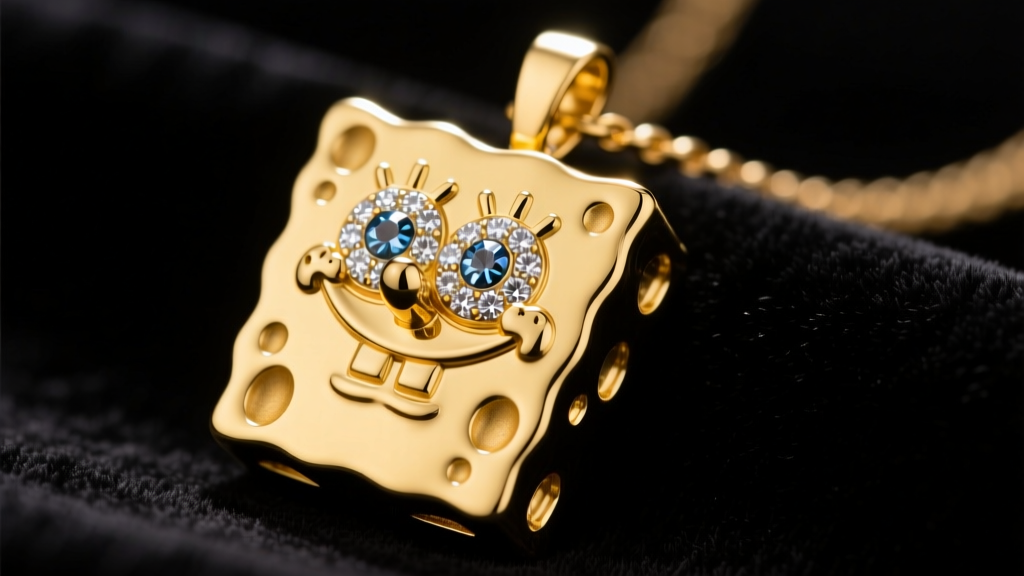
The landscape of character-themed accessories has undergone a massive transformation over the last decade. What was once relegated to cheap, mass-produced base metals and plastic trinkets has evolved into a highly sought-after category within bespoke streetwear and fine jewelry. In 2026, a premium SpongeBob necklace is no longer just a novelty item; it is a statement piece that bridges the gap between nostalgic pop culture and high-end horology and jewelry craftsmanship. Whether you are looking at indie silversmiths on Instagram or commissioning a private jeweler for a fully diamond-encrusted pendant, understanding the metallurgy, enamel techniques, and structural integrity of these pieces is crucial. This comprehensive buying guide will break down exactly what to look for when investing in a high-quality SpongeBob necklace, ensuring you avoid overpriced costume jewelry and secure a piece that will last a lifetime.
The Metallurgy of Bikini Bottom: Precious Metals vs. Base Alloys
When evaluating a SpongeBob necklace, the base metal dictates not only the price but the longevity, weight, and detail retention of the character's likeness. According to the Gemological Institute of America (GIA), the purity of gold significantly impacts its hardness and suitability for intricate casting.
14k vs. 18k Gold for Character Pendants
For highly detailed character faces, 14k gold (58.5% pure gold alloyed with copper, zinc, or silver) is often the superior choice. The alloy metals provide exceptional hardness, which preserves the sharp, high-relief lines of SpongeBob's nose, tie, and eyelashes during the casting process. Conversely, 18k gold (75% pure) offers a richer, deeper yellow hue but is noticeably softer. An 18k gold SpongeBob pendant is more prone to micro-scratches and edge wear, especially on protruding areas like the character's arms or legs. If you prioritize a vibrant yellow color and don't mind a softer patina over time, 18k is acceptable, but 14k remains the industry standard for durable, everyday streetwear pendants.
Sterling Silver and Rhodium Plating
925 Sterling Silver is the most common metal for mid-tier SpongeBob necklaces. While affordable, raw silver is highly susceptible to sulfur-induced tarnishing, particularly in the deep crevices of a character design where polishing cloths cannot reach. Always look for sterling silver pieces that have been plated with a thick layer of rhodium. This platinum-group metal not only prevents tarnish but gives the silver a bright, white-gold-like finish that makes diamond accents pop.
Enamel Techniques: Cold Epoxy vs. Vitreous Glass
The most defining feature of a SpongeBob necklace is its vibrant yellow and brown coloration. How that color is applied is the single biggest differentiator between a $50 trinket and a $2,000 fine jewelry piece.
The Problem with Cold Enamel
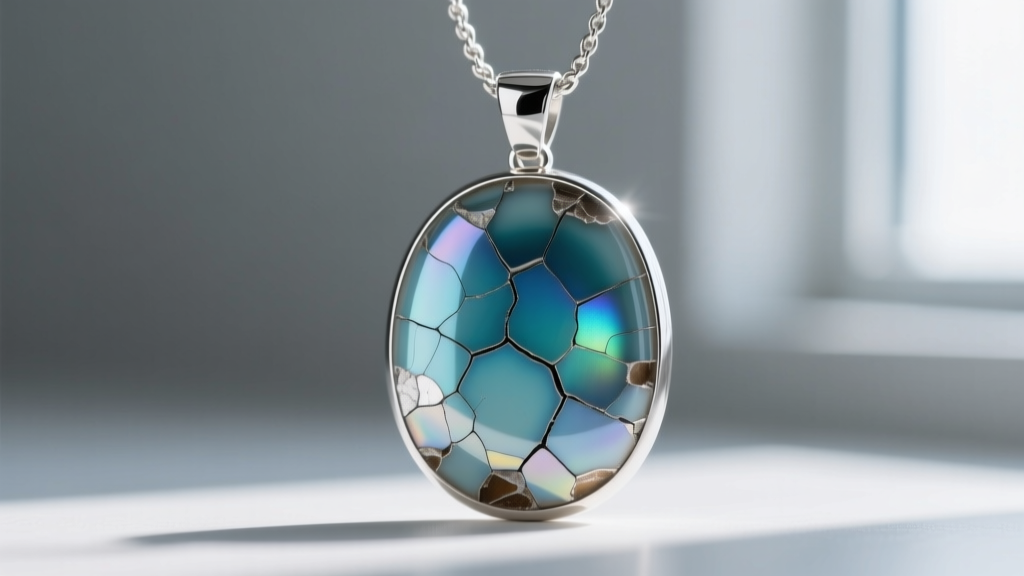
Mass-market and fast-fashion pendants utilize cold enamel, which is essentially a two-part epoxy resin. While it looks glossy initially, cold enamel is highly vulnerable to UV degradation. Over a few years of sun exposure, the yellow resin will inevitably yellow further, turning a muddy brown. Furthermore, cold enamel is soft; it scratches easily and will chip or peel away from the metal backing if the pendant is dropped on a hard surface.
The Superiority of Vitreous Enamel
High-end jewelers use vitreous enamel, a technique that involves fusing finely ground glass powder to the metal surface in a kiln at temperatures exceeding 1,400°F (760°C). Vitreous enamel is essentially glass; it will never fade from UV exposure, it is highly scratch-resistant, and it maintains a permanent, brilliant gloss. When commissioning or buying a premium SpongeBob necklace, always verify that the artisan uses fired vitreous enamel or guilloché enamel (where the glass is fired over an engraved metal pattern to create optical depth).
Chain Pairing and Bail Mechanics
A solid gold or heavy silver SpongeBob pendant carries significant weight, often ranging from 12 to 35 grams depending on the dimensions and diamond pavé. Pairing a heavy pendant with an inadequate chain is a common failure point that leads to lost jewelry.
Selecting the Right Chain Gauge
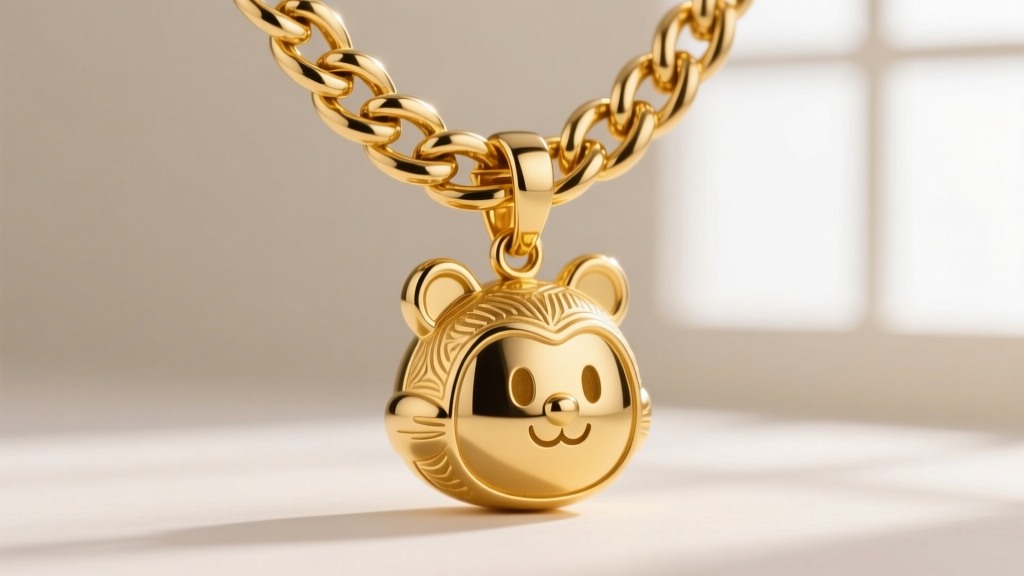
Never hang a 20-gram solid gold pendant on a 1.5mm cable or box chain; the links will stretch and eventually snap under the dynamic load of daily movement. For a standard 1.5-inch SpongeBob pendant, you need a chain with a minimum thickness of 3mm to 5mm. Cuban link chains, Figaro chains, and rope chains offer the best tensile strength and visual balance. The geometric, interlocking links of a Cuban chain complement the square, structured geometry of the SpongeBob character design.
Bail Construction and Tolerances
The bail (the loop that connects the pendant to the chain) is the most critical stress point. Avoid pendants where the bail is simply a thin loop of metal cast as part of the design, or worse, glued on. A premium SpongeBob necklace will feature a separately cast, heavily reinforced bail that is laser-welded or soldered to the back of the pendant. The inner diameter of the bail must be at least 2.5mm to 3mm to comfortably accommodate a thick Cuban link chain without causing abrasive friction against the chain links.
Sizing, Proportions, and Diamond Accents
Scale is everything in pop-culture jewelry. A pendant that is too large crosses the line from a stylish streetwear accessory into a cumbersome costume piece.
- Standard Streetwear Size: 1.25 inches to 1.5 inches (32mm - 38mm) in height. This sits perfectly on the chest, visible above a crewneck t-shirt but easily tucked under a button-down collar.
- Oversized Statement Size: 2.0 inches to 2.5 inches (50mm - 63mm). Best reserved for solid silver pieces or hollowed-out gold designs to prevent the piece from weighing over 50 grams, which causes neck strain.
- Subtle/Minimalist Size: 0.75 inches (19mm). Ideal for layering with other chains or wearing in professional environments where subtle pop-culture nods are preferred.
When it comes to diamond accents, the eyes and teeth of the character are the most common placement areas. For micro-pavé settings on a SpongeBob necklace, look for VS1 to SI1 clarity diamonds. Because the stones are typically under 0.02 carats each, higher clarities (VVS or FL) are a waste of budget, as inclusions are entirely invisible to the naked eye at that scale. Prioritize color (F-G range) and excellent cut to ensure maximum light return and sparkle.
Pricing Tiers and Authenticity
Understanding the market tiers will help you identify fair pricing and avoid scams. The Federal Trade Commission (FTC) Jewelry Guides mandate strict rules on metal stamping and diamond disclosures, which reputable sellers will always follow.
| Tier | Materials | Enamel Type | Estimated Price Range (2026) |
|---|---|---|---|
| Fast Fashion | Brass/Zinc Alloy, Gold-Plated | Cold Epoxy Resin | $15 - $45 |
| Indie Silversmith | 925 Sterling Silver, Rhodium | Cold Enamel or Basic Vitreous | $120 - $350 |
| Bespoke Fine Jewelry | Solid 14k/18k Gold, Natural Diamonds | Fired Vitreous / Guilloché | $2,500 - $8,500+ |
When purchasing from the bespoke tier, always demand a certificate of authenticity for the diamonds and a proper metal purity stamp (e.g., 14K, 585, or 750) alongside the maker's hallmark. Unlicensed merchandise is rampant in the lower tiers, but high-end jewelers often secure limited licensing or operate in the bespoke commission space where the piece is classified as a custom, one-off artistic interpretation rather than mass-market merchandise.
Care and Maintenance for Enamel and Gold
Proper maintenance is vital to preserve the intricate details and vibrant colors of your SpongeBob necklace. Never use ultrasonic jewelry cleaners on pieces featuring vitreous enamel or micro-pavé diamonds. The high-frequency vibrations can shatter the glass enamel and shake the tiny diamonds loose from their prongs. Furthermore, harsh chemical dips will strip rhodium plating from sterling silver pieces and dull the polish on gold.
Instead, adopt a gentle cleaning routine. Mix a few drops of mild, phosphate-free dish soap into a bowl of lukewarm water. Submerge the pendant for five minutes to loosen body oils and lotions, then gently agitate the crevices with a soft-bristled baby toothbrush. Rinse thoroughly under a gentle stream of warm water and pat dry with a lint-free microfiber cloth. Store the necklace in a soft, anti-tarnish pouch away from direct sunlight and other jewelry to prevent the gold from scratching the enamel surface.
Expert Tip: If your vitreous enamel ever does chip from a severe impact, do not attempt to fill it with clear nail polish or resin. Take the piece to a specialized enamelist who can carefully pack and fire new glass powder into the damaged cell without affecting the surrounding metal or diamond settings.
Final Thoughts
Investing in a high-quality SpongeBob necklace is about celebrating pop culture through the lens of enduring craftsmanship. By prioritizing solid precious metals, demanding fired vitreous enamel over cheap resins, and ensuring structural integrity in the bail and chain pairings, you can secure a piece that transcends fleeting trends. Whether you opt for a sleek sterling silver silhouette or a fully bespoke, diamond-pavé 14k gold masterpiece, understanding these technical nuances ensures your jewelry will remain as iconic and vibrant as the character it represents for decades to come.


