The Spur West Necklace Buying Guide: What to Look For
Discover what to look for when buying a Spur West necklace. Our guide covers silver grades, spur anatomy, chain gauges, and turquoise authenticity.

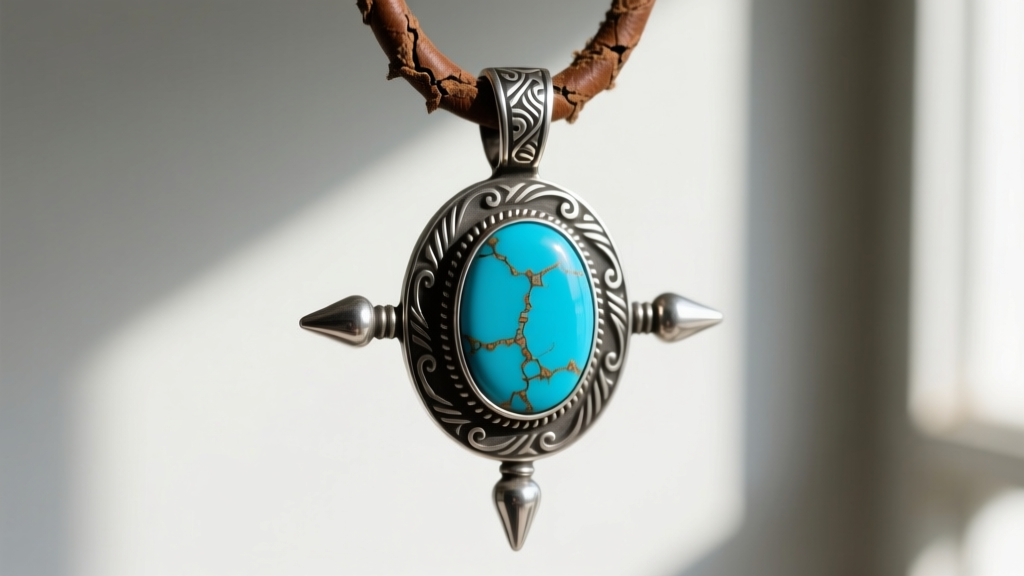
The resurgence of Western heritage jewelry has firmly established the spur west necklace as a staple in both rustic and contemporary wardrobes. Moving beyond costume novelty, authentic Western equestrian jewelry represents a masterclass in functional silversmithing and lapidary art. Whether you are investing in a vintage piece from a renowned Navajo artisan or purchasing a modern interpretation from a heritage brand, understanding the metallurgy, anatomy, and structural requirements of these heavy pendants is critical. In 2026, the market is flooded with mass-produced imports masquerading as authentic Western silver, making an educated buying approach more important than ever.
Decoding the Anatomy of a Spur Pendant
To evaluate the craftsmanship of a spur west necklace, you must first understand the anatomy of the actual riding spur. High-quality pendants do not merely mimic a vague star shape; they accurately reproduce the functional components of equestrian tack.
- The Rowel: The spinning, star-shaped wheel at the end of the spur. In necklace designs, the rowel is the most common pendant motif, often featuring 5 to 8 points. Look for beveled edges and deep, hand-cut grooves rather than flat, machine-stamped metal.
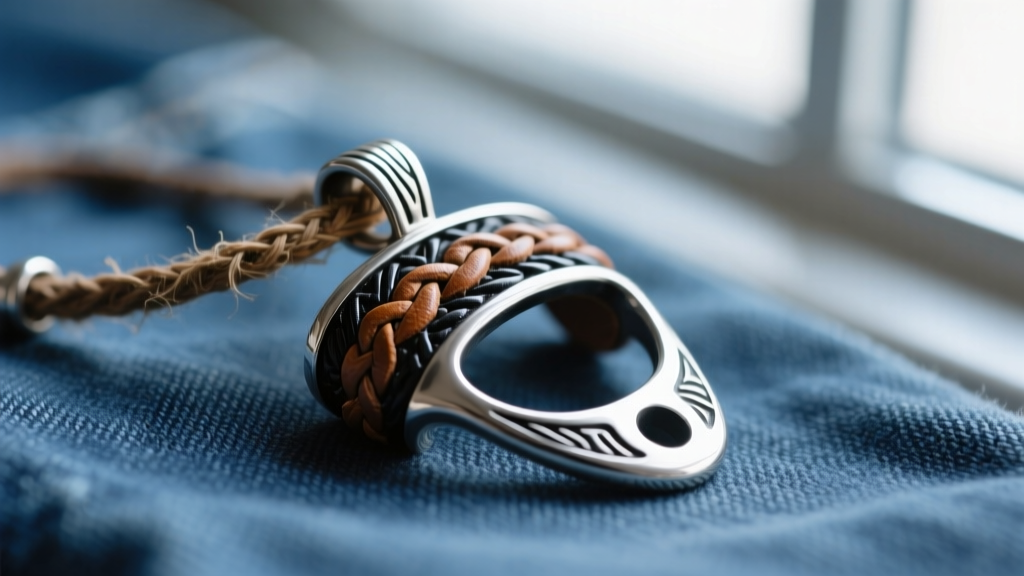
- The Shank: The U-shaped band that wraps around the boot heel. Some avant-garde Western jewelers use a stylized, flattened shank as a horizontal bar pendant, often incorporating braided leather or silver wire inlays.
- The Boss: The decorative attachment point where the rowel meets the shank. In premium pendants, the boss is often where the lapidary work shines, featuring a bezel-set cabochon gemstone.
Metallurgy: Silver Grades and Alloys
The foundation of any authentic Western necklace is its silver content. The term "Western Silver" is not a regulated metallurgical grade, which leaves buyers vulnerable to misleading marketing. According to the Jewelers of America, understanding the distinction between standard sterling and traditional coin silver is vital for collectors.
| Silver Grade | Purity | Characteristics & Patina | Price Tier |
|---|---|---|---|
| Sterling Silver (925) | 92.5% Ag, 7.5% Cu | The modern standard. Tarnishes evenly, highly durable, takes a brilliant polish. | Mid to High |
| Coin Silver (900) | 90.0% Ag, 10.0% Cu | Historical Western standard. Higher copper content yields a darker, richer, faster-developing patina. | High (Artisan) |
| German / Nickel Silver | 0% Ag (Cu/Ni/Zn) | A base metal alloy. Causes skin reactions, lacks the luster of real silver. Avoid entirely. | Low (Costume) |
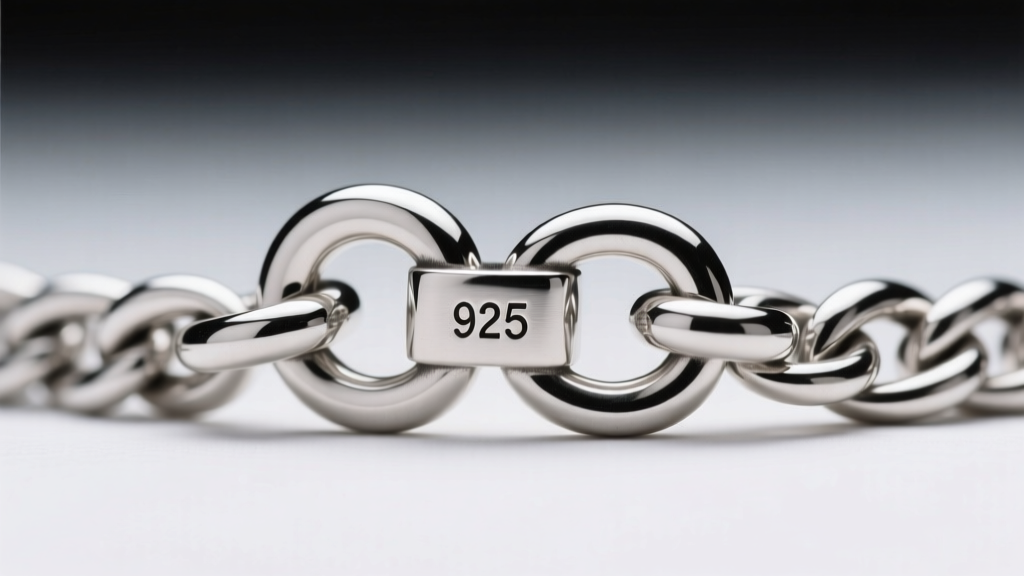
When inspecting a spur west necklace, look for the "925" or "Coin" stamp. Be highly suspicious of pieces labeled "Tibetan Silver" or "Alpaca," as these contain zero precious metal and will quickly degrade against the skin.
Lapidary Standards: Turquoise and Coral Inlays
A hallmark of the Southwestern and Western jewelry tradition is the integration of vibrant gemstones, most notably turquoise. However, not all turquoise is created equal, and the treatment methods drastically affect both the value and the care requirements of your necklace.
Natural vs. Stabilized Turquoise
According to the Gemological Institute of America (GIA), natural turquoise is highly porous. If worn against the skin or exposed to cosmetics and sweat, natural stones will absorb oils and darken over time—a phenomenon some collectors love, but others despise. To combat this, modern Western jewelers frequently use stabilized turquoise. This process involves infusing the porous stone with a clear epoxy resin under pressure, hardening it and locking in the vibrant blue or green matrix. Stabilization is an accepted industry practice and ensures your spur pendant survives daily wear without cracking or discoloring.
Red Flag Warning: Avoid "block" or "reconstituted" turquoise, which is essentially turquoise dust mixed with dye and plastic. A genuine spur west necklace should feature solid cabochons with a natural, asymmetric matrix (the brown or black webbing inside the stone).
Chain Mechanics: Supporting Heavy Pendants
The most common point of failure in Western jewelry is the chain. Authentic silver spur pendants are dense and heavy, frequently weighing between 15 and 40 grams. A standard 18-gauge or 20-gauge fashion chain will stretch, snap, or warp under this weight within weeks.
The Gauge and Weave Matrix
When selecting a chain for your pendant, you must match the gauge (thickness) to the pendant's weight. Here is the structural framework for pairing chains with heavy Western pendants:
- 14-Gauge (1.6mm) to 12-Gauge (2.0mm): Mandatory for pendants over 25 grams. The Wheat (Spiga) chain is the gold standard here. Its interlocking, multi-directional oval links distribute weight evenly and resist kinking, making it ideal for rugged, daily wear.
- 16-Gauge (1.3mm): Suitable for medium rowel pendants (15-25 grams). A Rope chain in this gauge offers a classic Western aesthetic, as the twisted links catch the light and mimic the texture of a lariat.
- Clasp Selection: Never use a spring-ring clasp for a heavy spur pendant; the internal tension spring will inevitably fail. Insist on a solid lobster claw clasp or a heavy toggle clasp with a secure soldered jump ring.
Pricing Tiers and Authenticity Markers
Understanding the pricing landscape will help you identify whether a piece is a mass-produced import or a genuine work of wearable art.
- Commercial Production ($80 - $250): Usually cast from molds in overseas factories using standard 925 silver. The details may be slightly soft, and the turquoise is almost always stabilized or synthetic. These are fine for occasional fashion wear.
- Domestic Heritage Brands ($300 - $700): Manufactured in the USA (often in Texas, New Mexico, or Arizona). These feature hand-stamped motifs, heavier gauge silver, and genuine mined gemstones. Look for brand hallmarks and model numbers stamped on the pendant's reverse.
- Master Artisan & Vintage ($800 - $3,000+): Hand-forged, tufa-cast, or featuring intricate silver overlay techniques by recognized Native American or Western silversmiths. These pieces often feature rare, natural, untreated turquoise (such as high-grade Lander Blue or Bisbee) and carry the artist's personal hallmark.
Care and Patina Maintenance
The dark oxidation that settles into the hand-stamped grooves of a spur west necklace is not dirt; it is intentional contrast that highlights the silversmith's tooling. Never use ultrasonic cleaners or liquid silver dips on Western jewelry. These harsh chemicals will strip the intentional patina from the grooves and can severely damage the epoxy in stabilized turquoise or dissolve the adhesives in inlay work.
Instead, use a dry, untreated microfiber cloth to gently buff the high-polish areas (the raised edges of the rowel or shank). For deeper cleaning, use a soft-bristled toothbrush with a tiny drop of mild dish soap and lukewarm water, carefully avoiding the gemstone settings. Dry immediately and thoroughly with a soft towel to prevent water spots on the silver.
By prioritizing structural integrity, authentic metallurgy, and ethical lapidary practices, you can acquire a spur west necklace that serves not just as a striking fashion statement, but as a durable heirloom capable of weathering decades of wear.


