SS Necklace Buying Guide: What to Look For in 2026
Discover how to buy the perfect ss necklace in 2026. Learn about 316L vs 304 steel, PVD coatings, nickel allergies, and hardware quality in our expert guide.

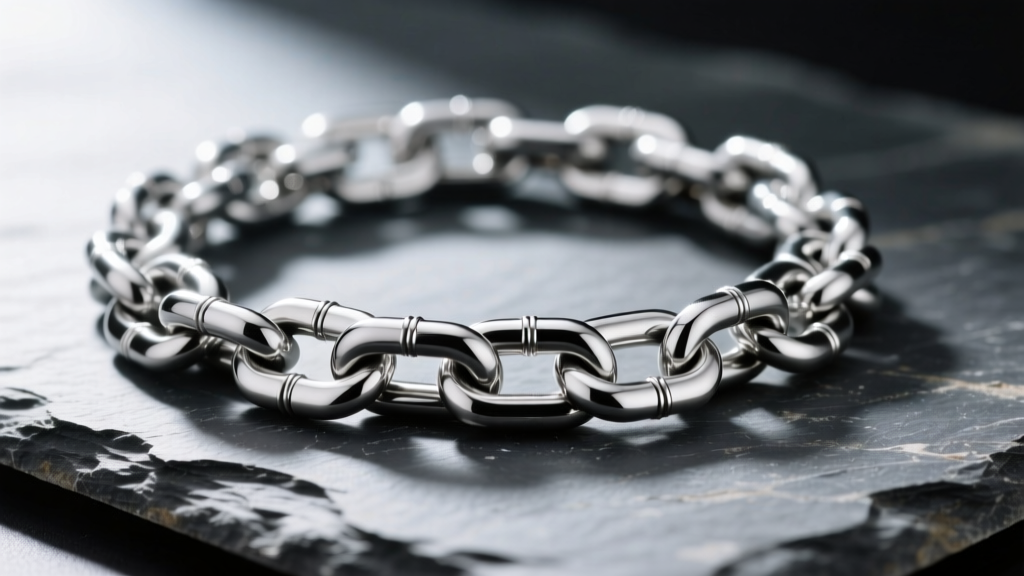
When shopping for an ss necklace, the sheer volume of options on the market can be overwhelming. Stainless steel has evolved from a cheap alternative to precious metals into a premier jewelry material, prized for its tensile strength, corrosion resistance, and modern aesthetic. However, not all steel jewelry is created equal. As we move through 2026, advancements in metallurgical coatings and manufacturing standards have widened the gap between premium, lifetime-lasting pieces and cheap, fast-fashion knockoffs.
This comprehensive buying guide will teach you how to decode steel grades, evaluate coating technologies, and inspect hardware construction so you can invest in an ss necklace that truly stands the test of time.
Why Choose an SS Necklace? The Metallurgy Breakdown
The term 'stainless steel' is a broad category encompassing over 150 different grades. In the jewelry industry, you will almost exclusively encounter two austenitic grades: 304 and 316L. Understanding the difference is the first step in making an informed purchase.
304 Stainless Steel (Commercial Grade)
304 steel is the most common and affordable grade. It contains 18% chromium and 8% nickel (often referred to as 18/8 steel). While it offers excellent general corrosion resistance, it is susceptible to pitting when exposed to high levels of chlorides, such as sweat, swimming pool water, or sea salt. Many budget-friendly ss necklace options utilize 304 steel, making them suitable for occasional wear but less ideal for daily, active lifestyles.
316L Stainless Steel (Surgical / Marine Grade)
316L is the gold standard for premium steel jewelry. The 'L' stands for low carbon, and the crucial difference is the addition of 2-3% molybdenum. According to the British Stainless Steel Association, molybdenum drastically enhances resistance to localized pitting and crevice corrosion. Furthermore, 316L is highly polishable and maintains its structural integrity under extreme temperature fluctuations. If you want an ss necklace you can wear in the shower, at the gym, and in the ocean without degradation, 316L is non-negotiable.
Decoding the Coatings: PVD vs. Traditional Plating
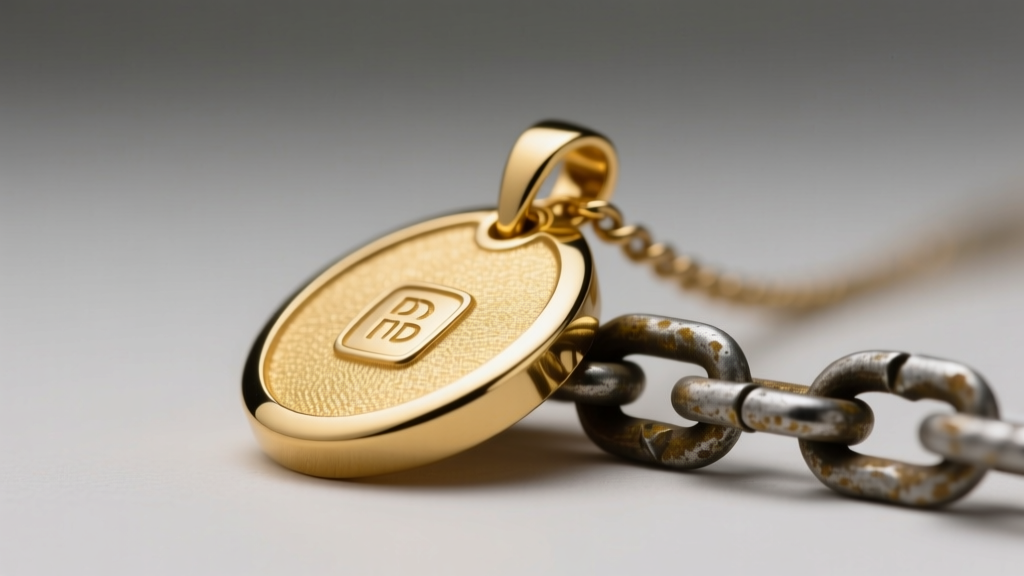
Raw stainless steel is naturally silver-grey. If you are buying a gold, rose gold, or black ss necklace, you must scrutinize the coloring process. Traditional electroplating involves dipping the steel into a chemical bath to deposit a thin layer of gold or rhodium. This layer is soft, wears off quickly against the skin's friction, and often turns green or brassy within months.
In 2026, the only acceptable coating for premium steel jewelry is PVD (Physical Vapor Deposition). PVD is a vacuum-coating process where vaporized titanium or zirconium is bonded to the steel at a molecular level.
- Durability: PVD coatings are up to 10 times thicker and significantly harder than electroplated layers.
- Hypoallergenic Seal: PVD creates an impermeable barrier that prevents base metals from leaching into the skin.
- Color Retention: A high-quality 18K gold PVD coating will retain its vibrant hue for 5 to 10 years of daily wear, whereas electroplating fades in under a year.
Always check the product specifications for explicit mention of 'PVD coating.' If the brand simply says 'gold plated,' walk away.
The Hypoallergenic Myth: Nickel Content & Skin Reactions
One of the most misunderstood aspects of buying an ss necklace is the concept of 'hypoallergenic' steel. Both 304 and 316L stainless steels contain nickel (typically 10-14%), which is essential for stabilizing the austenitic crystal structure and providing corrosion resistance.
However, the nickel in 316L is tightly bound within the alloy. The FTC Jewelry Guides and the European Union's EN 1811:2011 directive regulate nickel based on its release rate, not just its presence. High-quality 316L steel releases less than 0.5 µg/cm²/week of nickel, making it perfectly safe for the vast majority of people with mild sensitivities.
Expert Insight: If you have a severe, clinically diagnosed nickel allergy that causes immediate contact dermatitis, even 316L surgical steel may trigger a reaction. In such cases, bypass steel entirely and opt for an ASTM F138 compliant titanium necklace.
Hardware, Welding, and Tensile Strength
The chain is only as strong as its weakest link—and its clasp. When inspecting an ss necklace, pay close attention to the hardware.
Jump Ring Soldering
Look closely at the jump rings (the small circles connecting the clasp to the chain). In premium pieces, these are laser-welded or soldered shut. In cheap pieces, they are simply bent closed. An open jump ring will eventually pull apart under the weight of a pendant or the tension of catching on clothing.
The Lobster Clasp Spring Trap
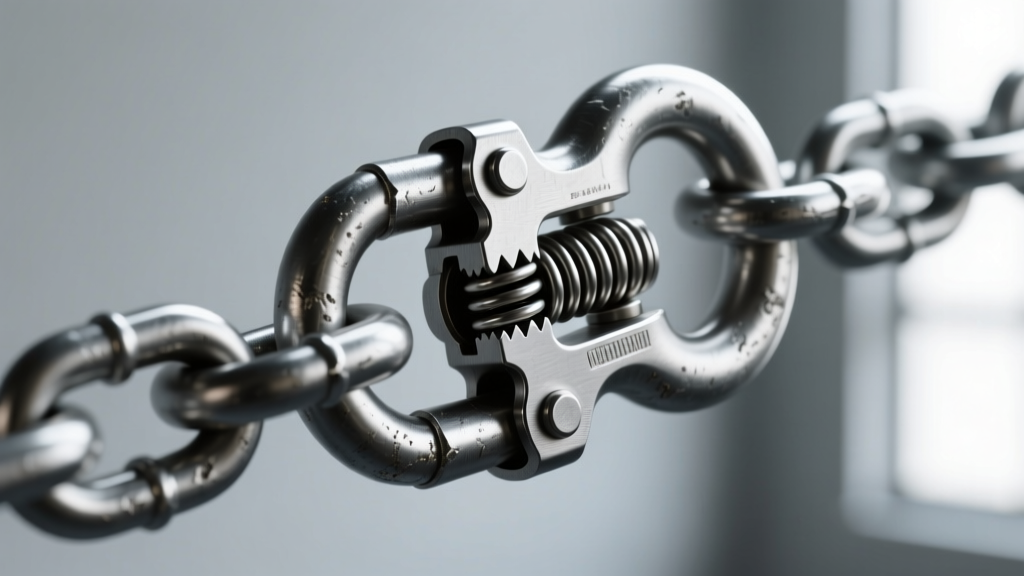
Many brands cut costs by using stainless steel for the clasp body but inserting a cheap brass or carbon steel spring inside the lobster clasp mechanism. Over time, moisture enters the clasp, the internal spring rusts, and the clasp either snaps open or freezes shut. Ensure the brand explicitly states that the internal spring is also made of stainless steel.
SS Necklace Price & Quality Matrix
Use this matrix to benchmark what you should expect at different price points when shopping for an ss necklace in 2026.
| Tier | Price Range | Steel Grade | Coating | Hardware & Welding |
|---|---|---|---|---|
| Budget | $10 - $25 | 304 or unverified | Electroplated or Painted | Open jump rings, brass clasp springs |
| Mid-Tier | $30 - $65 | 316L Surgical | Standard PVD (0.1 microns) | Soldered jump rings, mixed clasp metals |
| Premium | $70 - $150+ | 316L Marine/Surgical | Thick PVD (0.3+ microns) | Laser-welded links, 100% steel internal springs |
Chain Styles & Structural Integrity
The style of chain you choose dictates its durability and how it wears against the skin.
- Cuban Link: Exceptional tensile strength. The flat, interlocking links distribute weight evenly, making it the most durable choice for heavy pendants.
- Box Chain: Highly geometric and modern, but prone to kinking. If a box chain bends at a sharp angle, the links can permanently deform and weaken.
- Rope Chain: Beautiful light refraction, but the twisted links can trap dead skin cells and lotions, requiring more frequent ultrasonic cleaning.
- Cable Chain: Classic and lightweight, but the uniform oval links are susceptible to stretching if pulled forcefully.
Step-by-Step SS Necklace Buying Checklist
Before adding that ss necklace to your cart, run it through this final quality assurance checklist:
- Verify the Grade: Confirm the listing explicitly states '316L Stainless Steel' or 'Surgical Steel'.
- Check the Coating: If it is colored, ensure it uses 'PVD' or 'Physical Vapor Deposition'.
- Inspect the Welds: Zoom in on the product photos. Are the jump rings soldered shut?
- Read the Clasp Specs: Look for mentions of a 'stainless steel internal spring' in the clasp.
- Weight Verification: Premium steel has a satisfying heft. If a thick Cuban chain is listed as unusually light, it may be hollow-tubed or a lower-grade alloy.
Maintenance: Keeping Your Steel Pristine
While an ss necklace is incredibly low-maintenance, it is not entirely indestructible. The chromium in the steel relies on oxygen to maintain its invisible, self-repairing oxide layer. Therefore, avoid storing your necklace in airtight plastic bags or dark, damp environments for prolonged periods.
To clean your steel jewelry, avoid harsh chemicals like bleach, which contains chlorides that will aggressively attack the chromium oxide layer and cause permanent pitting. Instead, use a simple solution of warm water and mild dish soap, gently scrubbing with a soft-bristled baby toothbrush. For intricate chains like rope or figaro styles, an inexpensive home ultrasonic jewelry cleaner will vibrate away trapped sebum and environmental dust in minutes, restoring the factory-level shine without the use of abrasive polishes.


