St. Benedict Necklace Meaning & Metal Guide for Beginners
Discover the meaning, history, and best metals for a St. Benedict necklace. Our beginner guide covers sizing, chain pairing, and daily care tips.

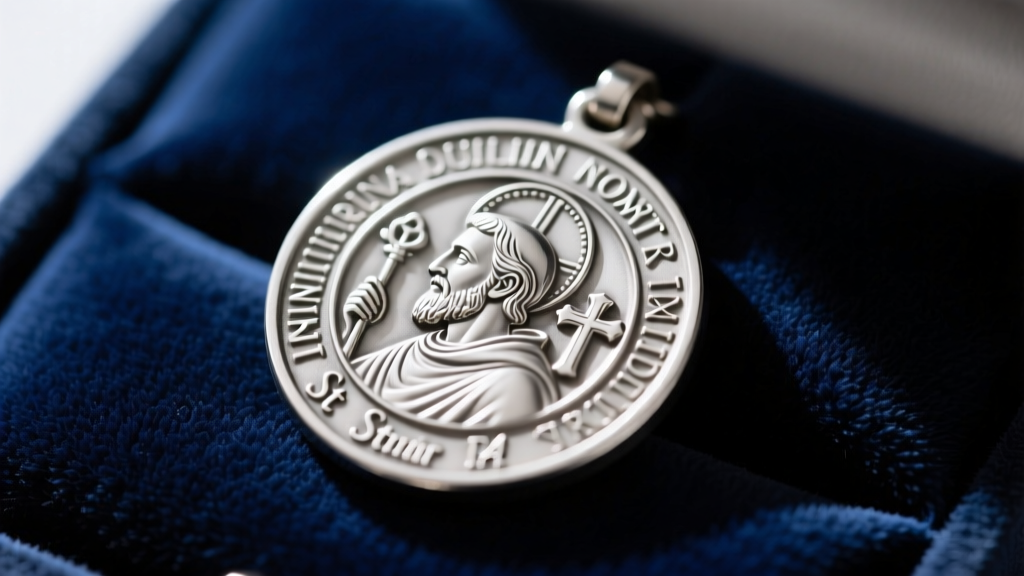
If you are exploring meaningful, heritage-rich jewelry in 2026, the necklace st benedict pendant remains one of the most powerful and recognizable sacramentals in the world. Whether you are drawn to its profound spiritual significance, its intricate historical design, or the growing trend of 'meaningful minimalism' in everyday layering, choosing your first St. Benedict medal requires a bit of know-how. From decoding the ancient Latin abbreviations to selecting a chain gauge that won't snap under the weight of a solid gold medallion, this beginner-friendly explainer will guide you through everything you need to know before making a purchase.
The History and Spiritual Significance
Before diving into metals and chain lengths, it is essential to understand what you are wearing. The St. Benedict medal honors St. Benedict of Nursia, a 6th-century monk who founded the Benedictine order and is considered the patron saint of Europe. According to the Eternal Word Television Network (EWTN), the medal itself is one of the oldest and most highly honored medals used by Christians. While early versions date back to the 15th century, the design we most commonly see today is the Jubilee Medal of 1880, struck to commemorate the 1400th anniversary of the saint's birth.
Wearing this necklace is traditionally viewed as a sign of faith, a plea for spiritual protection, and a reminder to live a balanced life guided by the Benedictine motto: Ora et Labora (Pray and Work).
Decoding the Symbols on the Medal
A genuine St. Benedict medal is densely packed with symbolism. If you are buying a necklace for the first time, you should know what the imagery and Latin initials actually mean.
The Front (Obverse)
- The Figure: St. Benedict holding a cross in his right hand (symbolizing salvation) and his Rule (book) in his left.
- The Raven: To his right, a raven is depicted carrying away a loaf of poisoned bread, referencing a miracle where the saint was saved from assassination.
- The Pedestal: The words EX SM CASINO, MDCCCLXXX translate to 'From the Holy Casino, 1880', marking the Jubilee year and the location of his famous abbey.
The Back (Reverse)
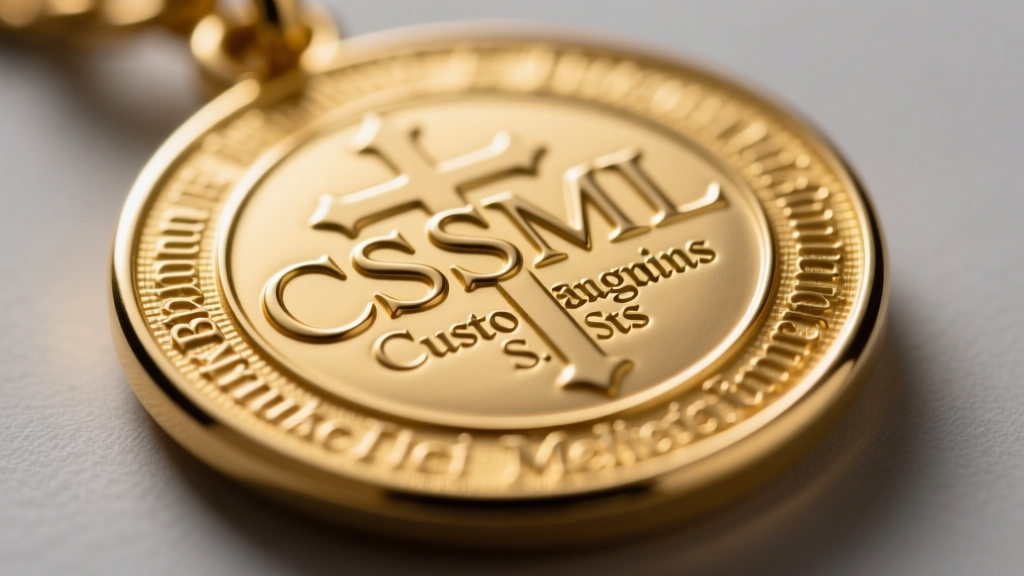
The reverse side features a dominant cross surrounded by initials. According to historical Catholic archives, these letters form specific Latin prayers of exorcism and protection:
- C.S.P.B.: Crux Sancti Patris Benedicti (The Cross of our Holy Father Benedict).
- C.S.S.M.L. - N.D.S.M.D.: Crux Sacra Sit Mihi Lux - Non Draco Sit Mihi Dux (May the holy cross be my light - May the dragon never be my overlord).
- V.R.S.N.S.M.V. - S.M.Q.L.I.V.B.: Vade Retro Satana! Nunquam Suade Mihi Vana - Sunt Mala Quae Libas. Ipse Venena Bibas (Begone Satan! Never tempt me with your vanities - What you offer me is evil. Drink the poison yourself!).
Choosing the Right Metal for Daily Wear
Because a St. Benedict necklace is often worn 24/7 as a protective sacramental, the metal you choose must withstand sweat, water, and friction. Here is a breakdown of the most common materials used in 2026, based on durability data from the Gemological Institute of America (GIA).
| Metal Type | Avg. Price Range | Durability & Tarnish | Best For |
|---|---|---|---|
| 925 Sterling Silver | $35 - $90 | Soft (Mohs 2.5). Tarnishes with exposure to sulfur and sweat. | Budget-conscious buyers willing to polish regularly. |
| 14k Solid Gold | $250 - $800+ | Highly durable (Mohs 3.5-4). Tarnish-resistant and hypoallergenic. | Lifetime daily wear, sensitive skin, and heirloom gifting. |
| 316L Stainless Steel | $15 - $45 | Extremely hard (Mohs 5.5). Waterproof, rust-proof, and scratch-resistant. | Active lifestyles, shower/swim wear, and strict budgets. |
| Gold Vermeil | $60 - $130 | Silver base with 2.5µm gold plating. Plating wears off in 1-2 years. | Occasional wear or fashion-forward layering. |
Expert Tip: Avoid cheap 'zinc alloy' or 'Tibetan silver' medals often found on dropshipping sites. These contain high levels of nickel and lead, which can cause severe contact dermatitis when worn against the chest wall during hot weather.
Chain Lengths and Pendant Proportions
A common mistake beginners make is pairing a heavy, oversized medal with a flimsy chain, resulting in a broken necklace and a lost pendant. St. Benedict medals typically come in two main sizes: 15mm (dime-sized) and 25mm (quarter-sized). Matching the chain gauge to the medal weight is critical.
For 12mm - 15mm Medals (Lightweight)
- Recommended Chain: 1.0mm to 1.2mm Box Chain or Cable Chain.
- Length: 18 inches is the standard for women, resting perfectly on the collarbone. For men, a 20-inch chain sits just below the neckline.
- Clasp: A standard 5mm spring ring is sufficient.
For 18mm - 25mm Medals (Heavyweight)
- Recommended Chain: 1.5mm to 2.2mm Franco Chain, Rope Chain, or Wheat Chain. These weaves distribute weight evenly and resist kinking.
- Length: 20 to 24 inches. A 24-inch chain allows the heavier medal to rest on the sternum, which is the traditional placement for larger religious sacramentals.
- Clasp: Always opt for a lobster claw clasp (at least 10mm) for security.

Care, Cleaning, and Maintenance
Because the St. Benedict medal features deep, intricate engravings (especially the tiny Latin letters on the reverse), dirt, dead skin cells, and lotion can easily become trapped in the crevices, dulling the relief.
How to Clean Your Medal Safely
- The Soak: Mix a few drops of mild, phosphate-free dish soap (like Dawn) into a bowl of lukewarm water. Let the necklace soak for 10 minutes.
- The Brush: Use a baby-soft toothbrush to gently agitate the crevices. Never use a hard-bristled brush on sterling silver or gold vermeil, as you will scratch the metal or strip the plating.
- The Dry: Rinse thoroughly and pat dry with a microfiber cloth. Ensure the jump ring (the loop connecting the medal to the chain) is completely dry to prevent localized rusting in silver alloys.
A Warning on Ultrasonic Cleaners: While ultrasonic cleaners are fantastic for plain diamond bands, they can be destructive to religious medals that feature oxidized detailing (the intentional blackening of the background to make the silver relief pop) or enamel fills. The high-frequency vibrations will strip the oxidation right out, leaving your medal looking flat and washed-out.
Final Thoughts on Layering in 2026
The modern approach to wearing a St. Benedict necklace often involves layering. If you are styling a 15mm sterling silver medal, try pairing it with a 16-inch delicate pearl choker and a 20-inch plain silver herringbone chain. This creates a textured, curated look that blends deep personal faith with contemporary jewelry aesthetics. Ultimately, the best necklace is one that fits your lifestyle, respects your budget, and serves as a daily reminder of the light and protection it represents.


