Stainless Steel Rosary Necklace Buying Guide: What to Look For
Discover what to look for in a stainless steel rosary necklace. Compare 316L vs 304 grades, link durability, and bead materials for lasting wear.

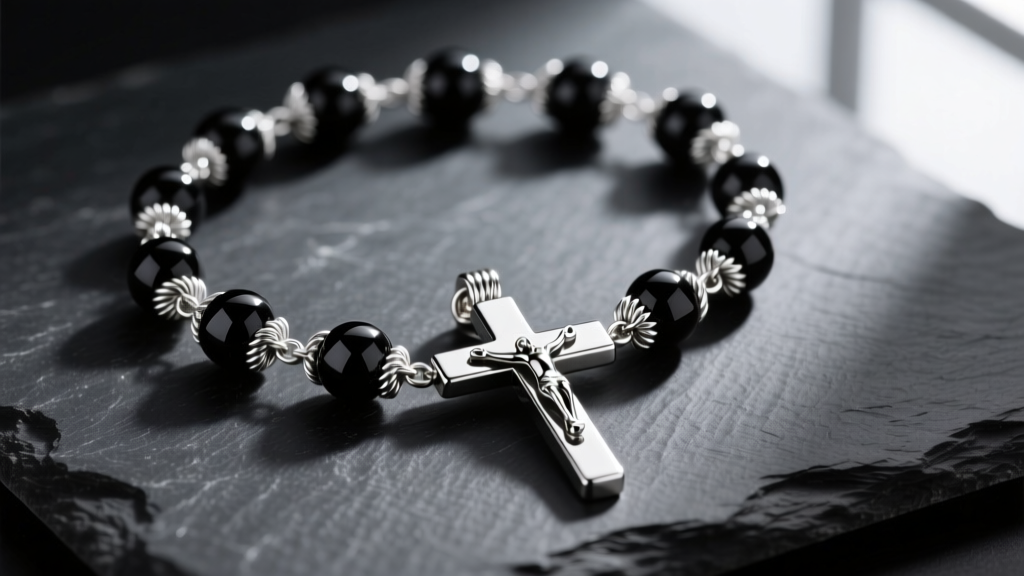
For those seeking a daily-wear piece of devotion or a durable fashion accessory, a stainless steel rosary necklace offers an unmatched combination of resilience, affordability, and modern aesthetics. Unlike traditional precious metals that require constant polishing or base metals that oxidize and turn the skin green, high-quality stainless steel is engineered to withstand the rigors of everyday life. However, not all stainless steel jewelry is created equal. As we navigate the market in 2026, understanding the metallurgical nuances, structural integrity, and craftsmanship details is essential for making an informed purchase.
Why Choose Stainless Steel for a Rosary?
A rosary necklace is subjected to constant friction, body oils, environmental moisture, and occasional pulling. Sterling silver, while beautiful, has a Vickers Hardness (HV) of roughly 60-100 HV, making it prone to bending and scratching. Stainless steel, by contrast, boasts a hardness rating between 150-190 HV. This means the wire links will not easily deform, and the surface will resist micro-abrasions that lead to dullness. Furthermore, stainless steel is entirely waterproof, allowing you to wear your rosary in the shower, at the gym, or while swimming without fear of tarnish or rust.
Decoding the Alloys: 316L vs. 304 Stainless Steel
The most critical factor in your buying decision is the specific alloy used by the manufacturer. The jewelry market primarily utilizes two grades of stainless steel, and knowing the difference will save you from premature corrosion.
316L (Surgical Grade)
This is the gold standard for premium body jewelry and high-end rosaries. The 'L' stands for low carbon, which enhances its weldability and structural integrity. More importantly, 316L contains 2-3% molybdenum. According to Beyond 4Cs Stainless Steel Overview, molybdenum drastically increases resistance to chlorides. If you sweat heavily or swim in pools, 316L will resist pitting and corrosion. It is also highly hypoallergenic, making it safe for those with nickel sensitivities.
304 (Commercial Grade)
Often found in budget-friendly, mass-produced rosaries, 304 stainless steel lacks molybdenum. While it is still highly durable and rust-resistant in normal conditions, prolonged exposure to high-salinity environments (like ocean water or heavy sweat) can cause microscopic pitting over time. If you plan to wear your rosary strictly as an outerwear fashion piece, 304 is acceptable, but 316L is vastly superior for skin-contact wear.
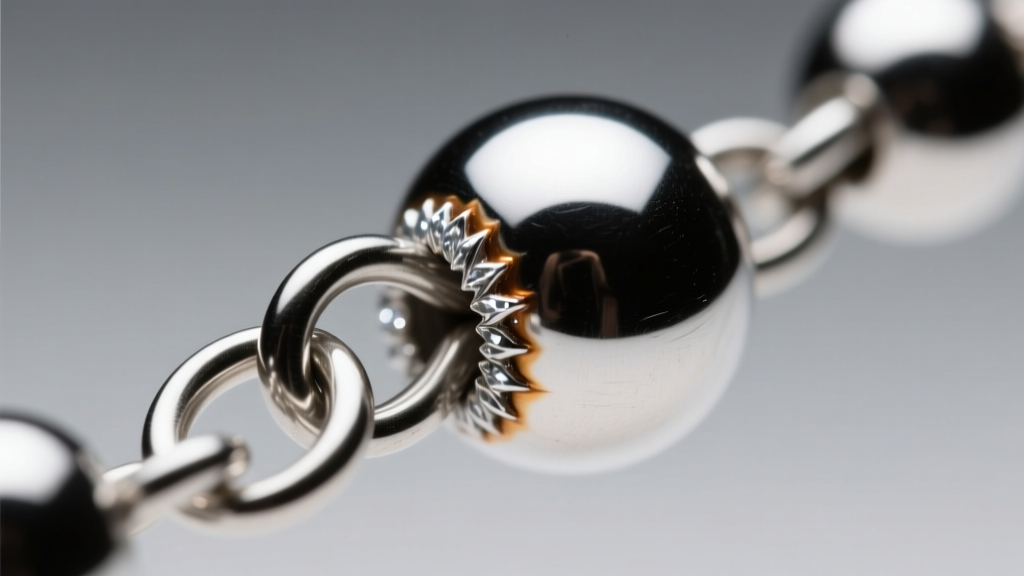
Anatomy of a Durable Rosary Necklace
The longevity of a stainless steel rosary necklace relies heavily on its physical construction. A weak link in the chain compromises the entire piece.
Wire Gauge and Link Construction
Wire thickness is measured in gauges; the lower the number, the thicker the wire. For the main chain and the decades of a rosary, you want a wire thickness between 20-gauge (0.81mm) and 22-gauge (0.64mm). As noted in Halstead Bead's Wire Gauge Guide, 22-gauge wire provides the perfect balance of flexibility for draping and tensile strength to prevent snapping. For wire-wrapped beads, artisans typically use 24-gauge or 26-gauge wire to ensure tight, secure wraps without adding excessive bulk.
Critical Failure Point: Inspect the jump rings (the small circles connecting the beads and links). In cheap rosaries, these are simply bent shut. Under tension, they will pull apart, causing bead loss. Always look for soldered jump rings, where the seam is fused shut with heat, creating a continuous, unbreakable loop.
Bead Materials: Metal vs. Glass vs. Wood
- Stainless Steel Beads: Offer a uniform, heavy, and indestructible aesthetic. They will never chip, but they can feel cold against the skin and add significant weight to the neck.
- Czech Glass or Crystal: The traditional choice for rosaries. They provide beautiful light refraction and a classic tactile feel. Ensure the wire wrapping is padded or smoothly finished to prevent the hard steel wire from eventually sawing through the fragile glass hole.
- Olivewood or Rosewood: Authentic and deeply traditional, but organic woods will degrade, crack, or darken unevenly when exposed to the oils and sweat trapped against a steel wire core.
Comparison Chart: Stainless Steel vs. Alternative Metals
| Metal Type | Tarnish Resistance | Hypoallergenic | Avg. Price Range | Best Use Case |
|---|---|---|---|---|
| 316L Stainless Steel | Excellent | Yes | $35 - $120 | Everyday skin-contact wear, active lifestyles |
| Sterling Silver (925) | Poor (Requires polishing) | Mostly | $80 - $250 | Heirloom pieces, occasional formal wear |
| Titanium (Grade 23) | Excellent | Yes | $60 - $180 | Ultra-lightweight needs, severe metal allergies |
| Zinc Alloy / Brass | Very Poor | No | $10 - $25 | Short-term costume jewelry |
Sizing, Lengths, and the Crucifix Drop
A rosary necklace functions differently than a standard pendant chain due to the 'drop'—the vertical section of beads and the crucifix that hangs below the main loop. Getting the proportions right is vital for both comfort and aesthetics.
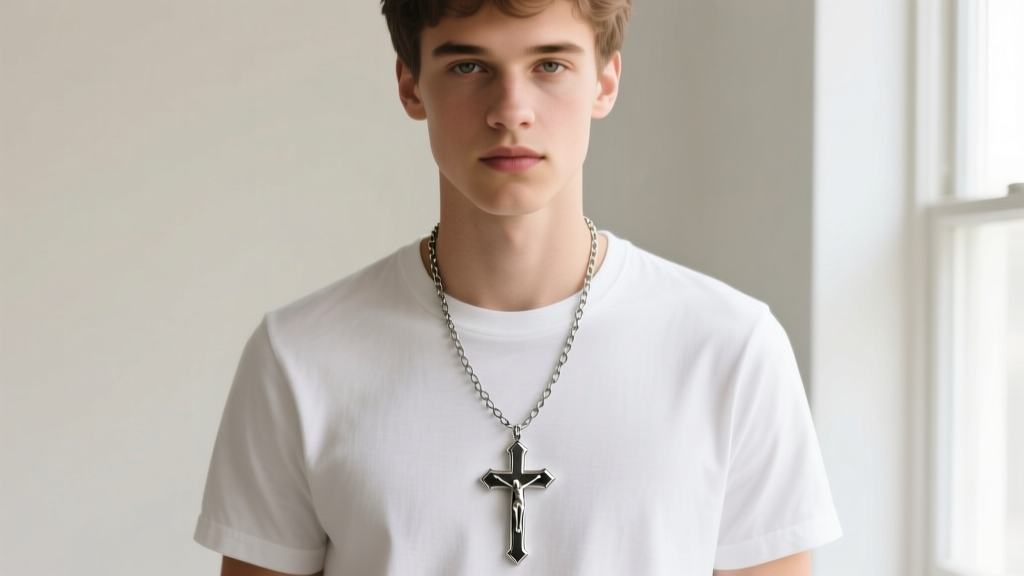
- 18 to 20 Inches (Choker/Collarbone): Best suited for smaller, minimalist rosaries with a short 2-inch drop. Ideal for wearing under button-down shirts or with high necklines.
- 24 Inches (Mid-Chest): The most versatile and popular length for men and women. It allows the main loop to rest comfortably over a standard t-shirt, with the crucifix drop landing near the lower sternum or solar plexus.
- 28 to 32 Inches (Long Drape): Designed for over-the-clothing wear, such as over a hoodie or sweater. Ensure the wire gauge is slightly thicker (20-gauge) at these lengths to support the increased leverage and swinging weight.
Maintenance and Failure Modes to Avoid
While stainless steel is virtually maintenance-free regarding tarnish, mechanical failures can still occur. The most common point of failure on any necklace is the clasp. Avoid 'spring ring' clasps, which feature a tiny, fragile internal spring that easily snaps or gets stuck. Instead, insist on a lobster clasp. Lobster clasps offer a wider, more secure gate and a heavier-duty spring mechanism capable of supporting the weight of a metal crucifix.
For cleaning, avoid harsh chemical dips or bleach, which can degrade the polished finish. Simply use warm water, a drop of mild dish soap, and a soft microfiber cloth. If your rosary features glass beads, an ultrasonic jewelry cleaner is safe for the steel but may shatter the glass due to high-frequency vibrations; stick to manual wiping for mixed-material pieces.
Final Verdict: Sourcing Quality Pieces
When shopping for a stainless steel rosary necklace, prioritize transparency from the seller. Look for explicit mentions of '316L Surgical Steel' rather than vague terms like 'premium metal' or 'silver-colored steel.' Examine product macro-photography for soldered jump rings and secure wire wraps. By focusing on the alloy grade, wire gauge, and clasp mechanics, you will secure a piece of jewelry that honors its spiritual or aesthetic purpose while enduring a lifetime of daily wear.


