How to Craft a Stardew Valley Necklace Bathhouse Replica
Learn how to craft a custom Stardew Valley necklace bathhouse replica using wire wrapping, copper patina, and raw crystals in this step-by-step guide.

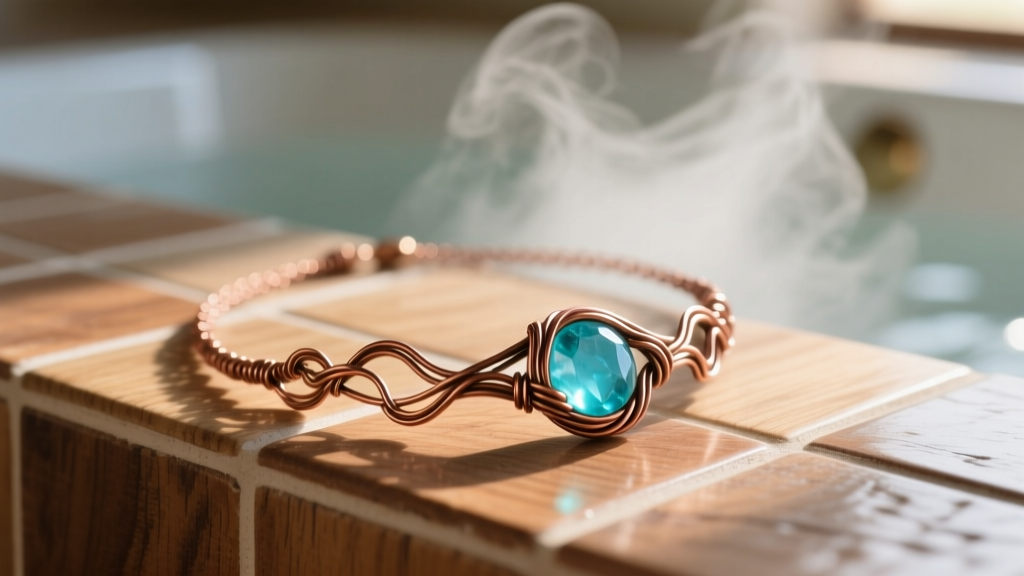
The Stardew Valley Spa is a sanctuary for weary farmers, offering a place to restore energy and find tranquility. For fans of the game, capturing the cozy, restorative essence of this location in real-world jewelry is a deeply rewarding project. Creating a custom Stardew Valley necklace bathhouse tribute requires blending rustic, earthy metallurgy with the serene, watery aesthetics of the in-game spa. In this comprehensive guide, we will walk through the exact jewelry-making techniques required to design, wire-wrap, and oxidize a copper and raw crystal pendant that perfectly channels the Pelican Town bathhouse vibe.
The Stardew Valley Bathhouse Aesthetic: Material Selection
Before picking up your pliers, you must source materials that reflect the Stardew Valley Spa environment. The bathhouse features warm wooden tones, copper fixtures, and soothing blue water. To replicate this, we will use raw, unpolished gemstones and dead-soft copper wire.
Choosing the Right Gemstones
The focal point of your necklace should mimic the mineral-rich waters of the spa. Raw Aquamarine or Blue Lace Agate are the top choices. Aquamarine (Mohs hardness 7.5-8) offers a striking, translucent sea-foam blue that catches the light beautifully, while Blue Lace Agate (Mohs 6.5-7) provides opaque, calming bands of pale blue. Because we are wire wrapping, avoid heavily polished or perfectly symmetrical cabochons; raw, rough-cut stones with natural pitting and asymmetrical edges evoke the feeling of mining and geode-cracking central to the Stardew Valley gameplay loop.
Wire and Metal Specifications
Copper is the primary metal used in the game's early crafting recipes and perfectly matches the warm, rustic tones of the bathhouse interior. According to Rio Grande Jewelry Supply, dead-soft copper is the ideal temper for intricate wire weaving because it requires minimal annealing and is gentle on the hands during long wrapping sessions.
- Core/Frame Wire: 20-gauge (0.81mm) dead-soft round copper wire. This provides the structural integrity needed to hold a heavy raw stone without bending out of shape.
- Weaving Wire: 24-gauge (0.51mm) or 26-gauge (0.40mm) dead-soft round copper wire. This thinner wire will be used to create intricate woven patterns around the thicker frame.
- Chain: A 20-inch oxidized copper rolo chain (3mm links) to maintain the rustic aesthetic.
Step-by-Step Wire Wrapping Tutorial
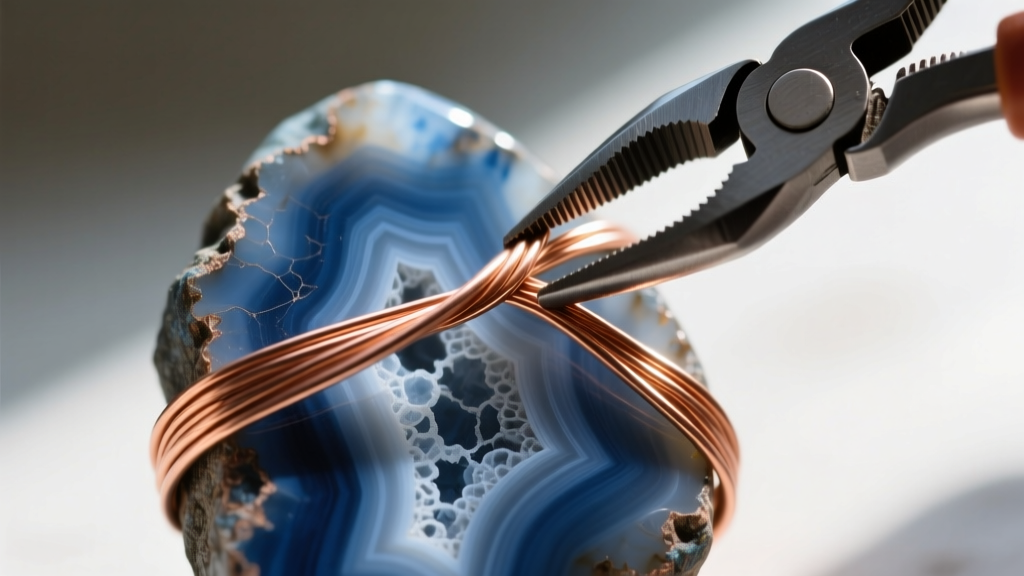
Wire wrapping is a foundational jewelry technique that relies on tension and mechanical locks rather than solder or glue. We will use a modified "figure-8" weave to secure the stone and create a decorative halo that mimics the swirling steam of the bathhouse.
Step 1: Preparing the Copper Frame
Cut two 6-inch lengths of your 20-gauge core wire. Align them perfectly parallel to one another, leaving a 2mm gap between them. Cut a 3-foot length of your 24-gauge weaving wire. Anchor the weaving wire to the bottom of the two core wires by wrapping it tightly three times. Begin a standard figure-8 weave: pass the thin wire over the first core wire, through the middle gap, under the second core wire, and back through the middle. Maintain consistent tension. If the wire hardens and becomes brittle, you may need to anneal it with a butane torch, though dead-soft 24g copper usually lasts through a 1-inch weave without issue.
Step 2: Securing the Geode
Place your raw aquamarine stone against the woven base. Gently bend the two 20-gauge core wires upward to cradle the sides of the stone. Because raw stones are asymmetrical, you must mold the wire to the specific contours of your gem. Use nylon-jaw pliers to press the wire firmly into the natural crevices of the stone, ensuring a tight mechanical grip. Avoid using metal-jawed pliers directly on the copper, as they will mar the surface and ruin the final finish.
Step 3: Creating the Bail and Halo
Once the stone is secured, bring the two core wires together at the top of the pendant. Use round-nose pliers to form a tight, symmetrical loop (the bail) through which your chain will pass. Wrap the remaining wire tails tightly around the base of the bail to reinforce it, then trim the excess with flush cutters. Tuck the sharp wire ends neatly against the back of the pendant using a burnishing tool so they do not scratch the wearer's skin.
Antiquing and Patina: Achieving the Rustic Spa Look
Bright, shiny copper looks too modern for a Stardew Valley aesthetic. To give your necklace the weathered, historic feel of an old bathhouse fixture, you must apply a chemical patina. Ganoksin, a leading authority on jewelry fabrication, highly recommends Liver of Sulfur (LOS) for achieving deep, controlled oxidation on copper and silver.
Mixing and Applying Liver of Sulfur
Liver of Sulfur is a mixture of potassium sulfide and other sulfur compounds that reacts with copper to create a dark, oxidized layer. To mix your solution, drop a pea-sized piece of LOS gel or dry lump into a glass jar containing one cup of warm (not boiling) water. Stir with a wooden or plastic stick until fully dissolved. Ensure you are working in a well-ventilated area, as the solution emits a strong sulfur (rotten egg) odor.
Submerge your cleaned, grease-free copper pendant into the solution. The copper will rapidly change colors as the oxidation layer thickens. Use the chart below to determine when to pull your piece from the bath.
| Time in Solution | Oxidation Color Stage | Best Use Case |
|---|---|---|
| 10 - 20 Seconds | Golden Yellow / Straw | Light antiquing, subtle warmth |
| 30 - 45 Seconds | Purple / Peacock Blue | Vibrant accents (unstable long-term) |
| 1 - 2 Minutes | Dark Gunmetal Grey / Black | Heavy rustic aging, high contrast |
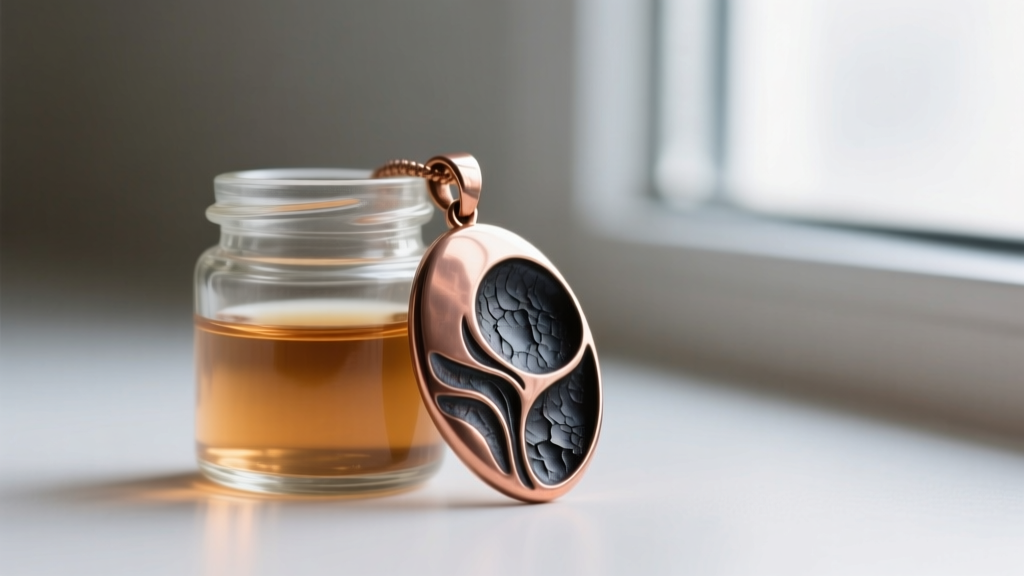
For the ultimate bathhouse aesthetic, aim for the Dark Gunmetal Grey stage. Once achieved, immediately remove the pendant and plunge it into a bowl of cold water mixed with a tablespoon of baking soda to neutralize the chemical reaction and halt the oxidation process.
Sealing and Chain Assembly
Raw liver of sulfur patina is fragile and will rub off onto the wearer's skin or clothing if left untreated. You must selectively polish and seal the piece.
Selective Polishing
Using 0000-grade super fine steel wool or a jewelry polishing cloth, gently buff the high points of your wire weave and the bail. This removes the black oxidation from the raised areas, leaving it trapped in the deep recesses of the figure-8 weave. This high-contrast technique highlights the intricate wirework while maintaining the aged, subterranean feel of the Stardew Valley mines and spa.
Sealing the Metal
To lock in the patina and prevent the copper from reacting with the natural oils and acidity of the wearer's skin (which can cause a green tint), apply a micro-crystalline wax. Renaissance Wax is the industry standard for museum-quality preservation. Apply a thin, even coat with a soft lint-free cloth, let it dry for five minutes, and buff it to a soft, satin sheen. Avoid getting the wax on your raw aquamarine stone, as it can dull the crystal's natural luster.
Troubleshooting Common Wire Wrapping Issues
Even experienced jewelers encounter issues when working with raw materials. Here is how to troubleshoot common problems during your build:
- Wire Breaking During Weaving: This happens when the copper work-hardens beyond its tensile limit. If you feel the wire becoming stiff and springy, stop and anneal it, or simply cut the weaving wire, tuck the end, and start a new piece hidden behind the core wires.
- Stone Slipping in the Frame: Raw stones lack the uniform curves of cut gems. If your stone is slipping, use a needle file to carve a tiny notch into the back of the stone where the core wire rests, creating a mechanical lock.
- Patchy Patina: If the LOS patina applies unevenly, the copper was not properly cleaned prior to dipping. Wash the piece in warm water with a drop of dish soap and a soft toothbrush, rinse thoroughly, and avoid touching the metal with bare fingers before the chemical bath.
Final Thoughts on Geeky Jewelry Crafting
Crafting a Stardew Valley necklace bathhouse replica is about more than just replicating a digital asset; it is about translating the feeling of a cozy, restorative gaming experience into a tangible, wearable piece of art. By mastering dead-soft copper wire wrapping and chemical oxidation, you elevate standard cosplay accessories into high-quality, artisanal jewelry. Whether you are gifting this to a fellow farmer or keeping it as a personal talisman for energy restoration, the meticulous attention to material grades and finishing techniques ensures your pendant will endure through every season in the valley.


