Steampunk Necklace Materials: Brass, Copper and Steel Compared
Compare brass, copper, and steel for your next steampunk necklace. Expert guide on metal alloys, leather types, patinas, and skin safety.

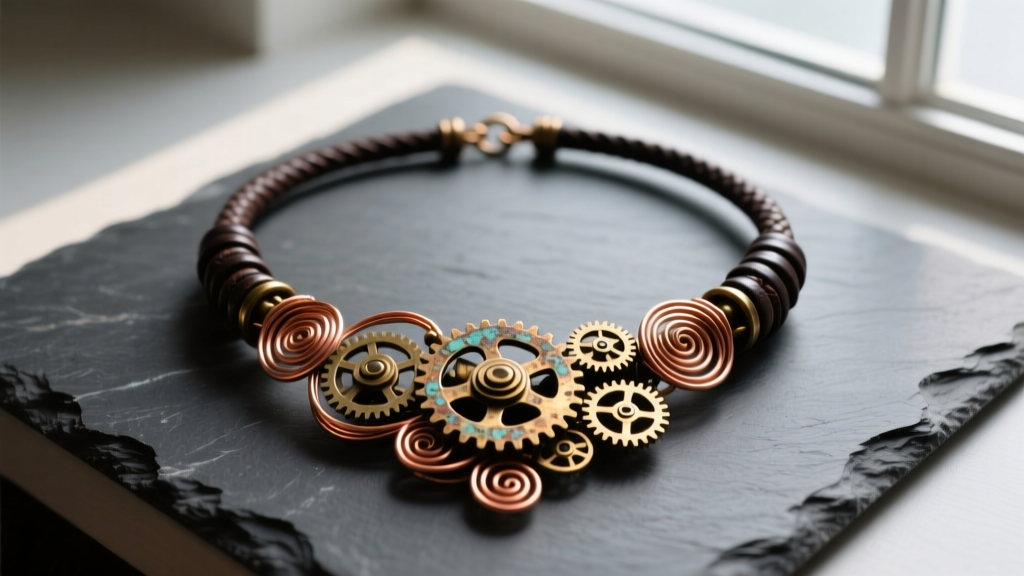
Building a high-quality steampunk necklace requires far more than simply gluing vintage watch parts to a chain. The Victorian-industrial aesthetic relies heavily on mixed media, but the metallurgical and structural realities of these materials dictate whether your piece will become a cherished heirloom or a tarnished, skin-irritating disappointment. As we move through 2026, artisan jewelers and serious collectors demand a deeper understanding of material properties, oxidation rates, and ergonomic weight distribution.
Whether you are sourcing components or crafting from scratch, understanding the exact alloys, leather tanning processes, and chemical patinas is critical. This guide breaks down the core materials used in steampunk jewelry, providing actionable data on durability, skin safety, and structural integrity.
The Core Metals: Brass, Copper, and Steel
The foundation of any authentic steampunk aesthetic lies in its metals. However, not all brass or copper is created equal. Choosing the wrong alloy can lead to structural failure or severe contact dermatitis. According to Rio Grande, a premier jewelry supplier, understanding the elemental breakdown of your base metals is the first step in professional fabrication.
| Alloy Designation | Vickers Hardness (HV) | Tarnish Rate | Nickel Content | Best Application |
|---|---|---|---|---|
| C260 Cartridge Brass | 150 HV (Half-Hard) | High | Trace (Moderate Risk) | Stamped gears, structural plates |
| C110 ETP Copper | 40-110 HV (Temper Dependent) | Extreme | Zero | Wire-wrapping, rivets, bezels |
| 316L Surgical Steel | 160-200 HV | Negligible | Locked in Matrix (Safe) | Clasps, jump rings, structural cores |
C260 Cartridge Brass vs. Standard Brass
Many cheap, mass-produced steampunk pendants use scrap brass that contains unpredictable levels of nickel and lead. For jewelry that touches the skin, you must specify C260 Cartridge Brass (70% copper, 30% zinc). It offers superior malleability for stamping intricate gear patterns without cracking. However, because it lacks nickel, it is generally safer for sensitive skin, though the high copper content can still cause temporary green staining on the skin due to chelation with sweat acids.
C110 Copper for Wire Wrapping
C110, or Electrolytic Tough Pitch (ETP) copper, is 99.9% pure. It is the undisputed king of wire-wrapping for securing pocket watch movements and dichroic glass. Dead-soft C110 wire (typically 20-gauge or 0.81mm) work-hardens beautifully as you wrap, locking components in place without the need for soldering.
316L Stainless Steel for Hardware
While brass and copper provide the visual warmth of the steampunk aesthetic, they are mechanically weak under high tensile stress. The CDC guidelines on nickel exposure highlight that while 316L steel contains nickel, it is tightly bound within the crystalline matrix, making it highly hypoallergenic. Always use 316L for lobster clasps and primary jump rings to prevent catastrophic pull-apart failures.
Leather and Textile Foundations
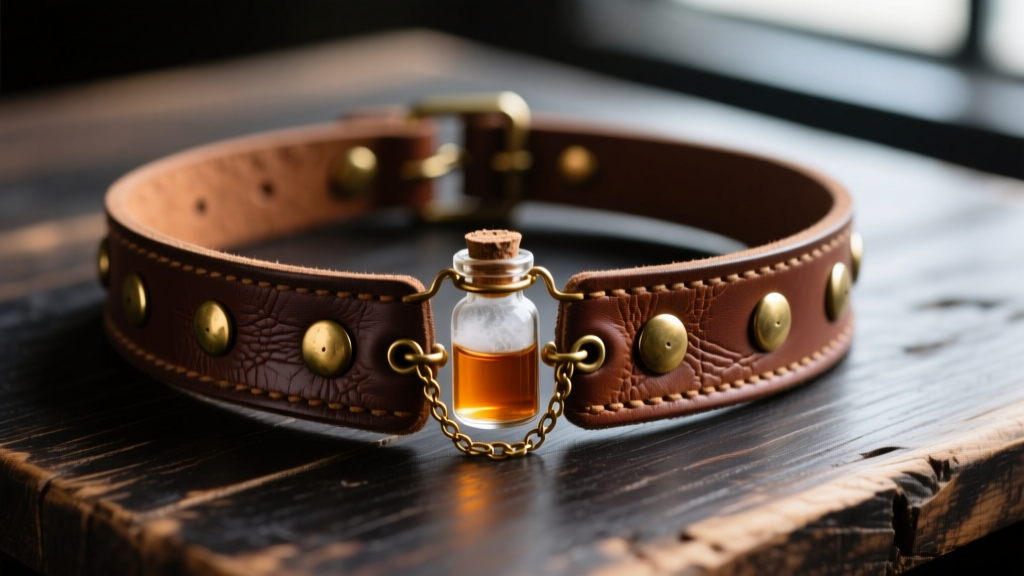
A heavy brass pendant cannot simply hang from a flimsy cord. The structural foundation of a steampunk necklace often relies on leather, but the tanning process drastically alters its longevity and skin safety.
- Vegetable-Tanned Leather (Veg-Tan): Tanned using natural tannins from tree bark. It is highly reactive to dyes, stamps, and chemical patinas. A 3-4mm (8-10 oz) veg-tan collar provides the rigid structure necessary to support heavy gear clusters without warping. It is also generally hypoallergenic.
- Chrome-Tanned Leather: Tanned using chromium salts. It is softer, more water-resistant, and available in vibrant colors. However, it cannot be tooled or stamped, and cheap chrome-tan can cause severe reactions in individuals with heavy metal sensitivities. Avoid using chrome-tan for tight-fitting chokers.
- Waxed Cotton Cord: For lighter pendants (under 30 grams), 2mm waxed cotton cord offers a vintage, utilitarian look. Ensure the cord is sealed with a microcrystalline wax to prevent sweat degradation.
Oxidation, Patina, and Sealing Techniques
The "aged" look of a steampunk necklace is rarely accidental; it is the result of controlled chemical oxidation. Raw brass and copper will oxidize unevenly and smell metallic when in contact with skin. Artisans use specific chemical baths to force a uniform, stable patina.
Liver of Sulfur (LOS) Application
Liver of Sulfur (potassium sulfide) is the industry standard for darkening copper and brass. To achieve a rich, dark mahogany tone that highlights stamped gear teeth, mix a pea-sized amount of LOS gel into one cup of hot (not boiling) water. Submerge the metal for 30 to 60 seconds. Once the desired darkness is reached, quench the metal in cold water and immediately use a fine abrasive pad to polish the high points, leaving the recesses dark.
Sealing the Patina
"A patina is only as good as its sealant. Without a proper barrier, the friction of clothing and the acidity of human skin will strip a liver of sulfur finish in less than a week of daily wear."
To lock in the finish, apply a microcrystalline wax (like Renaissance Wax) or a specialized jewelry sealant like ProtectaClear. ProtectaClear is a polyurethane-based coating that cures to an invisible, skin-safe barrier, completely eliminating the "green skin" effect associated with raw copper.
Glass, Resin, and Accent Materials
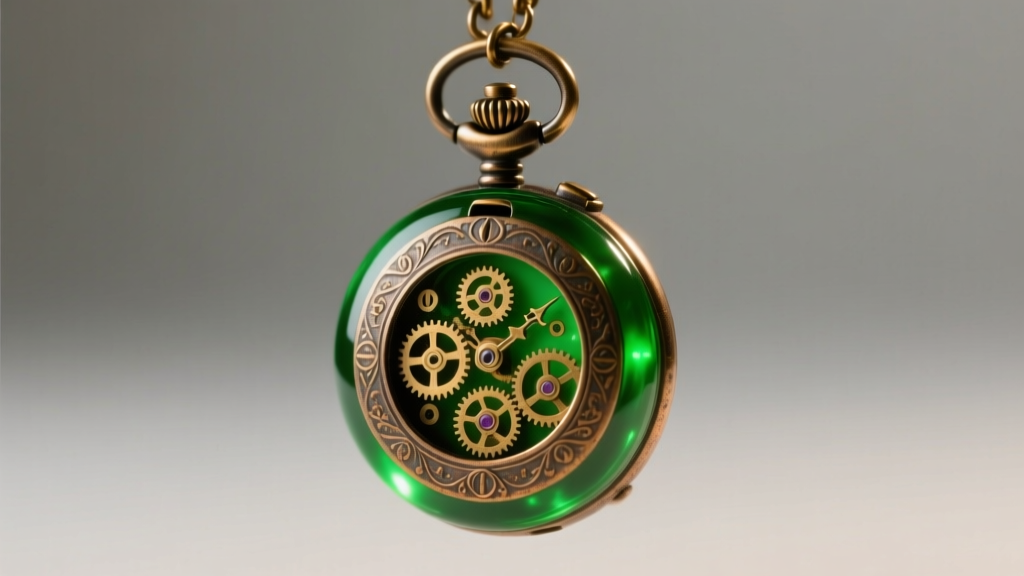
Steampunk jewelry frequently incorporates "potions," lenses, and illuminated elements. The choice between glass and resin impacts both the weight and the fragility of the necklace.
Dichroic Glass vs. Epoxy Resin
Dichroic glass, originally developed for aerospace applications, features micro-layers of quartz and metal oxides that reflect vibrant, shifting colors. It is highly scratch-resistant but brittle. A 10mm dichroic glass cabochon set in a brass bezel adds a premium, high-tech Victorian feel. Conversely, deep-cast epoxy resin is ideal for creating "potion vials" or encapsulating tiny clockwork gears. Resin is virtually shatterproof and significantly lighter than glass, making it the superior choice for massive, multi-layered pendants that would otherwise cause neck strain.
Weight Distribution and Ergonomics
The most common failure in amateur steampunk jewelry design is poor ergonomics. A complex pendant featuring brass cogs, copper wire, and a glass vial can easily exceed 120 grams. Hanging this weight from a thin 3mm chain will cause severe cervical strain and skin abrasion.
To engineer a comfortable steampunk necklace, you must employ a tapered leather collar. The collar should be 25mm to 30mm wide at the nape of the neck to distribute the downward force over a larger surface area of the trapezius muscles, tapering down to 12mm at the front where the pendant attaches. Additionally, incorporate a "counterweight" bead or metal cylinder at the back clasp to prevent the heavy pendant from constantly pulling the necklace forward and choking the wearer.
Hardware and Structural Findings
When assembling heavy mixed-media components, standard jewelry findings will fail. You must upgrade your hardware to match the industrial aesthetic and the mechanical load.
- Jump Rings: Never use standard split rings for pendants over 50 grams. Use 16-gauge (1.29mm) or 14-gauge (1.63mm) stainless steel jump rings. For a seamless look, learn to silver-solder your brass jump rings shut using a micro-torch and easy-flow solder paste.
- Rivets: Instead of glue, use 1.5mm copper or brass rivets to attach leather to metal plates. A proper rivet set with a burr will hold tensile loads far exceeding what cyanoacrylate (super glue) can withstand, which becomes brittle and shatters under impact.
- Bails: Avoid soldered bails for heavy pieces. Use a heavy-duty "V-bail" or a custom-forged copper wire wrap that anchors directly into the leather collar via rivets, bypassing the weak point of a traditional chain loop.
By respecting the metallurgical properties of C260 brass and C110 copper, utilizing proper veg-tan leather, and engineering for ergonomic weight distribution, you elevate the steampunk necklace from a simple costume accessory to a masterclass in wearable industrial art.


