The Stella and Dot Coin Necklace: Base Metal & Plating Guide
An expert metallurgical breakdown of the Stella and Dot coin necklace, analyzing brass base metals, gold plating thickness, and clasp durability.


The Metallurgy of Fashion Jewelry: Base Metal Analysis
The Stella and Dot coin necklace has remained a ubiquitous staple in the direct-selling fashion jewelry market for years. Its vintage-inspired aesthetics, customizable initial or zodiac motifs, and accessible price point make it a go-to layering piece for stylists and everyday wearers alike. However, beneath the lustrous gold-tone finish lies a complex assembly of base metals, electrochemical coatings, and mechanical linkages. As jewelry manufacturing evolves in 2026, understanding the technical specifications of fashion jewelry is crucial for making informed purchasing decisions and managing consumer expectations. This expert deep dive dissects the metallurgy, plating chemistry, and structural integrity of this iconic accessory, moving beyond marketing terminology to examine the physical realities of its construction.
At the core of the Stella and Dot coin necklace is the base metal. Unlike fine jewelry brands that cast in sterling silver or solid gold, fashion jewelry relies heavily on brass alloys to balance cost, weight, and manufacturability. Specifically, manufacturers typically utilize C26000 cartridge brass, an alloy composed of approximately 70% copper and 30% zinc. This specific ratio is chosen for its exceptional ductility and cold-working properties, allowing the coin pendant—usually measuring between 15mm and 25mm in diameter with a 1.5mm gauge thickness—to be stamped with high-definition vintage textures without micro-fracturing. Furthermore, C26000 brass provides a remarkably smooth surface profile, often polished to a 0.2 Ra micrometer finish before plating. This mirror-like substrate is essential for preventing the orange peel effect that occurs when electroplating over porous cast metals. Modern brass alloys used by reputable direct-sales companies are strictly formulated to comply with California Proposition 65 and the EU REACH regulations, ensuring the alloy contains less than 0.05% lead by weight and is entirely nickel-free to prevent contact dermatitis.
Electrochemical Plating and E-Coating Technologies
The golden hue of the Stella and Dot coin necklace is achieved through electroplating, a process where an electrical current is used to reduce dissolved metal cations so that they form a coherent metal coating on an electrode. In modern fashion jewelry, the brass substrate is first cleaned in an ultrasonic alkaline bath, followed by an acid activation dip. A strike layer—often a thin flash of palladium or zinc—is applied to prevent the copper in the brass from migrating through the gold layer and causing a reddish tint over time. According to the Federal Trade Commission Jewelry Guides, the terminology used to describe this plating must accurately reflect its thickness and durability.
Micron Thickness and FTC Compliance
Most fashion coin necklaces in this tier utilize a gold-tone plating that ranges from 0.1 to 0.5 microns in thickness, classified as flash plating. To compensate for the thinness of the precious metal layer and extend the wearable lifespan of the piece, manufacturers apply an electrophoretic lacquer, commonly known as an e-coat. This cathodic electrodeposition of epoxy resins creates a microscopic, transparent barrier that shields the gold layer from oxidation, sulfur exposure, and the acidic pH of human sweat. While the Gemological Institute of America (GIA) notes that true gold vermeil requires a sterling silver base and a minimum of 2.5 microns of gold, the e-coated brass approach offers a highly tarnish-resistant alternative at a fraction of the material cost, provided the lacquer remains intact.
| Specification | Fashion Tier (E-Coated Brass) | Fine Jewelry Tier (Vermeil/Solid) |
|---|---|---|
| Base Metal | C26000 Cartridge Brass | 925 Sterling Silver |
| Gold Thickness | 0.1 - 0.5 Microns | 2.5+ Microns (Vermeil) |
| Protective Layer | Electrophoretic Epoxy (E-Coat) | None (Relies on metal mass) |
| Tarnish Resistance | High (Until e-coat wears) | Moderate (Requires polishing) |
| Average Lifespan | 1 - 3 Years (Daily Wear) | 10+ Years (With care) |
Chain Mechanics: Tensile Strength and Link Integrity
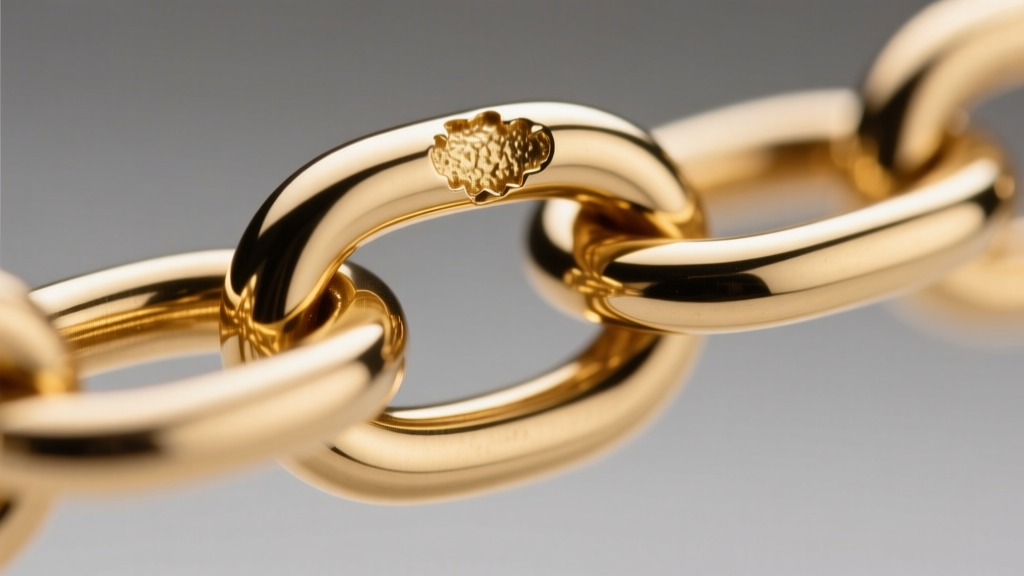
The chain accompanying the Stella and Dot coin necklace is typically a standard cable chain, measuring between 1.2mm and 1.5mm in width. From a mechanical engineering perspective, the tensile strength of a 1.2mm unsoldered brass cable chain is approximately 4 to 6 pounds of force before individual links begin to deform or pull apart. Because the links are machine-formed and left unsoldered to maintain manufacturing efficiency, the chain is highly susceptible to snagging. When a pendant catches on a garment, the localized stress exceeds the yield strength of the unsoldered seam, resulting in a broken chain. The gold plating on the chain wire is applied after the links are formed, meaning the interior of the link seams often remains unplated, exposing raw brass to the elements once the chain flexes during wear.
Layering Dynamics and Weight Distribution
When styling the Stella and Dot coin necklace, layering is a common technique that introduces additional mechanical variables. Pairing a 16-inch coin pendant with a 20-inch heavier chain creates friction points where the two chains intersect. The harder e-coated surface of the coin necklace can act as a mild abrasive against softer, unplated chains, or conversely, a heavier pendant can strike the coin edge, chipping the epoxy lacquer. To minimize inter-chain wear, stylists should utilize a layered necklace spacer clasp, which locks multiple chains into parallel alignment, preventing tangling and reducing the kinetic impact between pendants during movement. Understanding these physical interactions ensures that the visual appeal of a layered look does not compromise the structural longevity of the individual pieces.

Clasp Engineering and Failure Points
The closure mechanism is a standard cast lobster clasp, usually measuring 9mm to 11mm in length. While visually cohesive with the gold-tone aesthetic, the internal mechanics of fashion jewelry clasps are a common point of failure. The clasp relies on a tiny internal leaf spring, often made of stainless steel or phosphor bronze, to maintain tension on the lever. Over time, repeated actuation causes spring fatigue, leading to a sluggish return mechanism that fails to fully close against the jump ring. Additionally, the jump ring itself is frequently unsoldered. If the jump ring gap rotates to align with the clasp lever, the necklace can easily slip off. Upgrading to a soldered jump ring or a heavier-duty spring ring can significantly mitigate this mechanical vulnerability.
Maintenance Protocols for E-Coated Brass
Maintaining the structural and aesthetic integrity of an e-coated brass coin necklace requires specific care protocols that differ vastly from fine jewelry maintenance. Because the gold layer is protected by an epoxy resin, traditional silver polishing cloths, ultrasonic cleaners, and chemical dips are strictly prohibited. These abrasive and chemical agents will strip the e-coat, instantly exposing the thin flash plating and underlying brass to rapid oxidation. Instead, cleaning should be restricted to a soft, lint-free microfiber cloth lightly dampened with distilled water and a pH-neutral dish soap. After cleaning, the piece must be thoroughly dried to prevent water spots from etching into the lacquer. Storage should occur in a low-humidity environment, ideally within an anti-tarnish ziplock bag containing a silica gel desiccant packet to absorb ambient moisture.
Expert Insight: Never apply perfume, hairspray, or lotions before putting on an e-coated fashion necklace. The volatile organic compounds (VOCs) and alcohols in cosmetics act as mild solvents that slowly degrade the electrophoretic lacquer, leading to premature peeling and localized brass tarnishing.


