How to Style and Care for Your First Stella Dot Necklace
Discover how to style, layer, and care for your first Stella Dot necklace. Learn about their signature reversible pendants and brass base metals.

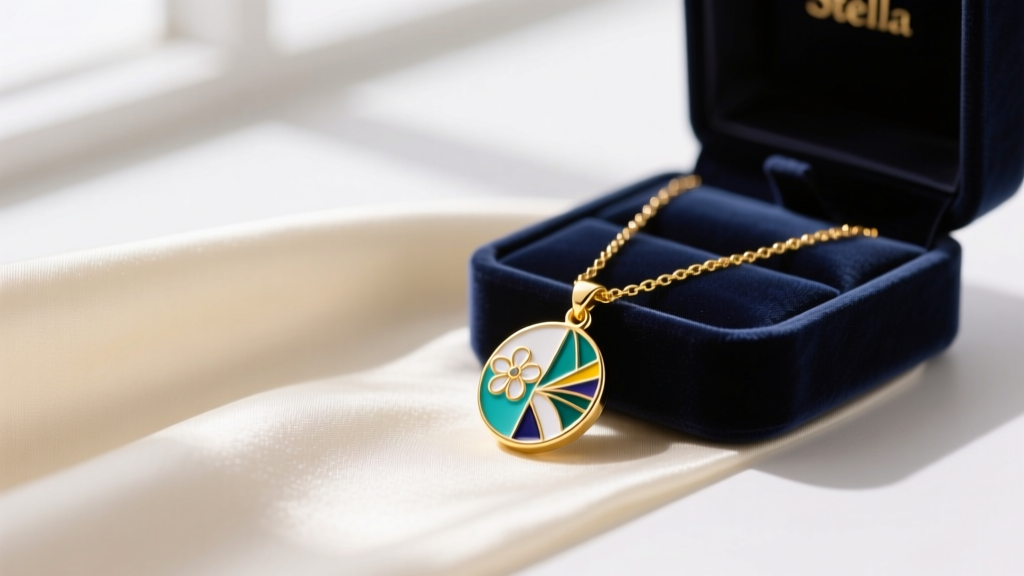
Entering the world of versatile fashion jewelry can feel overwhelming, especially when navigating brand-specific terminology and care requirements. If you have just acquired or are eyeing your first stella dot necklace, you are investing in a brand renowned for its accessible luxury, innovative reversible pendants, and direct-selling community. However, to truly maximize the lifespan and aesthetic appeal of these pieces, you need to understand the metallurgy, engineering, and styling frameworks behind them.
This beginner-friendly explainer will decode the materials, teach you how to master the signature reversible bail, and provide a precise layering system to elevate your everyday wardrobe.
Decoding the Materials: Brass Base and Electroplating
Unlike fine jewelry crafted from solid 14k or 18k gold, a typical Stella & Dot necklace is classified as high-end fashion jewelry. The foundation of most of their chains and pendants is a brass alloy. Brass—an alloy of copper and zinc—is chosen for its excellent malleability, allowing for intricate, detailed casting, and its substantial weight, which gives the jewelry a premium, heavy feel on the neck.
To achieve the gold or silver finish, the brass base undergoes an electroplating process. According to the Federal Trade Commission (FTC) Jewelry Guides, standard gold plating must be at least 0.5 microns thick, while "heavy gold electroplate" must be a minimum of 2.5 microns. Stella & Dot typically utilizes a thick flash plating over a palladium or rhodium barrier layer. This barrier is critical: it prevents the copper in the brass base from migrating to the surface, which is the primary culprit behind the dreaded "green neck" effect and premature tarnishing.
Silver-Tone Alternatives
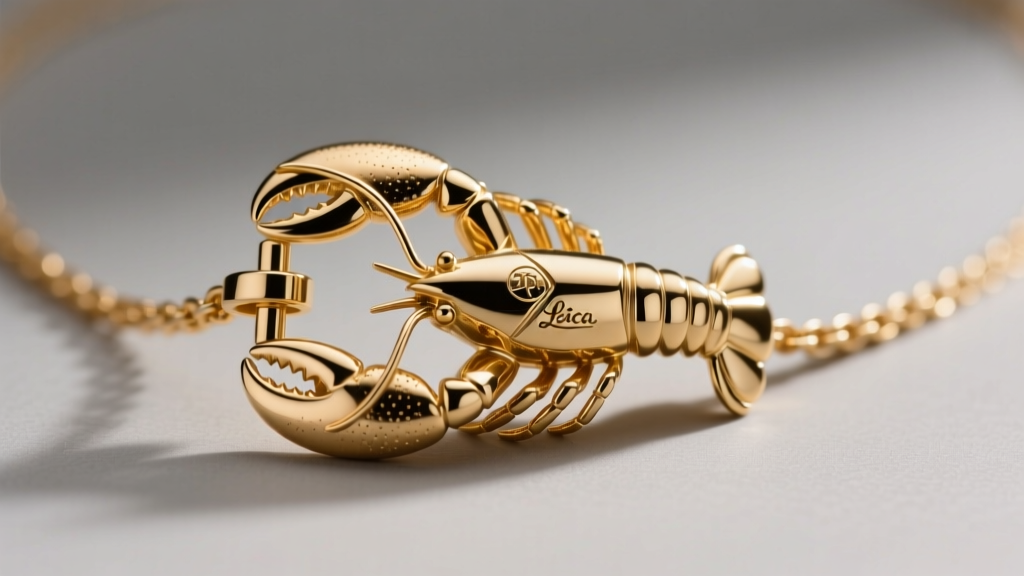
For silver-tone pieces, the brass is plated with sterling silver and then dipped in rhodium. Rhodium is a platinum-group metal that provides a brilliant, mirror-like finish and acts as a highly durable shield against oxidation. Understanding this layered metallurgy is the first step in learning how to properly maintain your jewelry.
The Engineering of the Reversible Pendant
The hallmark of a stella dot necklace is the reversible pendant. Styles like the iconic Sutton or Cassandra pendants feature two distinct designs—often a semi-precious stone or enamel on one side and a textured metal or pavé crystal finish on the other. But how does it flip without tangling the chain?
The secret lies in the custom-cast bail and jump ring mechanism. Unlike standard soldered jump rings, the reversible bail features an oversized, hollow circular ring that allows the pendant to rotate a full 360 degrees independently of the chain. When flipping the pendant, always hold the chain steady and rotate the pendant from the edges to avoid putting lateral stress on the bail, which can eventually warp the metal over time.
Neckline Pairing Guide for Reversible Styles
Because reversible pendants tend to be slightly heavier and more voluminous than standard charms, pairing them with the correct neckline is essential for visual balance. Below is a structured framework for matching your pendant size to your outfit.
| Pendant Style / Size | Ideal Neckline | Styling Tip |
|---|---|---|
| Large Statement (e.g., Sutton) | Deep V-Neck or Scoop | Let the pendant sit exactly one inch below the collarbone to elongate the neck. |
| Medium Geometric (e.g., Crescent) | Crew Neck or Boat Neck | Use the metal side for daytime office wear; flip to enamel or crystal for evening. |
| Small Delicate (e.g., Initial Disc) | Collared Shirt or Turtleneck | Layer over the fabric for a subtle, personalized touch without overwhelming the collar. |
The Beginner's Layering Framework
Layering is where a stella dot necklace truly shines, but haphazardly throwing chains together often results in a tangled mess. To achieve a curated, professional look, follow the "Rule of Three" regarding length, weight, and texture.
- Layer 1 (The Anchor): Start with a 15-inch or 16-inch delicate cable chain (approx. 1.2mm width). This sits close to the collarbone and frames the face.
- Layer 2 (The Focal Point): Use an 18-inch princess-length chain featuring your reversible pendant. The 2-inch gap between the first and second layer prevents the clasps and pendants from overlapping and scratching each other.
- Layer 3 (The Elongator): Finish with a 24-inch matinee chain, ideally in a different texture like a box chain or paperclip link (approx. 3mm width). This draws the eye downward and adds structural depth to the arrangement.

When layering, always ensure the karat color matches. Mixing the brand's 12k gold-plated finish with a cooler, 18k yellow gold fine jewelry piece can create a jarring visual disconnect. Keep the tones uniform for a cohesive aesthetic.
Maintenance and Tarnish Prevention
Because your jewelry features a brass core, moisture and chemicals are its biggest enemies. The Gemological Institute of America (GIA) recommends removing all plated fashion jewelry before swimming, showering, or applying lotions and perfumes. The chlorine in pools and the sulfates in shampoos can rapidly degrade the rhodium and gold barrier layers, exposing the copper underneath.
Step-by-Step Cleaning Routine
- Wipe Down: After every wear, gently wipe the chain and pendant with a dry, lint-free microfiber cloth to remove skin oils and environmental pollutants.
- Spot Clean: If the pendant accumulates dirt in the crevices, use a soft-bristled baby toothbrush lightly dampened with distilled water. Never use ultrasonic cleaners or silver dip solutions, as these will strip the electroplating entirely.
- Proper Storage: Store your necklace in an airtight anti-tarnish bag. Including a small silica gel packet in your jewelry box will absorb ambient humidity, significantly extending the life of the plating.
Authenticating Your Jewelry
Due to the brand's popularity in the secondary market, verifying authenticity is crucial for beginners. A genuine stella dot necklace will feature a distinct hallmark. Look closely at the lobster clasp or the custom jump ring attached to the pendant; you should see a micro-engraved "S&D" or the full "Stella & Dot" logo. Furthermore, authentic pieces utilize high-quality, smooth-operating lobster clasps that do not catch on the skin, and the reversible bails will feel sturdy, with no visible soldering seams where the ring meets the pendant.
By understanding the material science, mastering the reversible mechanics, and adhering to strict layering and care protocols, you can ensure your jewelry remains a versatile, stunning staple in your collection for years to come. For more information on the brand's current collections and direct purchasing, you can visit the Stella & Dot official website.


