Dolce and Gabbana Cross Necklace: Troubleshooting & Care Guide
Learn how to authenticate, repair, and maintain your Dolce and Gabbana cross necklace with expert troubleshooting tips for clasps, plating, and crystals.

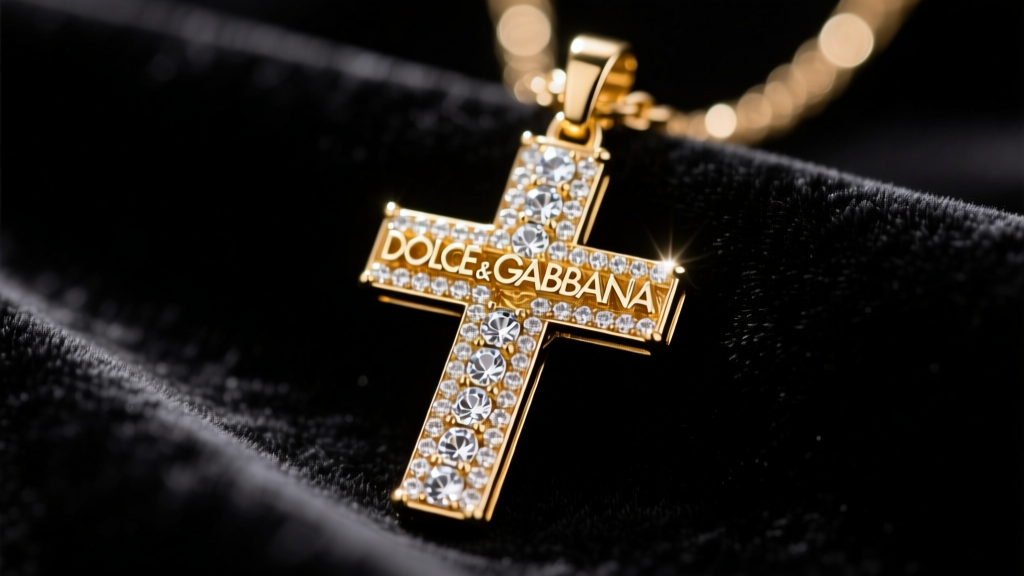
The dolce and gabbana cross necklace is an iconic staple in luxury fashion jewelry, recognized for its bold silhouettes, intricate pavé crystal work, and heavy, ornate chains. However, because these pieces are primarily crafted from plated base metals rather than solid precious metals, they present a unique set of maintenance and repair challenges. Whether you are dealing with a stubbornly stuck lobster clasp, verdigris buildup, or missing crystals, troubleshooting luxury fashion jewelry requires a different approach than fine jewelry repair.
In this comprehensive guide, we break down the metallurgical realities of designer fashion jewelry, provide actionable frameworks for at-home troubleshooting, and help you identify when a piece requires professional bench jeweler intervention.
The Anatomy of a D&G Cross Pendant: Materials and Failure Points
To effectively troubleshoot any jewelry piece, you must first understand its core composition. Authentic Dolce & Gabbana cross pendants are typically cast in brass or a brass-zinc alloy, which provides the substantial, heavy feel characteristic of the brand. This base is then electroplated with a gold-tone or silver-tone finish, usually ranging from 0.5 to 1.5 microns in thickness. The crosses are frequently adorned with Swarovski crystals set in epoxy or prong settings, and occasionally feature cold enamel inlays.
The primary failure points for these materials include:
- Plating Wear: Friction against the skin and exposure to acidic sweat can wear through the micron-thin plating, exposing the brass underneath.
- Adhesive Degradation: The epoxies used to secure pavé crystals can become brittle over time or dissolve when exposed to harsh chemicals like perfume or alcohol.
- Alloy Oxidation: Once the base metal is exposed to moisture and oxygen, it develops verdigris (a green, powdery corrosion).
Troubleshooting Common Clasp and Chain Failures
The heavy chains that accompany D&G cross pendants put significant stress on the clasp mechanisms. The most common issue is the failure of the internal spring within the lobster clasp or the tangling of the ornate, multi-link chains.
Lobster Clasp Spring Tension Loss and Corrosion
If your clasp feels loose or fails to snap shut completely, the issue is rarely mechanical breakage; it is almost always chemical corrosion. The exterior of the clasp is plated brass, but the internal spring is usually made of carbon steel. When sweat and moisture penetrate the clasp housing, the steel spring rusts and loses its tension.
The Fix: Do not attempt to oil the clasp with standard WD-40, as this will degrade the surrounding plating and attract dust. Instead, use a micro-brush dipped in 99% isopropyl alcohol to gently scrub the inside of the clasp mechanism. This will dissolve the oxidized salts and sweat buildup. Allow it to dry completely, then apply a microscopic drop of synthetic watch oil (like Moebius 9010) to the spring pivot. If the spring is completely snapped, the entire clasp must be desoldered and replaced by a professional, as soldering near the plating requires specialized heat-control lasers to avoid melting the gold-tone finish.
Chain Link Separation and Tangling
D&G chains often feature intricate, interlocking links that are not soldered shut. Heavy pendants can pull these links apart at the weakest stress point—usually the link connecting directly to the pendant bail. If a link has stretched open, use two pairs of nylon-jaw pliers to gently squeeze it back into a circular shape. Never use steel jewelry pliers directly on plated brass, as the steel teeth will permanently gouge the soft plating.
Surface Degradation: Tarnish, Plating Loss, and Enamel Chipping
Maintaining the visual integrity of a dolce and gabbana cross necklace requires strict adherence to material-specific cleaning protocols. Using the wrong cleaning method can strip the plating or cloud the crystals in seconds.
| Material Component | Common Failure Mode | Troubleshooting & Care Protocol |
|---|---|---|
| Gold/Silver Plating | Micro-scratches, fading, brass exposure | Clean only with a damp microfiber cloth. Use a specialized non-abrasive polishing cloth (e.g., Sunshine Cloth) strictly on bare metal areas. Avoid all liquid dips. |
| Swarovski Crystals | Clouding from lotion/perfume buildup | Use a soft makeup brush dipped in mild dish soap and distilled water to gently agitate the pavé settings. Dry immediately with compressed air to prevent water spots. |
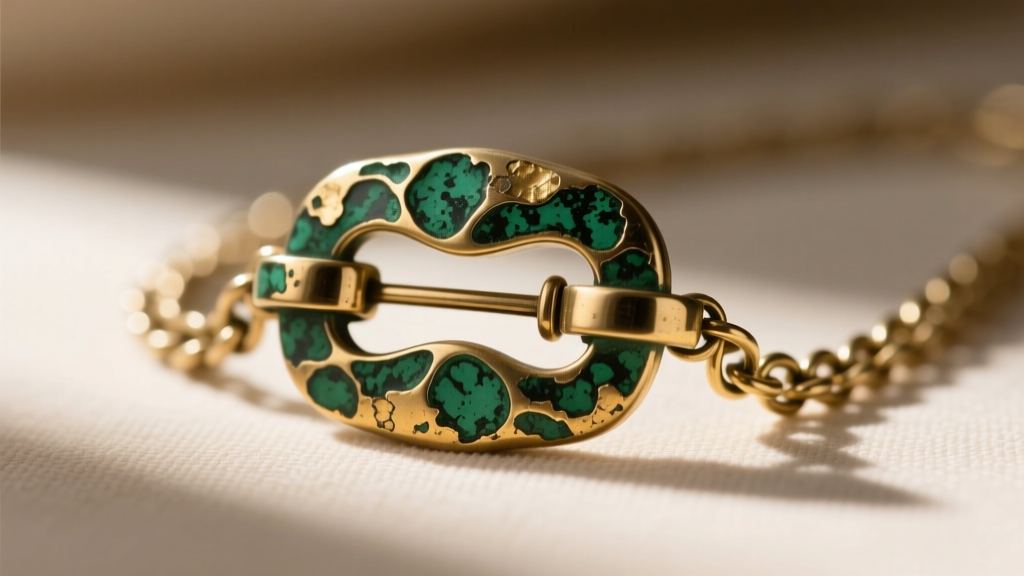
| Cold Enamel Inlays | Chipping, cracking, or lifting from the brass | Do not attempt DIY glue repairs. Enamel requires a two-part optical epoxy that must be color-matched and cured under UV light by a specialist. |
| Brass Base Metal | Verdigris (green corrosion) on the skin | Seal the back of the pendant with a thin coat of clear, flexible nail polish or a specialized jewelry barrier coating like Jeweler's Skin Guard. |
Never use ultrasonic cleaners on any plated fashion jewelry. The high-frequency cavitation bubbles will literally blast the micron-thin gold or silver plating right off the brass base, ruining the piece instantly.
Authentication Red Flags: Spotting Counterfeit D&G Crosses
The secondary market for luxury fashion jewelry is flooded with high-quality counterfeits. When troubleshooting a piece you acquired secondhand, verifying its authenticity is the first step before investing time or money into repairs. According to the Gemological Institute of America (GIA), understanding the physical properties of materials is key to identifying discrepancies in luxury goods.
Weight and Hallmark Discrepancies
Authentic D&G crosses are heavy. The brand uses solid brass or high-density alloys, whereas counterfeits frequently use hollow-cast zinc or cheap aluminum to cut costs. An authentic medium-sized D&G cross pendant typically weighs between 25 and 45 grams. If the piece feels suspiciously light, it is likely a fake.
Furthermore, inspect the hallmark stamps. Authentic pieces feature deeply stamped, crisp logos (e.g., "D&G", "Made in Italy") on the back of the pendant or the clasp. Counterfeits often use shallow laser etching that feels smooth to the touch, or they stamp the logo crookedly.
Crystal Quality and Adhesive Failures
Genuine D&G pieces utilize high-grade Swarovski or precision-cut glass crystals with excellent light refraction. Fakes often use acrylic rhinestones that appear dull, have visible mold seams on the edges, and are poorly aligned in their settings. If you notice excessive, messy glue seeping out from under the crystals, it is a major red flag; authentic D&G manufacturing utilizes precise, clean epoxy application or micro-prong settings.

Professional Repair vs. DIY: A Decision Framework
Knowing when to attempt a home repair and when to hand the piece over to a professional bench jeweler will save you from catastrophic damage. The Jewelers of America organization emphasizes that fashion jewelry requires specialized handling due to the heat-sensitivity of its plating and adhesives.
Use this framework to determine your next steps:
When to DIY (Safe At-Home Troubleshooting)
- Missing Crystals: If a flat-back crystal has fallen out, you can replace it. Purchase a Swarovski flat-back of the exact millimeter size. Use a two-part jewelry epoxy (like E6000 Jewelry & Bead) or a UV-curing resin. Apply a microscopic dot with a toothpick, place the stone, and cure. Never use cyanoacrylate (Super Glue), as it emits fumes that will permanently cloud the surrounding crystals.
- Surface Dirt and Oils: Gentle cleaning with distilled water, mild soap, and a soft brush is always safe.
- Untangling Chains: Lay the chain on a glass surface, apply a drop of baby oil to the knot, and use two fine sewing needles to gently work the links apart.
When to Seek a Professional Bench Jeweler
- Soldering Broken Links: Traditional torch soldering will burn off the gold plating and melt the epoxy holding the crystals. A jeweler must use a laser welder, which concentrates heat on a microscopic point without raising the ambient temperature of the pendant.
- Re-plating: If the brass is heavily exposed, the piece must be professionally polished, stripped of its old plating, and re-electroplated with a fresh layer of gold or rhodium.
- Clasp Replacement: Swapping out a broken lobster clasp requires cutting the jump ring and re-soldering it, a task that demands laser precision on plated brass.
Conclusion
Owning a dolce and gabbana cross necklace is an investment in bold, expressive design, but it requires a proactive approach to maintenance. By understanding the limitations of plated brass, treating the crystals with chemical caution, and knowing the precise boundaries between DIY care and professional laser repair, you can ensure your iconic pendant remains a staple in your wardrobe for years to come. Always store your piece in an anti-tarnish bag with a silica gel packet to control ambient moisture, and keep it far away from the perfume bottle to preserve both the plating and the pavé.


