Stella and Dot Statement Necklaces: 2026 Technical Guide
An expert technical analysis of Stella and Dot statement necklaces, covering base alloys, plating micron thickness, hardware, and care.

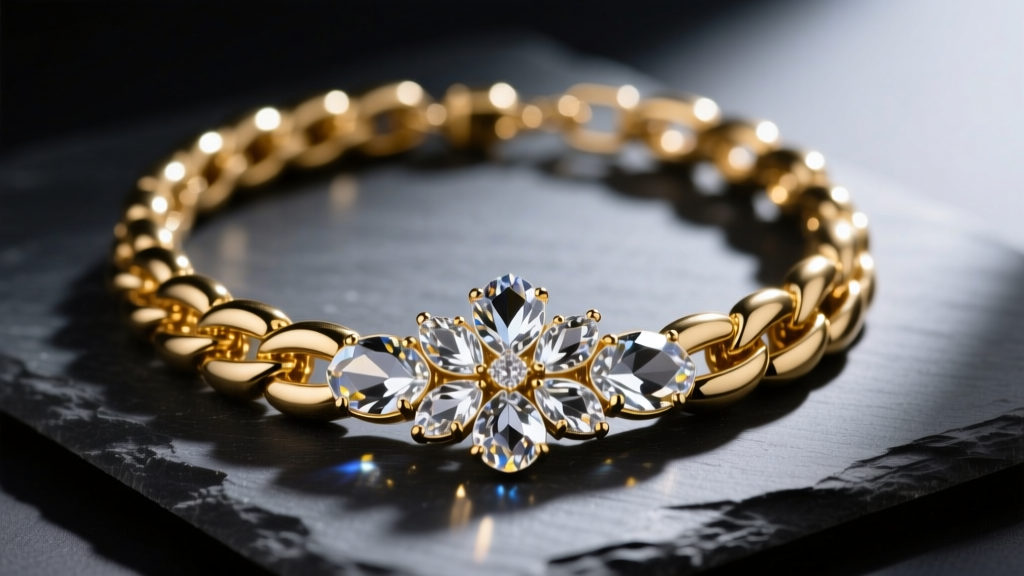
When evaluating stella and dot statement necklaces from a metallurgical and structural design perspective, it is essential to look beyond the aesthetic appeal and examine the underlying material science. As a direct-sales fashion jewelry brand, Stella & Dot occupies a specific niche: delivering high-impact, trend-driven statement pieces using accessible base metals and advanced electroplating techniques. For jewelry professionals and informed collectors, understanding the technical specifications of these garments is crucial for assessing their longevity, wearability, and intrinsic value.
This 2026 expert deep dive dissects the anatomy of these popular statement pieces, analyzing the exact alloys, plating micron thicknesses, clasp mechanics, and ergonomic weight distribution that define their performance over time.
Metallurgical Profile: Base Alloys and Structural Integrity
The foundation of most Stella and Dot statement necklaces is a base metal alloy, predominantly brass (an alloy of copper and zinc) or Zamak (a zinc alloy with aluminum, magnesium, and copper). Brass is favored for its excellent malleability, allowing for the intricate casting of the brand's signature filigree and geometric pendants. Zamak, on the other hand, is utilized for heavier, solid-feeling geometric components due to its lower melting point and high tensile strength.
Unlike fine jewelry, which relies on the structural integrity of precious metals like 14k or 18k gold, fashion-grade alloys require careful engineering to prevent fatigue. A large brass pendant weighing 45 grams will experience significant stress at the bail (the loop connecting the pendant to the chain). To counteract this, structural engineers in fashion jewelry often increase the cross-sectional thickness of the bail or incorporate stainless steel reinforcement rings hidden within the casting to prevent stress fractures.
Electroplating Specifications and Tarnish Resistance
The visual hallmark of these statement pieces is their lustrous finish, achieved through electroplating. It is vital to distinguish between the brand's 'shiny gold' or 'silver' finishes and true precious metal vermeil. According to the Federal Trade Commission (FTC) Jewelry Guides, gold vermeil requires a sterling silver base with a gold plating of at least 2.5 microns. Stella & Dot primarily utilizes gold-plated brass or silver-plated brass.
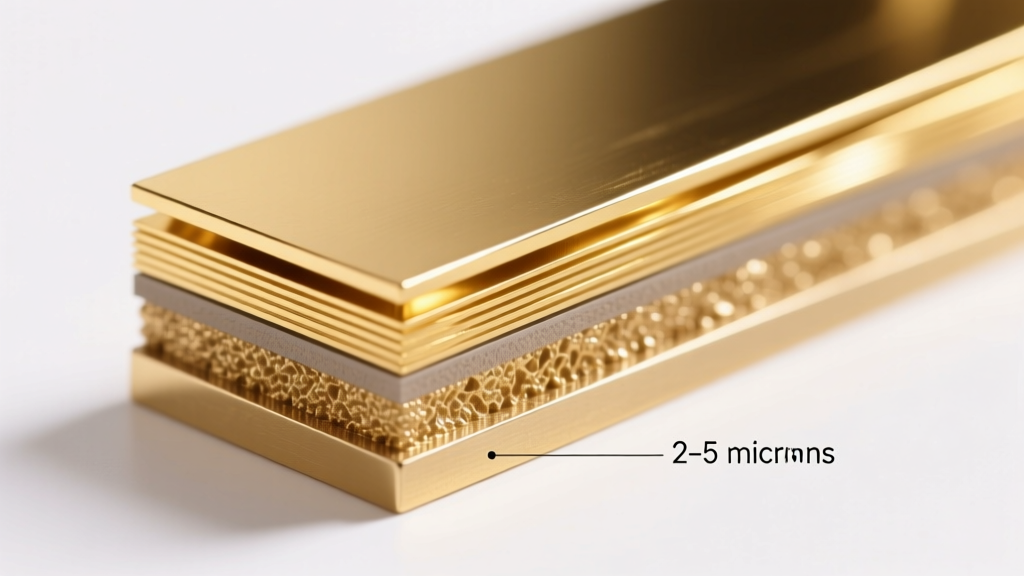
The plating thickness on these statement necklaces typically ranges from 0.5 to 1.2 microns. While this is substantially thicker than 'flash plating' (which is often less than 0.175 microns and wears off in weeks), it still requires a protective e-coating (electrophoretic deposition) to seal the porous metal surface. This clear polymeric topcoat is what provides the jewelry's primary tarnish resistance, acting as a physical barrier against sulfur compounds in the air and the lactic acid present in human sebum.
Comparative Plating Data
| Finish Type | Base Metal | Plating Thickness | Expected Lifespan (Daily Wear) |
|---|---|---|---|
| Flash Plated (Fast Fashion) | Brass / Zinc | < 0.175 microns | 1 - 3 Months |
| Stella & Dot Standard Plate | Brass | 0.5 - 1.2 microns + E-coat | 1 - 3 Years |
| Heavy Gold Electroplate | Brass / Silver | 2.5 microns | 5 - 10+ Years |
| Solid 14k Gold | N/A (Solid) | N/A | Lifetime / Heirloom |
Hardware Mechanics and Tensile Strength Analysis
Statement necklaces are inherently heavy, often ranging from 50 to 95 grams. This mass introduces significant mechanical stress on the chain and clasp hardware. Standard 1mm cable chains, which possess a tensile breaking point of roughly 3 to 5 pounds, are wholly inadequate for supporting a 70-gram pendant during dynamic movement.
To mitigate catastrophic hardware failure, the architecture of these necklaces incorporates upgraded findings:
- Chain Gauge: Chains are typically upgraded to 2.5mm - 4.0mm rolo or curb links, increasing the tensile strength to over 15 pounds.
- Jump Rings: The jump rings connecting the clasp to the chain are often soldered closed or constructed from work-hardened stainless steel to prevent lateral spreading under the pendant's pendulum-like swing.
- Lobster Clasps: Instead of standard 10mm spring rings, heavy-duty 12mm to 15mm lobster clasps with reinforced internal coil springs are deployed to ensure the gate remains securely closed against the pull of gravity.
Stone Setting and Adhesive Failure Modes
The visual impact of Stella and Dot statement necklaces relies heavily on large cabochons, faceted glass, acrylic, and epoxy-resin stones. Unlike fine jewelry, which uses precision-cut metal prongs to secure gemstones, fashion jewelry frequently employs a combination of shallow bezel settings and industrial cyanoacrylate or UV-cured epoxy adhesives.
From a materials science perspective, adhesive failure is the most common point of degradation in these pieces. When exposed to thermal shock (such as leaving the necklace in a hot car) or chemical solvents (like alcohol-based perfumes or hand sanitizers), the epoxy matrix can undergo plasticization. This causes the adhesive to become brittle or lose its shear strength, resulting in the stone dislodging from the bezel. To maximize longevity, it is a strict technical requirement to apply all aerosol cosmetics and perfumes a minimum of 15 minutes before donning the jewelry, allowing the volatile organic compounds (VOCs) to fully evaporate.
Weight Distribution and Ergonomic Styling
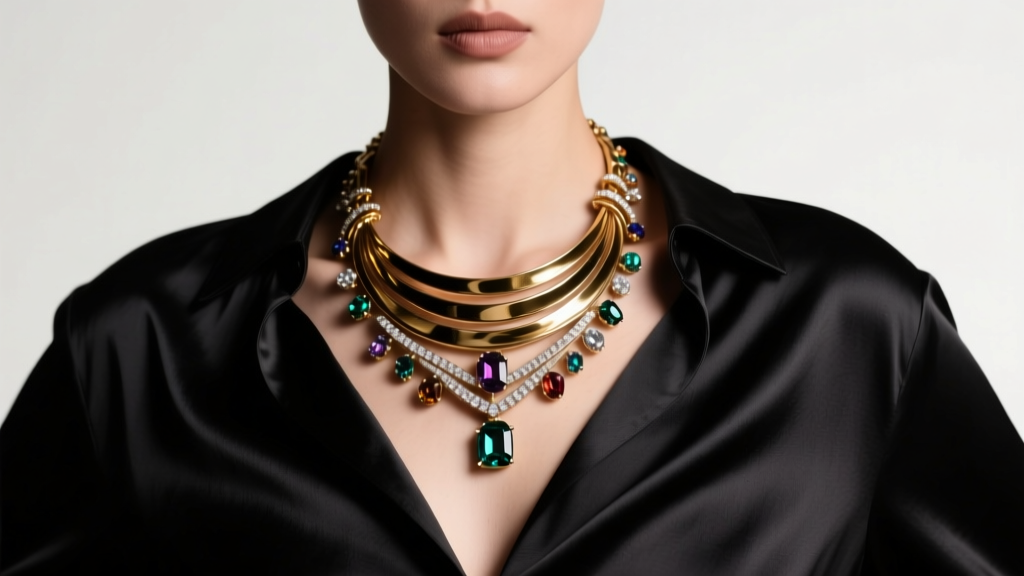
The ergonomics of a 75-gram necklace are frequently overlooked in fashion styling. A heavy statement piece alters the center of gravity on the cervical spine. If the chain is too long (e.g., a 24-inch drop), the kinetic energy generated by walking will cause the heavy pendant to swing like a plumb bob, leading to physical discomfort and accelerated wear on the bail.
For optimal weight distribution, these necklaces are engineered with a 16-inch to 18-inch drop length, allowing the pendant to rest securely against the sternum or upper clavicle. The friction provided by the skin and the underlying garment (ideally a high-friction fabric like raw silk or matte cotton, rather than slippery charmeuse) stabilizes the piece, reducing kinetic stress on the chain links.
Dermatological Considerations and Base Metal Reactivity
While the brand formulates its alloys to be nickel-free, individuals with severe contact dermatitis must understand the chemistry of base metal oxidation. When the protective e-coating on a brass necklace wears thin due to friction against the collarbone, the underlying copper and zinc are exposed to the skin's acidic mantle. The reaction between copper and sebum produces copper chloride, which manifests as a harmless but cosmetically undesirable green patina on the skin.
According to the American Academy of Dermatology, while nickel is the primary culprit for allergic contact dermatitis in jewelry, secondary reactions to copper and zinc alloys can occur in highly sensitive individuals. To preemptively solve this, jewelry technicians recommend applying a micro-thin layer of clear polyurethane nail polish to the back of the pendant where it contacts the skin, creating an inert, biocompatible barrier.
Preservation Protocols for Fashion-Grade Alloys
Maintaining the structural and visual integrity of these statement pieces requires a departure from traditional fine jewelry care. Ultrasonic cleaners, which use high-frequency cavitation bubbles to remove dirt, are strictly contraindicated. The microscopic shockwaves will instantly shatter the bond of epoxy-set glass stones and strip the protective e-coating from the plated brass.
Instead, preservation requires a gentle, chemical-free approach:
- Mechanical Cleaning: Use a dry, ultra-fine microfiber cloth (designed for camera lenses) to gently buff away skin oils after every wear.
- Chemical Avoidance: Never use silver dip or ammonia-based cleaners, as these will aggressively dissolve the 0.5-micron gold or silver plating layer, exposing the raw brass beneath.
- Atmospheric Storage: Store the necklace in a sealed, low-density polyethylene (LDPE) ziplock bag alongside a 3M anti-tarnish strip. The strip absorbs ambient hydrogen sulfide and sulfur dioxide, preventing the base metal from oxidizing through microscopic pores in the plating.
By understanding the precise material science and mechanical engineering behind these accessories, wearers can elevate their styling while ensuring their investment remains pristine for years to come. For further reading on metal finishing standards, the London Assay Office provides comprehensive guidelines on the legal definitions of gold plating and vermeil in the global jewelry market.


