How to Style a Heart Pearl Necklace Pendant for Any Neckline
Learn how to style, layer, and care for a heart pearl necklace pendant. Step-by-step guide to matching necklines and preserving nacre luster.

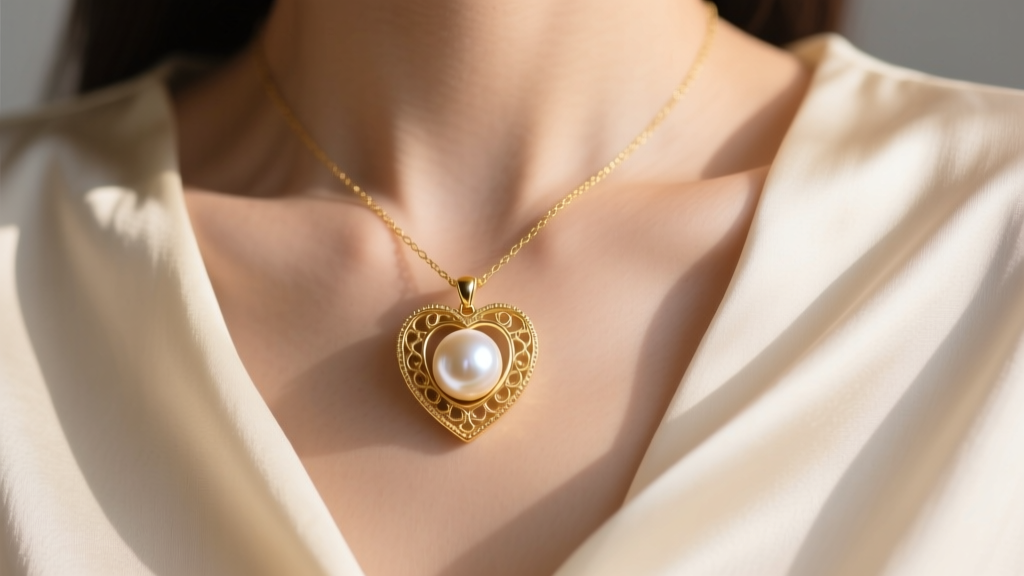
The Anatomy of a Romantic Classic
The heart pearl necklace pendant is a masterclass in juxtaposing organic warmth with romantic symbolism. However, styling this specific piece requires more than just throwing it on. Because pearls are delicate organic gemstones and heart shapes introduce unique weight distribution challenges, mastering this accessory demands a strategic approach. In this step-by-step guide, we will break down exactly how to select, style, layer, and maintain your heart pearl necklace pendant to ensure it remains a staple in your wardrobe for decades.
Step 1: Selecting the Right Pearl Grade and Setting
Before you can style your pendant, you must understand its construction. Unlike perfectly round pearls, heart-shaped pearls are rarely naturally occurring. They are typically created using one of two methods, which drastically affects their price, durability, and luster.
Mabe (Blister) Pearls vs. Carved Freshwater
- Mabe Pearls (Cultured Blister): A heart-shaped nucleus is attached to the inside of the oyster's shell. The oyster secretes nacre over it, creating a domed, heart-shaped blister. These are hollowed out, backed with mother-of-pearl, and sealed with epoxy. They offer exceptional luster and large sizes (12mm-20mm) but are vulnerable to impact. Expect to pay between $250 and $800 for high-grade Mabe Akoya pendants.
- Carved Freshwater Pearls: Solid, thick-nacred freshwater pearls are mechanically carved into hearts. While highly durable and affordable ($40-$120), they often lack the mirror-like luster of saltwater varieties and may show tool marks under magnification.
Choosing the Metal Setting
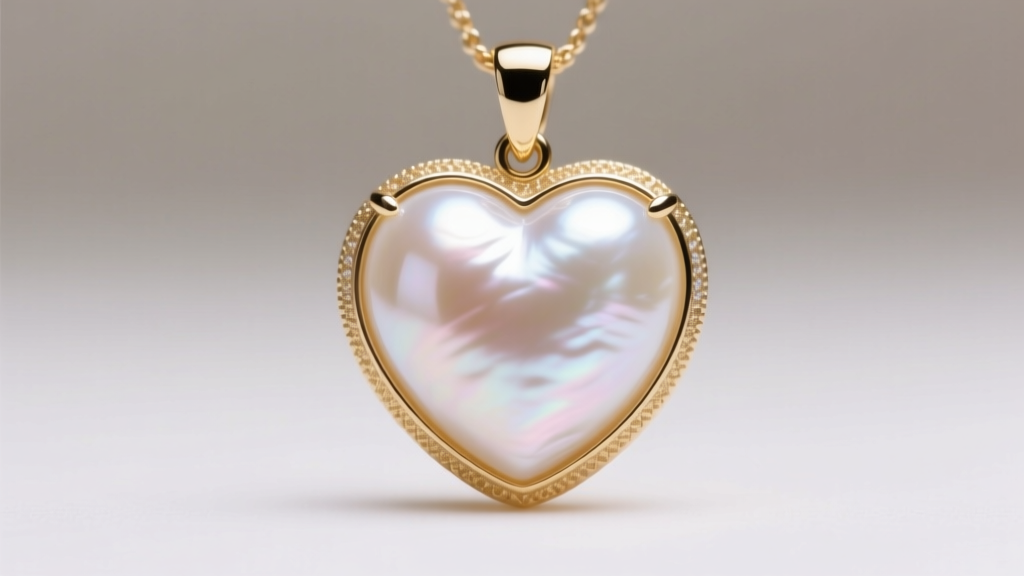
Because the edges of a heart-shaped pearl are thin and prone to chipping, bezel settings are vastly superior to prong settings. A 14k gold or platinum bezel wraps securely around the nacre's perimeter, protecting it from daily impacts. Avoid rhodium-plated sterling silver for pendants that rest directly on the skin, as the copper alloy beneath the plating can react with your sweat and tarnish, potentially staining the pearl's porous surface.
Step 2: Matching the Pendant Drop to Your Neckline
The visual weight of a heart pearl necklace pendant can easily overwhelm a delicate outfit or get lost in a busy pattern. The key to flawless styling is aligning the chain length and pendant size with the geometry of your neckline. According to the Gemological Institute of America (GIA), understanding the scale of your jewelry relative to your garment is crucial for balanced proportions.
| Neckline Type | Ideal Chain Length | Optimal Pendant Size | Styling Note & Failure Mode |
|---|---|---|---|
| V-Neck | 18-inch (Princess) | 12mm - 15mm | Follows the V-shape naturally. Failure mode: Chains longer than 20 inches will tangle in the fabric hem. |
| Crew Neck | 16-inch (Choker) | 10mm - 12mm | Sits above the collar. Failure mode: Wearing a heavy pendant on a tight crew neck causes the chain to slide backward. |
| Scoop Neck | 20-inch (Matinee) | 15mm - 18mm | Fills the negative space elegantly. Failure mode: Small pendants get visually swallowed by the wide neckline. |
| Button-Down | 24-inch (Opera) | 18mm+ (Statement) | Worn over the unbuttoned collar. Failure mode: The pendant catching on the top button when leaning forward. |
Step 3: Layering Techniques for a Modern Silhouette
In 2026, the maximalist layering trend has evolved into a more curated, structural approach. Layering a heart pearl necklace pendant requires strict adherence to material hardness rules to prevent catastrophic damage to the nacre.
The Mohs Scale Rule: Pearls rank at a mere 2.5 to 3.0 on the Mohs hardness scale. Diamonds rank at 10. If you layer a pearl pendant directly against a diamond or sapphire pendant, the harder gemstone will act like sandpaper, permanently scratching and dulling the pearl's nacre within weeks.
The 2-Inch Spacing Framework
To layer successfully without tangling or scratching, follow this step-by-step spacing guide:
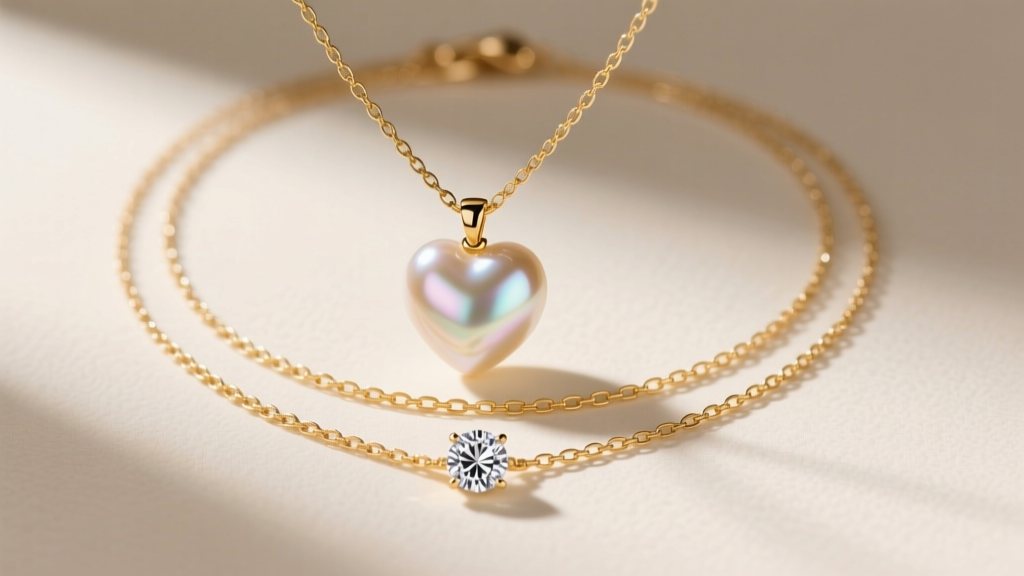
- Layer 1 (The Anchor): Start with a 14-inch or 16-inch delicate gold snake chain. Snake chains are smooth and won't pull out microscopic fragments of the pearl's nacre.
- Layer 2 (The Focal Point): Your heart pearl necklace pendant on an 18-inch cable or paperclip chain. The 2-inch gap ensures the pearl rests safely on your skin, away from other metals.
- Layer 3 (The Accent): A 20-inch chain featuring a small, bezel-set gemstone or a simple gold bar. Ensure the gemstone is fully encased in metal (bezel) so no prongs can scratch the pearl above it.
Always use lobster claw clasps rather than spring rings for layered necklaces. Spring rings are prone to snapping under the uneven tension created by multiple chains moving at different rates.
Step 4: Nacre Preservation and Daily Maintenance
Pearls are composed of calcium carbonate and conchiolin (an organic protein). This makes them highly susceptible to chemical degradation. The GIA Pearl Care Guide emphasizes that everyday cosmetics are the number one enemy of pearl luster.
The 'Last On, First Off' Protocol
Your heart pearl necklace pendant must be the very last item you put on when getting dressed, and the first item you take off. Hairsprays, perfumes, and lotions contain alcohols and volatile organic compounds that will eat away at the pearl's surface and degrade the epoxy backing of Mabe pearls.
Step-by-Step Cleaning Routine
Never use ultrasonic cleaners, steamers, or commercial jewelry dips on a pearl pendant. The high-frequency vibrations will shatter carved freshwater pearls and delaminate the backing of Mabe pearls. Instead, follow this safe cleaning protocol:
- Step 1: Mix one cup of distilled water with a single drop of pH-neutral baby shampoo or pure castile soap. (Tap water contains chlorine and heavy minerals that can spot the nacre).
- Step 2: Dampen a clean, lint-free microfiber cloth in the solution. Do not submerge the pendant, as water can seep into the drill hole or the backing seam, causing the silk thread or epoxy to rot.
- Step 3: Gently wipe the face of the pearl and the metal setting. Use a soft-bristled baby toothbrush to clean the back of the setting and the chain links.
- Step 4: Wipe immediately with a second cloth dampened only with distilled water to remove any soap residue.
- Step 5: Allow the pendant to air dry completely flat on a towel before storing.
Proper Storage Environments
Never store your heart pearl necklace pendant in an airtight plastic bag or a safety deposit box for extended periods. Pearls require ambient moisture; sealing them in plastic will cause the conchiolin to dry out, leading to micro-fractures and a chalky appearance. Store the pendant in a breathable, untreated linen or cotton pouch, separate from all other jewelry, in a room with stable humidity.
Final Thoughts on Styling
A heart pearl necklace pendant is an investment in organic artistry. By respecting the physical limitations of the nacre, applying strategic neckline pairings, and adhering to strict chemical avoidance, you ensure that this deeply romantic piece retains its mirror-like luster and structural integrity for a lifetime. Whether layered over a crisp white button-down for the office or worn solo against a silk slip dress for the evening, the right styling technique transforms this classic pendant into a modern masterpiece.


