How to Clean and Maintain Your Gaara Necklace Replica
Learn how to clean, store, and maintain your Gaara necklace replica. Expert tips for alloy, enamel, and resin cosplay jewelry care.

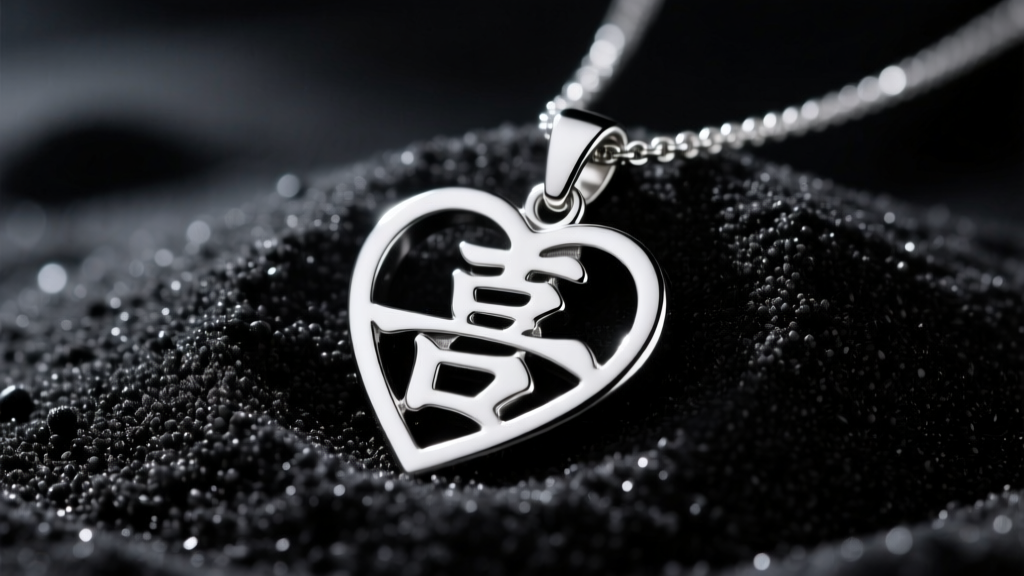
Whether you are a dedicated cosplayer, an anime memorabilia collector, or simply a fan of the Kazekage, owning a Gaara necklace is a staple of any Naruto collection. From the iconic red "Love" (愛) kanji pendant to the Sunagakure hourglass and miniature gourd stoppers, these pieces carry immense sentimental value. However, anime replica jewelry presents a unique set of maintenance challenges. Unlike fine jewelry crafted from solid 18k gold or platinum, most cosplay pendants are manufactured from zinc alloys, cold enamel, and epoxy resins. As of 2026, while premium replicas increasingly utilize PVD (Physical Vapor Deposition) coatings for durability, the majority of pieces on the market remain highly susceptible to oxidation, UV degradation, and sweat-induced corrosion.
Proper care is not just about keeping your pendant shiny; it is about preserving the structural integrity of the bail, preventing skin irritation from degrading base metals, and ensuring the enamel detailing does not chip or cloud over. In this comprehensive guide, we break down the exact chemical and physical protocols required to maintain your Gaara necklace in pristine condition.
Understanding Your Gaara Necklace Materials
Before applying any cleaning solution, you must identify the exact materials used in your specific replica. The cleaning protocol for a solid sterling silver kanji pendant will instantly destroy a mass-produced zinc alloy piece. Here are the three most common material profiles for Gaara-themed necklaces:
- Zamak (Zinc Alloy): The most common base metal for affordable cosplay jewelry. It is cast in molds and typically flash-plated with silver or gold-toned finishes. It is highly porous and prone to "pitting" if exposed to harsh chemicals or ultrasonic cleaners.
- Cold Enamel (Epoxy Resin): Used to create the vibrant red of the "Love" kanji or the teal accents on Sunagakure symbols. Unlike vitreous (kiln-fired) enamel, cold enamel is essentially a hardened plastic resin that scratches easily and melts or clouds when exposed to alcohol-based cleaners or high heat.
- Sterling Silver (925) & Brass: Premium, custom-commissioned Gaara pendants are often cast in solid brass or sterling silver. These require traditional metal polishing techniques but are far more resilient to deep cleaning.
The Chemistry of Cosplay: Sweat vs. Alloy
Wearing your Gaara necklace at a multi-day anime convention is a rite of passage, but it exposes the jewelry to a hostile chemical environment. Human sweat has a pH level ranging from 4.5 to 7.0, containing lactic acid, urea, and high concentrations of sodium chloride (salt). When this acidic moisture becomes trapped between your skin and a zinc alloy pendant, it accelerates galvanic corrosion.
If your necklace leaves a green or black stain on your chest, this is not a sign of toxicity; it is a chemical reaction. The copper and nickel content in the base alloy oxidizes, creating copper chlorides that transfer to your skin. To prevent this during heavy wear, apply a micro-thin layer of clear, non-yellowing nail polish or a specialized jewelry barrier coating like JewelSkin to the back of the pendant. This creates an impermeable physical barrier against lactic acid without altering the visual aesthetic of the front-facing kanji or hourglass details.
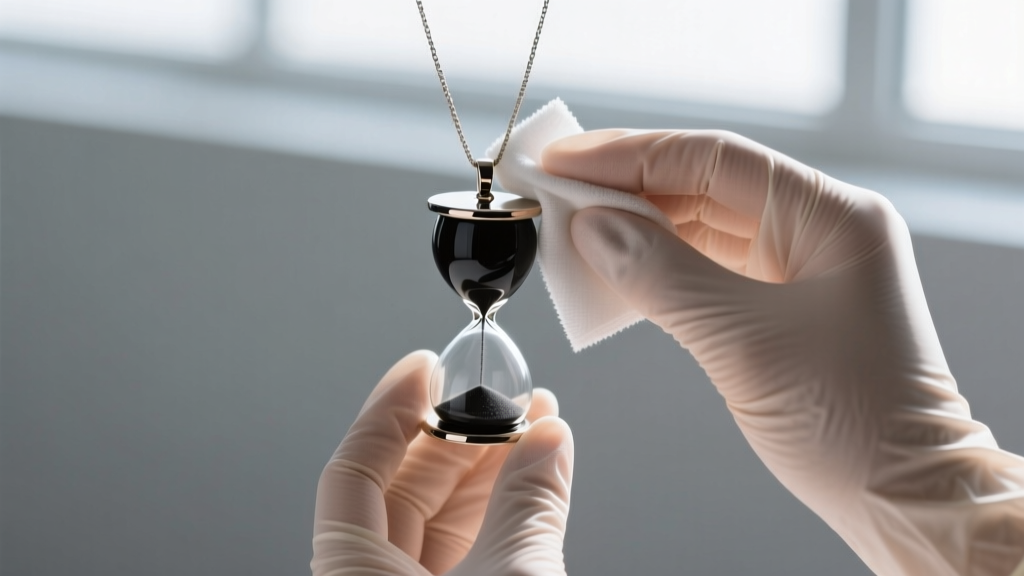
Step-by-Step Cleaning Protocols by Material
Never use commercial silver dips, ammonia-based glass cleaners, or ultrasonic jewelry baths on cosplay replicas. Ultrasonic waves operate at high frequencies (often 40,000 Hz) that will shatter cold enamel and vibrate glued bail loops right off the pendant. Instead, use the following targeted methods:
| Material Type | Safe Routine Cleaner | Deep Cleaning Tool | Strictly Avoid |
|---|---|---|---|
| Zinc Alloy (Plated) | Mild dish soap & distilled water | Extra-soft baby toothbrush | Silver dip, baking soda paste |
| Cold Enamel / Resin | Dry microfiber cloth only | Damp cotton swab (no alcohol) | Isopropyl alcohol, ultrasonic |
| Sterling Silver (925) | Specialized silver polishing cloth | Jeweler's rouge on felt wheel | Bleach, toothpaste abrasives |
Deep Cleaning the Kanji Recesses
The intricate recesses of the "Love" kanji or the tiny grains of sand depicted on gourd pendants easily trap dead skin cells, cosmetic powders, and environmental dust. To clean these crevices safely:
- Mix three drops of pH-neutral baby shampoo into a bowl of lukewarm distilled water. (Tap water contains chlorine and hard minerals that can leave micro-deposits on the plating).
- Dip an extra-soft bristle brush (a clean, unused baby toothbrush is ideal) into the solution and gently flick the bristles over the recessed areas. Do not scrub in circles, as this can wear down the flash plating on the edges.
- Rinse the pendant briefly under a slow stream of distilled water.
- Immediately pat dry with a lint-free microfiber cloth, and use a hairdryer on the "cool" setting to blast moisture out of the deepest crevices. Air-drying leads to water spots.
Maintaining the Chain and Hardware
A Gaara pendant is only as secure as the chain and jump rings holding it. Cosplay necklaces frequently utilize inexpensive box chains or rope chains made from hollow stainless steel or brass. Over time, the friction of the pendant bail rubbing against the center jump ring causes metal fatigue, leading to a snapped chain and a lost pendant.
Inspect the jump ring (the small loop connecting the chain to the pendant) every three months. If you notice the split in the ring has widened, use two pairs of flat-nose jewelry pliers to gently twist it closed. Never pull the ring apart laterally; always twist it open and closed along its natural axis to maintain its structural tension. If the chain itself feels stiff or catches on your skin, soak it in a warm water and mild detergent bath for five minutes, rinse, and lubricate the links with a microscopic drop of synthetic watch oil, wiping away all excess.
Long-Term Storage and UV Protection
How you store your Gaara necklace when not wearing it dictates its lifespan. Epoxy resins and cold enamels are highly sensitive to ultraviolet (UV) radiation. Leaving your necklace on a vanity table exposed to direct sunlight will cause the vibrant red enamel of the kanji to yellow and become brittle within six to twelve months.
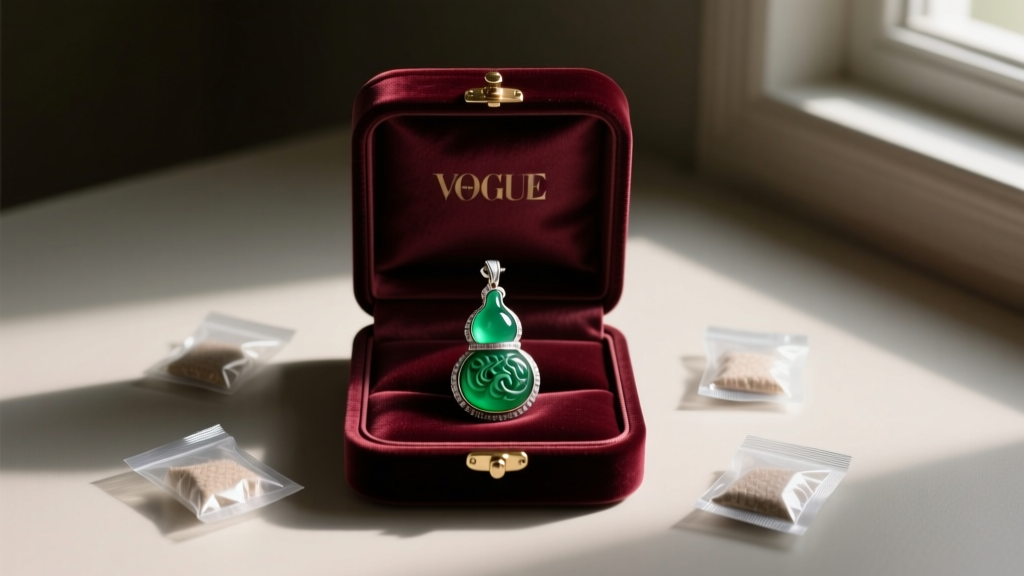
Furthermore, zinc alloys will naturally oxidize when exposed to ambient humidity. According to the Smithsonian Museum Conservation Institute, controlling the micro-climate around base metals is critical for preventing irreversible pitting. Store your necklace in an airtight, opaque ziplock bag or a velvet-lined jewelry box equipped with 3M anti-tarnish strips. These strips absorb airborne sulfur compounds and hydrogen sulfide, which are the primary culprits behind the black tarnish that forms on silver and copper-bearing alloys. Include a small silica gel desiccant packet in the storage container to keep the relative humidity below 40%, ensuring the metal remains stable for decades.
Troubleshooting Common Cosplay Jewelry Failures
Even with meticulous care, anime replica jewelry can suffer from manufacturing defects. Here is how to handle the most common issues:
- Cloudy Resin/Enamel: If the red enamel on your kanji pendant has developed a cloudy, white haze, it has likely suffered from moisture entrapment or chemical exposure. You can sometimes restore the shine by gently buffing the surface with a plastic-safe polishing compound (like Novus 2 Fine Scratch Remover) using a cotton pad. Apply minimal pressure to avoid wearing through the color layer.
- Broken Bail Loop: If the cast loop at the top of the pendant snaps off, do not attempt to glue it back on with cyanoacrylate (Super Glue). Super glue becomes brittle and will fail under the dynamic weight of the pendant. Take the piece to a local jeweler who can carefully drill a micro-hole and solder or mechanically pin a new sterling silver bail onto the alloy base.
- Plating Flaking: Once the silver or gold flash plating begins to peel, the underlying gray Zamak alloy is exposed. While you cannot reverse this, you can stabilize it by having a professional jeweler apply a clear electro-coating (e-coat) over the entire piece, sealing the flaking edges and preventing further degradation.
For more foundational knowledge on handling mixed-metal and costume jewelry, the Assay Office London provides excellent guidelines on understanding metal hallmarks and the limitations of plated finishes. By treating your Gaara necklace not as a disposable prop, but as a curated piece of wearable art, you ensure that the Will of Fire—and the meticulous craftsmanship of your replica—endures.


