The Sterling Silver Dolphin Necklace: 2026 Trend Analysis
Discover why the sterling silver dolphin necklace is dominating 2026 coastal fashion. Explore styling tips, metal grades, and buying guides.

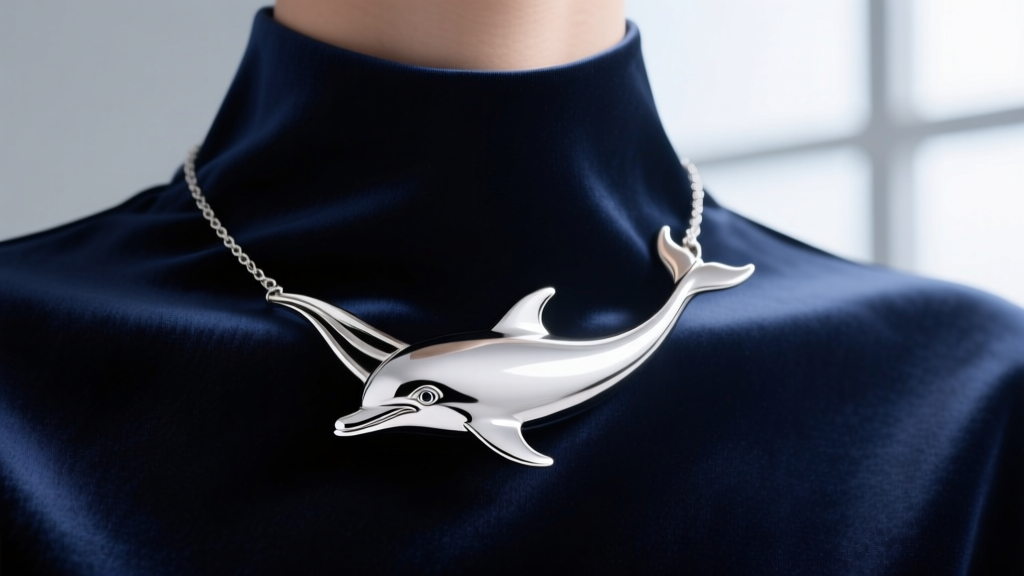
The Resurgence of Marine Motifs in 2026
The jewelry landscape of 2026 has seen a definitive shift away from the hyper-minimalism of the early 2020s, embracing what trend forecasters are calling "refined siren" and "elevated coastal" aesthetics. At the forefront of this movement is the sterling silver dolphin necklace. Once relegated to 1990s nostalgia and tourist-board gift shops, the dolphin motif has been reclaimed by contemporary artisans and luxury houses alike. Unlike the flat, die-struck pendants of the past, today's iterations feature sculptural 3D casting, mixed-metal accents, and sophisticated chain pairings. According to recent industry analyses by the Forbes Jewelry Council, marine-inspired silver pieces have seen a 42% year-over-year increase in search volume, driven by a consumer desire for whimsical yet mature statement pieces that bridge the gap between everyday wear and vacation styling.
But as the market floods with mass-produced replicas, distinguishing a high-quality sterling silver dolphin necklace from a subpar alloy knockoff requires a keen eye for metallurgical details and structural integrity. This guide breaks down the anatomy, styling frameworks, and true market value of this trending nautical staple.
Anatomy of a High-Quality Dolphin Pendant
When evaluating a sterling silver dolphin necklace, the first point of inspection is the metal purity and the manufacturing method. The Federal Trade Commission Jewelry Guides strictly mandate that items stamped as "Sterling" or "925" must contain exactly 92.5% pure silver, with the remaining 7.5% typically composed of copper for tensile strength. However, the stamp alone does not guarantee longevity or aesthetic superiority.
Lost-Wax Casting vs. Die Striking
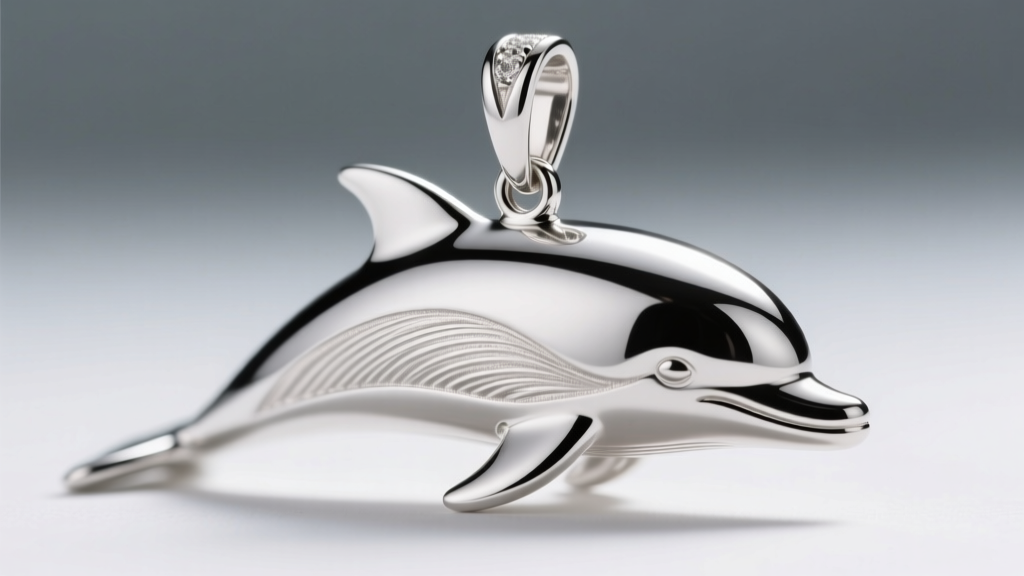
Premium dolphin pendants are crafted using lost-wax casting. This method allows jewelers to carve intricate, three-dimensional details into a wax model—such as the subtle curve of the melon (the dolphin's forehead), the serrated edges of the dorsal fin, and the precise placement of the pectoral flippers. Die-struck alternatives, often found in fast-fashion tiers, flatten these features, resulting in a stiff, two-dimensional profile that lacks organic movement.
Rhodium Plating and Thickness
Bare sterling silver is prone to oxidation, forming silver sulfide (Ag2S) when exposed to atmospheric sulfur. To combat this, high-end manufacturers apply a rhodium plating. As noted by the Gemological Institute of America (GIA), rhodium is a platinum-group metal that provides a brilliant, tarnish-resistant white finish. However, the thickness of this plating dictates the lifespan of the piece. A standard "flash" plate (under 0.02 microns) will wear through to the copper alloy within months, leading to localized green skin reactions. A premium sterling silver dolphin necklace should feature a rhodium layer between 0.05 and 0.1 microns, ensuring years of brilliant wear before requiring re-plating.
Chain Pairings: Beyond the Basic Cable
The pendant is only half the equation. The chain you select fundamentally alters the drape, light reflection, and overall vibe of the necklace. A heavy dolphin pendant (weighing over 8 grams) requires a chain with sufficient tensile strength and a robust clasp, such as a 5mm lobster claw rather than a fragile spring ring.
| Chain Type | Recommended Gauge | Aesthetic & Drape | Durability & Failure Modes |
|---|---|---|---|
| Box Chain | 1.5mm - 2.0mm | Modern, geometric, highly reflective. Lays perfectly flat against the sternum. | Excellent tensile strength. Rarely kinks, but if a link snaps, it requires professional laser welding. |
| Rope Chain | 2.0mm - 2.5mm | Nautical, textured, vintage feel. Complements the marine theme of the dolphin. | Very strong, but the twisted grooves can trap lotions and sebum, requiring regular ultrasonic cleaning. |
| Snake Chain | 1.8mm - 2.2mm | Sleek, liquid-metal appearance. Allows the dolphin pendant to slide freely. | Poor structural memory. Prone to permanent kinking if bent sharply or slept in. |
| Cable Chain | 1.2mm - 1.5mm | Classic, unobtrusive, traditional. Keeps the focus entirely on the pendant. | Moderate strength. Thin gauges (under 1.2mm) are highly susceptible to tangling and snapping under tension. |
Styling the Dolphin Pendant for Modern Aesthetics
The key to wearing a sterling silver dolphin necklace in 2026 without looking costumed is strategic layering and neckline matching. The "siren core" trend relies on organic, asymmetrical layering rather than perfectly matched sets.
The 2-4-2 Layering Framework
To achieve a curated, effortless look, utilize the 2-4-2 interval rule when layering your dolphin pendant with other chains:
- Base Layer (16 inches): Your sterling silver dolphin necklace should sit at the collarbone. Choose a pendant size between 15mm and 20mm to prevent it from overwhelming the neck.
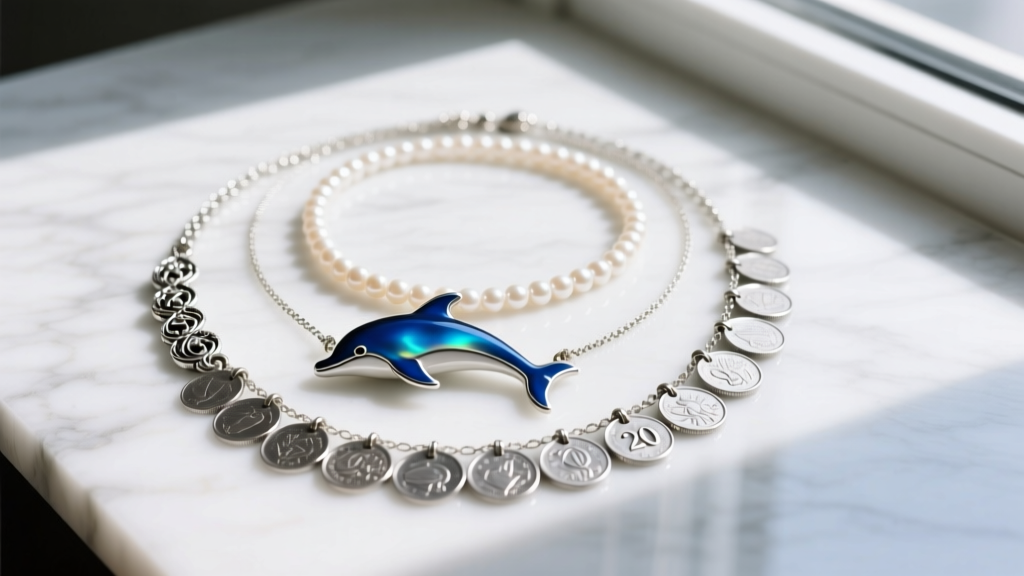
- Mid Layer (18 inches): Introduce a contrasting texture or material. A strand of baroque freshwater pearls or a matte-finished silver bead chain adds visual weight and bridges the gap between casual and formal.
- Anchor Layer (20 inches): Ground the arrangement with a heavier, abstract geometric piece, such as a hammered silver coin or a rough-cut aquamarine pendant. This draws the eye downward, elongating the neck.
Neckline Compatibility
The sweeping, horizontal lines of a dolphin pendant pair best with necklines that mimic or frame its shape. Deep V-necks and scoop necks provide an ideal canvas, allowing the pendant to rest against bare skin. Conversely, avoid wearing detailed dolphin pendants over busy, ruffled high-neck blouses, as the intricate metalwork will clash with the fabric's texture, resulting in a visually cluttered silhouette.
Market Tiers: What Should You Actually Pay?
Understanding the pricing matrix of sterling silver jewelry prevents overpaying for mass-market items disguised as artisan craft. Here is what you should expect to pay for a genuine sterling silver dolphin necklace in the current market:
Tier 1: Mass Market & Fast Fashion ($25 - $55)
Pieces in this range are typically hollow-cast or die-struck to save on silver weight. They often feature flash-plated rhodium that degrades quickly. The bails (the loop connecting the pendant to the chain) are usually soldered poorly and represent the primary failure point. These are acceptable for seasonal wear but lack heirloom longevity.
Tier 2: Mid-Tier Artisan & Boutique ($80 - $160)
This is the sweet spot for quality. Expect solid lost-wax castings weighing between 5 and 10 grams, thick rhodium plating (0.1 microns), and secure, integrated hidden bails. Many artisans in this tier also incorporate subtle gemstone accents, such as a 2mm bezel-set turquoise or moonstone inlay on the dolphin's body, elevating the design.
Tier 3: Luxury & Designer ($250+)
At the luxury tier, you are paying for brand prestige and advanced techniques like guilloché enamel work on the dolphin's underbelly, or pavé-set diamond melee along the dorsal fin. The chains included are often custom-milled, featuring proprietary clasps and heavy-duty soldering.
Care and Maintenance: Preventing the "Black Silver" Effect
Even the highest quality sterling silver dolphin necklace requires deliberate maintenance to preserve its luster. The copper alloyed within the 925 silver reacts with humidity, sulfur compounds in the air, and the natural pH of your skin. To prevent the formation of black silver sulfide:
- Storage: Never leave your necklace exposed on a bathroom counter. Store it in an airtight polyethylene ziplock bag alongside a 3M anti-tarnish strip, which absorbs ambient sulfur gases.
- Chemical Avoidance: Apply perfumes, hairsprays, and sunscreens at least 10 minutes before putting on your jewelry. The alcohols and aerosolized oils can degrade the rhodium plating and leave a cloudy film in the pendant's crevices.
- Polishing: Use a treated jeweler's cloth (such as a Sunshine cloth) for routine polishing. If your dolphin pendant features inlaid porous stones like turquoise or opal, never use liquid silver dips or ultrasonic cleaners, as these will strip the stone's natural oils and cause micro-fractures.
By understanding the metallurgy, structural nuances, and styling potential of the sterling silver dolphin necklace, you can confidently invest in a piece that honors marine heritage while remaining firmly anchored in contemporary 2026 fashion.


