Beginner's Guide to Buying a Sterling Silver Flower Necklace
Discover how to choose, style, and care for a sterling silver flower necklace. Learn about 925 silver grades, chain types, and tarnish prevention.

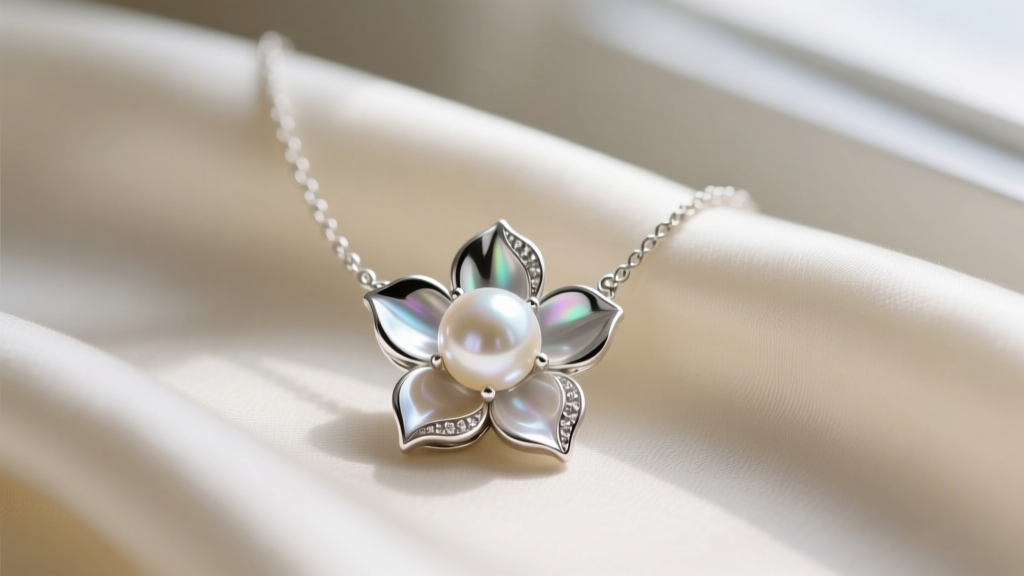
Floral jewelry has remained a steadfast staple in accessories for centuries, but navigating the metals market as a beginner can feel overwhelming. If you are looking to invest in a sterling silver flower necklace, you are making a choice that balances everyday durability with timeless elegance. However, not all silver jewelry is created equal. From deciphering hallmark stamps to understanding how different chain links interact with delicate floral pendants, there is a science to selecting the perfect piece.
This comprehensive guide will walk you through the exact specifications, craftsmanship details, and maintenance routines you need to know before making your purchase. Whether you are buying a gift or treating yourself, understanding these fundamentals ensures your floral pendant remains a cherished staple in your wardrobe for decades.
Decoding the Metal: What "925 Sterling Silver" Actually Means
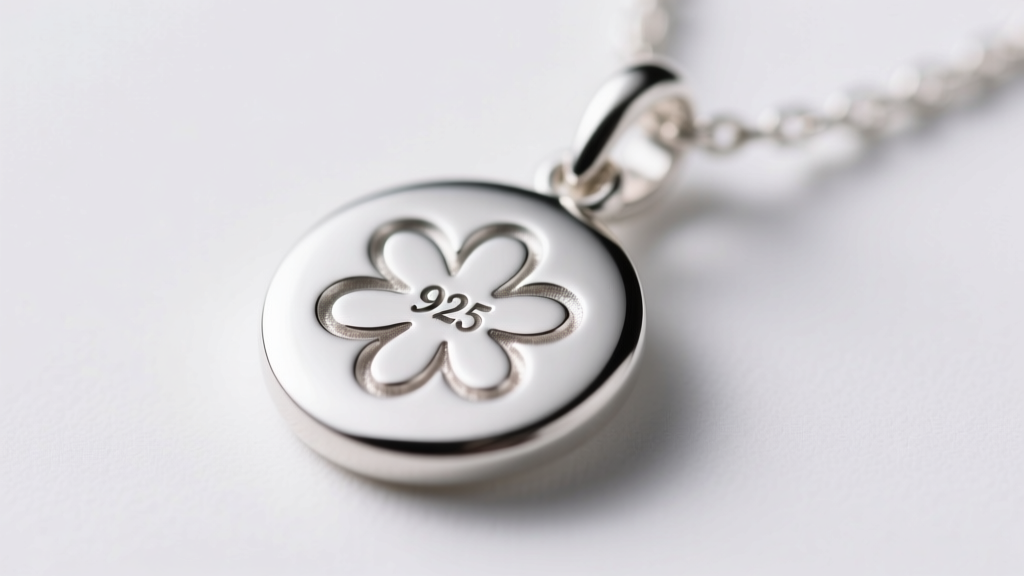
When shopping for a sterling silver flower necklace, the most critical detail to verify is the metal purity. Pure silver, often labeled as 999 fine silver, is exceptionally soft. On the Mohs scale of mineral hardness, pure silver ranks around 2.5 to 3, meaning it can be easily scratched, bent, or warped by everyday wear. A delicate floral petal crafted from fine silver would quickly lose its shape.
To solve this, metallurgists create sterling silver, an alloy consisting of exactly 92.5% pure silver and 7.5% secondary metals—most commonly copper. According to the The Silver Institute, this specific ratio provides the ideal balance between the brilliant luster of silver and the structural integrity required for intricate jewelry designs. The copper addition increases the hardness, allowing jewelers to cast detailed flower petals, stamp crisp textures, and securely set gemstones without the metal compromising its form.
The Rhodium Plating Factor
As a beginner, you should also look for pieces that mention "rhodium plating." Rhodium is a precious metal from the platinum family. A microscopic flash plating (usually between 0.1 and 0.5 microns thick) is often applied over sterling silver to create a brilliant, mirror-like finish and act as a barrier against tarnish. If a product description does not mention rhodium, the silver will have a slightly warmer, softer glow and will require more frequent polishing.
Anatomy of a Floral Pendant: Craftsmanship Techniques
The visual appeal of your necklace depends heavily on how the floral motif was manufactured. Mass-produced pieces differ vastly from artisan-crafted jewelry in both price and detail. Here is a breakdown of the three primary techniques used to create floral pendants:
- Die Striking / Stamping: A machine presses a steel die into a flat sheet of sterling silver. This creates sharp, crisp edges and is highly durable. Stamped flower necklaces are usually lightweight and range from $25 to $60. They are excellent for minimalist, everyday wear.
- Lost-Wax Casting: A 3D model is carved in wax, encased in plaster, and melted away, leaving a mold into which molten silver is poured. This allows for deep, three-dimensional floral designs with undercuts and textured petals. Cast pendants are heavier, more expensive ($80 to $250+), and offer a luxurious, sculptural feel.
- Hand Engraving & Repoussé: Artisans use tiny steel gravers to carve floral patterns into the metal, or hammer the metal from the reverse side to create raised relief designs (repoussé). These are premium, heirloom-quality pieces that command higher prices due to the intense labor involved.
Expert Tip: Always check the prongs if your flower necklace includes a center gemstone (like a cubic zirconia, moonstone, or pearl). Ensure the silver prongs are thick enough to secure the stone and are not merely glued in place, which is a common failure mode in low-quality fashion jewelry.
Matching the Chain: Lengths and Link Styles
A beautiful floral pendant can be completely ruined if paired with the wrong chain. The chain must support the weight of the pendant without overpowering the delicate nature of the flower. Furthermore, the Federal Trade Commission (FTC) Jewelry Guides mandate that chains sold as sterling silver must also meet the 925 purity standard, so ensure the clasp bears the same hallmark as the pendant.
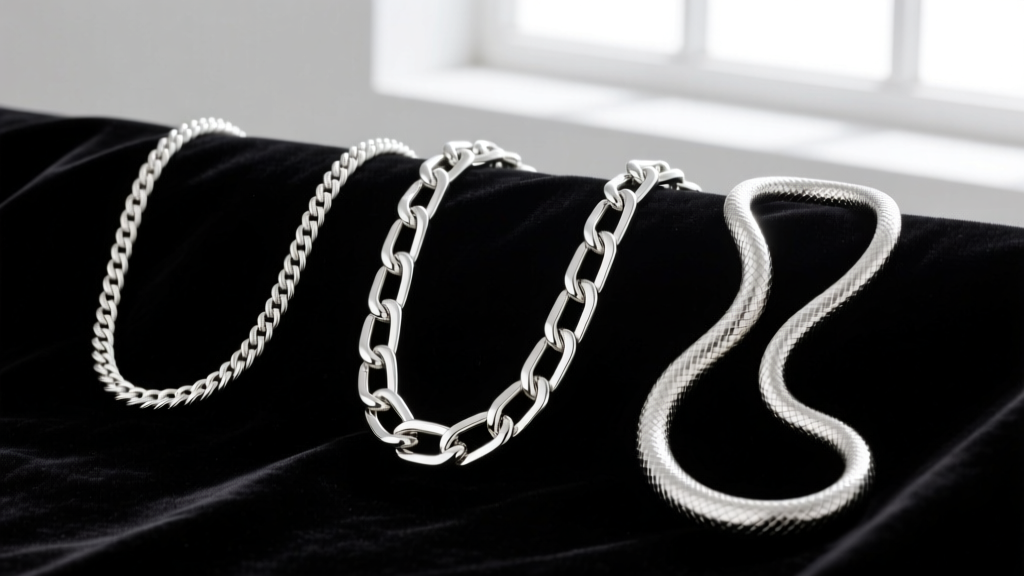
Below is a comparison of the most common chain styles paired with floral pendants:
| Chain Style | Width Range | Durability & Characteristics | Best Pendant Weight |
|---|---|---|---|
| Cable Chain | 0.8mm - 1.2mm | Classic oval links. Delicate but can snag if pulled. Traditional look. | Light (Under 5g) |
| Box Chain | 1.0mm - 1.5mm | Square links woven together. Extremely durable, lies flat, rarely breaks. | Medium (5g - 15g) |
| Rope Chain | 1.5mm - 2.5mm | Twisted links that reflect light beautifully. Very strong but can pull hair. | Heavy (Over 15g) |
| Snake Chain | 1.0mm - 2.0mm | Smooth, tubular, and flexible. Sleek look but prone to kinking if bent. | Light to Medium |
Selecting the Right Length
For a floral pendant, the drop length dictates the styling impact. A 16-inch choker length sits tightly at the base of the neck, making a small silver flower look like a subtle tattoo or a delicate collar. An 18-inch princess length is the most versatile, allowing the flower to rest perfectly on the collarbone, visible above most crew and scoop necklines. For a dramatic, bohemian look, opt for a 24-inch opera length, allowing a larger, cast floral pendant to rest over the sternum.
Styling Your Flower Necklace for Different Necklines
Understanding how to frame your necklace with your clothing is key to maximizing its visual impact. Here is a quick styling framework:
- V-Neck Tops & Dresses: The natural geometry of a V-neck draws the eye downward. Pair it with an 18-inch or 20-inch chain so the flower pendant sits exactly in the center of the V, elongating the neck.
- Crew Necks: Because the fabric sits high and close to the neck, choose a shorter 16-inch chain with a smaller, flatter die-struck flower. Chunky cast flowers will compete with the fabric line and look cluttered.
- Off-the-Shoulder & Scoop Necks: These expose the collarbone and upper chest. This is the perfect canvas for a layered look. Combine your sterling silver flower necklace with a simple, gemstone-free silver chain of a different length to create depth.
- Button-Down Shirts: Leave the top two buttons undone and let a delicate floral pendant rest against the skin. The contrast between the structured cotton and the organic, natural motif of the silver flower creates a highly sophisticated, effortless aesthetic.
The Tarnish Truth: Care and Maintenance
The most common complaint among beginners is that their sterling silver flower necklace turns black or dull over time. This is not a sign of fake silver; rather, it is a chemical reaction. The 7.5% copper in the alloy reacts with sulfur compounds in the air, humidity, and everyday products (like perfume, hairspray, and lotions) to form silver sulfide, which appears as a dark tarnish.
Proactive Prevention
The easiest way to maintain your necklace is through proactive wear and storage. The natural oils from your skin actually help polish sterling silver and slow down tarnishing, meaning wearing your necklace frequently is beneficial. When you take it off, never leave it on a bathroom counter where humidity is high. Instead, store it in an airtight ziplock bag with an anti-tarnish silica strip or a piece of anti-tarnish chalk.
Safe Cleaning Methods
If your floral pendant has already accumulated tarnish, avoid harsh chemical dips, especially if the flower design features gemstones, pearls, or oxidized (intentionally blackened) crevices. Chemical dips will strip the oxidation, leaving the piece looking flat and unnatural.
- The Soap Bath: Mix a few drops of mild, phosphate-free dish soap into a bowl of warm water. Let the necklace soak for 5 to 10 minutes.
- Gentle Agitation: Use a baby toothbrush with ultra-soft bristles to gently sweep away dirt from the crevices of the flower petals. Do not scrub aggressively.
- Drying: Rinse under cool water and pat completely dry with a microfiber cloth. Ensure no moisture is trapped in the clasp or behind the gemstone settings.
- Polishing: Finish by gently buffing the high points of the silver petals with a specialized silver polishing cloth. These cloths are treated with microscopic abrasives that remove tarnish without scratching the metal.
By understanding the metallurgy, craftsmanship, and care requirements of a sterling silver flower necklace, you transition from a casual shopper to an informed collector. You will know exactly what to look for in the hallmark, how to match the chain to the pendant's weight, and how to preserve the brilliant shine of the silver for years to come.


