Sterling Silver Sister Necklace: Material Properties & Care
Discover the metallurgy, durability, and care tips for a sterling silver sister necklace. Compare 925 silver to alternative metals for daily wear.

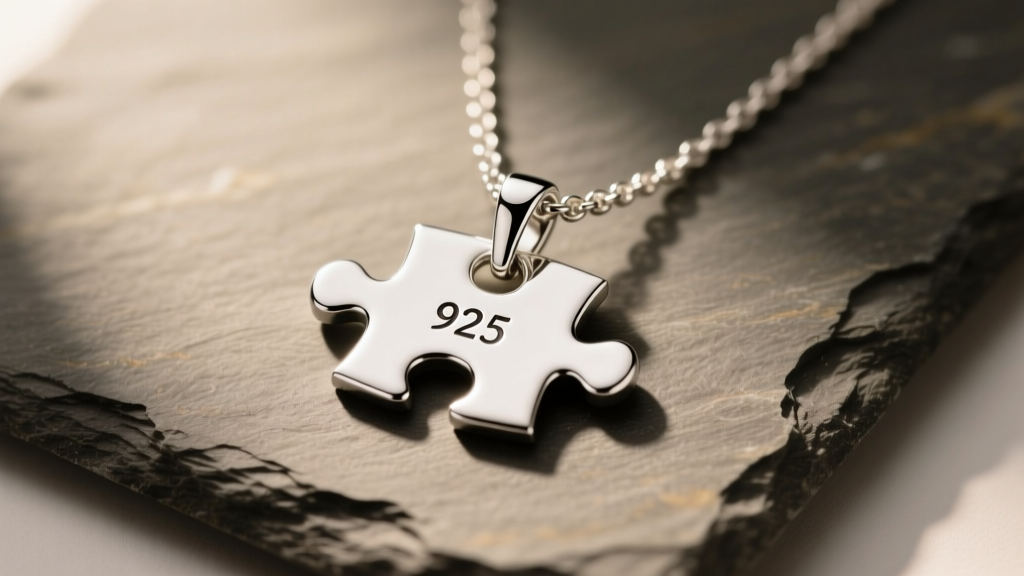
A sterling silver sister necklace is more than just a fashion accessory; it is a sentimental anchor. Whether designed as interlocking hearts, split puzzle pieces, or complementary birthstone pendants, these pieces are meant to be worn daily as a constant reminder of your bond. However, because sister necklaces are subjected to the rigors of everyday wear—sleeping, showering, and friction against clothing—the material properties of the metal are just as important as the design itself.
While sterling silver remains the undisputed champion for sentimental jewelry due to its balance of affordability, luster, and hypoallergenic properties, not all silver is created equal. In this comprehensive material guide, we break down the exact metallurgy of 925 silver, compare it against modern alternatives, and provide actionable frameworks for choosing a chain that will survive years of daily wear.
The Metallurgy of 925 Sterling Silver
Pure silver (99.9% fine silver) is too soft for functional jewelry. A pendant crafted from fine silver would easily bend, warp, and lose its structural integrity within weeks of daily wear. To solve this, metallurgists alloy pure silver with other metals to create sterling silver. According to the Gemological Institute of America (GIA), the standard for sterling silver requires a minimum of 92.5% pure silver and 7.5% alloy metals, most commonly copper.
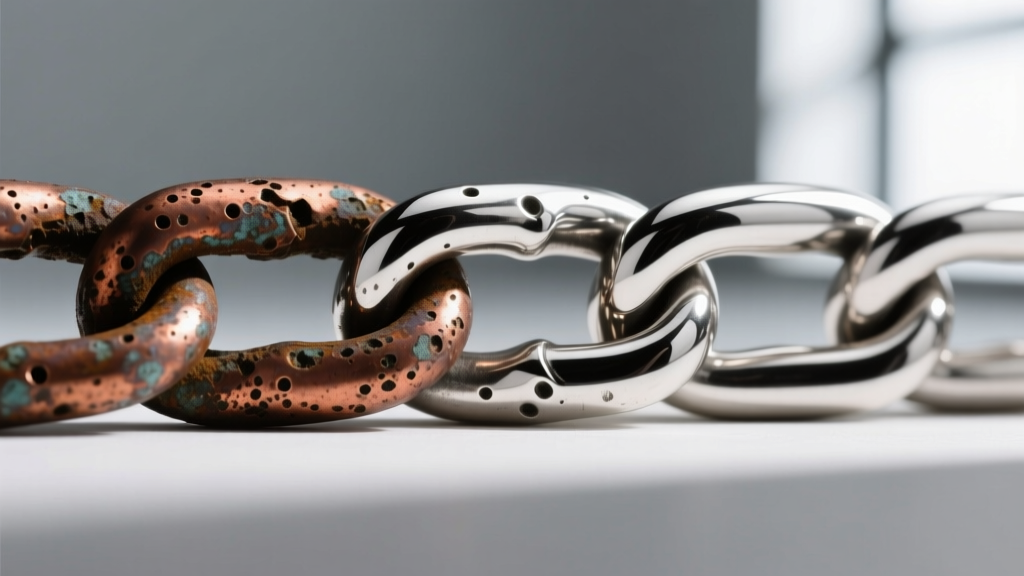
This 7.5% copper addition is a double-edged sword. On one hand, it dramatically increases the tensile strength and hardness of the metal, allowing jewelers to cast intricate sister pendant designs (like interlocking knots or detailed engraving) that hold their shape. On the other hand, copper is highly reactive to sulfur and oxygen in the atmosphere, which is the primary cause of tarnish.
The Argentium Alternative
For those seeking an upgrade, some high-end jewelers now use Argentium silver (typically 93.5% or 96.0% silver). Argentium replaces a portion of the copper with germanium. This elemental swap creates a transparent germanium oxide layer on the surface of the metal, making it highly resistant to tarnish and eliminating the need for frequent polishing. If your budget allows, an Argentium sterling silver sister necklace will maintain its bright white luster significantly longer than traditional 925 copper-alloyed silver.
Material Comparison: Silver vs. Alternatives for Sister Pendants
When shopping for a sister necklace, you will frequently encounter alternative metals marketed as "durable" or "tarnish-free." Below is a data-driven comparison of how 925 sterling silver stacks up against other common metals used in sentimental jewelry.
| Metal Type | Composition | Tarnish Risk | Avg. Price (2-Piece Set) | Durability & Wear |
|---|---|---|---|---|
| 925 Sterling Silver | 92.5% Ag, 7.5% Cu | Moderate (Reacts to sulfur) | $45 - $120 | High (Scratches but won't shatter) |
| 316L Stainless Steel | Iron, Chromium, Nickel, Moly | Very Low | $20 - $50 | Extremely High (Highly scratch-resistant) |
| Gold Vermeil | 925 Silver base, 2.5µm Gold plate | Low (Until plating wears off) | $80 - $200 | Moderate (Plating will eventually wear) |
| Platinum | 95% Pt, 5% Ruthenium/Iridium | None | $800 - $2,000+ | Extremely High (Develops a patina, no metal loss) |
While 316L stainless steel is virtually indestructible and immune to tarnish, it lacks the intrinsic value, heirloom quality, and bright white reflectivity of precious metals. Gold vermeil offers a beautiful aesthetic, but the friction of daily wear will eventually wear through the gold layer, exposing the silver beneath and requiring costly re-plating. For a balance of precious metal value, repairability, and sentimental weight, 925 sterling silver remains the optimal choice.
Tarnish, Wear, and Structural Failure Modes
The most common complaint regarding sterling silver is tarnish—a dark, dull layer of silver sulfide that forms when the copper alloy reacts with hydrogen sulfide in the air. However, structural failure is a much bigger threat to the longevity of a sister necklace than cosmetic tarnish. Understanding how these necklaces break allows you to make smarter purchasing decisions.
The Jump Ring Vulnerability
The pendant on a sister necklace is typically attached to the chain via a jump ring. In mass-produced, lower-cost jewelry, these jump rings are "open" (a simple slit in the metal). Over time, the friction of the pendant sliding back and forth will slowly twist the open jump ring apart, resulting in a lost pendant. Actionable advice: Always inspect the jump ring connecting the sister pendants. Look for a soldered jump ring (a ring that has been fused completely shut with a laser or torch) or a heavy-gauge split ring (similar to a miniature keychain ring).
Clasp Fatigue: Spring Ring vs. Lobster
Spring-ring clasps are standard on delicate silver chains, but their internal tension springs are notoriously prone to fatigue and snapping, especially on chains thinner than 1.0mm. For a daily-wear sister necklace, insist on a lobster clasp. Lobster clasps feature a solid internal mechanism and a wider opening, making them vastly superior for long-term security and easier to operate with one hand.
Sizing, Gauges, and Chain Styles for Daily Wear
The chain is the structural backbone of your necklace. Sister pendants—especially interlocking designs or puzzle pieces—carry slightly more weight and experience more localized friction than a simple, flat solitaire pendant. Therefore, chain gauge (thickness) and link style are critical.
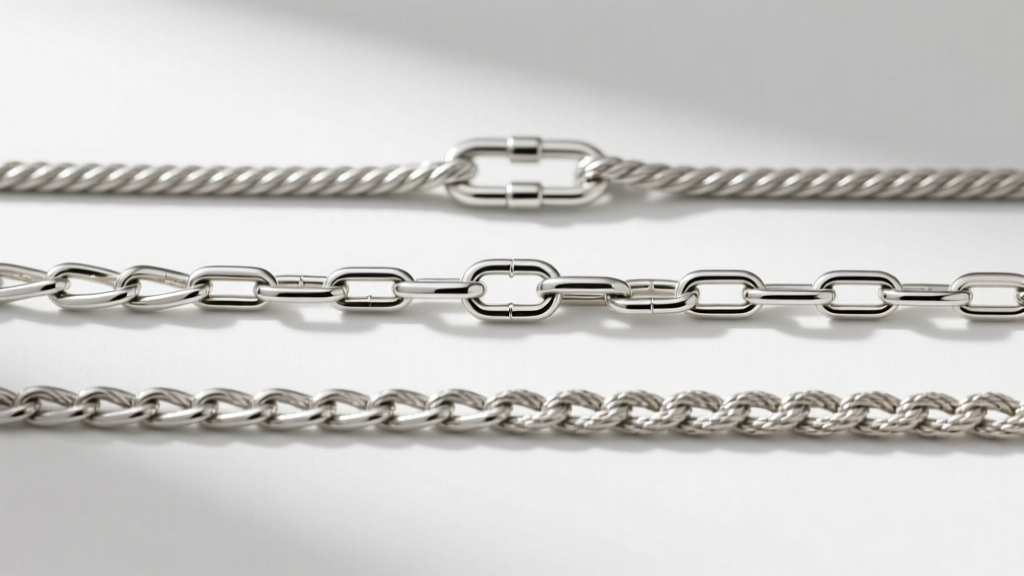
- Box Chains (1.0mm - 1.5mm): The gold standard for daily wear. The square, interlocking links distribute tension evenly and lay flat against the collarbone. A 1.2mm box chain offers the perfect balance of delicate aesthetics and high tensile strength.
- Cable Chains (0.8mm - 1.2mm): Classic and lightweight, but the oval links can stretch if the necklace is snagged on clothing. Only choose a cable chain if the wire gauge is at least 1.0mm thick.
- Rope Chains (Hollow vs. Solid): Avoid hollow rope chains at all costs. They are lightweight and cheap to produce, but if a link kinks or crushes, they are virtually impossible for a jeweler to repair. Solid rope chains are beautiful but can pull body hair and snag on knit sweaters.
Regarding length, the standard 18-inch chain sits perfectly at the collarbone for most women, allowing interlocking sister pendants to rest in the visible "V" of the neckline. If your sister prefers layered looks or wears higher-necked tops, a 20-inch chain with a 2-inch extender provides crucial versatility.
Authentication and Long-Term Care Framework
The Federal Trade Commission (FTC) Jewelry Guides strictly regulate the marking of precious metals in the United States. Any legitimate sterling silver sister necklace must bear a quality mark such as "925", "Sterling", or "Ster". This mark is usually stamped on the back of the pendant bail, the clasp, or a small metal tag near the clasp. If the piece lacks this hallmark, assume it is silver-plated base metal, which will eventually flake and cause skin irritation.
"Sentimental jewelry is meant to be lived in, not locked in a vault. A little tarnish on a silver sister necklace is simply a record of the time it has spent close to your skin and out in the world with you."
The Daily Care Protocol
To maintain the structural integrity and visual brilliance of your 925 silver piece without causing micro-scratches, follow this care protocol:
- Avoid Chemical Dips: Never use liquid "instant" silver dips. These contain harsh thiourea acids that strip the natural patina, leave a porous white residue, and accelerate future tarnishing.
- Use a Treated Cloth: Keep a jeweler's rouge-impregnated polishing cloth (such as a Sunshine cloth) in your nightstand. Give the pendants a quick 10-second buff once a week to remove oils and early-stage sulfur oxidation.
- Proper Storage: When traveling or storing the necklace, place it in an airtight polyethylene ziplock bag along with an anti-tarnish silica strip (like 3M Anti-Tarnish tabs). This starves the ambient air of sulfur and moisture, keeping the silver bright for months.
By prioritizing solid construction, secure soldered jump rings, and proper 925 metallurgy, your sterling silver sister necklace will remain a brilliant, enduring symbol of your bond for decades to come.


