Stevie Nicks Moon Necklace: Budget & Value Assessment
Assess the true value of a Stevie Nicks moon necklace. Compare pricing tiers, metal grades, and chain hardware to find the best celestial piece.

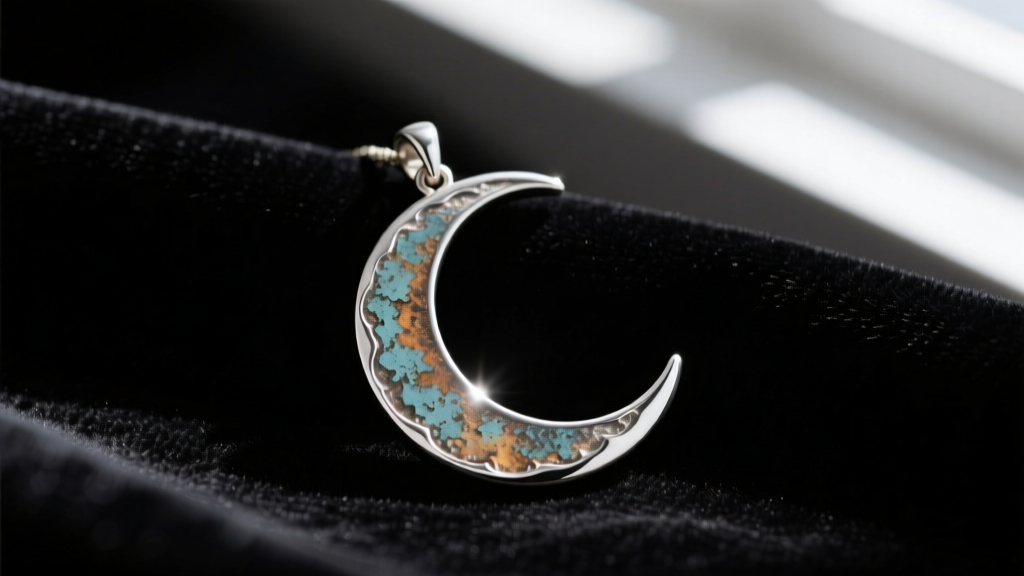
The Mystique of the Celestial Pendant
When fans, stylists, and collectors search for a Stevie Nicks moon necklace, they are rarely looking for a single, mass-produced SKU. Instead, they are chasing an aesthetic: the bohemian, mystical, and deeply romantic celestial motifs that the Fleetwood Mac icon has championed since the 1970s. From her iconic crescent moon pendants layered over lace shawls to star-and-moon charm clusters, the "Stevie Nicks style" is a permanent fixture in jewelry trend radars. However, as we navigate the 2026 vintage and artisan jewelry market, the search term has been hijacked by everything from $12 dropshipped zinc-alloy trinkets to $800 luxury estate pieces.
How do you separate authentic, high-value bohemian jewelry from overpriced costume pieces? This budget and value assessment breaks down the metallurgy, hardware, and market tiers of celestial moon necklaces, ensuring your investment matches the magic of the aesthetic.
Decoding the Market: Pricing Tiers for Moon Necklaces
The market for crescent and full-moon pendants is heavily fragmented. To accurately assess value, we must categorize the current landscape into three distinct tiers. Understanding where a piece falls on this spectrum is the first step in avoiding buyer's remorse.
| Market Tier | Primary Materials | Price Range (2026) | Value Verdict |
|---|---|---|---|
| Fast Fashion | Zinc alloy, thin brass plating, glass | $15 - $35 | Poor longevity; high tarnish and skin-irritation risk. |
| Mid-Tier Artisan | Solid brass, bronze, 925 sterling silver | $60 - $140 | Excellent value; captures the authentic, raw bohemian feel. |
| Luxury & Estate | 18k gold, heavy vermeil, vintage 70s silver | $250 - $800+ | Investment grade; high collector and heirloom appeal. |
If you are seeking the genuine Stevie Nicks aesthetic—which relies on pieces that look as though they have traveled the world with you—the Mid-Tier Artisan category offers the highest return on investment. Fast fashion pieces lack the necessary weight and drape, while luxury pieces often sacrifice the "earthy" bohemian vibe for high-polish perfection.
Material Breakdown: What Are You Actually Paying For?
The pendant's base metal dictates not only its price but its failure rate. According to the Gemological Institute of America (GIA), understanding metal alloys is crucial for assessing jewelry longevity. Here is how the most common moon pendant materials stack up in terms of value.
Zinc Alloy and Pot Metal (The Trap)
Often marketed deceptively as "antique silver" or "Tibetan silver," these are actually zinc alloys plated with a microscopic layer of nickel or brass. They cost pennies to manufacture. Within months, the plating flakes off, exposing the porous, reactive base metal that turns skin green and cannot be polished back to life. Value assessment: Avoid entirely, regardless of the low price tag.
Solid Brass and Bronze (The Bohemian Sweet Spot)
Stevie Nicks' 1970s era was defined by heavy, earthy metals. Solid brass and bronze are phenomenal choices for moon pendants because they develop a rich, dark patina over time. This oxidation mimics the look of a genuine vintage estate piece. A solid brass crescent moon pendant should cost between $45 and $85. If a seller is charging $150 for un-stamped brass, you are paying for a brand name, not the material.
925 Sterling Silver and Vermeil (The Heirloom Standard)
For a piece that will last decades, 925 sterling silver is the baseline requirement. However, if you prefer the warm glow of gold, you must look for vermeil, not standard gold plating. The Jewelers of America and FTC guidelines dictate that true vermeil must consist of a 925 sterling silver base coated with at least 2.5 microns of 10k, 14k, or 18k gold. Standard gold-plated brass will wear through to the base metal within a year of daily wear, whereas high-micron vermeil can last a decade with proper care.
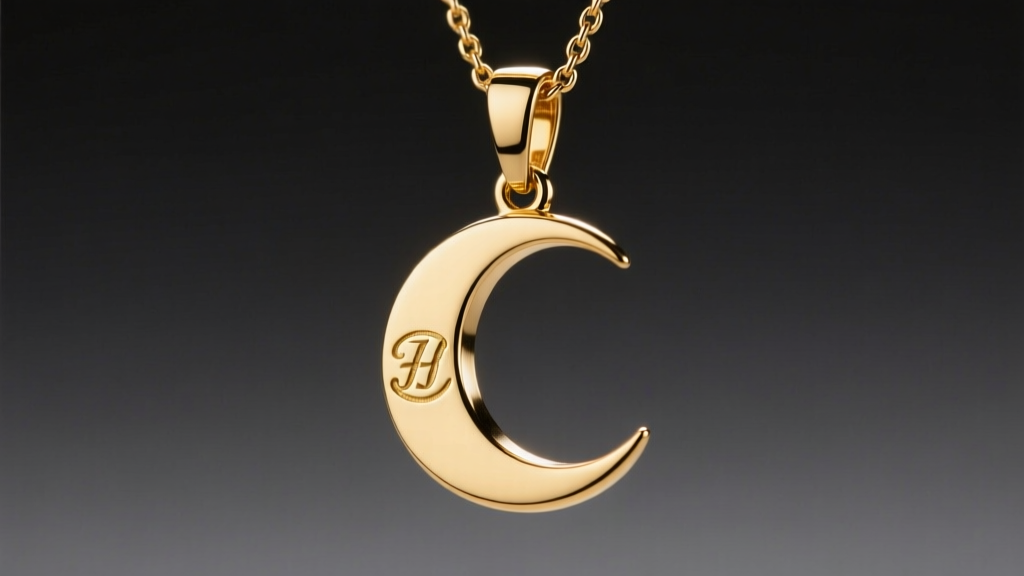
The Chain Factor: Don't Ignore the Hardware
A common mistake buyers make when hunting for a Stevie Nicks-inspired celestial necklace is hyper-focusing on the pendant while ignoring the chain and hardware. A heavy, solid-brass moon pendant suspended on a cheap, hollow chain is a guaranteed recipe for a broken necklace and a lost treasure.
Chain Gauge and Weave
Celestial pendants tend to be dense. For a medium-sized moon pendant (roughly 1 to 1.5 inches across), you need a chain with a minimum thickness of 1.2mm to 1.5mm.
- Cable Chains: Classic and delicate, but prone to kinking if the gauge is below 1.0mm.
- Rolo Chains: Featuring uniform, interlocking round links, rolo chains offer superior structural integrity and a distinctly vintage, rugged aesthetic that perfectly complements the bohemian moon motif.
- Snake Chains: Avoid these for heavy pendants. The tight, smooth surface of a snake chain is easily dented and permanently kinked by the weight of a swinging crescent pendant.
Clasp and Jump Ring Integrity
Inspect the clasp. Spring-ring clasps are standard on budget chains but are notoriously difficult to operate and prone to internal spring failure. A high-value necklace will feature a lobster claw clasp or a sturdy toggle clasp. Furthermore, check the jump ring (the small loop connecting the clasp to the chain). On high-quality artisan pieces, this jump ring will be soldered shut, meaning there is no gap for the chain to slip through if pulled. If the jump ring is merely pinched shut, it is a hallmark of mass-produced, low-value assembly.
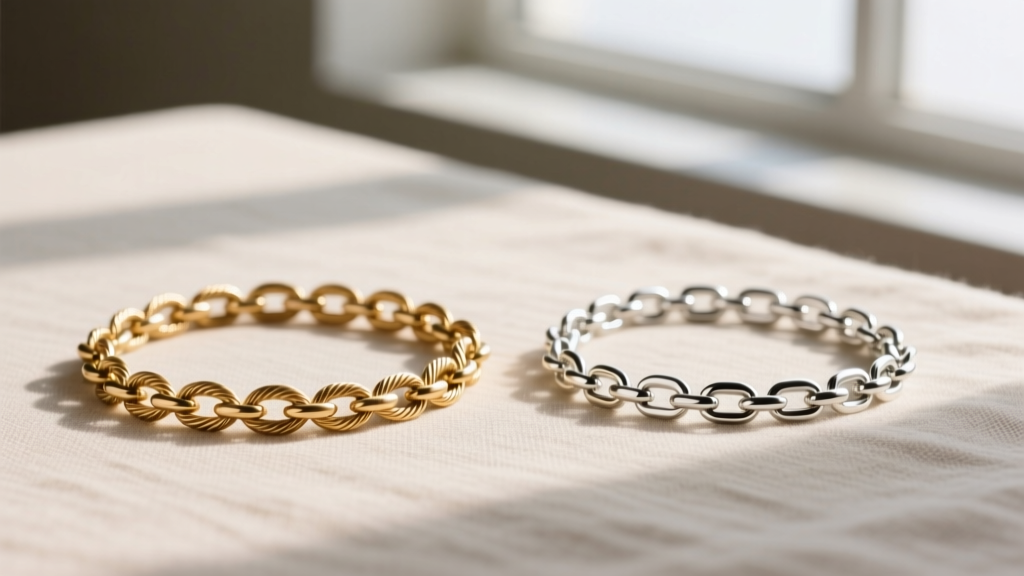
Spotting Authentic Vintage vs. Modern Replicas
The secondary market is flooded with modern replicas artificially aged to look like 1970s vintage pieces. If you are paying a premium for an "authentic 70s Stevie Nicks era" moon necklace, you must know how to verify its age and value.
1. Look for Maker's Marks: Genuine vintage artisan pieces from the 70s and 80s often feature stamped maker's marks or silver purity stamps (like "925" or "Sterling") on the back of the pendant or the bail. Modern dropshipped replicas are almost entirely blank. 2. Examine the Patina: Authentic aged silver or brass has a complex, multi-tonal oxidation that settles deeply into the crevices of the moon's craters and engravings. Fake "antique" finishes are often achieved via a uniform, painted-on blackening agent that looks flat and smells faintly of chemicals or paint thinner. 3. Check the Bail Construction: Vintage pendants frequently feature a "pinch bail" or a soldered loop that is integrated into the wax-cast mold of the pendant itself. Modern cheap replicas often use glued-on glue-bails, which fail when exposed to body heat and humidity over time.
Final Verdict: Where Should You Invest Your Budget?
To capture the true essence of a Stevie Nicks moon necklace without overpaying for luxury markups or wasting money on disposable fast fashion, aim for the $75 to $130 range. In this bracket, you can secure a solid 925 sterling silver or heavy brass crescent pendant with a rich, hand-oxidized patina, paired with a 1.5mm soldered rolo chain and a secure lobster clasp. This combination guarantees the dramatic, mystical drape required for the bohemian aesthetic, while providing the structural integrity necessary for decades of wear. Value in jewelry is not just about the raw cost of the metal; it is about the piece's ability to endure, tell a story, and become a permanent part of your personal style mythology.


