Why You Get Green Skin From Necklace Metals and How to Fix It
Discover why you get green skin from necklace chains. Learn which metal alloys cause staining and how to choose hypoallergenic jewelry for everyday wear.

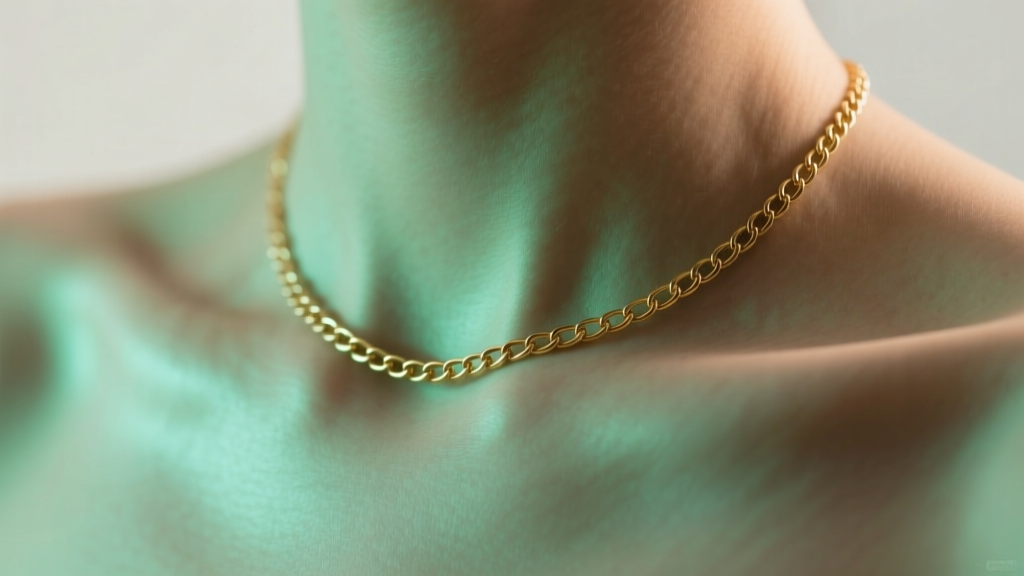
There are few things more frustrating in jewelry styling than removing your favorite pendant after a long day, only to discover a stubborn, dark green ring circling your neck. While many consumers mistakenly blame this discoloration on an allergic reaction or poor hygiene, the reality is rooted in basic chemistry. In 2026, as layering mixed metals and vintage-inspired brass pieces continues to dominate trend reports, understanding the material science behind your jewelry is no longer optional—it is essential for maintaining both your skin and your style.
If you are constantly battling green skin from necklace chains, you are likely dealing with copper oxidation. This comprehensive guide breaks down the exact metallurgical reasons behind the stain, analyzes the current market shift toward advanced coatings, and provides actionable frameworks for building a stain-proof, hypoallergenic necklace stack.
The Chemistry of the Stain: Why Metals React
The green tint left on your skin is not a sign that your jewelry is 'toxic,' nor is it an indicator of a skin allergy. It is the result of a chemical reaction called oxidation. Most affordable gold and silver-toned jewelry is crafted from base metals like brass, bronze, or copper, which are then electroplated with a microscopic layer of gold or rhodium.
Human sweat is mildly acidic, with a pH typically ranging from 4.0 to 6.8. It contains water, salts, lactic acid, and urea. When the thin plating on a necklace wears away—usually at high-friction areas like the clasp or the back of the neck—the underlying copper is exposed to your skin's acids and oxygen. This reaction produces copper chloride and copper sulfate, which are green compounds that easily transfer to the epidermis.
Expert Insight: According to the American Academy of Dermatology, true metal allergies (contact dermatitis) present as red, itchy, and raised rashes, most commonly triggered by nickel. A flat, green stain without itching is purely a chemical oxidation issue, not an immune response.
2026 Trend Analysis: The Shift to PVD and Vermeil
The jewelry market has seen a massive pivot in how brands approach affordable luxury. The traditional method of flash-plating brass with 0.1 microns of gold is being rapidly abandoned by reputable mid-tier brands due to high return rates from tarnished pieces and stained skin.

Physical Vapor Deposition (PVD) on 316L Steel
Leading the charge in 2026 is PVD coating applied to 316L surgical stainless steel. PVD is a vacuum-sealed process that bonds gold molecules to the steel at a molecular level, resulting in a coating that is up to 10 times thicker and more durable than traditional electroplating. Because 316L steel contains zero copper and is highly resistant to corrosion, a PVD-coated steel chain will never turn your skin green, even if the gold coating eventually wears down to the silver-toned steel beneath.
The Strict Standards of Gold Vermeil
For those who prefer precious metals, gold vermeil remains a top choice. However, the Gemological Institute of America (GIA) and international trade standards dictate that true vermeil must feature a sterling silver (.925) base—not brass—and a gold plating of at least 2.5 microns. Because sterling silver does not contain copper, it will not produce a green stain. At worst, exposed sterling silver will oxidize into a blackish tarnish, which is easily polished away and does not stain the skin.
Metal Grade Comparison Chart: What to Buy and Avoid
To build a necklace stack that won't ruin your skin or your outfits, you need to know exactly what you are buying. Use this decision matrix when shopping for everyday chains and pendants.
| Material Type | Base Metal | Plating / Composition | Green Stain Risk | Avg. Price (16" Chain) |
|---|---|---|---|---|
| Flash-Plated Brass | Brass (Copper/Zinc) | < 0.5 microns gold | Extremely High | $15 - $30 |
| Gold Vermeil | Sterling Silver (.925) | ≥ 2.5 microns gold | None | $45 - $95 |
| PVD Gold Stainless | 316L Surgical Steel | PVD Titanium Nitride/Gold | None | $35 - $70 |
| Solid 14k Gold | Gold/Silver/Copper Alloy | 58.5% Pure Gold | Low (if highly acidic sweat) | $150 - $400 |
| Grade 23 Titanium | Ti-6Al-4V (Medical) | Solid Anodized or Natural | None | $40 - $80 |
Note on Solid Gold: As detailed in Blue Nile's metal education guide, 14k gold contains 41.5% alloy metals, which often includes copper for strength. Individuals with highly acidic sweat may still experience mild green staining from 10k or 14k solid gold. Upgrading to 18k gold (75% pure) or platinum eliminates this risk entirely.
Practical Troubleshooting: How to Rescue a Stained Neck
If you have already developed a green stain from a vintage brass choker or a worn-down pendant, soap and water will rarely remove it. Copper salts bind tightly to the dead cells of the stratum corneum. Here is the dermatologist-approved protocol for breaking down the stain safely:
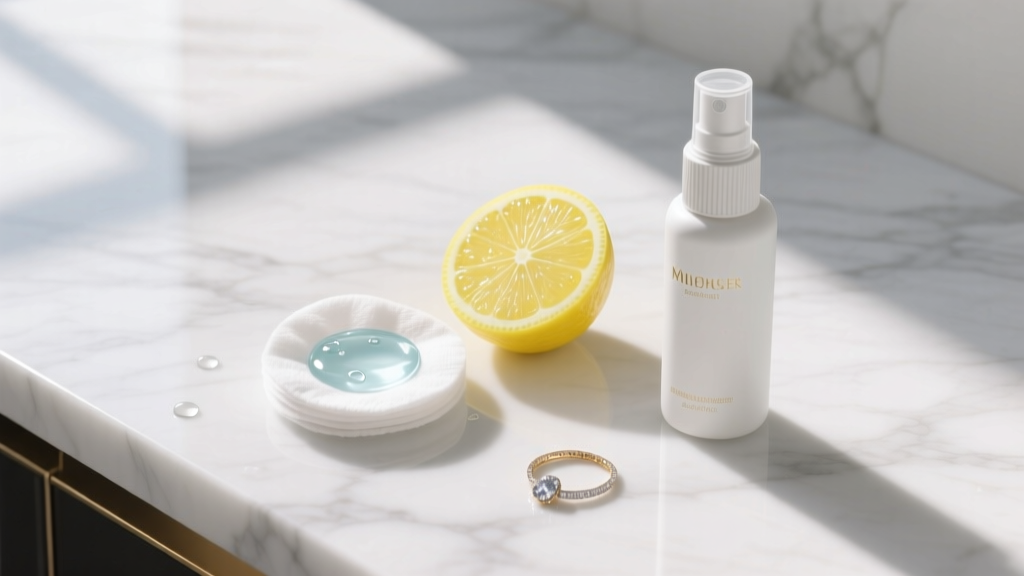
- The Citric Acid Method: Rub a fresh lemon wedge or a cotton pad soaked in diluted white vinegar over the stain. The mild acid dissolves the copper chloride instantly. Rinse with cool water and apply a ceramide-based moisturizer to repair the skin barrier.
- Micellar Water Lift: For sensitive skin, soak a cotton round in bioderma-style micellar water and press it against the stain for 30 seconds before wiping. The micelles trap the metallic salts without stripping the skin's natural oils.
- Avoid Harsh Solvents: Do not use rubbing alcohol or acetone (nail polish remover). While they might lift the stain, they severely dehydrate the epidermis and can cause contact dermatitis when combined with residual metal dust.
Styling Without Compromise: Layering Hypoallergenic Chains
The biggest necklace trend of the year involves mixing textures and lengths in a dense, curated stack. However, layering multiple chains increases friction, which accelerates the wear-and-tear on plated jewelry, exposing base metals faster. To achieve the layered look without the green neck, follow this structural framework:
The Safe-Stack Formula
- The Anchor (14" - 16"): Use a solid 14k gold or platinum choker/chain. Because it sits closest to the pulse points where sweat accumulates, it must be solid precious metal or PVD steel.
- The Mid-Layer (18" - 20"): Introduce a Grade 23 (Ti-6Al-4V) titanium chain. Titanium is entirely biocompatible, incredibly lightweight, and will never oxidize or stain. It provides an industrial, modern contrast to gold.
- The Pendant Layer (24"+): This is where you can safely wear heavier, fashion-plated brass or copper statement pendants. Because the lower chest area produces less sebum and sweat than the neck, and the pendant swings away from the skin, the risk of a green stain is drastically minimized.
Debunking the Clear Nail Polish Myth
For decades, style blogs have recommended painting the back of pendants and clasps with clear nail polish to create a barrier against skin. Stop doing this. Standard nail polish is made of nitrocellulose dissolved in volatile solvents. When exposed to the natural heat and oils of your skin, it yellows, becomes brittle, and flakes off into microscopic shards that can get trapped in chain links, ruining the jewelry's finish.
Instead, invest in a polyurethane-based jewelry guard spray or a dedicated polymer barrier cream. These modern formulations are designed to flex with the metal, remain completely invisible, and withstand the acidic pH of human sweat for up to 6 months before requiring reapplication.
Final Thoughts on Material Literacy
Experiencing green skin from necklace chains is a solvable problem that simply requires a shift in how we evaluate jewelry purchases. By moving away from flash-plated brass and embracing the durability of PVD-coated steels, thick vermeil, and solid precious metals, you can curate a necklace collection that looks luxurious, lasts for years, and leaves your skin exactly the way it should be—flawless.


