The Strong As Fuck Necklace Guide: Unbreakable Chains & Metals
Discover how to choose a strong as fuck necklace that won't snap. We compare titanium, platinum, and solid gold chains and heavy-duty clasps.

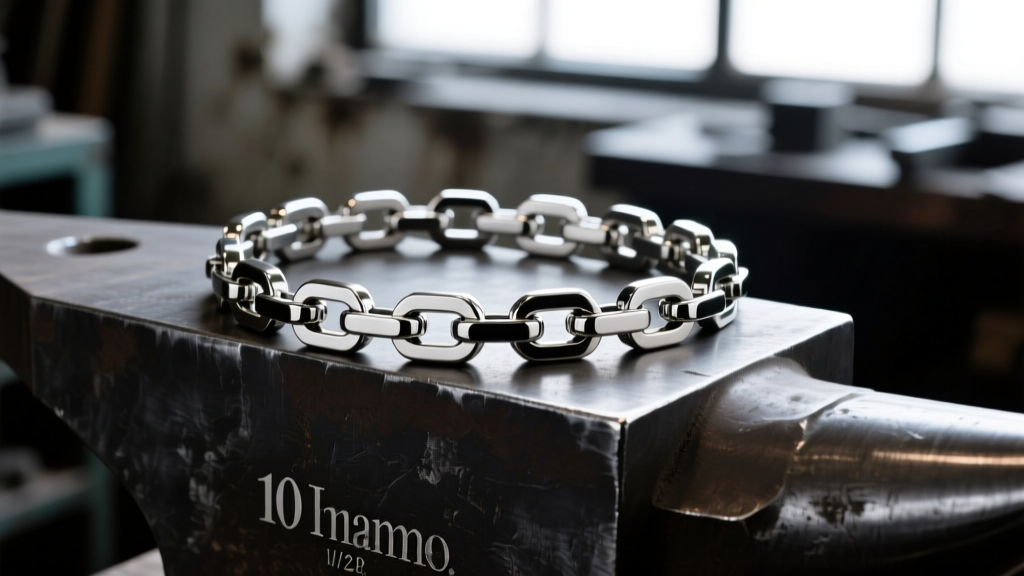
Defining the 'Strong As Fuck' Standard
When you search for a strong as fuck necklace, you are not looking for delicate fashion jewelry or hollow-core department store chains. You are looking for structural integrity, extreme tensile strength, and a piece of hardware that can survive the gym, manual labor, accidental snags, and daily wear without snapping. In the professional jewelry industry, durability is not a marketing buzzword; it is a strict science governed by metallurgy, link architecture, and clasp engineering. A chain is only as strong as its weakest soldered joint. This comprehensive buying guide strips away the fluff and dives deep into the exact material grades, chain weaves, and mechanical failure points you need to know to buy a truly unbreakable necklace in 2026.
Metallurgy Matters: Tensile Strength of Jewelry Metals
The foundation of any heavy-duty necklace is the metal alloy. Pure gold and pure silver are far too soft for rigorous daily wear. To achieve maximum durability, you must look at specific alloy compositions and their tensile strength, measured in Megapascals (MPa). According to metallurgical data referenced by the Gemological Institute of America (GIA), the way a metal handles stress, scratching, and deformation dictates its lifespan.
Grade 5 Titanium (Ti-6Al-4V)
Forget the cheap, bendable Grade 2 titanium found in mall kiosks. Grade 5 titanium, also known as aerospace-grade titanium, boasts a tensile strength of roughly 900 MPa. It is incredibly lightweight, completely hypoallergenic, and virtually impossible to snap under human-generated force. However, its extreme hardness means it cannot be resized or easily repaired by a traditional jeweler.
950 Platinum (Cobalt Alloy)
Platinum is the king of precious metals for durability, but not all platinum is created equal. Standard 950 Platinum alloyed with Ruthenium is somewhat malleable. For a truly indestructible precious metal chain, you want 950 Platinum alloyed with Cobalt. This specific mix increases the Vickers hardness and tensile strength significantly, allowing it to withstand heavy impacts without losing metal mass to scratches (it merely displaces, forming a patina).
14k Solid Gold vs. 18k Solid Gold
If you prefer the classic look of gold, 14k solid gold is inherently stronger and more scratch-resistant than 18k gold. The higher percentage of alloy metals (like copper, silver, and zinc) in 14k gold creates a tighter crystalline structure that resists stretching and snapping under tension.
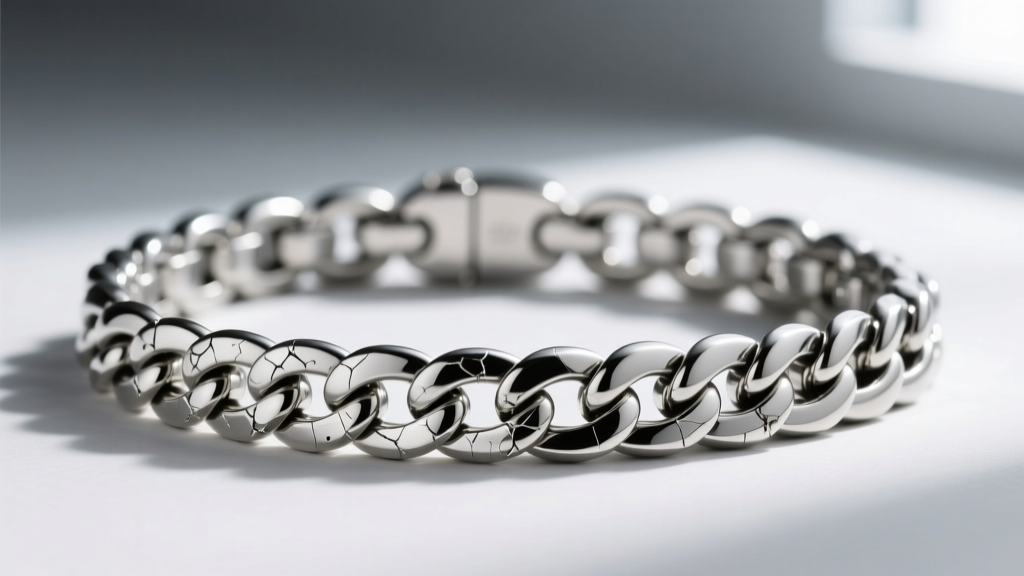
Metal Durability Comparison Chart
| Metal Alloy | Tensile Strength | Scratch Resistance | Emergency Removal |
|---|---|---|---|
| Grade 5 Titanium | ~900 MPa | Extremely High | Requires Heavy Bolt Cutters |
| 950 Platinum (Co) | ~800 MPa | High (Forms Patina) | Standard Jewelry Cutters |
| 14k Solid Gold | ~500 MPa | Medium | Standard Jewelry Cutters |
| 18k Solid Gold | ~350 MPa | Low-Medium | Easily Snapped or Cut |
| Tungsten Carbide | N/A (Brittle) | Maximum | Shatters with Vise-Grips |
Note: Tungsten Carbide has incredible compressive strength but zero tensile flexibility. It will shatter if caught on machinery. Avoid tungsten chains; stick to solid titanium or platinum for flexible durability.
Chain Link Architecture: Which Styles Resist Snapping?
Even the strongest metal will fail if the link geometry is flawed. The physical weave of the chain dictates how tension is distributed when the necklace is pulled or snagged.
The Franco Chain: The Interlocking Fortress
The Franco chain is widely considered the strongest chain style on the market. It features V-shaped links that are woven together in a continuous, four-sided interlocking pattern. Because the links are so tightly packed and multi-directional, there are no single points of failure. If one link experiences stress, the tension is immediately distributed across the surrounding matrix of links.
The Wheat Chain: Woven Durability
Wheat chains (or Spiga chains) consist of four strands of twisted oval links braided together in the same direction. This woven structure acts like a steel cable, offering immense flexibility while maintaining high resistance to pulling forces. They are excellent for holding heavy pendants because the braided surface area minimizes friction wear.
Styles to Avoid for Heavy Duty Wear
- Hollow Cable Chains: These trap air inside the links to save money. They will crush and snap under minimal pressure.
- Standard Curb Chains (Thin Gauge): Unless they are massive 10mm+ solid links, standard curbs have flat solder points that are highly susceptible to shearing when twisted.
- Box Chains: While they look geometric and sturdy, the thin pins connecting the square links are notorious for bending and snapping when subjected to lateral torque.
The Weakest Link: Clasp Mechanisms and Welding
A chain rated for 500 lbs of tensile strength is useless if it is held together by a flimsy, cast-metal spring ring clasp. According to manufacturing guidelines from Rio Grande Jewelry Supplies, the clasp and the jump rings connecting it are the most common failure points in any necklace.
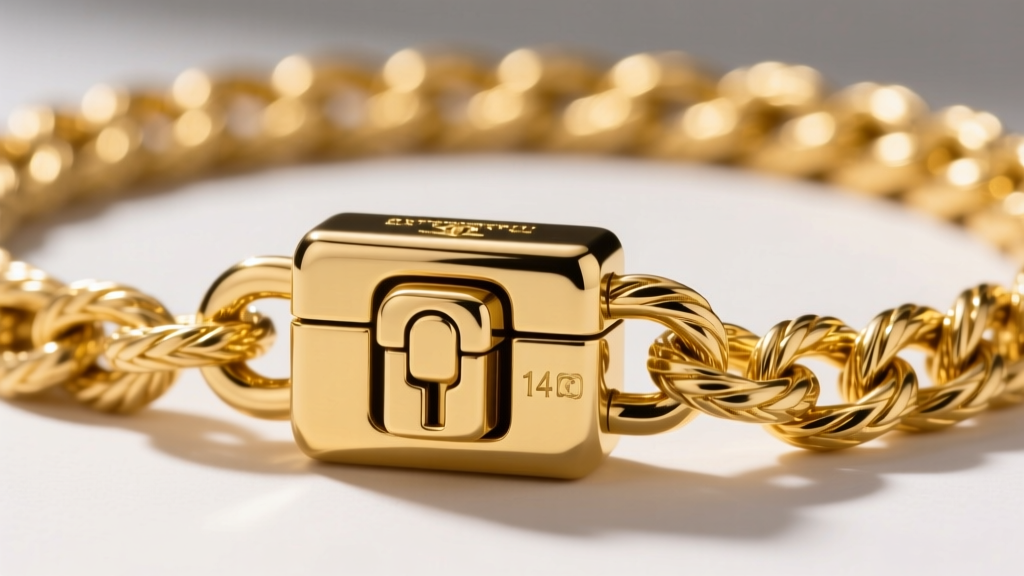
Upgrading Your Clasp Hardware
For a heavy, strong as fuck necklace, you must demand a Forged Lobster Clasp or a Locking Box Clasp. Cast clasps are porous and brittle; forged clasps are stamped from solid sheet metal, aligning the grain structure for maximum strength. If you opt for a box clasp, ensure it features a secondary mechanical safety latch (a figure-eight wire that snaps over a button) to prevent loss if the primary tongue mechanism fails.
The Soldered Jump Rule
The jump ring is the small circular wire that connects the clasp to the chain. On 90% of commercial jewelry, this ring is simply bent shut, meaning a firm tug will pull the ends apart. You must verify that the jump rings on your necklace are laser-welded or soldered completely closed. A soldered jump ring turns the connection point into a continuous loop, forcing any extreme tension to be absorbed by the chain links rather than prying the clasp open.
Pendant Bails and Friction Points
If you are adding a pendant to your indestructible chain, pay attention to the bail (the loop that slides onto the chain). A heavy solid gold pendant swinging on a titanium chain will act like a saw blade, eventually cutting through a softer metal bail due to friction. Always ensure the pendant bail is made of a material equal to or harder than the chain, or features a replaceable interior lining. Furthermore, the bail's own jump ring must be soldered shut to prevent the pendant from slipping off and getting lost during physical activity.
Real-World Safety: The Emergency Removal Factor
There is a critical, often overlooked safety factor when buying ultra-high-strength jewelry. If you are involved in an accident, suffer severe swelling, or require emergency surgery, medical personnel need to remove your jewelry quickly. While 14k gold and platinum can be easily snipped with standard medical ring cutters, Grade 5 Titanium cannot. Its aerospace-grade hardness will destroy standard hospital cutters and requires heavy-duty bolt cutters or a diamond-tipped rotary saw, which can delay medical treatment and cause secondary injuries. If you work with heavy machinery or in high-risk environments, a thick 14k solid gold or platinum Franco chain offers the perfect compromise between extreme daily durability and emergency removability.
Final Verdict: Building Your Indestructible Setup
To build the ultimate strong as fuck necklace, skip the trendy, hollow-core designs and invest in structural engineering. Opt for a solid 14k gold or Grade 5 titanium Franco chain, ensure every single jump ring is soldered closed, and equip it with a forged, locking clasp. By prioritizing metallurgical tensile strength and multi-directional link architecture over flashy, fragile designs, you will secure a piece of jewelry that can withstand a lifetime of abuse without ever breaking.


