How to Safely Get a Stuck Necklace Open: Expert Guide
Learn how to safely get a stuck necklace open without breaking the clasp. Expert jeweler techniques for spring rings, lobster, and box clasps.

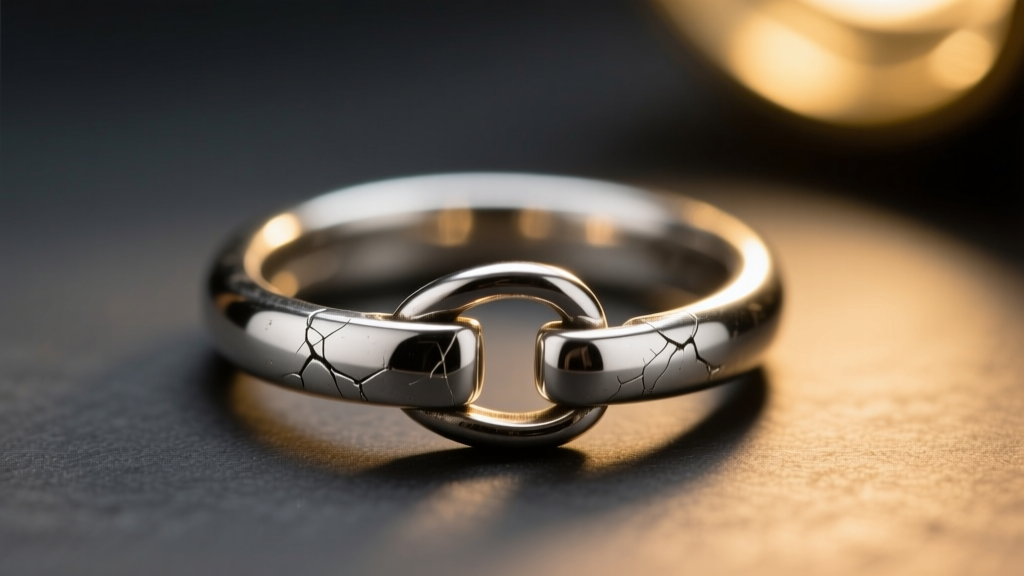
There are few things more frustrating in jewelry wear than a jammed clasp. Whether you are dealing with a vintage locket or a modern 14k gold chain, applying brute force is the fastest way to destroy the finding. As a bench jeweler, I regularly repair the aftermath of DIY attempts to force a stubborn necklace open. This expert deep dive explores the mechanical engineering of necklace clasps, the metallurgical reasons they fail, and the precise bench techniques required to safely release them without compromising the structural integrity of your jewelry.
"A clasp is not merely an afterthought; it is a precision-engineered micro-machine that bears the entire tensile load of your necklace."
The Anatomy of Necklace Clasps and Common Failure Modes
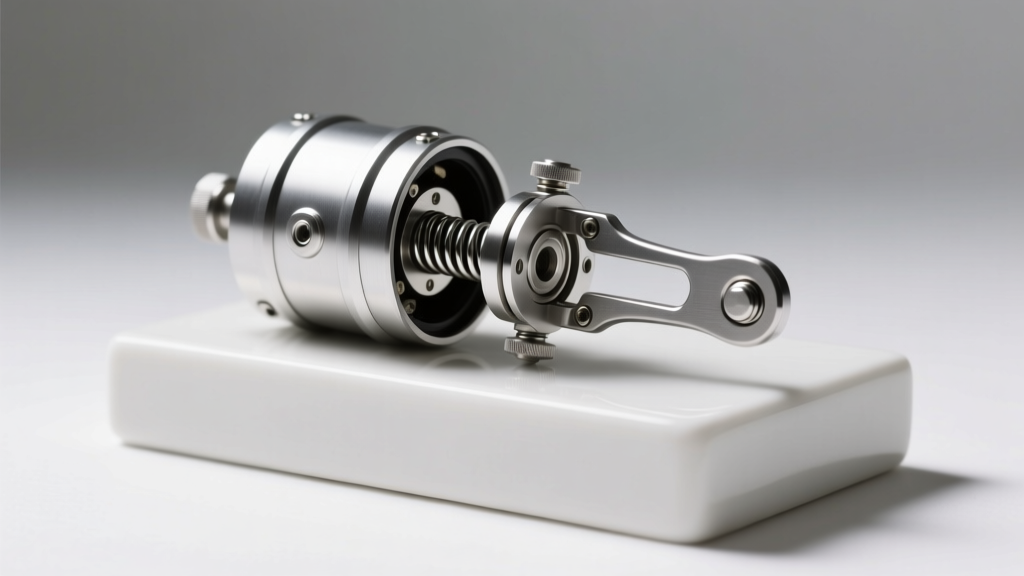
To understand how to safely manipulate a clasp, you must first understand its internal architecture. The two most common culprits for jamming are the spring ring and the lobster clasp.
Spring Ring Mechanics
Spring rings range from 5mm to 12mm in diameter. In models smaller than 7mm, the internal coil spring is often manufactured from wire no thicker than 0.15mm. When lotion, dead skin cells, or cosmetic powders infiltrate the microscopic gap between the sliding lever and the outer shell, the 0.15mm spring lacks the kinetic force to push the lever back. Furthermore, if the external jump ring is pulled at an angle, the soft brass or silver shell can warp, pinching the lever track.
Lobster Clasp Engineering
Lobster clasps utilize a tiny internal leaf spring and a pivot pin. High-end findings are stamped from sheet metal, providing uniform tensile strength. However, many mass-market clasps produced in recent years, including late 2025 and 2026 fast-fashion imports, are cast. Cast levers are brittle and can snap under as little as 2.5 lbs of lateral tension. When trying to get a cast lobster necklace open, applying sideways pressure to the lever will often shear the pivot pin entirely.
Essential Bench Tools for Clasp Extraction
Before attempting any repair, you need the right tools. Using steel tools on gold or silver will result in catastrophic scratching.
- 10x Triplet Loupe: Essential for inspecting the lever track for debris or bent pivot pins.
- Brass Tweezers and Micro-Probes: Brass sits at roughly a 3 on the Mohs hardness scale. Because 14k gold and sterling silver are similarly soft (or softer depending on the alloy and temper), brass tools will manipulate the clasp without gouging the precious metal.
- 40kHz Ultrasonic Cleaner: Used with a mild ammonia-free solution to vibrate microscopic debris out of the lever housing.
- Synthetic Watch Oil: Never use WD-40 or petroleum-based lubricants, which attract dust and degrade over time. Use a micro-drop of Moebius synthetic oil or dry PTFE powder.
Step-by-Step: Releasing Spring Rings and Lobster Clasps
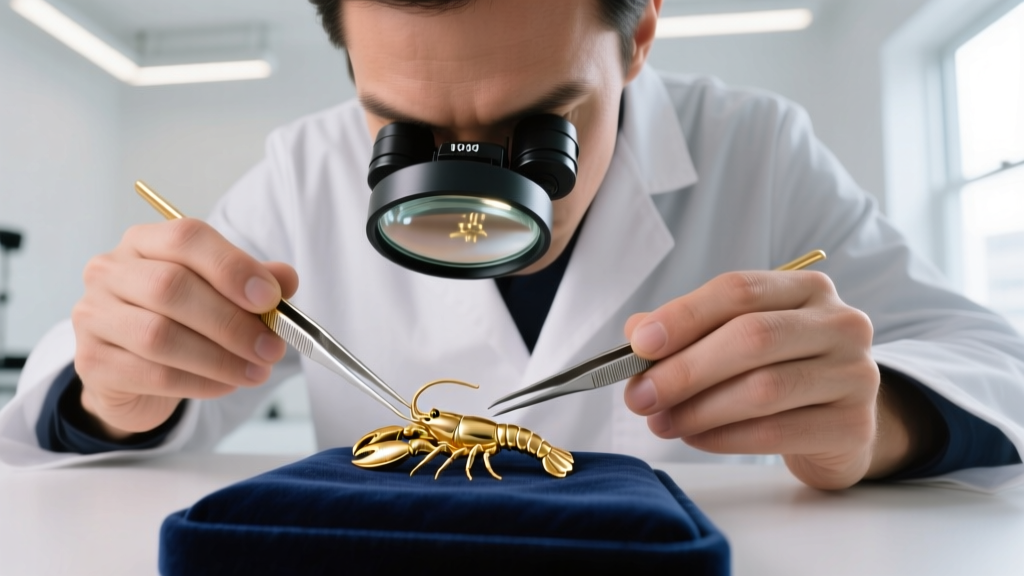
If your primary mechanism is jammed, follow this systematic bench protocol to safely get the necklace open.
- Visual Inspection: Place the clasp under your 10x loupe. Look for a bent lever or a gap where the lever is catching on the outer shell.
- Ultrasonic Cavitation: Submerge only the metal clasp in a 40kHz ultrasonic bath for 60 seconds. Note: Never ultrasonically clean jewelry with porous gems like pearls, opals, or emeralds, as the cavitation will fracture the stones (GIA Jewelry Care Guidelines).
- Manual Manipulation: Using a brass micro-probe, gently press the lever while simultaneously applying a microscopic amount of lateral pressure to the outer shell to relieve the binding tension.
- Lubrication: Once open, use a watch oiler to apply a microscopic drop of synthetic oil to the pivot pin or coil spring. Cycle the lever 10 times to distribute the lubricant.
Troubleshooting Box Clasps and Barrel Clasps
Box and barrel clasps present entirely different mechanical challenges. Barrel clasps rely on threaded connections. A common failure mode occurs when the user cross-threads the barrel, stripping the soft gold or silver threads. If a barrel clasp refuses to unscrew, do not use pliers. Instead, wrap the barrel in a piece of soft leather or bench tape to increase friction, and apply steady, counter-clockwise pressure. Some European barrel clasps utilize reverse (left-hand) threading; if standard unscrewing fails, gently test the clockwise direction.
Box clasps utilize a folded leaf spring that snaps into a square housing. Over time, the leaf spring loses its temper (elasticity) and flattens out, causing the clasp to either jam inside the housing or pop open unexpectedly. To release a jammed box clasp, use a brass needle to depress the folded spring through the side access holes while gently pulling the tongue. If the spring has lost its temper, the finding must be replaced by a professional using a laser welder to avoid heating the surrounding chain.
Locket Necklaces: Freezing Hinges and Catches
Getting a vintage locket necklace open requires an understanding of friction catches and swage hinges. The friction catch (the small metal lip that holds the locket shut) often becomes bent or packed with decades of pocket lint and skin oils. Use a wooden toothpick to clean the catch groove. If the hinge is frozen, apply a dry PTFE spray via a micro-tube directly into the hinge knuckles. Avoid liquid oils, which will seep into the porous paper photographs inside the locket and cause irreversible staining.
Furthermore, the hinge pin itself can become seized due to galvanic corrosion if the locket is made of mixed metals (such as a brass hinge pin inside a silver locket). In these cases, a mild application of a specialized penetrating oil, applied strictly to the exterior hinge knuckle with a micro-brush, can break the corrosion bond. Allow it to sit for 12 hours before attempting to gently flex the hinge. Never force a swage hinge open with a flathead screwdriver, as this will pry the hinge knuckles apart, destroying the structural alignment of the locket cover.
Prevention and Maintenance Matrix
Proactive maintenance is the best way to ensure your clasps function flawlessly. Reference the matrix below based on your clasp type and wear frequency.
| Clasp Type | Primary Failure Mode | Preventative Maintenance Protocol | Expected Lifespan |
|---|---|---|---|
| Spring Ring (5-7mm) | Debris jamming, weak spring tension | Monthly ultrasonic cleaning of the clasp only. | 2-4 Years |
| Lobster (Stamped) | Pivot pin wear, lateral bending | Bi-annual synthetic oiling of the pivot pin. | 5-8 Years |
| Box Clasp | Leaf spring fatigue, housing warp | Inspect leaf spring tension every 6 months; avoid pulling by the chain. | 10+ Years |
| Barrel Clasp | Cross-threading, thread stripping | Always align threads perfectly before twisting; clean threads with a soft brush. | 7-10 Years |
When to Yield to Professional Bench Repair
There is a distinct line between bench maintenance and bench repair. If you observe a visible fracture in the metal shell of a lobster clasp, or if the lever of a spring ring is completely detached from its internal track, DIY extraction will only result in losing the necklace. According to master jewelers at Rio Grande Jewelry Supply, attempting to solder a closed spring ring or a tiny lobster clasp with a traditional torch usually results in melting the entire finding due to the low thermal mass of the component. Modern bench jewelers utilize pulse-arc or laser welders to fuse broken clasp levers without transferring heat to the internal springs. If your clasp is mechanically compromised, take it to a certified bench jeweler rather than risking the loss of your pendant or chain.
Understanding the metallurgy and mechanical limits of your jewelry findings transforms how you interact with your collection. A clasp is not merely an afterthought; it is a precision-engineered micro-machine that bears the entire tensile load of your necklace. By respecting the tolerances of these tiny springs, levers, and threads, you ensure that your favorite pieces remain secure and functional for generations. Always prioritize patience over pressure, and remember that the right microscopic tool is always more effective than macroscopic force.


