How to Style a Boob on a Necklace: Body-Positive Guide
Learn how to style a boob on a necklace with our step-by-step guide. Discover chain pairings, material grades, and body-positive layering tips.

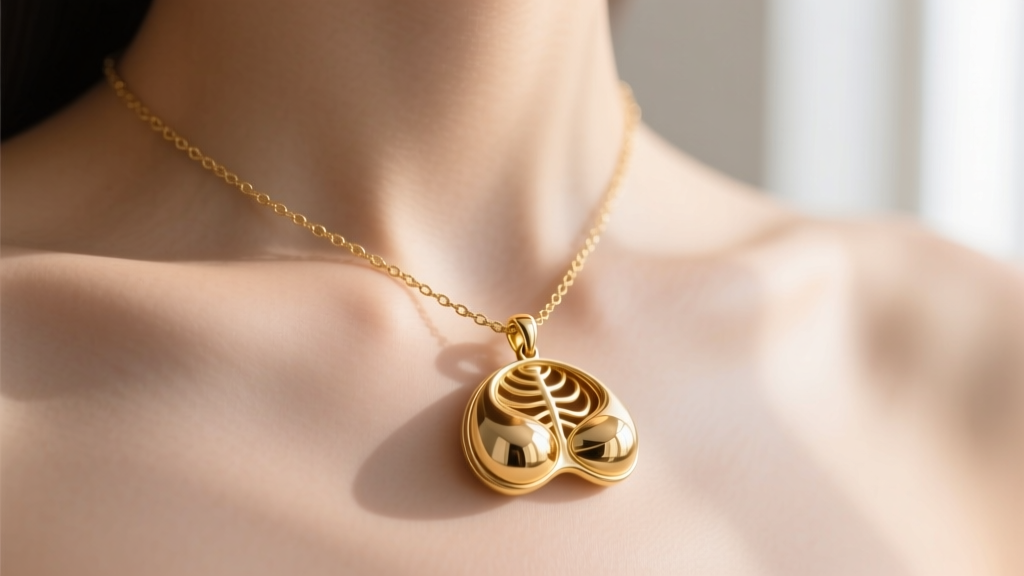
The landscape of artisan jewelry in 2026 has fully embraced anatomical realism, body positivity, and deeply personal storytelling. Among the most conversation-starting and meaningful pieces in this movement is the anatomical breast pendant—affectionately and proudly referred to in the indie jewelry community as a 'boob pendant.' Whether chosen to celebrate maternity and nursing, honor breast cancer survivorship, embrace body neutrality, or simply appreciate quirky anatomical art, knowing how to style a boob on a necklace requires a balance of technical jewelry knowledge and aesthetic finesse.
Because these pendants often feature intricate, three-dimensional casting and carry profound emotional weight, they demand careful consideration regarding metal grades, chain tension, and styling. This step-by-step guide will walk you through selecting the right materials, matching chain gauges, and mastering the art of layering this deeply meaningful statement piece.
Step 1: Selecting the Right Metal for the Décolletage
The skin on the chest and décolletage is significantly thinner and more sensitive than the skin on your hands or earlobes. When wearing an anatomical pendant that rests directly against the sternum or collarbone, hypoallergenic properties and tarnish resistance are paramount. Sweat and body oils can quickly degrade lower-quality alloys, leading to skin irritation or a ruined patina.
Material Grade Comparison for Anatomical Pendants
| Metal Grade | Hypoallergenic | Tarnish Resistance | Price Range (USD) | Best For |
|---|---|---|---|---|
| 316L Surgical Steel | Excellent | High | $40 - $90 | Everyday wear, sensitive skin, budget-conscious buyers |
| 14k Solid Yellow Gold | Excellent | Very High | $350 - $800+ | Heirloom pieces, maternity gifts, luxury survivorship jewelry |
| Argentium Silver (935) | Very Good | Moderate-High | $120 - $250 | Artisan detail work, brighter shine than sterling |
| Solid Bronze | Poor (Contains Copper) | Low (Develops Patina) | $60 - $150 | Rustic art pieces, buyers who enjoy oxidized vintage looks |
Expert Tip: If you are purchasing a bronze or brass boob pendant, ensure the artist has applied a jewelry-grade microcrystalline wax or clear epoxy coating to the back of the piece. This prevents the copper content from reacting with your skin's acidity and turning your chest green.
Step 2: Matching Chain Gauge and Bail Hardware
Anatomical castings are notoriously front-heavy. A solid silver or gold breast pendant can easily weigh between 8 and 15 grams, which will snap a delicate 0.8mm cable chain or cause a spring-ring clasp to fail. Furthermore, the bail (the loop connecting the pendant to the chain) on a 3D sculpted piece is often wide or hidden.
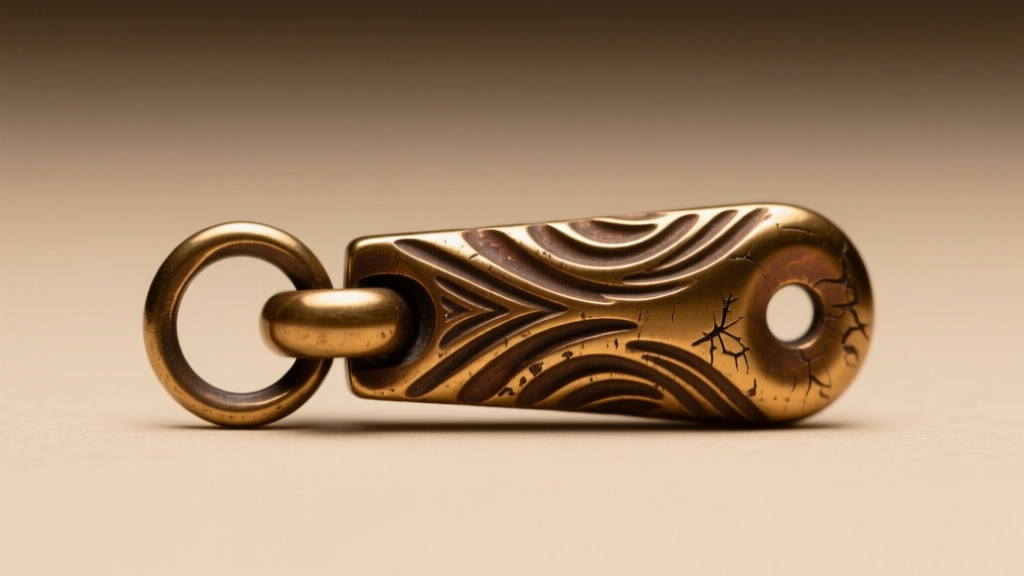
To properly support the weight and aesthetic of the pendant, follow these chain pairing rules:
- The Wheat Chain (1.2mm - 1.5mm): Wheat chains are braided, offering immense tensile strength while maintaining a fluid, fabric-like drape that complements the organic curves of an anatomical pendant.
- The Box Chain (1.5mm - 2.0mm): Box chains provide a modern, geometric contrast to the soft curves of the pendant. They are highly resistant to kinking, which is crucial when a heavy pendant constantly pulls on the links.
- Clasp Upgrades: Always swap out standard spring-ring clasps for a 5mm or 7mm lobster clasp. According to the Jewelers of America, securing your clasps and checking jump rings annually is the best way to prevent the loss of heavy, sentimental pendants.
Step 3: Strategic Layering for Anatomical Art
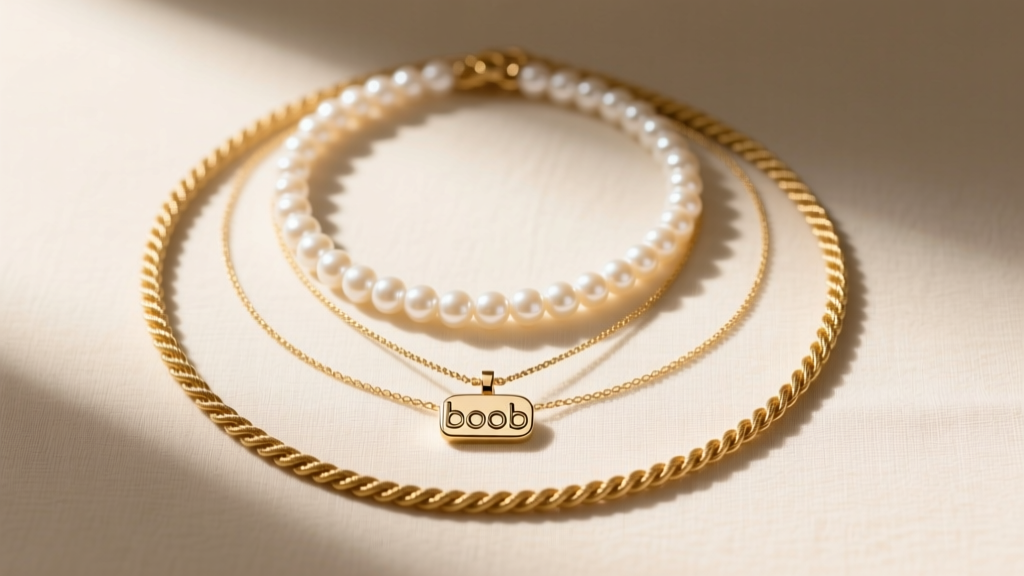
Layering a statement piece like a boob pendant requires the 'Rule of Thirds' to prevent the chest area from looking cluttered. The goal is to frame the pendant, not compete with it.
The 3-Piece Layering Framework
- The Anchor (14' - 16'): Start with a minimalist choker or a delicate pearl strand. This draws the eye upward toward the face and collarbone.
- The Focal Point (18' - 20'): This is where your boob pendant lives. An 18-inch chain ensures the pendant rests right at or slightly below the sternum, acting as the visual anchor of the outfit.
- The Elongator (24' - 28'): Finish with a long, matte-finish rope chain or a simple lariat. This creates a V-shape that elongates the torso and provides a textural backdrop for the main pendant.
Step 4: Neckline Pairings and Occasion Styling
Because of the intimate and bold nature of anatomical jewelry, pairing it with the correct neckline is essential for maintaining a sophisticated, body-positive look.
- The Scoop Neck: The ideal canvas. A wide scoop neck mirrors the natural curves of the pendant, allowing the metal to rest directly on the skin, which enhances the warmth and shine of gold or rose gold alloys.
- The Deep V-Neck: Perfect for a longer chain (20+ inches). The V-neck creates a natural frame that draws the eye directly to the pendant, making it an excellent choice for evening wear or artistic events.
- The Turtleneck (Winter Styling): In 2026, layering heavy gold anatomical pendants over ribbed, dark-colored turtlenecks is a major trend. The high contrast between the dark fabric and the metallic sheen turns the pendant into a bold, gallery-worthy art piece. Organizations like BreastCancer.org often highlight how survivorship and body-reclamation jewelry can be a powerful tool for personal confidence during and after treatment, making these bold styling choices deeply empowering.
Step 5: Cleaning Intricate Castings
Anatomical jewelry features deep crevices, undercuts, and textured surfaces that trap lotions, perfumes, and dead skin cells. Standard polishing cloths cannot reach these areas.
The Step-by-Step Cleaning Method:
- Mix a few drops of mild, phosphate-free dish soap into a bowl of lukewarm water.
- Submerge the pendant (ensure the chain is removed if it is a delicate oxidized silver).
- Use a clean, extra-soft baby toothbrush to gently agitate the crevices. Never use hard-bristled brushes, as they will leave micro-scratches on high-polish gold or silver.
- Rinse thoroughly under distilled water to prevent hard water spots.
- Pat dry with a lint-free microfiber cloth and use a hair dryer on the 'cool' setting to blow moisture out of the hidden bail and jump rings.
Warning: Avoid ultrasonic cleaners if your boob pendant features any resin inlays, enamel work (such as pink or gold nipple detailing), or intentionally oxidized recesses. Ultrasonic vibrations can shatter resin and strip deliberate antiquing.
Final Thoughts on Wearing Anatomical Jewelry
Wearing a boob on a necklace is a celebration of the human form, a rejection of archaic jewelry norms, and a deeply personal statement. By investing in high-quality, hypoallergenic metals, matching your chain gauge to the pendant's weight, and utilizing strategic layering, you ensure that your anatomical art is displayed exactly as intended: with pride, comfort, and undeniable style.


