Step-by-Step Guide to Styling a Bow Necklace Silver
Learn how to style a bow necklace silver piece with our step-by-step guide. Discover chain pairings, layering techniques, and sterling silver care tips.

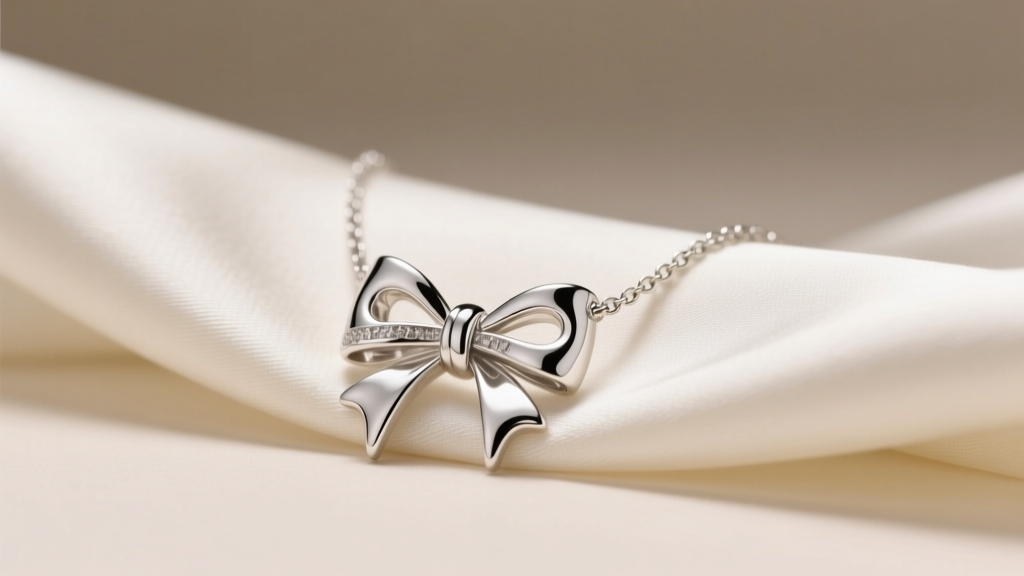
The evolution of the coquette aesthetic into 2026's 'refined romance' trend has cemented the bow motif as a permanent staple in fine jewelry. No longer reserved for juvenile styles or costume pieces, a meticulously crafted bow necklace silver pendant is now a hallmark of quiet luxury and sophisticated femininity. However, styling this delicate motif requires a strategic approach to chain selection, proportion, and metallurgy. Whether you are working with a vintage heirloom or a modern minimalist design, this comprehensive step-by-step guide will teach you how to elevate your silver bow necklace for any occasion.
The Anatomy of a Quality Silver Bow Pendant
Before styling, it is crucial to understand the material you are working with. The durability and drape of your necklace depend entirely on the silver alloy. According to the Gemological Institute of America (GIA), pure silver (999) is too soft for intricate bow shapes, which require structural integrity to maintain their loops and tails.
- 925 Sterling Silver: The industry standard, comprising 92.5% silver and 7.5% copper. It offers excellent detail for cast bow pendants but is prone to oxidation (tarnish) due to the copper content.
- 935 or 960 Argentium Silver: A modern upgrade where a portion of the copper is replaced with germanium. This creates a transparent oxide layer that makes the silver highly tarnish-resistant and gives the bow a brighter, whiter luster that mimics platinum.
Expert Tip: Inspect the bail (the loop connecting the bow to the chain). A high-quality silver bow will have a soldered, seamless bail rather than a simple pinched loop, ensuring the pendant sits perfectly flat against the collarbone.
Step 1: Selecting the Ideal Chain Type and Width
The chain you choose dictates the formality and drape of your bow necklace silver piece. A delicate bow can easily be overpowered by a thick chain, while a heavy statement bow will snap a fragile link. Below is a structural comparison to help you choose the right foundation.
| Chain Type | Width Recommendation | Best For | Tangling Risk |
|---|---|---|---|
| Box Chain | 0.8mm - 1.2mm | Everyday wear; provides a structured, modern contrast to the soft bow shape. | Low |
| Cable Chain | 0.7mm - 1.0mm | Classic, romantic styling; ideal for micro-bows (5-8mm). | Medium |
| Snake Chain | 1.0mm - 1.5mm | Evening wear; offers a sleek, liquid-metal drape that elevates the pendant. | High (catches on hair) |
| Rolo Chain | 1.2mm - 1.8mm | Statement bows (20mm+); provides necessary visual weight and strength. | Low |
For a standard 10-15mm silver bow pendant, a 0.9mm box chain is the optimal choice. It offers enough tensile strength to support the pendant without distracting from the intricate metalwork of the bow itself.
Step 2: Proportion and Neckline Pairing
The placement of the bow is just as important as the chain. The goal is to frame the face and complement the geometry of your neckline. Here is how to adjust your chain length based on your wardrobe:
The 14-Inch Choker Drop
A 14-inch chain places the silver bow directly at the base of the throat. This is ideal for boatnecks and off-the-shoulder tops, where the bow acts as a central focal point against bare skin or a high, horizontal fabric line.
The 16-Inch Collarbone Drop
The most versatile length. The bow rests perfectly in the clavicle hollow. Pair this with V-necks and deep scoop necks. The downward angle of the V-neck mirrors the downward drape of the bow's tails, creating a harmonious, elongating visual effect.
The 18-Inch Standard Drop
Best reserved for crew necks and button-down shirts. Wearing an 18-inch silver bow necklace over a crisp white Oxford shirt, with the top two buttons undone, bridges the gap between menswear-inspired tailoring and soft femininity—a core tenet of 2026's refined romance trend.

Step 3: The 2026 Layering Protocol
Layering a bow necklace silver piece requires adherence to the 'Two-Inch Rule' to prevent the chains from tangling and the pendants from overlapping. Follow this step-by-step layering sequence for a curated, professional look:
- The Base Layer (14 inches): Start with a simple, unadorned 1.0mm silver cable chain or a delicate silver bead chain. This frames the upper neck and provides a foundation.
- The Focal Layer (16 inches): Add your primary bow necklace silver piece on a 0.9mm box chain. The 2-inch gap ensures the bow sits cleanly below the base chain.
- The Anchor Layer (18 or 20 inches): Introduce a heavier chain, such as a 1.5mm Figaro or paperclip chain, featuring a simple geometric pendant (like a small silver disc or a single freshwater pearl). This adds visual weight to the bottom of the stack and balances the intricate detail of the bow.
'When layering a motif as recognizable as a bow, keep the surrounding pendants abstract and geometric. Let the bow be the sole narrative piece in the stack.' — Senior Jewelry Stylist, Jewel Style Radar
Step 4: Advanced Silver Care and Tarnish Removal
Silver bows, particularly those with deep crevices in the loops and tails, are magnets for tarnish and skin oils. The Jewelers of America recommends avoiding harsh chemical dips, which can strip the rhodium plating often used on high-end silver bows to enhance their shine.
Routine Maintenance
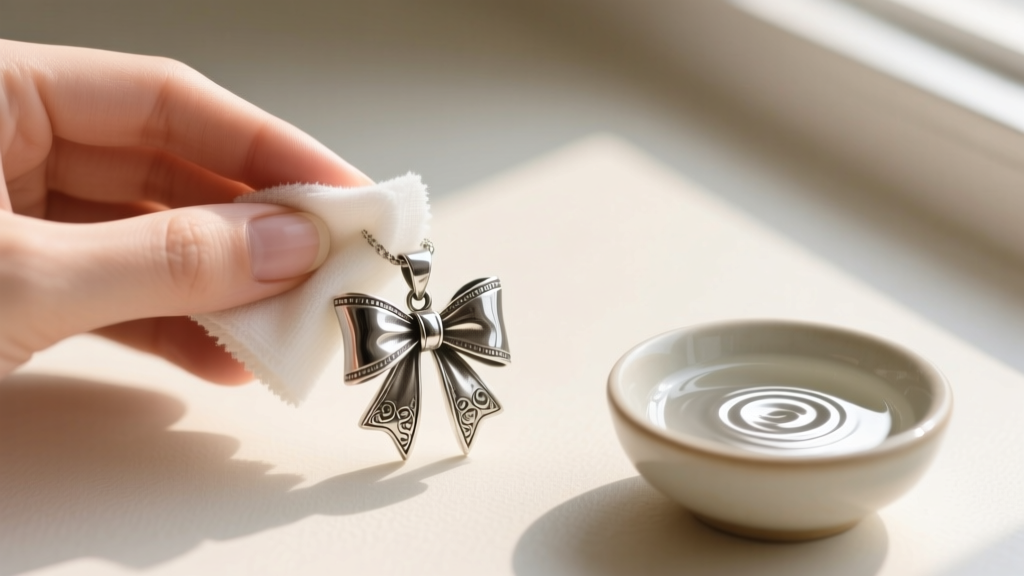
After every wear, gently wipe the bow with a treated silver polishing cloth. Pay special attention to the 'knot' of the bow, where sweat and perfume tend to accumulate. Never use tissue paper or paper towels, as the wood fibers can cause micro-scratches on highly polished silver surfaces.
The Electrochemical Tarnish Removal Method
If your silver bow has developed heavy, black oxidation in its crevices, skip the abrasive pastes and use a redox (reduction-oxidation) reaction to safely lift the tarnish without removing any silver:
- Line a glass bowl with aluminum foil, shiny side up.
- Place the silver bow necklace in the bowl, ensuring it touches the foil.
- Sprinkle 2 tablespoons of baking soda over the jewelry.
- Pour boiling water into the bowl until the necklace is submerged. You will see bubbles and smell a faint sulfur odor—this is the tarnish transferring from the silver to the aluminum.
- After 3 minutes, remove the necklace with wooden tongs, rinse thoroughly with distilled water, and pat dry with a microfiber cloth.
Troubleshooting Common Bow Necklace Issues
Even with careful styling, delicate silver chains and intricate pendants can present challenges. Here is how to solve the most common issues:
The Bow Flips Upside Down
If your bow pendant constantly flips to show its hollow back, the bail is likely too loose or the chain is too thick. The Fix: Switch to a thinner chain that allows the bail to sit securely, or visit a local jeweler to have a small, clear silicone o-ring added inside the bail to create friction and keep the bow facing forward.
Severe Chain Tangling
Fine silver cable chains are notorious for knotting, especially when stored with the bow pendant attached. The Fix: Lay the tangled necklace on a flat surface. Apply a tiny drop of baby oil or olive oil directly to the knot. Using two fine sewing needles, gently work the center of the knot outward. The oil reduces surface friction, allowing the microscopic links to slide apart without stretching or snapping the silver.
By understanding the metallurgy, mastering proportion, and implementing proper care, your bow necklace silver piece will transition from a fleeting trend accessory to a timeless, versatile anchor in your jewelry collection.


