How to Style and Care for a Three Strand Beaded Necklace
Learn how to style, layer, and maintain a three strand beaded necklace. Expert tips on neckline pairing, clasp types, and restringing schedules.

The Resurgence of the Multi-Strand Silhouette
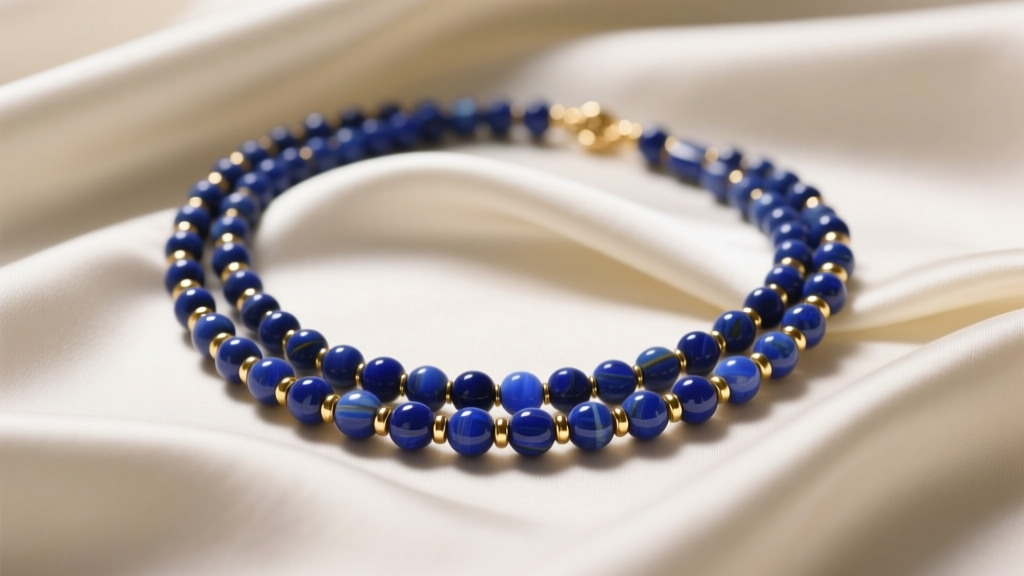
As we navigate the jewelry landscape of 2026, the three strand beaded necklace has firmly reclaimed its position as a cornerstone of sophisticated wardrobe styling. Moving away from the overly minimalist trends of the early 2020s, contemporary fashion embraces volume, texture, and the rich, cascading drape that only a multi-strand design can provide. Whether crafted from lustrous freshwater pearls, vibrant turquoise, or faceted crystal, a three strand beaded necklace offers a built-in layered look without the frustrating tangling associated with wearing three separate chains. However, achieving the perfect drape and ensuring the longevity of this complex piece requires a deep understanding of its structural anatomy, precise styling techniques, and rigorous maintenance protocols.
Anatomy of a High-Quality Three Strand Beaded Necklace
Not all multi-strand necklaces are constructed equally. The difference between a piece that drapes elegantly and one that bunches awkwardly at the collarbone lies in the stringing materials and findings used by the artisan.
Stringing Materials: Wire vs. Thread
For gemstone, glass, or crystal beads with sharp, unpolished drill holes, a nylon-coated stainless steel wire is mandatory. According to manufacturing standards from leading jewelry suppliers like Rio Grande, a 49-strand micro-woven wire (typically in a 0.018-inch or 0.024-inch diameter) provides the necessary flexibility to allow the beads to cascade fluidly while resisting the abrasive wear of the bead holes. Conversely, if you are investing in a fine pearl three strand beaded necklace, the beads must be knotted on Size F or G pure silk thread. Silk prevents the pearls from rubbing against one another and preserves their delicate nacre, though it requires more frequent maintenance.
Multi-Strand Clasps and Spacers
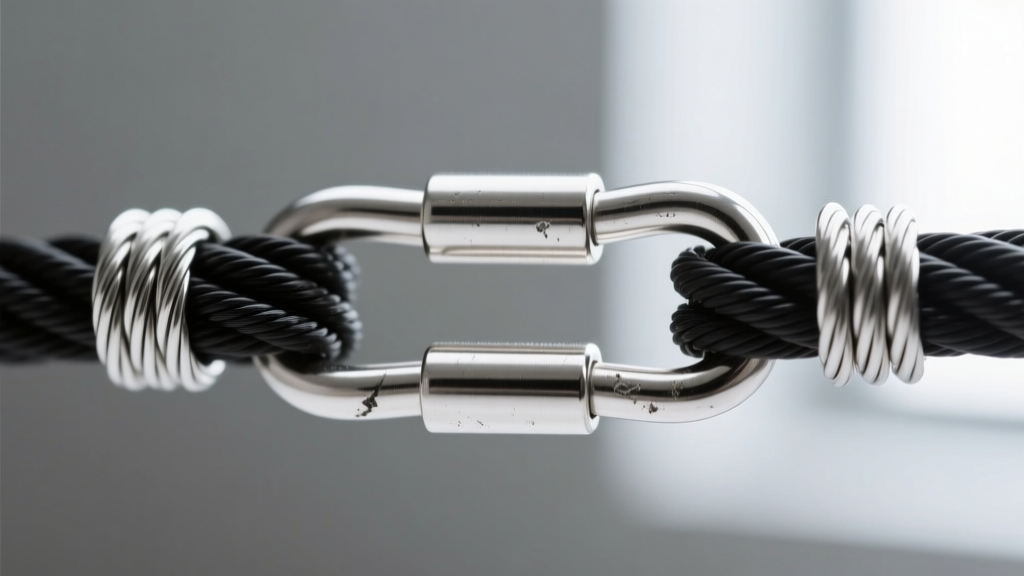
The clasp is the critical failure point in any multi-strand design. A standard lobster clasp attached to three separate jump rings will inevitably lead to twisting and uneven tension. High-end designs utilize a multi-strand tube clasp or a 3-ring slide clasp machined from solid sterling silver (.925) or 14k gold. These clasps align the strands perfectly at the nape of the neck, ensuring the cascade remains undisturbed at the front.
The Mathematics of Drape: Mastering the Cascade Effect
The most common complaint among buyers of poorly constructed multi-strand jewelry is that the strands bunch together or cross over one another. This is a failure of tension and length grading. To achieve the signature "cascade effect," the artisan must employ a strict mathematical drop between the strands.
- Inner Strand (Choker length): Typically 15 to 16 inches, sitting snugly at the base of the throat.
- Middle Strand (Princess length): Must be exactly 1.25 to 1.5 inches longer than the inner strand (e.g., 17.5 inches).
- Outer Strand (Matinee length): Must be 1.5 to 2 inches longer than the middle strand (e.g., 19.5 inches).
Expert Insight: If the length differential is less than 1 inch, the beads will compete for the same physical space on the chest, causing friction and tangling. If the differential exceeds 2.5 inches, the visual cohesion of the piece is lost, and it begins to look like three mismatched necklaces rather than a unified garment.
Step-by-Step Styling Guide: Pairing with Necklines
Because a three strand beaded necklace inherently possesses significant visual weight, it dictates the neckline of your garment. Here is a structured framework for styling this piece across various silhouettes.
| Neckline Type | Styling Strategy | Ideal Outer Strand Length |
|---|---|---|
| V-Neck | Align the inner strand with the collarbone; allow the outer strand to terminate just above the apex of the V. | 18 - 20 inches |
| Crew Neck | Wear the necklace over a tight, solid-colored crew neck sweater to act as a structural collar substitute. | 20 - 22 inches |
| Boat Neck | Avoid bunching by selecting a shorter, choker-style three strand piece that sits entirely above the fabric line. | 16 - 17 inches |
| Scoop Neck | The most forgiving cut. Allow the outermost strand to lightly graze the edge of the fabric for a seamless transition. | 18 - 24 inches |
Color and Texture Considerations for 2026
This year, styling a three strand beaded necklace leans heavily into tonal layering. Pair a matte-finished onyx three strand piece with a charcoal silk blouse for a monochromatic, high-fashion editorial look. Alternatively, use a vibrant coral and turquoise multi-strand design as the sole focal point against a crisp, oversized white linen button-down.
Identifying and Preventing Common Failure Modes
Multi-strand necklaces endure complex physical stresses. Understanding these failure modes will help you evaluate a piece before purchasing and know when it is time for professional repair.
- Wire Kinking: If a nylon-coated steel wire is bent sharply, the inner steel strands can permanently kink, causing the necklace to stick out at an awkward angle. Always store three strand designs flat or hanging from a wide, padded hook. Never ball them up in a travel pouch.
- Silk Thread Stretching and Rot: Silk is a natural protein fiber that absorbs moisture, lotions, and acidic sweat. Over time, this causes the thread to stretch (leading to visible gaps between beads) and eventually rot. If you pull the necklace gently and see more than 1mm of thread between the beads, it requires immediate restringing.
- Jump Ring Deformation: In lower-quality pieces, the jump rings connecting the strands to the clasp are not soldered shut. The lateral pulling force of three heavy bead strands can easily pry these rings open, resulting in a catastrophic drop. Always inspect the connection points with a jeweler's loupe before purchase.
Maintenance and Restringing Schedules
Proper care extends the life of your jewelry and protects your investment. Fine gemstone and pearl pieces require a disciplined maintenance routine.
The Cleaning Protocol
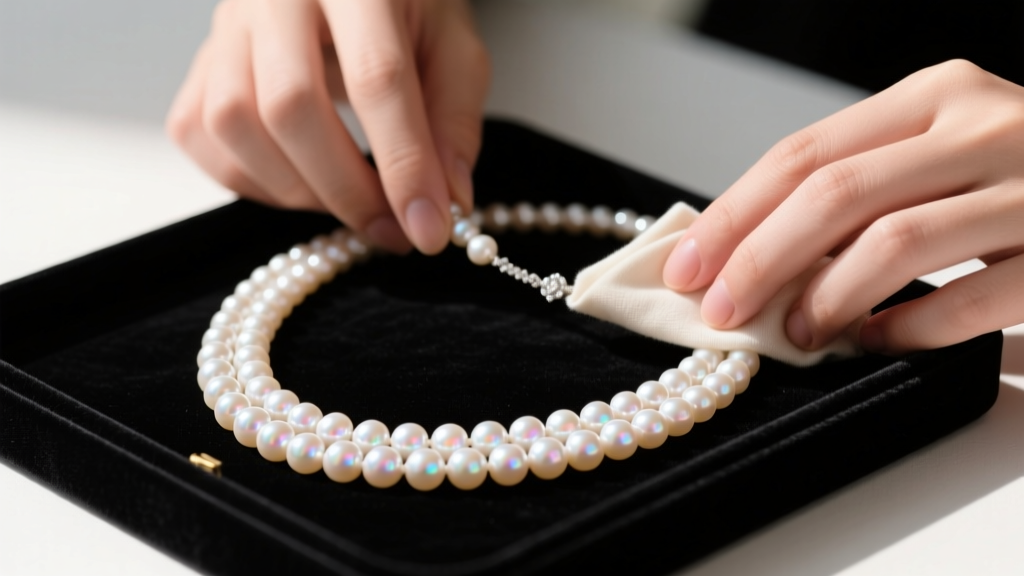
Never submerge a multi-strand beaded necklace in water or ultrasonic cleaners, especially if it is strung on silk or features porous stones like turquoise, opal, or pearls. The Gemological Institute of America (GIA) explicitly warns against using harsh chemicals or ammonia-based cleaners on organic gems. Instead, lay the necklace flat on a microfiber towel and gently wipe each individual bead with a damp, lint-free cloth. Dry immediately with a separate soft cloth before storing.
When to Seek Professional Restringing
Even with meticulous care, the physical components of a three strand beaded necklace will degrade. You should schedule a professional restringing service if you observe any of the following warning signs:
- The "Pinch Test" Fails: If you cannot pinch the thread between two beads and feel slight tension, the thread has stretched beyond its structural limit.
- Fraying at the Clasp: Inspect the wire guards or French wire at the clasp connection. If the nylon coating is peeling back to reveal the raw steel core, corrosion is imminent.
- Discoloration of Findings: If the sterling silver crimp beads or clasp components show dark, irreversible oxidation that cannot be polished away, the metal integrity may be compromised.
Final Thoughts on Investment and Value
A well-crafted three strand beaded necklace is a significant investment. Expect to pay between $180 and $450 for a high-quality freshwater pearl design knotted on silk, while fine gemstone variants featuring lapis lazuli, tourmaline, or jade—strung on 49-strand micro-wire with solid gold findings—command prices ranging from $600 to over $1,500. By understanding the structural requirements of the cascade drape, styling the piece to complement your wardrobe's architecture, and adhering to a strict maintenance schedule, you ensure that this statement piece remains a flawless, enduring element of your jewelry collection for decades to come.