How to Choose a Thick Silver Choker Necklace: Alloys & Durability
Discover how to choose a thick silver choker necklace. Compare sterling, Argentium, and plated alloys for durability, weight, and tarnish resistance.

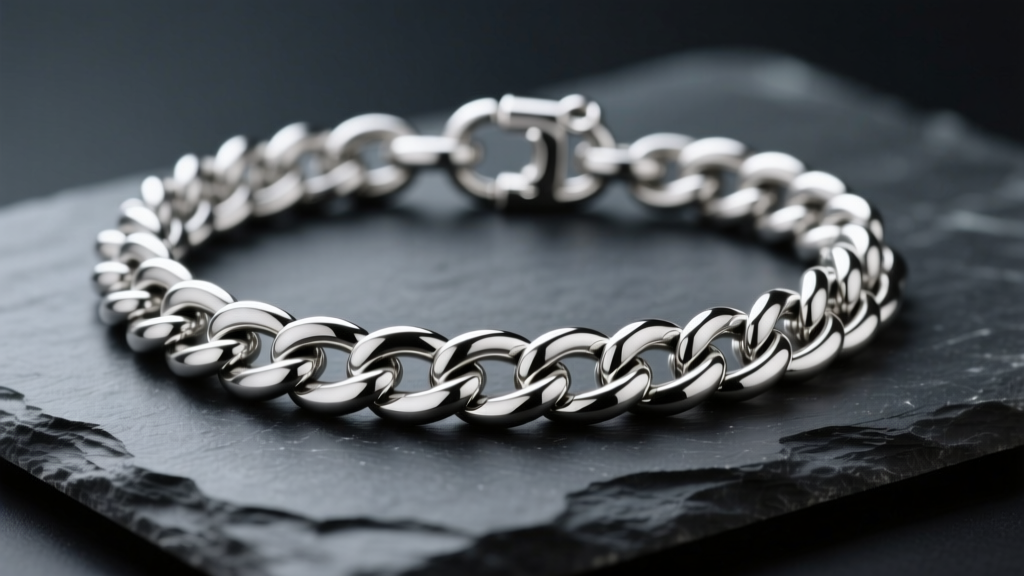
The resurgence of heavy, statement-making jewelry has cemented the thick silver choker necklace as a staple in both high fashion and streetwear. However, choosing a substantial piece of silver jewelry requires more than just an eye for aesthetics. When a necklace exceeds 8mm in width and 60 grams in weight, the physical properties of the metal, the structural integrity of the hardware, and the specific silver alloy used become critical factors in its longevity and wearability. This comprehensive guide breaks down the material science and engineering behind thick silver chokers, helping you make an informed investment in 2026 and beyond.
The Physics of Weight and Wearability
A standard delicate chain weighs between 5 and 15 grams. In contrast, a true thick silver choker necklace—typically ranging from 10mm to 16mm in width and 14 to 18 inches in length—can weigh anywhere from 70 to over 150 grams. This massive increase in weight introduces unique physical challenges.
The primary issue is torque and tensile stress. When you wear a heavy Cuban link or curb chain, the weight pulls downward, creating tension at the nape of the neck and the clasp. If the wire gauge used to form the links is too thin relative to the link's overall width, the chain becomes susceptible to stretching and warping. For a 12mm wide Cuban link choker, you should look for a wire thickness (gauge) of at least 4mm to 5mm to ensure the links do not pull apart under their own weight during daily wear.
Furthermore, weight distribution is vital. A thick choker should sit flush against the collarbone. Chains with tightly interlocking links (like the Miami Cuban or Figaro) distribute weight more evenly across the skin, whereas looser weaves (like rope or snake chains) can pinch skin and hair when bearing heavy loads.
Silver Alloys Compared: Sterling vs. Argentium vs. Plated
Pure silver (99.9%) is far too soft to be used for heavy, structural jewelry; it would bend and scratch almost immediately. Therefore, silver must be alloyed with other metals to increase its tensile strength. Understanding these alloys is the most crucial step in selecting a thick silver choker necklace.
1. Standard Sterling Silver (925)
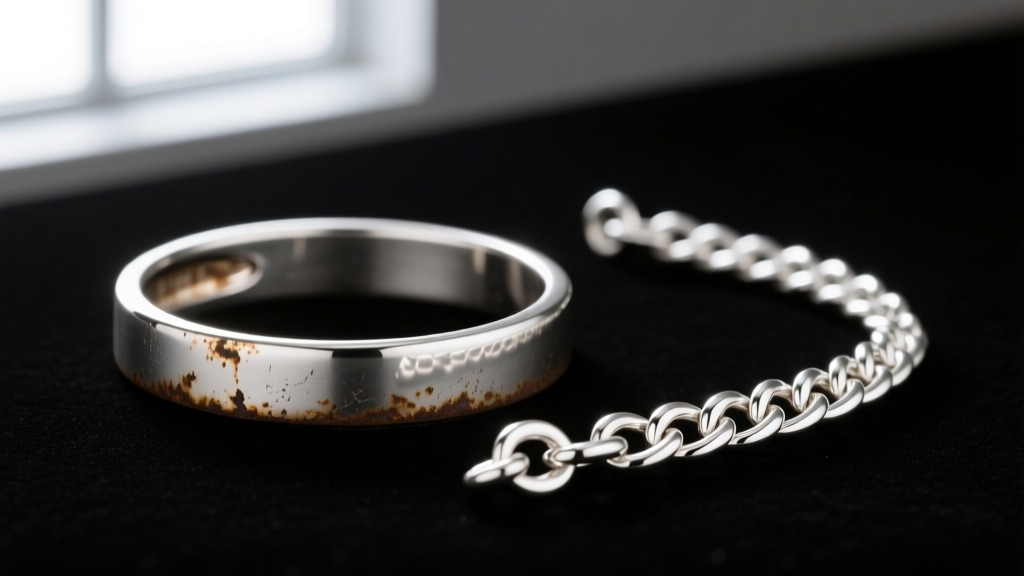
Sterling silver is the industry standard, composed of 92.5% pure silver and 7.5% copper. The copper provides the necessary hardness to support heavy links and robust clasps. However, copper is highly reactive to sulfur and moisture in the air, which causes the notorious black tarnish (silver sulfide) that forms on the metal's surface. For a thick choker that sits close to the sweat-producing glands of the neck, standard sterling requires frequent polishing.
2. Argentium Silver (935 or 960)
Argentium is a modern, premium alloy that replaces some of the copper with germanium. This addition fundamentally changes the metal's properties. When exposed to oxygen, the germanium forms a transparent, protective layer of germanium dioxide on the surface, making Argentium highly resistant to tarnish and firescale. For a thick silver choker necklace that you intend to wear daily without constant maintenance, Argentium is vastly superior, though it typically commands a 15% to 30% price premium over standard sterling.
3. Silver-Plated and Vermeil Alternatives
Thick chokers made from silver-plated brass or copper should be avoided. The high friction against the neck, combined with the heavy weight of the piece, will cause the thin micron-layer of silver to wear off rapidly, exposing the base metal. Even heavy gold vermeil or rhodium-plated silver will eventually wear thin at the link joints due to the sheer mechanical friction of heavy links grinding against one another.
Material Comparison Matrix
| Alloy Type | Composition | Tarnish Resistance | Tensile Strength | Best Use Case |
|---|---|---|---|---|
| Sterling (925) | 92.5% Ag, 7.5% Cu | Moderate (Requires care) | High | Classic heavy chains, budget-conscious buyers |
| Argentium (935) | 93.5% Ag, Cu, Ge | Very High | Very High | Daily wear, low-maintenance luxury |
| Coin Silver (900) | 90.0% Ag, 10.0% Cu | Low (High copper) | Very High | Vintage or antique heavy chokers |
| Silver-Plated | Brass core, Ag coat | Low (Coating wears off) | Variable | Avoid for heavy, thick chokers |
Structural Integrity: Clasps and Soldering Points
A heavy thick silver choker necklace is only as strong as its weakest link—usually the clasp. The hardware on a 100-gram choker must be engineered to handle significant kinetic stress. Standard 10mm lobster clasps used on delicate chains will snap or bend when subjected to the swinging weight of a thick choker.
- Lobster Clasps: If your choker weighs over 60 grams, ensure the lobster clasp is at least 15mm to 20mm in length and features a reinforced internal spring mechanism.
- Box Clasps: For chains exceeding 100 grams, a double-latch box clasp with a figure-eight safety latch is the gold standard. It distributes the pulling force across a wider surface area and prevents accidental unclasping.
- Toggle Clasps: While aesthetically pleasing, toggles can be risky on very heavy, stiff chokers. If the chain lacks flexibility, the tension can cause the T-bar to slip out of the ring when the wearer leans forward.
Equally important are the jump rings connecting the chain to the clasp. On high-quality thick chokers, these jump rings must be soldered shut. If you can see a visible split or seam in the jump ring, the heavy weight of the chain will eventually pull the ring open, resulting in the loss of the necklace.
Skin Chemistry and Hypoallergenic Realities
Because a thick silver choker necklace sits snugly against the neck, it is constantly exposed to perspiration, body oils, and cosmetics. This environment accelerates chemical reactions between the skin and the metal alloy.
The most common complaint with heavy silver jewelry is the 'green neck' phenomenon. This is not an allergic reaction, but rather a chemical oxidation. The copper in standard 925 sterling silver reacts with the chlorides and carbonates in human sweat to form copper chloride and copper carbonate, which leaves a harmless but unsightly green residue on the skin. If you have highly acidic sweat, you are more prone to this effect.
To mitigate this, some manufacturers apply a microscopic rhodium plating over the sterling silver. While this prevents tarnishing and skin discoloration temporarily, the heavy friction of a thick choker will eventually wear the rhodium away at the contact points. According to the Gemological Institute of America (GIA), the most reliable long-term solution for sensitive skin is to seek out nickel-free Argentium silver or high-purity 960 silver alloys, which drastically reduce the copper content responsible for these reactions.
Hallmarking and Authenticity Verification
When investing hundreds of dollars in a heavy piece of silver, verifying its authenticity is non-negotiable. A simple '925' stamp can be easily counterfeited by overseas manufacturers producing plated brass knock-offs.
For absolute certainty, look for full hallmarking from a recognized Assay Office. A proper UK hallmark, for example, will include the sponsor's mark (the maker), the fineness mark (e.g., 925 in an oval shield), and the Assay Office mark (such as the leopard's head for London). Because thick chokers have substantial surface area, authentic makers will often stamp the hallmarks directly onto the end-tags or the clasp plates, providing undeniable proof of the metal's provenance and purity.
Care and Maintenance for Heavy Silver Pieces
Maintaining a thick silver choker requires a different approach than cleaning delicate jewelry. The deep crevices in heavy Cuban or rope links trap dead skin cells, lotions, and environmental sulfur, leading to stubborn, localized tarnishing.
- Ultrasonic Cleaners: While effective for removing trapped grime from heavy links, ultrasonic cleaners should be used with caution. Prolonged exposure to high-frequency vibrations can weaken the soldered joints on older or poorly manufactured heavy chains.
- Chemical Dips: Avoid harsh liquid silver dips. These chemicals strip away the oxidized patina that gives heavy chains their depth and contrast, leaving the silver looking flat and unnaturally white.
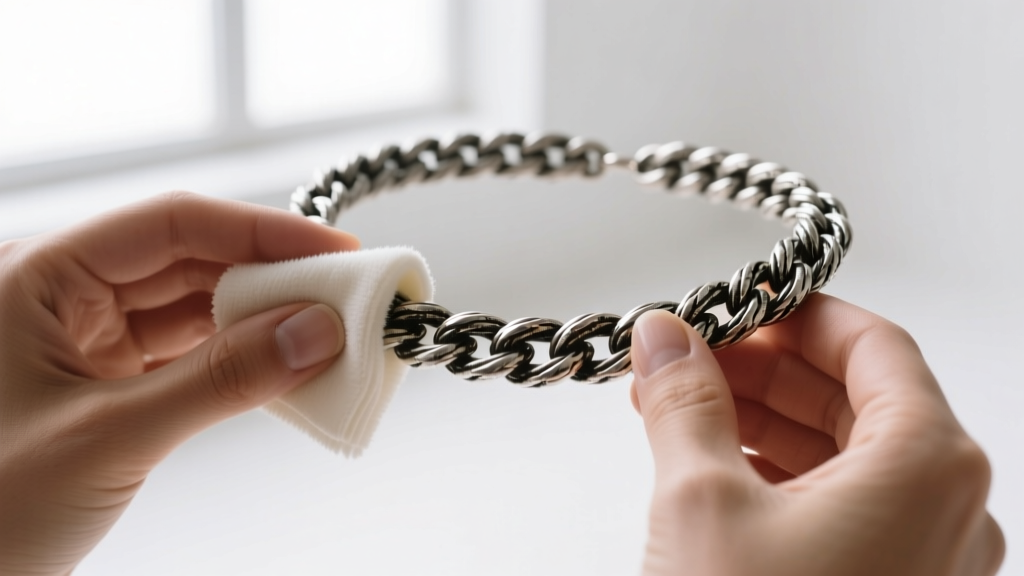
- Manual Polishing: The best method for a thick choker is using a treated silver polishing cloth. Work the cloth into the individual links to remove sulfur buildup without abrading the metal. For deep crevices, a soft-bristled toothbrush with a mild, phosphate-free dish soap and warm water is highly effective.
- Storage: Due to their bulk, thick chokers should be stored flat or hung on a wide, padded jewelry hook. Stuffing a heavy chain into a small box can cause kinks in the links that are nearly impossible to repair without professional jeweler intervention.
By prioritizing the correct alloy, demanding robust hardware, and understanding the physical demands of heavy jewelry, you can select a thick silver choker necklace that serves as a durable, lifelong cornerstone of your wardrobe.


