Sarah Cov Necklace Gold Guide: 2026 Vintage Styling Trends
Discover 2026 trends for vintage Sarah Cov necklace gold pieces. Learn authentication, electroplate care, pricing tiers, and modern styling frameworks.

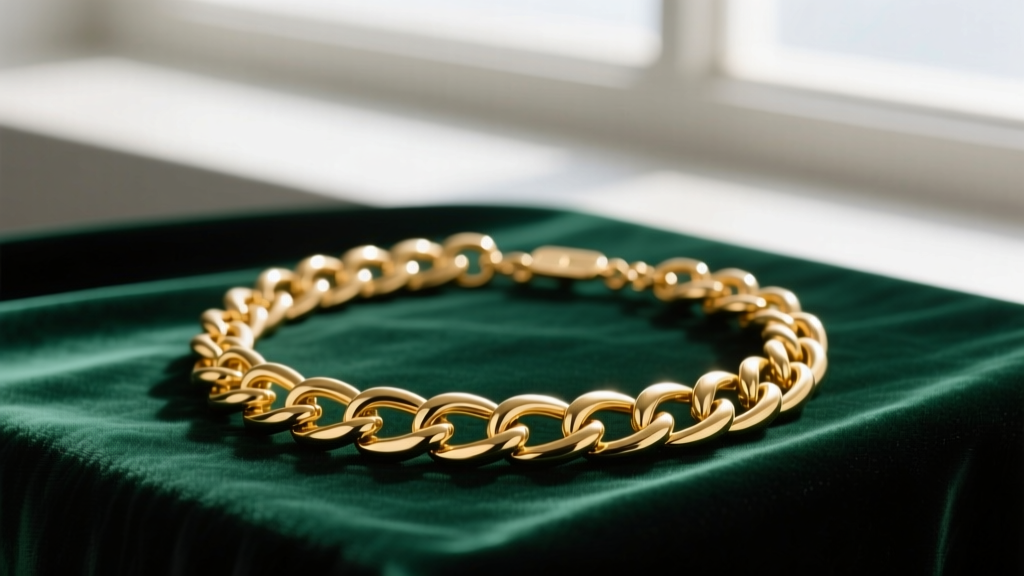
The 2026 Resurgence of Mid-Century Costume Gold
In the contemporary jewelry landscape of 2026, the appetite for authenticated vintage costume jewelry has reached a fever pitch. Among the most heavily searched and collected items is the sarah cov necklace gold category, referring to the iconic gold-electroplated pieces produced by Sarah Coventry between 1949 and the early 1980s. Unlike modern fast-fashion jewelry that relies on ultra-thin flash plating, mid-century Sarah Coventry pieces were engineered with a focus on durability, utilizing heavy gold electroplate (HGE) over robust base metals. Today, collectors and stylists alike are gravitating toward these vintage gold chains and pendants, valuing their distinct warm patina, historical significance, and substantial weight.
According to historical archives on the Sarah Coventry brand, the company pioneered the home-party direct-sales model, making their jewelry a staple in mid-century American households. Now, these very pieces are being reclaimed by a new generation of stylists who appreciate the 'curated nostalgia' trend dominating 2026 fashion runways.
Decoding the Hallmarks: Authenticating Your Pieces
Before integrating a vintage piece into your collection, authentication is paramount. The evolution of the Sarah Coventry hallmark provides a reliable timeline for dating your jewelry. When evaluating a potential acquisition, inspect the clasp, the jump rings, and the reverse side of pendants for the following stamps:
- Early Era (1949–1950s): Often stamped with the full script 'Sarah Coventry' or simply 'Coventry' in a serif font. These are exceptionally rare and highly prized by serious collectors.
- Mid-Century Peak (1960s–1970s): The most common hallmark is '©SARAH COV' or 'SARAH COV' in block, sans-serif capital letters. You may also find a small 'C' inside a circle, denoting the copyright.
- Late Era & Revivals (1980s–2000s): Later pieces, including those produced after the brand's revival, often feature laser-etched marks that lack the deep, crisp strike of mid-century mechanical stamping.
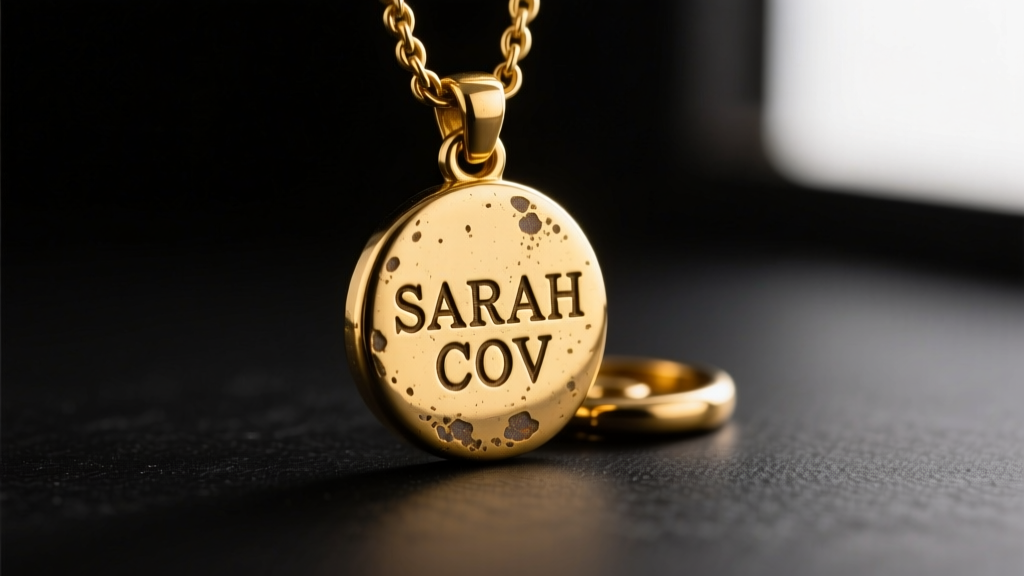
For a deeper dive into manufacturing marks, resources like the Collectors Weekly Sarah Coventry guide offer extensive photographic databases of verified hallmarks, which is crucial for spotting modern counterfeits that often feature muddy, shallow stampings.
Material Reality: Gold Electroplate vs. Solid Gold
Understanding the metallurgy of a vintage Sarah Coventry gold necklace is essential for both valuation and preservation. These pieces are not solid gold; they are masterclasses in mid-century electroplating. The base metal is typically a zinc-alloy 'pot metal' or a brass derivative, which is first copper-flashed to create a smooth surface, and then subjected to gold electroplating.
The Gemological Institute of America (GIA) notes that heavy gold electroplate (HGE) requires a minimum thickness of 100 micro-inches (2.5 microns) of gold. Sarah Coventry frequently utilized 10k to 24k gold tone plating that met or exceeded this standard, resulting in a rich, buttery yellow hue that mimics high-karat solid gold. However, the primary failure mode for these vintage pieces is 'brass bleed'—a phenomenon where the copper underlayer oxidizes and pushes through microscopic pores in the gold plating, creating dark, irreversible spots. Additionally, the solder points on vintage fold-over clasps are prone to galvanic corrosion, meaning clasp integrity should always be tested before purchase.
Market Valuation: 2026 Pricing Tiers
The secondary market for vintage costume jewelry has stabilized into distinct pricing tiers based on condition, rarity, and completeness. Below is the current 2026 valuation matrix for gold-tone Sarah Coventry necklaces:
| Condition & Tier | Typical Style | 2026 Market Value |
|---|---|---|
| Tier 1: Standard (Good) | Simple chains, small pendants, minor wear | $25 - $45 |
| Tier 2: Statement (Excellent) | Chunky links, herringbone, no brass bleed | $60 - $120 |
| Tier 3: Rare Parure (Pristine) | Matching sets with original foil hangtags | $150 - $350 |
| Tier 4: Collector (Ming/Empress) | Highly detailed, rare motifs, faux jade | $200 - $500+ |
Styling Framework: Integrating Vintage into Modern Wardrobes
The key to styling a vintage Sarah Coventry gold necklace in 2026 is contrast. The warm, slightly muted patina of mid-century electroplate pairs beautifully with the high-polish, cool-toned shine of modern solid gold chains. This technique, known as 'temporal layering,' creates visual depth and prevents the vintage piece from looking like a costume relic.

Neckline Pairing Matrix
- The Chunky Link Collar (16 inches): Best worn over a structured, dark turtleneck or a crisp poplin button-down. The rigid geometry of the vintage links contrasts sharply with the clean lines of modern tailoring.
- The Faux-Pearl & Gold Rivière (18 inches): Ideal for deep V-necks or silk slip dresses. Allow the gold settings to catch the light while the pearls provide a softening element to the décolletage.
- The Long Opera-Length Chain (28-32 inches): Perfect for doubling over a monochromatic knit sweater. Use a modern 14k gold slide clasp to secure the doubled strands, introducing a contemporary hardware element to the vintage chain.
Restoration and Preservation: Caring for Electroplated Chains
Preserving the gold layer on a vintage Sarah Coventry necklace requires a departure from modern jewelry cleaning habits. The most critical rule: never use an ultrasonic cleaner. The high-frequency cavitation will strip the 2.5-micron gold layer from the brass base in seconds. Similarly, avoid commercial silver polishes or abrasive jeweler's cloths (like Sunshine cloths), which contain micro-abrasives designed to remove tarnish but will inadvertently sand away the gold electroplate.
For routine cleaning, use a solution of distilled water and a single drop of pH-neutral dish soap. Gently agitate the necklace with a soft, natural-bristle baby brush, paying special attention to the clasp mechanisms where skin oils and cosmetic residue accumulate. Rinse briefly in distilled water to avoid hard water mineral deposits, and immediately pat dry with a lint-free microfiber cloth. Store your vintage gold pieces wrapped in untreated, acid-free tissue paper inside a breathable cotton pouch. Avoid sealed plastic bags, as trapped ambient moisture accelerates the copper oxidation that leads to verdigris and brass bleed.


