How to Style a Chartreuse Necklace: A Beginner's Guide
Discover how to choose, style, and care for a chartreuse necklace. Explore peridot, chrysoprase, and layering tips for this vibrant yellow-green gem.

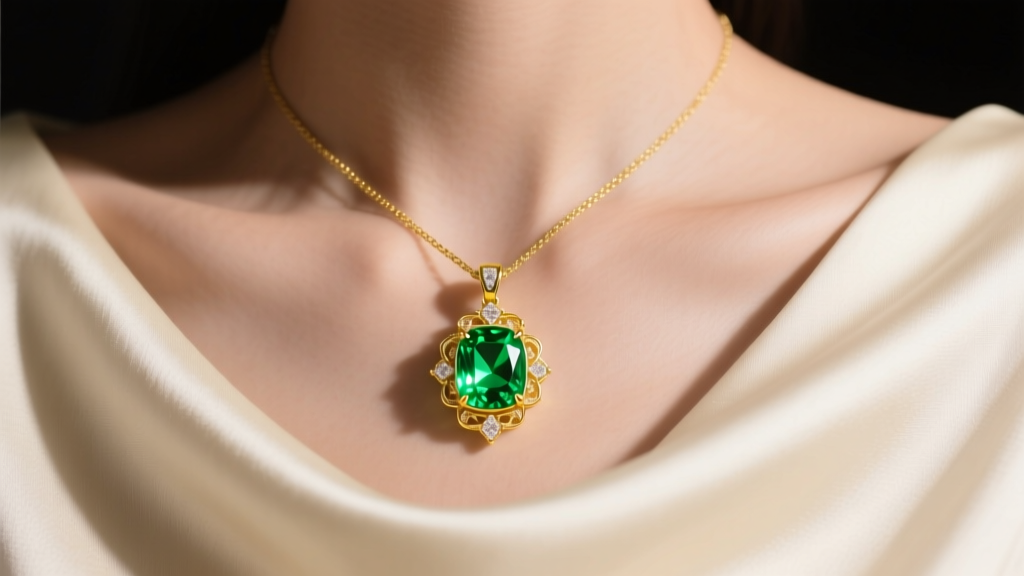
Understanding the Chartreuse Spectrum in Jewelry
Chartreuse is one of the most dynamic and polarizing colors in the gemological spectrum. Sitting precisely halfway between yellow and green on the color wheel, a chartreuse necklace offers a vibrant, energetic pop that bridges the gap between warm and cool wardrobes. For beginners, navigating this specific hue can be intimidating. Is it too bright? Will it clash with your wardrobe? The secret lies in understanding the geological origins of chartreuse gemstones and how their unique optical properties interact with light and skin tone.
Unlike diamonds or sapphires, which are graded on a universally recognized color scale, chartreuse gems derive their color from entirely different chemical mechanisms. Some are idiochromatic (colored by their essential chemical makeup), while others are allochromatic (colored by trace impurities). Understanding this distinction is the first step in buying a high-quality piece that won't fade or look muddy over time.
The Gemology of Chartreuse: What Stones Actually Give You This Color?
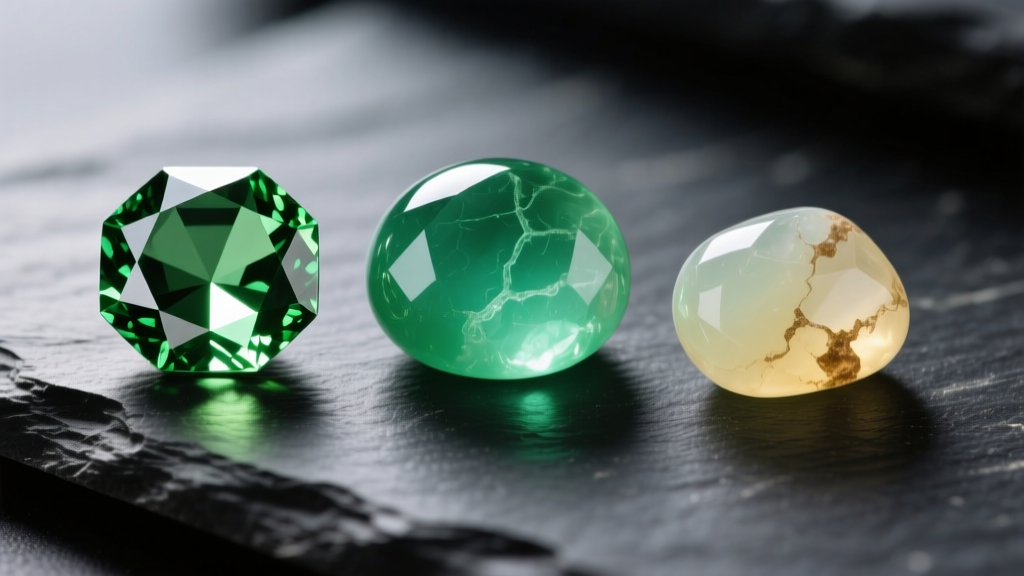
When you shop for a chartreuse necklace, you are typically looking at three primary gemstones. Each has distinct physical properties, durability ratings, and price points.
1. Peridot (The Idiochromatic Standard)
Peridot is one of the few gemstones that only occurs in green. However, its signature color is not a deep forest green, but a vivid, yellowish-green chartreuse. According to the Gemological Institute of America (GIA), peridot's color is caused by iron within its crystal structure. Because it is idiochromatic, the color is consistent throughout the stone. High-quality peridot exhibits strong double refraction, meaning light splits as it enters the stone, giving a chartreuse peridot pendant a slightly 'sleepy' or velvety internal glow that glass imitations cannot replicate.
2. Chrysoprase (The Opaque Challenger)
If you prefer a smooth, opaque, cabochon-style bead over a faceted gem, chrysoprase is your target. A variety of chalcedony (cryptocrystalline quartz), chrysoprase gets its brilliant apple-to-chartreuse color from trace amounts of nickel. It lacks the sparkle of peridot but offers a rich, waxy luster that looks exceptional in matte-finish gold settings. The GIA notes that chrysoprase is highly valued for its uniform color distribution, though it requires specific care to prevent UV fading.
3. Prehnite (The Milky Alternative)
Prehnite is a calcium aluminum silicate that often presents as a milky, translucent chartreuse. It is significantly more affordable than fine peridot and features a soft, glowing appearance. It is an excellent entry-level stone for beginners wanting to experiment with the yellow-green color palette without a massive financial investment.
Chartreuse Necklace Price & Quality Tiers
To help you budget and evaluate quality, refer to this comparison matrix. Prices reflect standard retail for a finished 16-inch necklace or a standard 2-carat pendant.
| Material | Mohs Hardness | Optical Property | Avg. Retail Price Range | Best Metal Pairing |
|---|---|---|---|---|
| Faceted Peridot | 6.5 - 7.0 | High Double Refraction | $150 - $600 | 14k or 18k Yellow Gold |
| Chrysoprase Beads | 6.5 - 7.0 | Waxy Luster, Opaque | $80 - $250 | 14k Rose Gold or Sterling Silver |
| Prehnite Cabochon | 6.0 - 6.5 | Milky Translucence | $40 - $120 | Sterling Silver or White Gold |
| Enamel / Resin | 2.5 - 3.0 (Enamel) | Surface Reflection | $30 - $90 | Gold Vermeil or Brass |
Matching Chartreuse to Your Skin Undertone
The most common mistake beginners make with a chartreuse necklace is ignoring their skin's undertone. Because chartreuse contains both yellow (warm) and green (cool) light wavelengths, it is a 'chameleon' color, but it requires strategic metal pairing to look its best.
- Warm Undertones (Veins appear greenish, skin tans easily): Chartreuse naturally harmonizes with your skin. To amplify the warmth, choose a peridot pendant set in 18k yellow gold. The rich, buttery tone of 18k gold pulls the yellow notes out of the stone, creating a seamless, sun-kissed gradient against your collarbone.
- Cool Undertones (Veins appear blue/purple, skin burns easily): Wearing yellow-green against cool skin can sometimes make the skin look sallow. The fix? Introduce a cooling metal barrier. Set your chartreuse gem in platinum, white gold, or high-polished sterling silver. The cool metal acts as a visual buffer, allowing the green undertones of the chrysoprase or peridot to pop without clashing with your natural pigmentation.
- Neutral Undertones: You have the ultimate freedom. A mixed-metal setting—such as a sterling silver chain with a 14k yellow gold bezel holding a prehnite cabochon—will look incredibly sophisticated and balanced.
The Architecture of Layering: Formulas for Success
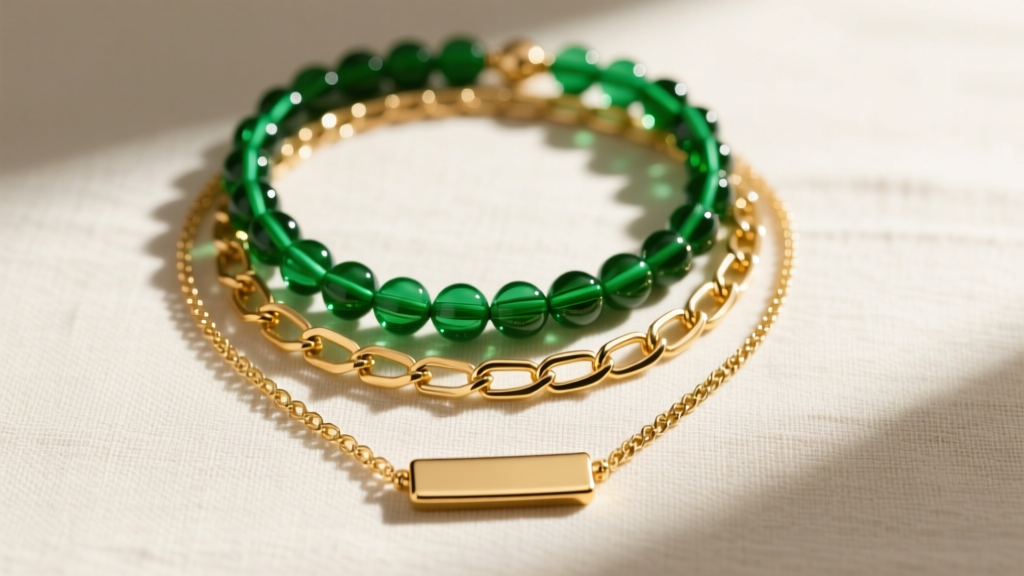
A single chartreuse strand is beautiful, but modern jewelry styling relies on the art of the layered stack. The key to layering a brightly colored piece like a chartreuse necklace is to treat it as the 'anchor' and surround it with neutral, textural metallic chains.
The Beginner's 3-Piece Layering Formula
Follow this exact length and texture progression to avoid tangling and visual clutter:
- The Choker/Base (14 to 15 inches): Start with a simple, 1.2mm sterling silver or gold herringbone chain. This sits flush against the neck and provides a metallic backdrop.
- The Chartreuse Anchor (16 to 17 inches): Your chartreuse necklace goes here. If it is a beaded chrysoprase strand, ensure it has a 9mm lobster clasp rather than a fragile spring-ring. If it is a peridot pendant, a 1.5mm rope chain offers enough structural integrity to hold the stone without overpowering it.
- The Elongator (20 to 22 inches): Finish with a longer, open-link chain (like a 2.5mm paperclip or cable chain) featuring a small, neutral pendant like a mother-of-pearl disc or a simple gold bar. This draws the eye downward, elongating the torso and framing the vibrant chartreuse in the center.
Choosing the Right Chain Gauge and Hardware
Beginners often overlook the hardware, leading to broken chains and lost gems. Chartreuse gemstones, particularly dense chrysoprase bead strands, carry significant physical weight.
Never use a chain thinner than 1.0mm for a stone pendant weighing over 3 carats, and never rely on a standard 5mm spring-ring clasp for a heavy bead strand.For a chartreuse peridot pendant, a 14k yellow gold box chain in a 1.2mm to 1.5mm width offers the perfect ratio of tensile strength to visual delicacy. For beaded chrysoprase necklaces, ensure the beads are knotted on high-tensile silk or bonded nylon thread, with gold-filled or solid gold crimp beads securing the ends. Avoid gold-plated brass crimps, as the friction from the stone beads will wear through the plating within months, leading to structural failure.
Care and Maintenance: Protecting the Yellow-Green Hue
Chartreuse gems require specific care routines to maintain their optical brilliance. Peridot is highly sensitive to thermal shock and rapid temperature changes. Never clean a peridot necklace in an ultrasonic cleaner or with a steam jet; the vibrations and heat can cause internal stress fractures, turning your vibrant chartreuse stone into a cloudy, fractured mess. Instead, use a soft microfiber cloth and a drop of mild, phosphate-free dish soap in lukewarm water.
Chrysoprase presents a different challenge: UV sensitivity. Prolonged exposure to direct sunlight or intense heat can dehydrate the stone, causing its brilliant nickel-induced chartreuse color to fade into a dull, pale gray-green. Always store your chrysoprase necklaces in a lined jewelry box or a soft velvet pouch away from window light. If your chrysoprase does lose its luster over years of wear, a professional lapidary can sometimes restore its color by soaking it in a nickel nitrate solution, though prevention via proper dark storage is vastly superior.


