How to Style and Layer an 18 Inches Necklace Flawlessly
Master the art of the 18 inches necklace. Learn step-by-step layering techniques, neckline pairings, and clasp choices for a flawless look.

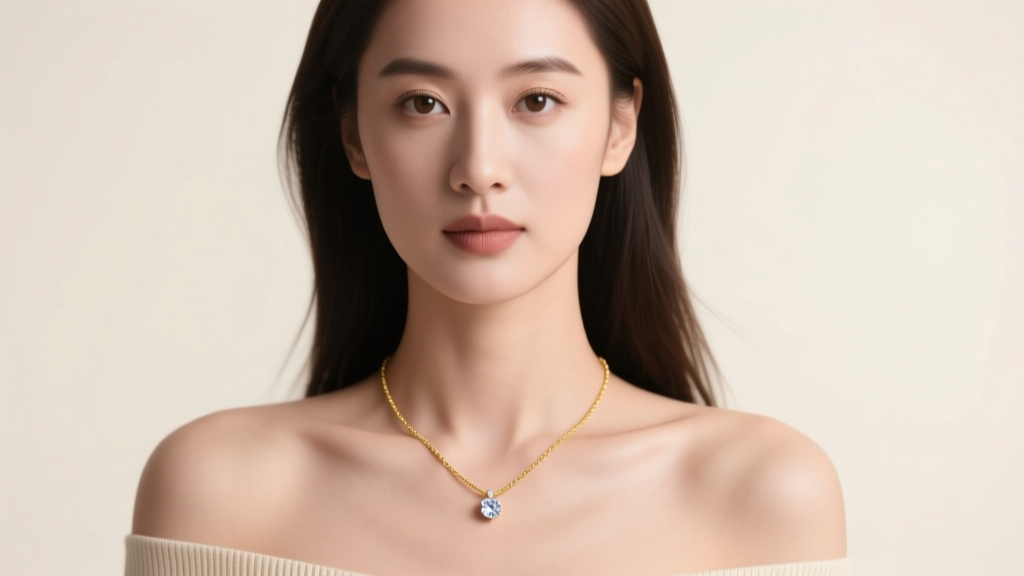
In the world of fine jewelry, the 18 inches necklace is universally recognized as the ultimate workhorse. Often referred to as the 'Princess' length, it sits gracefully on or just below the collarbone, making it the most versatile anchor point for both standalone pendants and complex layered arrangements. However, simply throwing on an 18-inch chain does not guarantee a polished look. True elegance requires an understanding of chain gauges, clasp mechanics, and spatial layering rules.
This comprehensive guide will walk you through the exact specifications, styling frameworks, and hardware considerations needed to maximize your 18-inch chains in 2026 and beyond.
The Anatomy of the 18-Inch Princess Length
Before styling, you must understand how an 18-inch chain interacts with human anatomy. According to The Knot's comprehensive necklace length guide, an 18-inch chain typically falls 1.5 to 2 inches below the collarbone on an average-sized neck (13 to 14 inches in circumference). This placement is highly strategic: it rests in the 'safe zone' of the upper chest, avoiding the friction of the neck base while remaining high enough to frame the face.
Gauge and Width Specifications
The visual weight of your 18 inches necklace is dictated by its millimeter (mm) width. Choosing the wrong gauge can lead to a chain that snaps under a pendant's weight or looks overwhelmingly bulky.
- 0.8mm - 1.2mm (Delicate): Best for lightweight pendants (under 4 grams) or subtle, barely-there layering. These are usually crafted in cable or box links.
- 1.5mm - 2.5mm (Standard): The sweet spot for everyday wear. Can support medium pendants (5 to 12 grams) and holds up well to daily friction against clothing.
- 3.0mm - 5.0mm (Statement): Ideal for standalone wear. At 18 inches, a 4mm Cuban or rope chain becomes a bold focal point and should generally not be layered with other heavy chains.
Step-by-Step: Layering Your 18-Inch Chain
Layering is where the 18-inch chain truly shines, acting as the critical middle tier in a three-piece arrangement. To avoid the dreaded 'tangled knot' effect, follow the strict 2-inch separation rule.
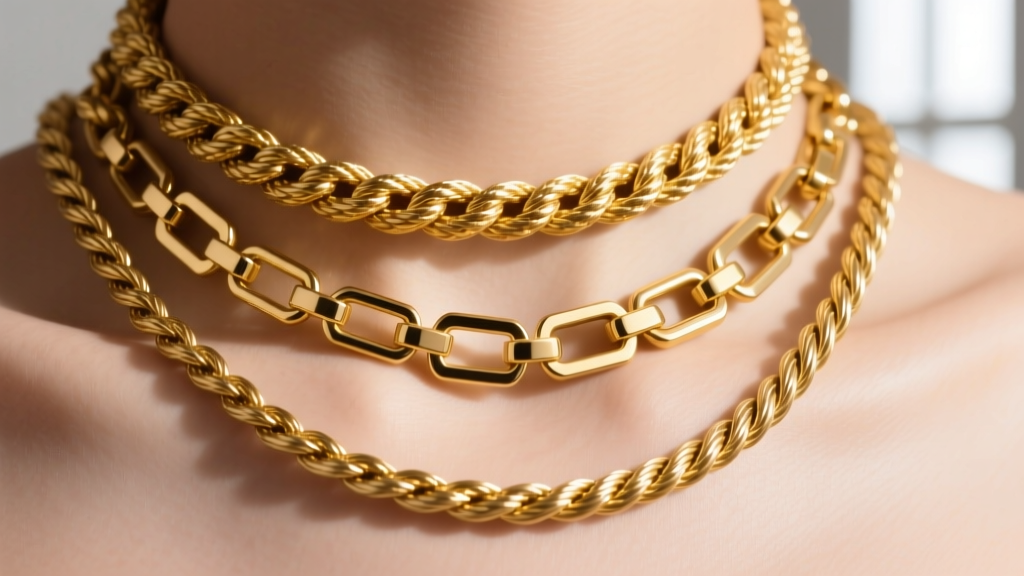
Step 1: Anchor with a 16-Inch Choker
Begin with a 16-inch chain that sits snugly at the base of the neck. Opt for a contrasting texture—if your 18-inch chain is a structured box link, use a fluid 1.5mm rope or herringbone chain for the 16-inch anchor. This textural contrast prevents the chains from catching on one another.
Step 2: Add the 18-Inch Focal Point
Your 18 inches necklace should carry the primary visual weight. Attach a pendant with a fixed bail to keep it centered. If you are layering three chains, the 18-inch piece should be between 1.2mm and 2.0mm thick. A solitaire diamond or a geometric gemstone drop works perfectly here, drawing the eye exactly to the upper sternum.
Step 3: Extend with a 20 or 22-Inch Lariat
Complete the cascade with a longer, lighter chain. A 20-inch or 22-inch cable chain featuring a small, lightweight charm (like a 3mm gold bead or a tiny bezel-set moonstone) creates a sense of vertical elongation. As noted in Vogue's layering masterclass, varying the pendant sizes from largest (middle) to smallest (bottom) creates a harmonious visual triangle.
The Neckline Pairing Matrix
An 18-inch chain interacts differently depending on the geometry of your clothing. Use this decision matrix to pair your jewelry with your wardrobe.
| Neckline Type | 18-Inch Styling Strategy | Recommended Chain Style |
|---|---|---|
| Crew Neck | Wear over the fabric as a statement. Keep the pendant small so it doesn't look like it's 'choking' the collar. | 2.0mm Rope or Curb |
| V-Neck | The 18-inch length perfectly mirrors the V-shape. Use a Y-drop or a pendant that points downward to elongate the torso. | 1.2mm Box with Teardrop |
| Scoop Neck | Layer the 18-inch chain with a 16-inch choker to fill the negative space of the wide neckline. | Delicate Cable Layering Set |
| Turtleneck | Wear over the fabric. The 18-inch length sits perfectly on the upper chest. Avoid delicate chains; they will disappear. | 3.5mm+ Statement Chain |
| Button-Down | Wear underneath the collar, resting against the skin, with the top two buttons undone for an effortless look. | 1.5mm Snake or Herringbone |
Hardware Specifics: Clasps and Bails
The failure point of any 18 inches necklace is its hardware. Because this length experiences significant movement and friction against the chest, choosing the right clasp and bail is non-negotiable.
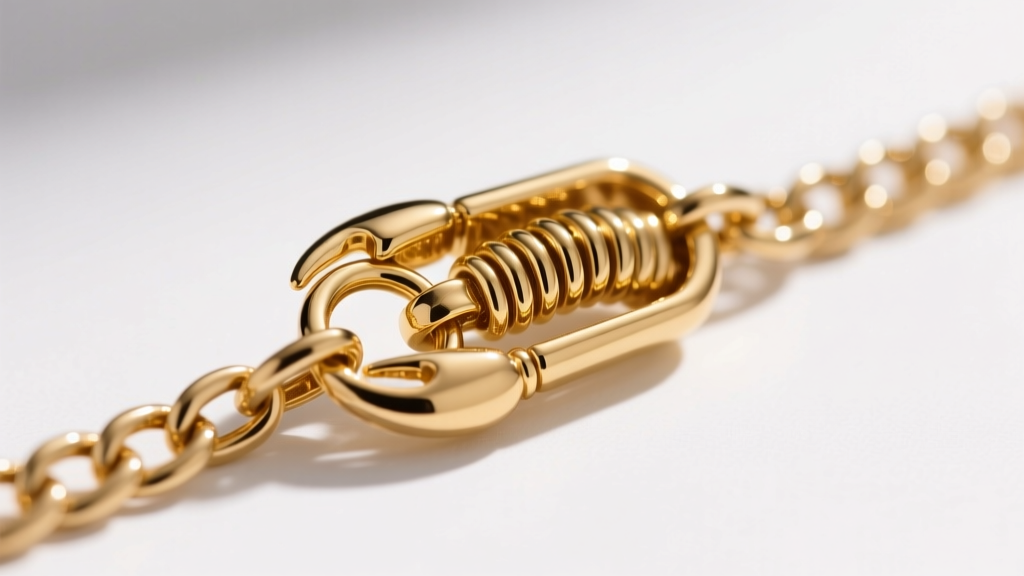
Clasp Selection by Gauge
Do not use a spring ring clasp on any chain thicker than 1.2mm. Spring rings lack the internal spring tension to securely hold heavier links and are prone to snapping when caught on a sweater. For chains ranging from 1.5mm to 3.0mm, a lobster clasp is mandatory. For chains over 3.0mm, look for a fold-over safety clasp or a specialized box clasp with a figure-eight safety latch.
Bail Sizing Mathematics
If you are sliding a pendant onto your 18-inch chain, the bail (the loop that connects the pendant to the chain) must be sized correctly. The inner diameter of the bail must be at least 1.5mm larger than the width of your chain. For example, if you are using a 2.0mm box chain, the bail's inner opening must be a minimum of 3.5mm. Forcing a thick chain through a tight bail will grind away the metal over time, eventually snapping the chain link. The Gemological Institute of America (GIA) frequently highlights that improper bail-to-chain ratios are a leading cause of avoidable jewelry damage.
Maintenance and Tangling Prevention
Even when styled perfectly, an 18-inch chain can become a nuisance if it constantly flips over or tangles. Here are three expert troubleshooting methods to keep your necklace pristine:
- The Center of Gravity Trick: If your pendant keeps flipping to the side, the chain is too smooth (common with snake and herringbone chains). Switch to a box or cable chain, which provides micro-friction to keep the pendant anchored at the sternum.
- Clasp Positioning: Always store your 18-inch necklace with the clasp fastened and draped over a jewelry bust or rolled into a dedicated anti-tarnish pouch. Leaving it unclasped in a drawer guarantees the links will weave into a knot.
- Metal Hardness Considerations: If your 18-inch chain is made of 18k or 22k gold, be aware that the higher pure-gold content makes the metal softer and more prone to stretching at the 18-inch tension points. For daily wear and heavy pendants, 14k gold or platinum offers superior structural integrity.
By treating your 18 inches necklace not just as an accessory, but as a precisely engineered component of your personal style, you unlock its full potential. Whether anchoring a complex three-tier layer or standing alone against a crisp white t-shirt, the Princess length remains the undisputed champion of the jewelry box when styled with intention and technical precision.


