How to Style, Layer, and Care for a Pastina Necklace
Learn how to style, layer, and care for a pastina necklace. Discover chain gauges, metal grades, and pairing tips for this micro-charm trend.

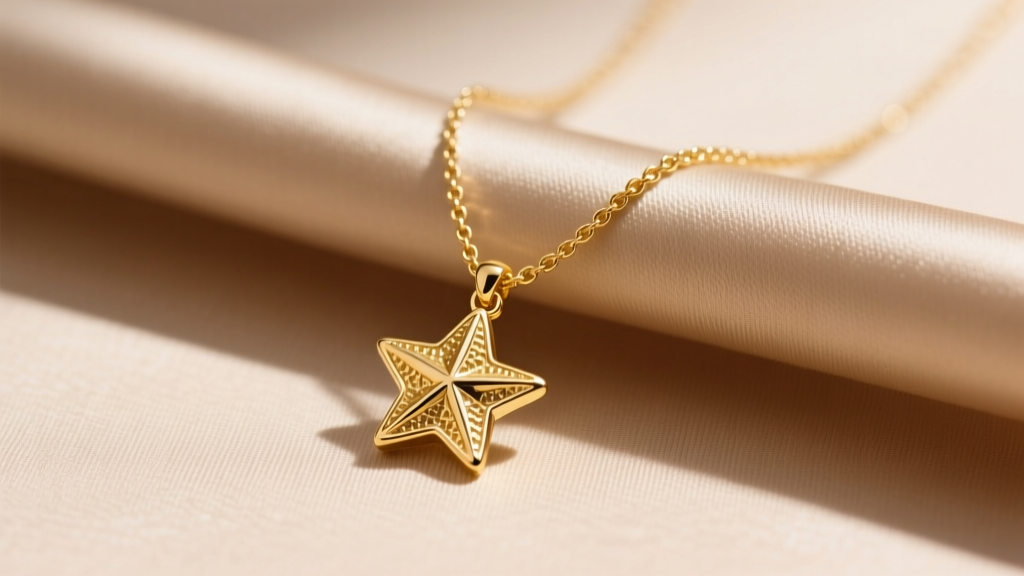
The intersection of whimsical novelty and high-end fine jewelry has given rise to one of the most charming micro-trends of the decade: the pastina necklace. Featuring hyper-realistic, miniaturized pasta shapes—such as stelline (tiny stars), orzo, acini di pepe, and ditalini—these delicate pendants are cast in precious metals and offer a subtle, conversational nod to culinary nostalgia. However, styling a food-inspired micro-charm requires a careful hand. If paired incorrectly, a pastina necklace can easily cross the line from sophisticated eccentricity into costume jewelry territory.
As we navigate the jewelry landscape of 2026, the demand for hyper-specific, personalized micro-pendants continues to surge. Collectors and everyday wearers alike are seeking out pieces that tell a story. Whether you are gifting a piece to an Italian grandmother, celebrating a love for home cooking, or simply appreciating the intricate artistry of micro-casting, this comprehensive guide will walk you through exactly how to select, layer, and maintain your pastina necklace.
The Craftsmanship Behind Micro-Food Jewelry
Before diving into styling, it is crucial to understand the metallurgy and casting techniques that make a high-quality pastina necklace possible. Capturing the microscopic ridges of a 3mm stelline charm or the porous texture of an orzo pendant requires advanced lost-wax casting methods. Jewelers typically use high-resolution 3D resin printing to create the initial wax model, ensuring that every subtle curve and culinary imperfection is preserved.
When selecting your metal, pay close attention to the karat weight. While 18k and 22k gold are prized for their rich color and purity, they are inherently softer metals. According to metallurgical guidelines outlined by the Gemological Institute of America (GIA), higher karat gold is more susceptible to wear and tear. For a micro-charm with intricate surface textures, 14k gold (58.5% pure gold) is the superior choice. The alloy metals (typically copper and silver) provide the structural integrity needed to prevent the tiny pasta ridges from smoothing out over years of friction against the skin and clothing. If you prefer sterling silver, ensure it is rhodium-plated or cast in Argentium silver to prevent tarnish from settling into the deep crevices of the pasta texture.
Step 1: Matching Chain Gauges to Micro-Charms
The most common mistake buyers make with micro-pendants is pairing them with a chain that is too thick, which visually overwhelms the charm, or too thin, which risks snapping under the weight of a solid gold casting. A standard pastina charm weighs between 0.8 grams and 1.5 grams. To support this weight while maintaining a delicate aesthetic, you must select the correct chain gauge.
| Chain Gauge | Chain Style | Best For | Durability Rating |
|---|---|---|---|
| 0.8mm | Cable / Rolo | Acini di pepe (under 1g) | Low (Prone to kinking) |
| 0.9mm - 1.0mm | Cable / Box | Stelline / Orzo (1g - 1.5g) | Medium (Ideal balance) |
| 1.2mm | Wheat / Rope | Ditalini / Rigatoni (1.5g+) | High (Very secure) |
Pro-Tip on Clasps: Micro-chains (0.8mm to 1.0mm) are almost always fitted with standard 4mm spring ring clasps. These are notoriously difficult to fasten unassisted. When commissioning or buying a pastina necklace, request an upgrade to a 5mm or 6mm lobster clasp, or invest in a magnetic neodymium clasp converter for daily ease of use.
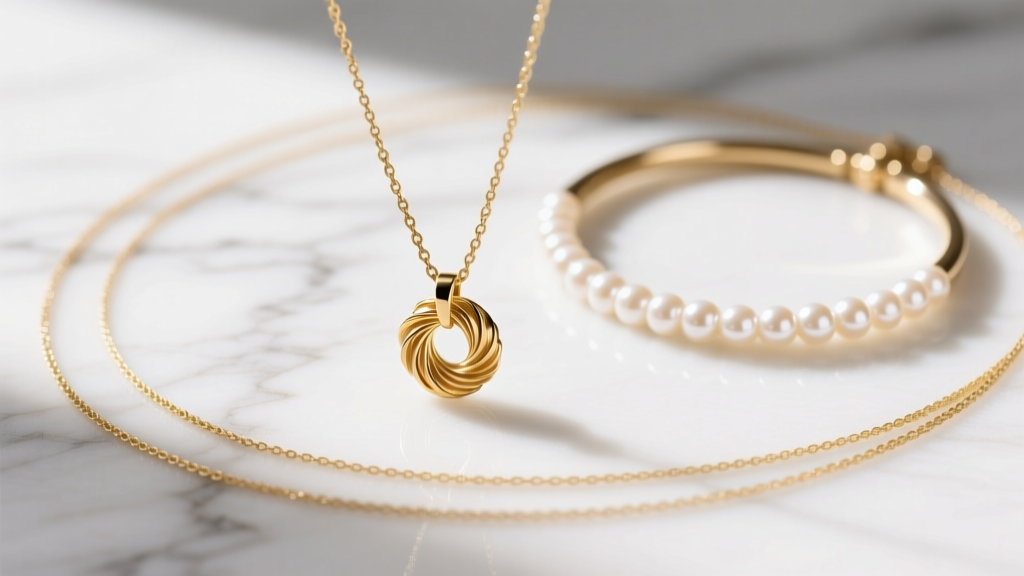
Step 2: The Sophisticated Layering Formula
The key to wearing a novelty item like a pastina necklace with elegance is contrast. You must anchor the whimsical charm with classic, timeless fine jewelry staples. The goal is to make the observer do a double-take, leaning in to realize that the tiny star is actually a piece of pasta, rather than a traditional celestial motif.
The Base Layer: The Anchor (14 to 15 Inches)
Start with a classic choker or collar that sits high on the collarbone. A 14-inch strand of 2mm to 3mm freshwater pearls or a simple 14k gold snake chain provides a serious, traditional foundation. This base layer signals that your overall aesthetic is grounded in classic fine jewelry, giving you the freedom to play with novelty pieces in the subsequent layers.
The Mid Layer: The Pastina Necklace (16 to 17 Inches)
This is where your pastina necklace lives. By placing it at the standard 16-inch or 17-inch princess length, it rests perfectly in the hollow of the collarbone. Ensure the chain is a high-polish 14k yellow gold cable chain. Yellow gold naturally mimics the warm, comforting tones of traditional Italian cooking, enhancing the conceptual link between the jewelry and its culinary inspiration. Allow the charm to lay flat against the skin; avoid pairing it with other mid-layer pendants that could scratch the micro-cast texture.
The Top Layer: The Statement (18 to 20 Inches)
Complete the trio with a longer, heavier chain featuring a substantial, non-novelty pendant. A vintage coin necklace, a geometric diamond solitaire, or a heavy signet pendant on an 18-inch 1.5mm rope chain will draw the eye downward, creating a cascading effect. The juxtaposition of a heavy, historical, or geometric top layer against the tiny, playful pastina mid-layer creates a deeply curated, personalized look that feels intentional rather than accidental.
'The secret to styling micro-charms is spatial awareness. Give the novelty piece its own negative space on the chest so the eye has time to process the miniature scale before moving to the heavier anchor pieces.' — Master Bench Jeweler Styling Guidelines
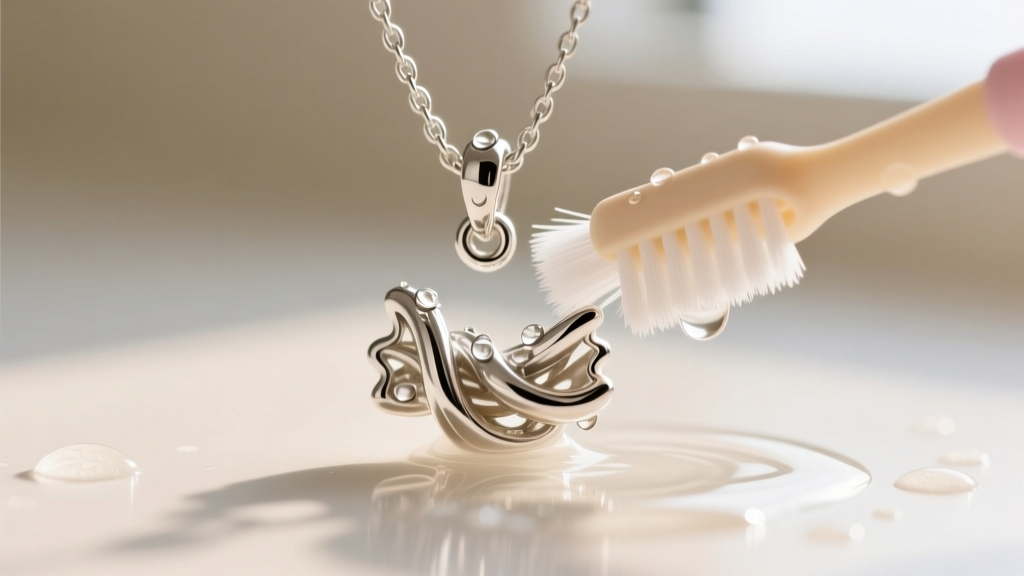
Step 3: Cleaning Intricate Micro-Casts
Food-inspired jewelry presents a unique maintenance challenge. The very textures that make a pastina necklace charming—the tiny ridges of the orzo, the hollow center of the ditalini—are exactly where skin oils, lotions, and environmental dust accumulate. Over time, this buildup will dull the precious metal and make the charm look muddy.
What to Avoid
- Ultrasonic Cleaners: While ultrasonic machines are excellent for diamond rings, the high-frequency vibrations can be too harsh for micro-cast items, especially if the pastina charm features any enamel accents or is soldered to a delicate jump ring. The vibrations can cause microscopic stress fractures in thin 14k gold castings.
- Steam Cleaners: High-pressure steam can force moisture into the microscopic crevices of the pasta texture, which may lead to trapped moisture and accelerated oxidation if the piece is sterling silver.
- Harsh Chemical Dips: Silver dip solutions will strip the natural patina and can leave a chalky white residue deep inside the textured ridges of the pastina charm that is nearly impossible to remove.
The Proper Cleaning Method
According to the care standards recommended by Jewelers of America, the safest and most effective way to clean intricate micro-jewelry is a gentle manual wash. Follow this step-by-step process:
- Prepare a Bath: Mix a few drops of mild, phosphate-free dish soap (like Dawn) into a bowl of lukewarm water. Avoid hot water, which can shock certain metal alloys.
- Soak Briefly: Submerge the pastina necklace for no more than 3 to 5 minutes to loosen surface oils.
- Agitate Gently: Use a brand-new, ultra-soft baby toothbrush. Do not use a standard adult toothbrush, as the bristles are too stiff and will leave microscopic scratches on the high-polish areas of the gold or silver.
- Brush the Crevices: Gently brush the interior of the pasta shape (like the center of the stelline) using light, circular motions. Let the bristles do the work; do not apply heavy pressure.
- Rinse and Dry: Rinse thoroughly under a gentle stream of lukewarm water. Pat dry with a lint-free microfiber cloth, and use a hairdryer on the 'cool' setting to blow out any remaining water droplets trapped in the micro-textures.
Final Thoughts on the Pastina Trend
The pastina necklace is a testament to the fact that fine jewelry does not always have to take itself too seriously. By understanding the structural requirements of micro-casting, carefully selecting your chain gauge, and employing a thoughtful, contrast-heavy layering strategy, you can elevate this playful charm into a sophisticated staple of your daily wardrobe. Treat the piece with the same respect and care you would afford a traditional diamond pendant, and your tiny culinary masterpiece will remain a sharp, conversation-starting heirloom for decades to come.


