How to Style and Layer a Choker Flower Necklace Perfectly
Master the choker flower necklace with our step-by-step styling guide. Learn layering techniques, neckline pairings, and material care tips.


The Botanical Revival: Elevating the Floral Choker
The choker flower necklace has transcended its 1990s grunge roots and 2010s festival trends to become a sophisticated staple in modern jewelry wardrobes. In contemporary styling, botanical motifs are no longer just playful accents; they are architectural focal points that demand precision in scaling, material selection, and layering. Whether you are working with delicate vitreous enamel, UV-cured botanical resins, or hammered metal repoussé, mastering this specific silhouette requires an understanding of neck anatomy and proportional balance.
This comprehensive, step-by-step guide will walk you through the exact methodologies for selecting, styling, and maintaining a choker flower necklace. We will move beyond generic fashion advice and dive into the specific metrics of chain gauges, material durability, and neckline geometry to ensure your floral centerpiece looks intentional and high-end.
Step 1: Selecting the Right Material and Scale
Not all floral chokers are created equal. The material dictates not only the price point but also the weight, drape, and appropriate occasion for the piece. A heavy cast-metal flower will pull on a delicate 1mm chain, causing it to snap or warp over time, while a lightweight resin piece might look cheap if paired with an overly thick curb chain.
When evaluating a choker flower necklace, pay close attention to the petal thickness and the base metal. Cold enamel (epoxy-based) offers vibrant colors but can yellow under UV exposure, whereas vitreous enamel (glass-based) is fired at high temperatures, offering heirloom-level durability. Below is a durability and styling matrix to help you choose the right material for your needs.
Material Durability & Application Matrix
| Material | Petal Thickness | UV & Moisture Resistance | Price Range | Best Occasion |
|---|---|---|---|---|
| Cold Enamel on Brass | 1.5mm - 2.0mm | Moderate (Avoid prolonged sun) | $45 - $120 | Daywear, Office, Brunch |
| UV-Cured Botanical Resin | 2.5mm - 4.0mm | Low (Degrades in UV/Humidity) | $60 - $150 | Evening Events, Festivals |
| Vitreous Enamel on Silver | 1.0mm - 1.5mm | High (Waterproof, Fade-proof) | $200 - $600 | Formal, Heirloom, Bridal |
| 3D-Printed Bioplastic | 2.0mm - 3.0mm | Moderate (Heat sensitive) | $30 - $80 | Casual, Streetwear, Layering |
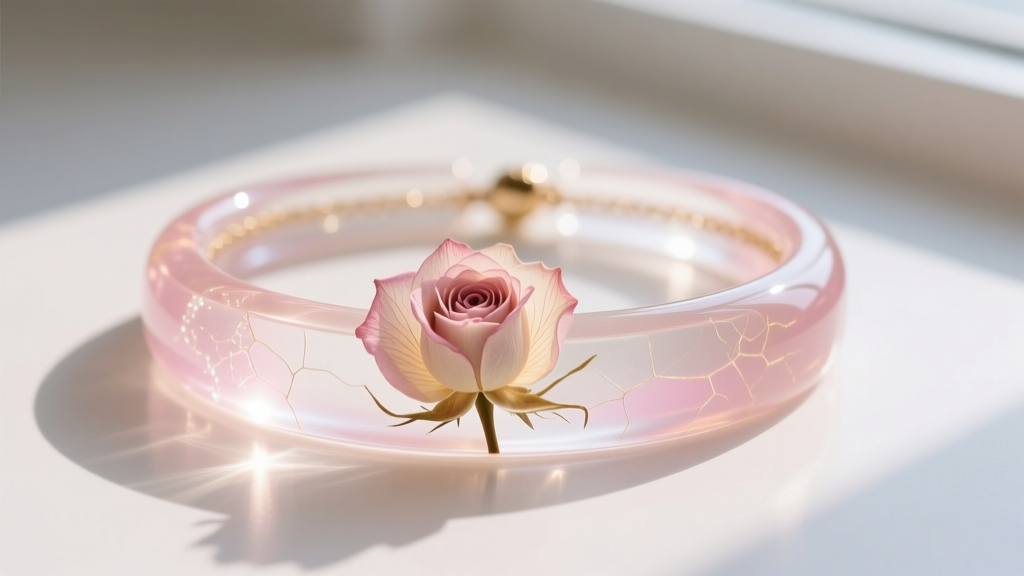
Expert Tip: If you are purchasing a resin choker flower necklace that encapsulates real dried flora, ensure the artisan uses a high-grade, non-yellowing epoxy resin. According to Jewelers of America, organic materials trapped in jewelry require strict climate control to prevent internal decomposition or mold growth.
Step 2: Matching Your Choker to Neckline Geometry
The most common mistake made with choker flower necklaces is ignoring the geometry of the garment's neckline. A choker sits precisely at the base of the neck (typically 14 to 15 inches in circumference). Because it occupies the highest visual real estate on the torso, it must interact harmoniously with the collar of your clothing.
The Neckline Compatibility Guide
- The Sweetheart Neckline: This is the ultimate pairing. The downward dip of the sweetheart neckline creates negative space that perfectly frames a 14-inch floral choker without competing for attention. Choose a flower pendant that sits dead-center on the collarbone.
- The V-Neck: A V-neck elongates the torso. Pair it with a minimalist chain choker featuring a small, asymmetric floral accent rather than a massive, symmetrical bloom, which can visually clutter the 'V' shape.
- The Off-The-Shoulder / Bardot: Highly recommended. With the shoulders entirely exposed, a bold choker flower necklace acts as a transitional anchor between the neck and the bare décolletage. Opt for wider, collar-style floral pieces (12-13 inches) that mimic a botanical collar.
- The Crew Neck / Turtleneck (What to Avoid): Avoid wearing a delicate floral choker over a thick crew neck or turtleneck. The fabric will bunch the chain, and the floral motif will look like an afterthought. If you must wear a choker with a high collar, choose a structured, rigid metal torque rather than a flexible chain.
Step 3: The 3-Tier Layering Technique
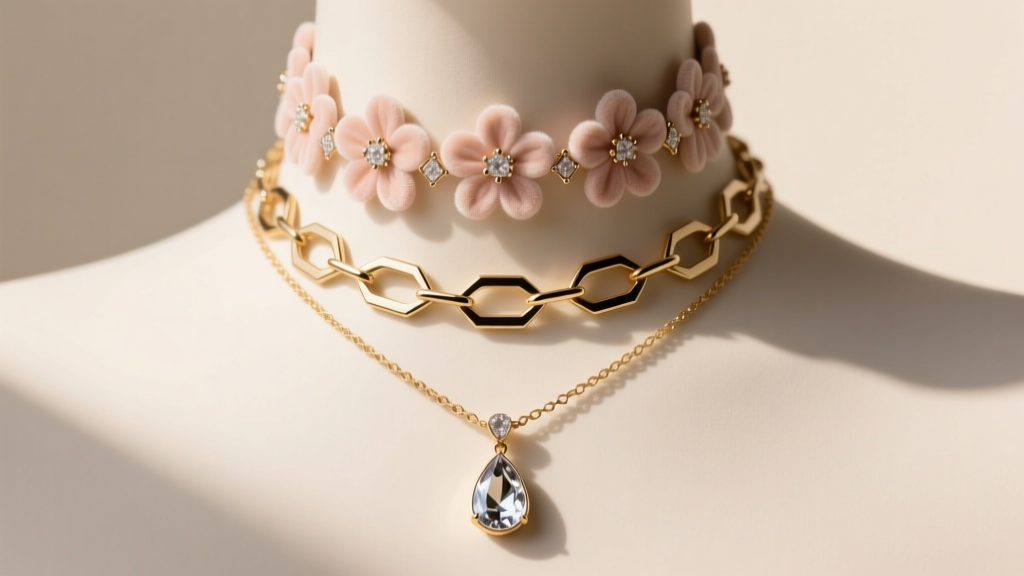
Layering a choker flower necklace requires strict adherence to spatial distribution. The goal is to create a cascading visual effect where each piece occupies its own distinct zone, preventing tangling and visual muddiness. We utilize the '4-Inch Drop Rule' to achieve this.
Executing the 4-Inch Drop Rule
- Tier 1: The Anchor (14 inches). Your choker flower necklace sits here. Ensure the clasp is secure and the floral motif is centered. If the flower is heavy, use a chain with a minimum gauge of 1.2mm (like a sturdy cable or box chain) to support the weight without kinking.
- Tier 2: The Bridge (18 inches). Drop exactly 4 inches below the choker. This layer should not feature another large pendant. Instead, use a textural chain—such as a 2.0mm rope chain or a paperclip link chain—in a complementary metal tone. This bridge fills the mid-chest void and adds metallic shine without competing with the floral motif above.
- Tier 3: The Pendulum (22 to 24 inches). The final layer should feature a vertical element, such as a bar pendant, a simple solitaire gemstone drop, or a lariat tassel. This draws the eye downward, elongating the torso and balancing the horizontal width of the floral choker at the top.
For a masterclass in proportion, remember that mixing metals is highly encouraged in modern styling, provided you maintain a consistent finish (e.g., pairing high-polish silver with high-polish gold, rather than mixing brushed and mirrored finishes). As noted in Vogue's comprehensive layering guides, varying the chain textures is just as important as varying the lengths to prevent the necklaces from knotting together.
Step 4: Maintenance and Storage Protocols
Floral motifs, particularly those with intricate petal crevices or enamel inlays, are magnets for cosmetic buildup, skin oils, and environmental dust. Improper cleaning can strip cold enamel or cloud botanical resins.
Do's and Don'ts of Floral Choker Care
- DO clean metal floral repoussé with a specialized silver polishing cloth, using a soft-bristled makeup brush to gently sweep tarnish remover out of the deep petal grooves.
- DO store your choker flat or hung on a velvet-lined bust. Coiling a chain choker in a drawer will inevitably lead to micro-knots, which weaken the metal links over time.
- DON'T use ultrasonic cleaners on any choker flower necklace featuring enamel, resin, or glued-in gemstones. The high-frequency vibrations will shatter glass enamel and detach resin petals.
- DON'T apply perfume, hairspray, or lotions after putting on your necklace. The alcohol and aerosol propellants in cosmetics will degrade the protective top-coat on cold enamel and cause bioplastics to become brittle.
Final Thoughts on the Botanical Silhouette
The choker flower necklace is a testament to the enduring appeal of nature-inspired jewelry, but its execution requires a deliberate, architectural approach to styling. By respecting the material limitations, matching the geometry of your necklines, and employing precise layering metrics, you can transform a simple floral accessory into a sophisticated, editorial-level statement. Whether you are curating a vintage enamel piece or a modern resin encapsulation, the rules of proportion and care remain your greatest tools for sartorial success.


