How to Style, Layer, and Clean Your Polar Bear Necklace
Learn how to choose, layer, and clean your polar bear necklace. Expert steps for styling 925 silver and enamel arctic animal pendants.

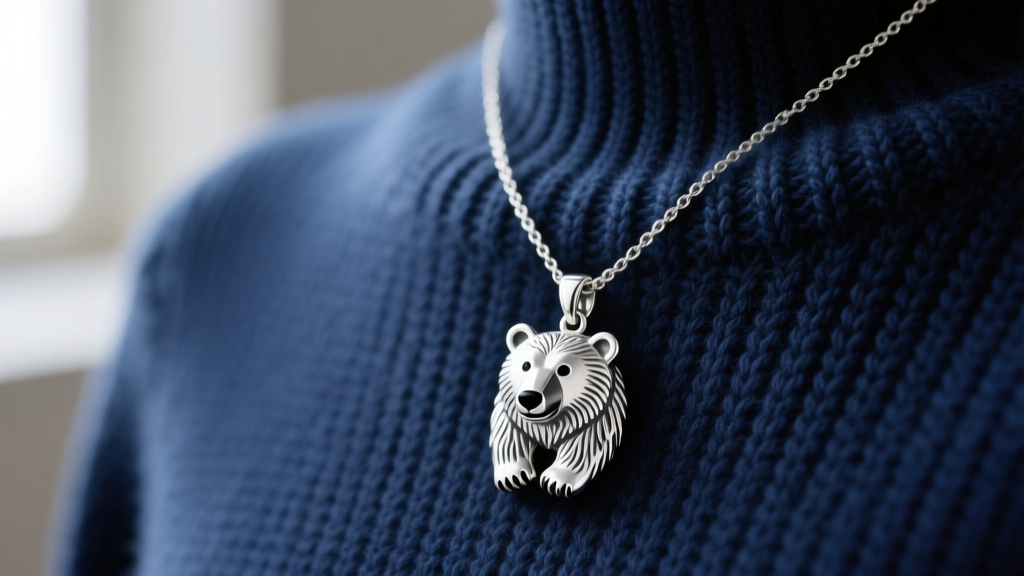
The polar bear necklace has evolved from a simple novelty trinket into a sophisticated staple of nature-inspired jewelry. As we move through 2026, conservation-minded jewelry collectors and outdoor enthusiasts alike are gravitating toward arctic motifs that symbolize resilience, strength, and environmental awareness. However, owning a beautifully crafted polar bear pendant is only half the equation. Knowing how to properly pair it with the right chain, layer it with complementary pieces, and maintain its intricate details—especially when cold enamel or oxidized finishes are involved—is crucial for longevity.
Whether you are wearing a solid cast sterling silver piece or a delicate white gold silhouette, this step-by-step guide will walk you through the exact methodologies used by jewelry stylists and bench jewelers to get the most out of your polar bear necklace.
Step 1: Selecting the Right Material and Verifying Hallmarks
Before you begin styling, it is essential to understand the metallurgy of your pendant. The most common and versatile material for animal motif jewelry is 925 sterling silver. Pure silver (999) is too soft to hold the intricate casting details required for a polar bear’s fur texture and facial features. By alloying 92.5% pure silver with 7.5% copper, jewelers achieve the necessary tensile strength for detailed wax-cast molds.
When purchasing or inspecting your necklace, always look for the hallmark. According to the Federal Trade Commission (FTC) Jewelry Guides, any piece marketed as sterling silver must bear a quality mark (such as '925' or 'Sterling') and a registered maker's mark. Use a 10x jeweler's loupe to inspect the bail or the flat back of the bear pendant for these stamps.
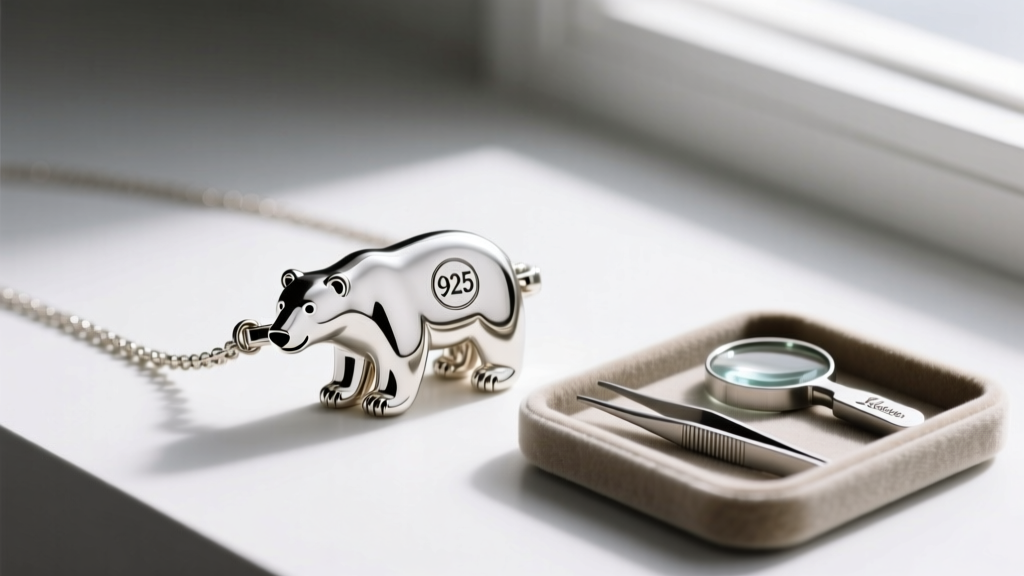
If your polar bear necklace features white gold, ensure it is stamped '750' (18k) or '585' (14k). White gold is often rhodium-plated to enhance its icy, arctic shine, but this plating will wear off over time, requiring professional re-dipping every 12 to 18 months depending on friction and skin acidity.
Step 2: Choosing the Ideal Chain Length and Type
A frequent mistake collectors make is pairing a heavy, solid-cast polar bear pendant with a delicate chain. A detailed sterling silver bear pendant typically weighs between 6 and 14 grams. If the chain is too thin, the bail will cause premature friction wear, eventually snapping the chain. The Gemological Institute of America (GIA) notes that proper chain-to-pendant weight distribution is vital for structural integrity.
Use the following framework to match your chain to your specific pendant weight and desired neckline:
| Chain Type | Recommended Thickness | Pendant Weight Capacity | Best Neckline Pairing |
|---|---|---|---|
| Box Chain | 1.2mm - 1.5mm | Up to 8 grams | Crew necks, casual tees |
| Rope Chain | 1.5mm - 2.0mm | 8 to 15 grams | V-necks, open collars |
| Wheat Chain | 1.5mm - 2.5mm | 10 to 20 grams | Sweaters, winter layers |
| Cable Chain | 0.9mm - 1.2mm | Under 5 grams (Hollow/Enamel) | Summer blouses, scoop necks |
For a standard 18-inch princess length, the pendant will rest perfectly at the collarbone, making it the most universally flattering choice for a polar bear motif. If you prefer a more modern, streetwear-inspired look, opt for a 22-inch or 24-inch rope chain to let the bear rest over heavy winter flannels or hoodies.
Step 3: Layering Your Polar Bear Necklace
Layering nature-inspired jewelry requires a strategic approach to prevent visual clutter and physical tangling. The golden rule of necklace layering is the 2-inch differential. Each subsequent chain must be exactly two inches longer than the one above it to ensure the pendants do not collide and scratch one another.

The 3-Piece Arctic Layering Formula
- Layer 1 (16 inches): A minimalist, 1.0mm gold or silver cable chain. This acts as a subtle collarbone highlighter. Alternatively, a simple 4mm freshwater pearl strand adds an organic, icy contrast to the metallic bear.
- Layer 2 (18 inches): Your primary polar bear necklace. If the bear is crafted from oxidized silver (where the recessed areas of the fur are darkened with liver of sulfur), it will pop beautifully against the lighter chain of Layer 1.
- Layer 3 (20 inches): A longer, heavier chain featuring a geometric or minimalist bar pendant. This draws the eye downward, elongating the neck and balancing the visual weight of the detailed animal motif.
Pro Tip: Never mix metals if your polar bear pendant features black rhodium or dark enamel accents, as the high contrast can clash with warm yellow gold chains. Stick to white metals (silver, white gold, platinum) to maintain the arctic aesthetic.
Step 4: Cleaning and Maintaining Enamel and Silver
Many premium polar bear necklaces incorporate cold enamel—often black for the nose and eyes, or white for a snow-dusted base. This introduces a critical vulnerability: you must never use ultrasonic cleaners or chemical silver dips on enameled jewelry.
Ultrasonic vibrations can cause the glass-like enamel to micro-fracture and shatter. Similarly, thiourea-based chemical dips (commonly sold as instant tarnish removers) will strip the enamel's glossy finish and leave it permanently cloudy. Instead, follow this bench-jeweler-approved manual cleaning method:
- Prepare a Mild Bath: Mix three drops of phosphate-free dish soap (like Dawn) into a bowl of lukewarm distilled water. Avoid tap water, as chlorine and hard minerals can leave microscopic water spots on high-polish silver.
- Soft Agitation: Submerge the necklace for no more than three minutes. Use a baby-soft toothbrush (bristles must be extra-soft to avoid micro-scratches on the silver) to gently sweep along the chain links and the textured fur of the bear.
- Targeted Detailing: For tarnish trapped deep in the oxidized fur grooves, use a wooden toothpick wrapped in a microfiber cloth to gently lift the dirt without scraping the metal.
- Rinse and Dry: Rinse thoroughly under distilled water. Pat dry with a lint-free jeweler's cloth. Never air-dry, as water spots will form on the polished surfaces.
Step 5: Proper Storage to Prevent Tarnish and Scratches
The copper alloy in 925 sterling silver reacts with sulfur and moisture in the air, creating silver sulfide (tarnish). Because a polar bear pendant often features complex, three-dimensional textures, polishing out heavy tarnish from the deep crevices of the cast fur is incredibly difficult without ruining the intentional oxidation.
To prevent this, store your necklace in an airtight polyethylene ziplock bag alongside a 3M Anti-Tarnish Strip. These strips absorb airborne sulfur compounds and protect the silver for up to six months. Furthermore, always store the necklace flat or hung on a padded jewelry valet. Tossing it into a communal jewelry box will cause the heavy bear pendant to swing and dent softer chains or scratch adjacent gemstones. By following these meticulous care and styling protocols, your polar bear necklace will remain a striking, pristine testament to arctic beauty for decades to come.


