How to Style and Layer a Necklace Small Heart Pendant
Learn how to perfectly style and layer a necklace small heart pendant. Discover chain lengths, metal pairings, and neckline matching in our guide.

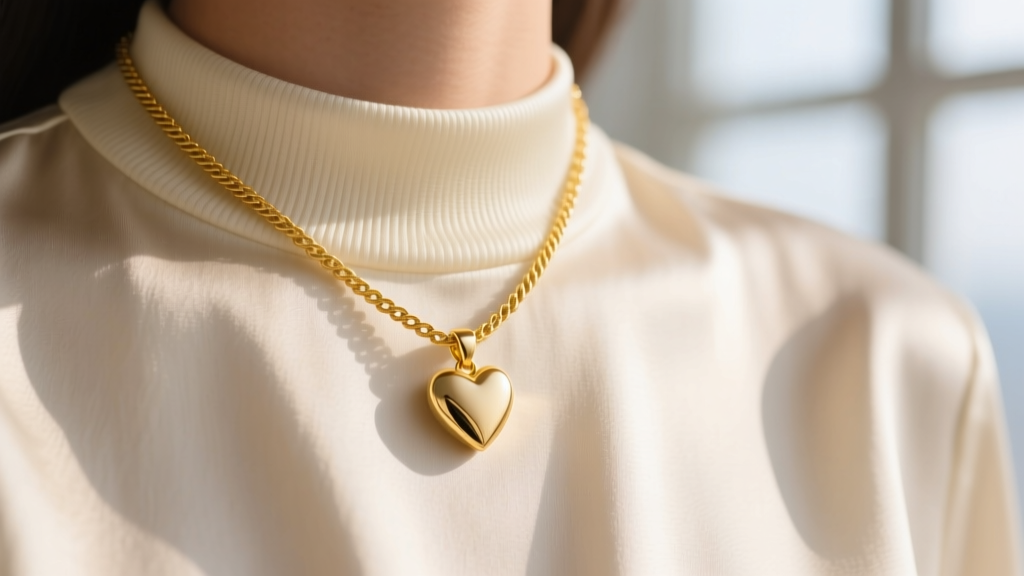
The small heart pendant has transcended fleeting trends to become a permanent fixture in modern jewelry wardrobes. However, the shift from the chunky, logo-driven pendants of the 2010s to today's micro-jewelry movement means that styling a necklace small heart design requires a much more deliberate approach. Typically measuring between 6mm and 12mm in width, these delicate pieces can easily look lost on the wrong chain or become a tangled mess when layered improperly.
This step-by-step guide moves beyond generic styling advice, providing exact measurements, chain mechanics, and layering mathematics to help you curate a sophisticated, tangle-free necklace stack centered around your favorite small heart pendant.
Step 1: Selecting the Right Chain Architecture
The most common mistake when wearing a micro-pendant is pairing it with a chain that overwhelms its bail (the loop that connects the pendant to the chain). A standard 7mm small heart pendant usually features a bail measuring roughly 2mm by 3mm. Therefore, your chain width must not exceed 1.5mm to allow the pendant to slide freely and lay flat against the skin.
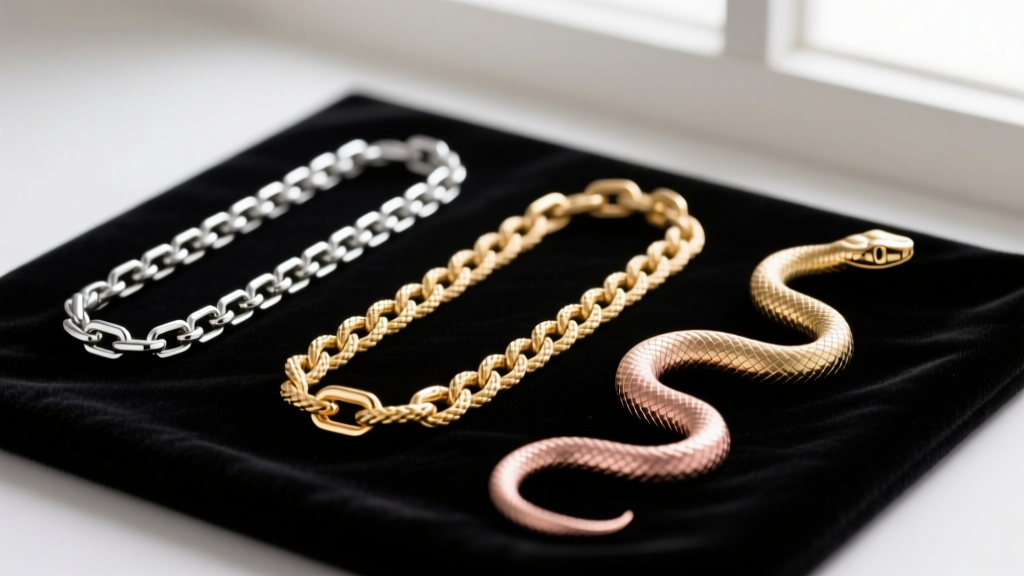
Chain Style Breakdown for Micro-Pendants
- Box Chains (0.8mm - 1.2mm): Constructed from interlocking square links, box chains offer the highest tensile strength for delicate jewelry. A 1.0mm 14k solid gold box chain can support up to 3 pounds of tensile force, making it virtually snap-proof for a lightweight heart pendant.
- Cable Chains (0.9mm - 1.5mm): The classic oval-link design. While visually traditional, cable chains thinner than 0.9mm are highly susceptible to kinking if twisted, which can permanently weaken the metal.
- Snake Chains (1.0mm - 1.5mm): These feature tightly joined wavy rings that create a smooth, tubular surface. While they provide a sleek, modern backdrop for a polished heart pendant, they are notorious for catching on fine body hair and kinking permanently if bent at a sharp angle.
According to the Jewelers of America, opting for solid 14k gold over gold vermeil for chains under 1.2mm is crucial, as the friction of daily wear will quickly strip the thin gold plating off a vermeil core, exposing the brass or silver beneath.
Step 2: Mastering the 2-Inch Layering Rule
Layering a necklace small heart silhouette with other chains is a hallmark of contemporary styling, but it introduces a mechanical problem: tangling. Necklaces tangle when they occupy the same spatial plane and share a similar center of gravity, causing the links to weave together during movement.
To prevent this, you must adhere to the 2-Inch Drop Rule. Each successive layer in your stack must be exactly two inches longer than the one above it. This creates enough physical separation to prevent the clasps and pendants from colliding and knotting.
| Layer Position | Chain Length | Ideal Pendant Size | Recommended Chain Style |
|---|---|---|---|
| Base (Choker) | 14 inches | None or 3mm bead | 0.8mm Cable |
| Middle (Focal) | 16 inches | 7mm - 10mm Small Heart | 1.0mm Box |
| Bottom (Anchor) | 18 inches | 15mm+ Geometric or Lariat | 1.5mm Rope or Curb |
Pro-Tip: Upgrade your base chain's clasp from a standard spring-ring to a lobster clasp. Spring rings are lightweight and tend to slide around to the front of the neck, causing the chain to twist. A slightly heavier lobster clasp acts as a counterweight, keeping the chain anchored at the nape of your neck.
Step 3: Mixing Metals with Intention
The era of strictly matching all your jewelry metals is over, but mixing gold, silver, and rose gold requires a strategic anchor to look intentional rather than accidental. When your focal piece is a small heart pendant, it dictates the tone of the entire stack.
The Bridge Piece Technique
If your small heart pendant is yellow gold, but you want to incorporate silver chains into your stack, use a 'bridge piece' on your longest layer. A bridge piece is a pendant or chain that incorporates both metals—such as a two-tone silver and gold oxidized medal or a chain with alternating metal links. This visually connects the disparate metals and creates a cohesive, curated aesthetic.
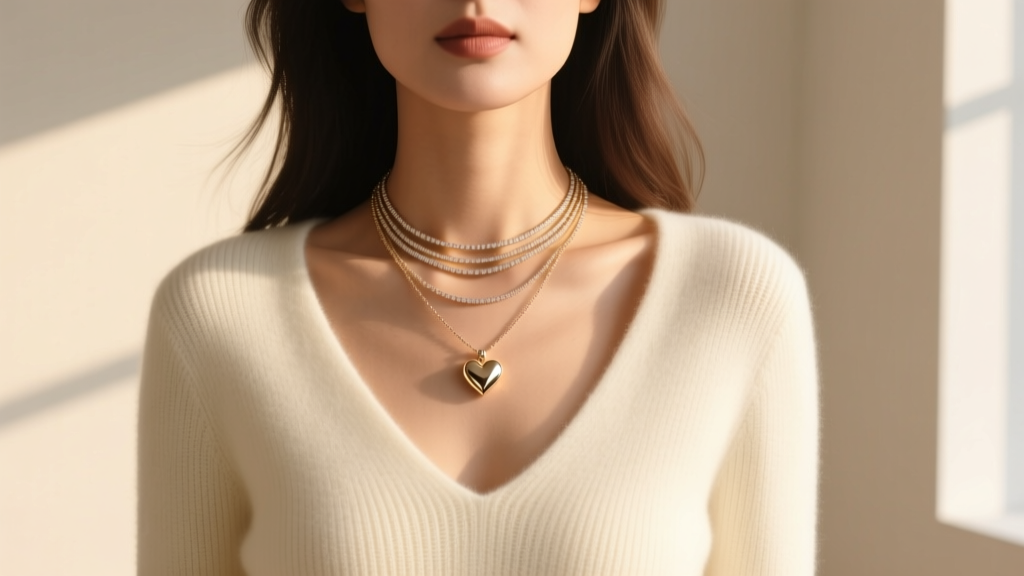
Step 4: Matching the Heart Necklace to Necklines
The visual weight of a small heart pendant changes drastically depending on the fabric and cut of your clothing. Because the pendant is under 12mm, it relies on negative space to be visible.
- The V-Neck: The ideal canvas. A 16-inch chain with a small heart pendant will naturally follow the geometric lines of a V-neck, drawing the eye downward. Ensure the pendant rests exactly one inch above the apex of the V.
- The Crew Neck: A small heart will vanish against a thick cotton crew neck. If wearing a high neckline, shorten your chain to 14 inches so the heart sits prominently on the bare skin of the upper chest, or lengthen it to 20 inches so it rests entirely below the fabric line.
- The Button-Down Collar: Wear the heart pendant inside the collar, resting against the skin, paired with a delicate 14-inch satellite chain. This creates an intimate, subtle look that is highly effective in professional environments.
Maintenance: Protecting Delicate Settings
Many modern small heart pendants feature micro-pavé diamonds or delicate gemstone inlays to maximize sparkle within a tiny footprint. However, this specific construction requires specialized care.
Never place a micro-pavé small heart pendant in an ultrasonic jewelry cleaner. The high-frequency vibrations that shake dirt from heavy gold bangles can easily loosen the microscopic metal beads holding 1mm diamonds in place, leading to irreversible stone loss.
Instead, follow the Gemological Institute of America (GIA) guidelines for delicate gemstone care: use a solution of warm water and a few drops of mild, phosphate-free dish soap. Soak the pendant for 15 minutes, then gently agitate the dirt using a brand-new, ultra-soft baby toothbrush. Rinse with distilled water to prevent hard water spots, and pat dry with a lint-free microfiber cloth.
Final Thoughts on Curation
A necklace small heart design is an exercise in subtlety. By respecting the mechanical limits of delicate chains, applying strict mathematical spacing to your layers, and adapting your lengths to your wardrobe's necklines, you elevate a simple charm into a masterclass of personal styling. Invest in solid metals, measure your drops, and let the negative space do the heavy lifting.


