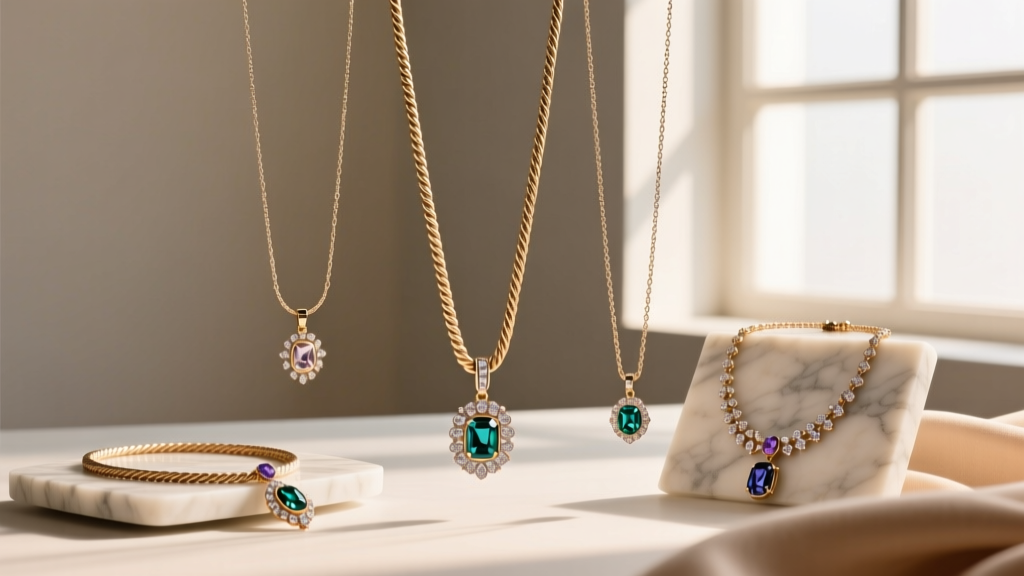
How to Style and Layer a Pink and Green Necklace Perfectly
Learn how to style and layer a pink and green necklace. Expert guide on gemstone pairings, metal choices, and neckline matching.

The Color Theory Behind Pink and Green Jewelry
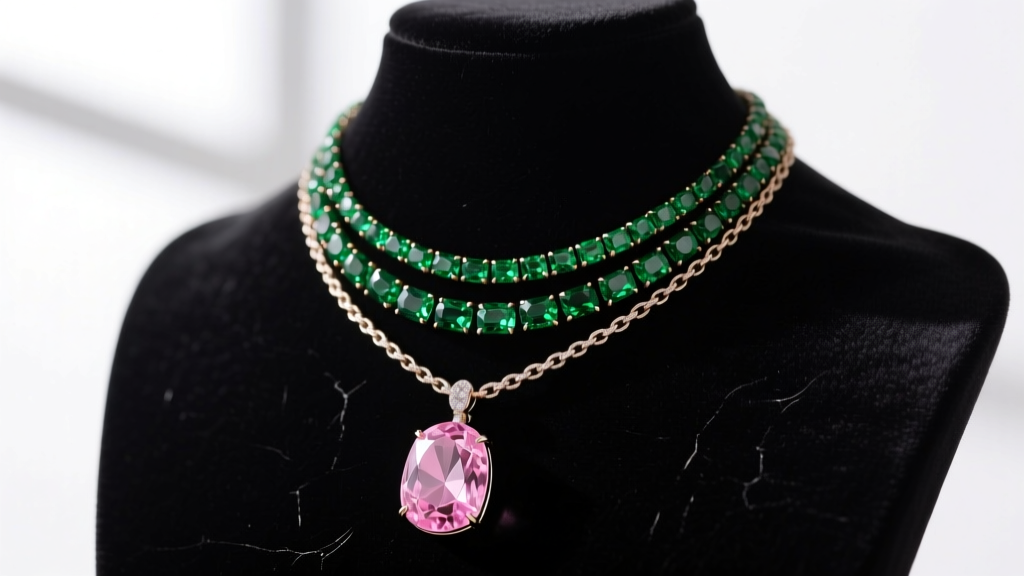
Pairing pink and green in jewelry is a masterclass in color theory. On the traditional color wheel, red and green are direct complements, meaning they sit opposite each other and create the highest possible visual contrast when placed side-by-side. Pink, being a tint of red, retains this complementary vibrancy but softens the aggressive clash of pure red and green into something sophisticated, wearable, and striking. In 2026, the 'quiet luxury' trend has evolved into 'expressive minimalism.' Rather than wearing a dozen subtle, monochromatic chains, stylists are anchoring their stacks with a single, high-contrast color story—making the pink and green necklace a definitive statement piece.
However, executing this look requires more than just throwing two colored gems together. It demands an understanding of gemstone hardness, metal undertones, and chain friction. This step-by-step guide will walk you through curating, layering, and maintaining a pink and green necklace stack that looks intentional and luxurious.
Step 1: Selecting the Right Gemstone Combination
The foundation of your necklace is the gemstone pairing. You must consider not only the visual hue but also the Mohs hardness scale to ensure your stones don't scratch one another when layered. Here are the most durable and visually striking pairings for a pink and green necklace:
| Gemstone Pairing | Mohs Hardness | Best Metal Setting | Avg. Price Range (Per Carat) |
|---|---|---|---|
| Morganite & Emerald | 7.5 - 8 | 18k Rose Gold | $300 - $3,500+ |
| Rubellite & Tsavorite | 7 - 7.5 | 14k Yellow Gold | $400 - $2,000 |
| Pink & Green Sapphire | 9 | Platinum / White Gold | $800 - $5,000+ |
| Watermelon Tourmaline | 7 - 7.5 | 14k Rose Gold (Bezel) | $100 - $800 (Slice) |
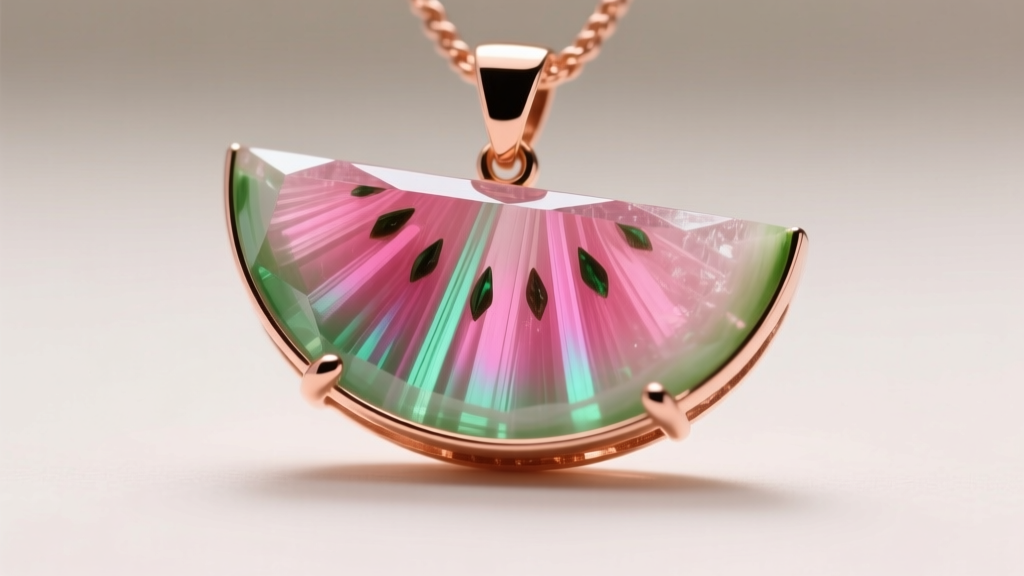
For a foolproof, single-stone solution, Watermelon Tourmaline naturally features a pink core surrounded by a green rind. According to the Gemological Institute of America (GIA), tourmaline is pyroelectric, meaning it can develop an electrical charge and attract dust, requiring specific cleaning routines. If you prefer maximum durability for everyday wear, Pink and Green Sapphires are virtually scratch-proof (Mohs 9), making them ideal for active lifestyles.
Step 2: Choosing the Ideal Metal Setting
The metal you choose acts as the bridge between the warm pink and cool green tones. Your choice should be dictated by the specific gemstones you selected:
- 14k or 18k Rose Gold: The copper alloy in rose gold amplifies the warmth of morganite and rubellite. It creates a cohesive, romantic gradient that makes the pink stones look richer and more saturated.
- 14k Yellow Gold: Yellow gold provides a lush, botanical contrast. It enhances the vivid, grassy tones of tsavorite garnet and emerald, giving the jewelry an organic, vintage-inspired feel.
- Platinum or 18k White Gold: If you are using highly saturated pink and green sapphires, a neutral white metal prevents color muddying. It allows the stones to act as pure, unadulterated pops of color against the skin.
Step 3: The 3-Step Layering Technique
Layering a pink and green necklace requires strategic spacing to prevent the pendants from overlapping and obscuring the color story. Furthermore, you must manage 'chain friction' to prevent tangling.
Layer 1: The 16-Inch Base Chain
Start with a 14 to 16-inch chain that sits snugly on the collarbone. Use a delicate cable chain in a neutral metal. Avoid pendants on this layer; its sole purpose is to frame the upper neck and provide a textural baseline. A 1.2mm to 1.5mm width is ideal.
Layer 2: The 18-Inch Focal Piece
This is where your primary pink and green necklace lives. Opt for an 18-inch chain featuring a prominent pendant—such as a watermelon tourmaline slice or a morganite and emerald cluster. To prevent this chain from tangling with the base layer, use a rolo chain or a bead chain. The physical gaps between the links reduce the surface area that can intertwine with the smooth cable chain above it.
Layer 3: The 22 to 24-Inch Anchor
The final layer should drop below the bust line. Choose a chain that features a subtle green accent, such as a single tsavorite bezel-set station or a small green enamel drop. Use a box chain or puffed curb chain (around 2.0mm thick) to add visual weight to the bottom of the stack, grounding the vibrant colors above.
In 2026, the 'quiet luxury' trend has evolved into 'expressive minimalism.' Rather than wearing a dozen subtle chains, stylists are anchoring their stacks with a single, high-contrast color story—making the pink and green necklace a definitive statement piece.
Step 4: Matching Necklines to Your Layered Stack
The architecture of your clothing dictates how the pink and green colors interact with your face. Here is how to pair your stack with common necklines:
- The Deep V-Neck: The ultimate canvas for a 3-layer stack. The V-shape naturally follows the trajectory of the 16", 18", and 24" chains, drawing the eye downward and elongating the torso. Ensure the focal pink pendant sits exactly in the center of the 'V'.
- The Boatneck (Bateau): Because a boatneck cuts horizontally across the collarbones, it will clash with a 16-inch choker. Skip the base layer and rely solely on an 18-inch focal pink and green necklace and a 24-inch anchor to break up the horizontal fabric line.
- The Silk Button-Down: Leave the top three buttons undone. The structured collar of a button-down provides a sharp, menswear-inspired contrast to the soft, romantic hues of morganite and rose gold.

Care and Maintenance for Dual-Gemstone Necklaces
Owning a multi-gemstone necklace means you must cater to the most delicate stone in the stack. For example, if your stack includes an emerald, you must be incredibly cautious. Most emeralds on the market are fracture-filled with cedar oil or synthetic resins to improve clarity. As noted in the GIA Emerald Care Guidelines, exposing an oil-filled emerald to an ultrasonic cleaner or steam can boil out the filler, leaving the stone looking cloudy and heavily included.
The Golden Rule for Cleaning: Never use ultrasonic machines or harsh chemical dips on a mixed pink and green necklace stack. Instead, create a lukewarm solution of distilled water and a few drops of pH-neutral dish soap. Use a baby-soft toothbrush to gently agitate the dirt from behind the gemstone settings (where skin oils and lotions accumulate). Pat dry with a lint-free microfiber cloth. Always store your layered stack hanging vertically on a padded jewelry valet to prevent the chains from knotting together overnight.