How to Style, Layer, and Care for a Rose Cross Necklace
Learn how to style, layer, and maintain your rose cross necklace. Discover metal grades, chain pairings, and expert cleaning tips for lasting shine.

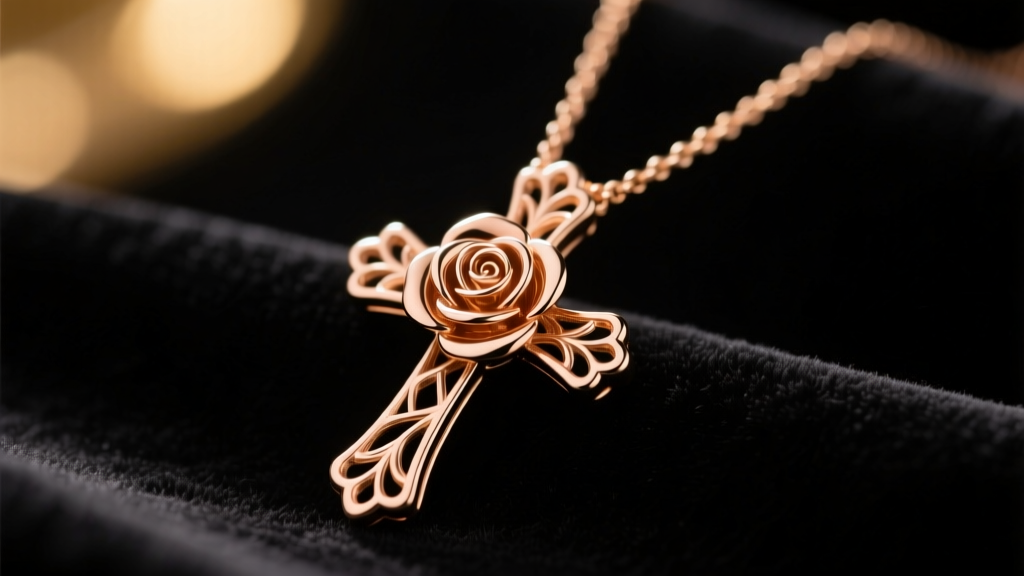
The Anatomy of a Rose Cross Necklace
The rose cross necklace is a timeless piece of jewelry that bridges the gap between spiritual symbolism, historical mysticism, and modern fashion. Whether you are drawn to the piece for its Rosicrucian heritage, its gothic romance aesthetic, or simply the elegant intersection of a floral motif with a traditional cruciform shape, styling it correctly requires an understanding of proportion, metallurgy, and layering mechanics. Unlike a standard minimalist bar pendant, a rose cross features intricate detailing—often with sculpted petals, oxidized crevices, or gemstone inlays—that demands specific chain pairings and neckline considerations to truly stand out.
In this comprehensive guide, we will break down exactly how to select the right metal grade, master the 16-18-20 inch layering framework, and properly care for the unique copper alloys that give rose gold its signature blush.
Step 1: Selecting the Right Metal Grade and Chain
Not all rose gold is created equal. The pinkish hue of rose gold is achieved by alloying pure yellow gold with copper, and sometimes a touch of silver. According to the Gemological Institute of America (GIA), the higher the copper content, the deeper the red or rose color, which also directly impacts the metal's tensile strength and scratch resistance.
| Metal Grade | Composition | Durability & Color | Price Range (Pendant Only) |
|---|---|---|---|
| 14k Rose Gold | 58.3% Gold, ~41.7% Copper/Silver | Highly durable, distinct pink hue. Ideal for daily wear. | $150 - $450 |
| 18k Rose Gold | 75% Gold, ~25% Copper/Silver | Softer, richer champagne-pink. Prone to scratching if heavily textured. | $300 - $800+ |
| Sterling Silver Vermeil | 92.5% Silver base, 2.5+ microns 14k/18k Rose Gold plating | Affordable, but plating will wear off on high-friction areas over time. | $40 - $120 |
Matching the Chain to the Pendant Weight
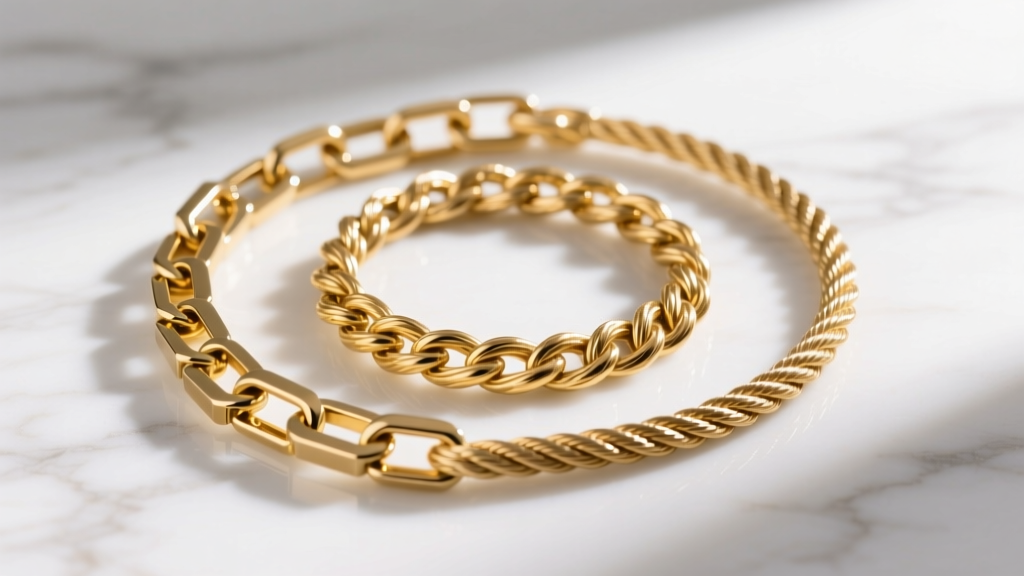
A common mistake is pairing a heavy, solid 14k rose cross pendant (typically 3 to 6 grams) with a delicate 0.8mm cable chain. The friction from the pendant's bail will eventually wear through the thin chain links. For a rose cross pendant weighing over 2.5 grams, opt for a 1.5mm to 2.0mm box chain or a wheat chain. These styles offer superior structural integrity and provide a geometric contrast to the organic curves of the rose motif.
Step 2: Mastering the Layering Technique
Layering a rose cross necklace requires a strategic approach to prevent the intricate details of the cross from being swallowed by surrounding jewelry. The goal is to create a cascading visual effect where each piece occupies its own distinct spatial zone.
The 16-18-20 Inch Framework
To achieve a tangle-free, aesthetically pleasing stack, follow this precise length progression:
- The Choker/Base (14-16 inches): Start with a simple, lightweight chain. A 15-inch 14k rose gold snake chain or a delicate 16-inch rope chain sits snugly at the base of the throat. Avoid pendants here; let it act as a framing device.
- The Focal Point (18 inches): This is where your rose cross necklace lives. An 18-inch drop ensures the pendant rests perfectly on the sternum, right below the clavicle notch, making it the undeniable centerpiece of the stack.
- The Anchor (20-22 inches): Finish with a longer, heavier chain featuring a simple geometric pendant (like a solid gold disc or a raw crystal point) to draw the eye downward and elongate the torso.
Pro-Tip: If your chains constantly tangle, ensure you are mixing chain textures. A smooth snake chain layered with a textured wheat chain will slide against each other less than two identical cable chains, drastically reducing knotting.
Step 3: Matching Necklines to Pendant Proportions
The visual weight of a rose cross necklace must be balanced against the fabric and cut of your clothing. Because the design inherently features dense, ornate detailing, it can easily clash with busy patterns or overly complex garment collars.
"The golden rule of statement pendants is negative space. The more intricate the metalwork, the simpler the canvas must be. A rose cross demands a solid-color backdrop to allow its shadows and highlights to pop."

Optimal Neckline Pairings
1. The Deep V-Neck or Scoop Neck: This is the ideal canvas. The exposed skin of a V-neck naturally mirrors the vertical drop of the cross, while the open neckline prevents the pendant's bail from catching on fabric. A 20mm to 30mm rose cross pendant works beautifully here.
2. The Crew Neck or Turtleneck: When wearing high collars, scale down. A micro rose cross (10mm to 15mm) on a 16-inch chain worn over a black or charcoal turtleneck creates a striking, gothic-minimalist aesthetic. Avoid wearing large, heavy crosses over thick knitwear, as the fabric will cause the pendant to flip and catch.
3. The Button-Down Shirt: Leave the top two buttons undone to create an artificial V-neck. Rest the 18-inch chain just inside the collar line for a sophisticated, office-appropriate look that hints at personal style without overpowering the outfit.
Step 4: Cleaning and Preserving Rose Gold Alloys
The copper that gives your rose cross necklace its beautiful color also makes it susceptible to specific types of tarnish and chemical reactions. Unlike pure yellow gold or platinum, rose gold requires a tailored maintenance routine to preserve its luster and prevent the copper from oxidizing into a dull, brownish patina.
What to Avoid
Never expose your rose gold jewelry to chlorine (in swimming pools or household bleach). Chlorine reacts violently with copper alloys, causing microscopic pitting and permanent structural weakening. Furthermore, if your rose cross features porous gemstone inlays like opal, turquoise, or pearl, avoid ultrasonic cleaners entirely, as the high-frequency vibrations can fracture the stones.
The Step-by-Step Cleaning Protocol
For a solid 14k or 18k rose cross necklace without fragile gems, follow this safe cleaning method recommended by industry experts at Jewelers of America:
- Prepare the Solution: Mix a few drops of mild, phosphate-free dish soap (like Dawn) into a bowl of lukewarm distilled water. Avoid hot water, which can shock certain gemstone accents.
- Soak: Submerge the necklace for 10 to 15 minutes. This loosens body oils, lotions, and dead skin cells trapped in the intricate crevices of the rose petals.
- Agitate Gently: Use a brand-new, ultra-soft baby toothbrush to gently sweep the bristles over the front and back of the cross. Pay special attention to the bail (the loop at the top) where friction builds up.
- Rinse and Dry: Rinse thoroughly under lukewarm running water. Pat dry with a lint-free microfiber cloth. Do not use paper towels, as the wood fibers can cause micro-scratches on high-polish 18k rose gold surfaces.
Final Thoughts on Styling the Rose Cross
A rose cross necklace is more than just an accessory; it is a conversation piece that carries historical weight and artistic complexity. By respecting the metallurgical properties of rose gold, utilizing the 16-18-20 inch layering framework, and pairing the pendant with complementary necklines, you elevate the piece from a simple trinket to a masterclass in personal styling. Invest in solid 14k gold for everyday durability, mind your chain thickness, and your rose cross will remain a striking staple in your jewelry collection for decades to come.


