How to Style, Measure, and Layer a Necklace 18 Inches Long
Master the 18-inch necklace. Learn step-by-step how to measure, pair with necklines, layer perfectly, and choose durable metals and clasps.


The Anatomy of the Princess Length
When configuring your daily jewelry rotation, the standard necklace 18 inches in length—universally known in the gemological and retail sectors as the "princess" length—is the undisputed workhorse. Measuring exactly 45.72 centimeters, this specific drop is engineered to rest precisely on the collarbone for a woman with an average neck circumference of 14 to 15 inches. According to Blue Nile's comprehensive necklace length guide, the 18-inch drop accounts for over 60% of all fine jewelry chain sales globally due to its universal compatibility with both casual and formal necklines.
However, simply buying an 18-inch chain does not guarantee a perfect drape or long-lasting durability. The success of this length relies on precise manufacturing, correct metal tempering, and strategic styling. This step-by-step guide will teach you how to verify your chain's true drop, match it to specific garment architectures, and layer it without the dreaded tangling effect.
Step 1: Verify the True Drop and Fit
The most common point of failure when purchasing chains online is a misunderstanding of how the 18-inch measurement is calculated. A true 18-inch necklace must measure exactly 18 inches from the very end of the clasp to the final jump ring on the opposite side. Many mass-market brands measure only the chain links, resulting in an actual drop of 17.25 inches once the hardware is added.
The Neck Circumference Factor
To determine how an 18-inch necklace will sit on your specific frame, use a flexible tailor's tape measure. Wrap it around your neck at the base where a choker would sit, then add 4 inches. If your neck measures 14 inches, a 4-inch drop (18-inch total) will rest comfortably on the upper collarbone. If your neck measures 16 inches, that same 18-inch chain will sit higher, mimicking a choker. For neck circumferences exceeding 15.5 inches, you must look for chains with a built-in 2-inch extender to maintain the intended collarbone placement.
Step 2: Pair with the Correct Necklines
An 18-inch chain acts as a visual horizon line. Because it cuts horizontally across the upper chest, it interacts directly with the geometric lines of your clothing. According to styling frameworks endorsed by the Jewelers of America, matching the metal's visual weight to the garment's negative space is critical for a balanced silhouette.
| Neckline Type | 18-Inch Chain Performance | Recommended Chain Style |
|---|---|---|
| V-Neck | Excellent. The chain mirrors the V-shape, drawing the eye downward and elongating the neck. | 1.5mm Rope or Curb Chain |
| Crew Neck | Poor. The chain competes with the fabric's hem, often looking cluttered or catching on the seam. | Avoid, or wear over the fabric as a statement piece. |
| Scoop Neck | Very Good. Acts as a framing border for the exposed skin, provided the scoop drops below 19 inches. | 1.2mm Box or Cable Chain |
| Button-Down | Perfect. Worn underneath the collar, it provides a subtle, minimalist flash of metal. | 1.0mm Snake or Herringbone Chain |
Step 3: Master the 2-Inch Layering Rule
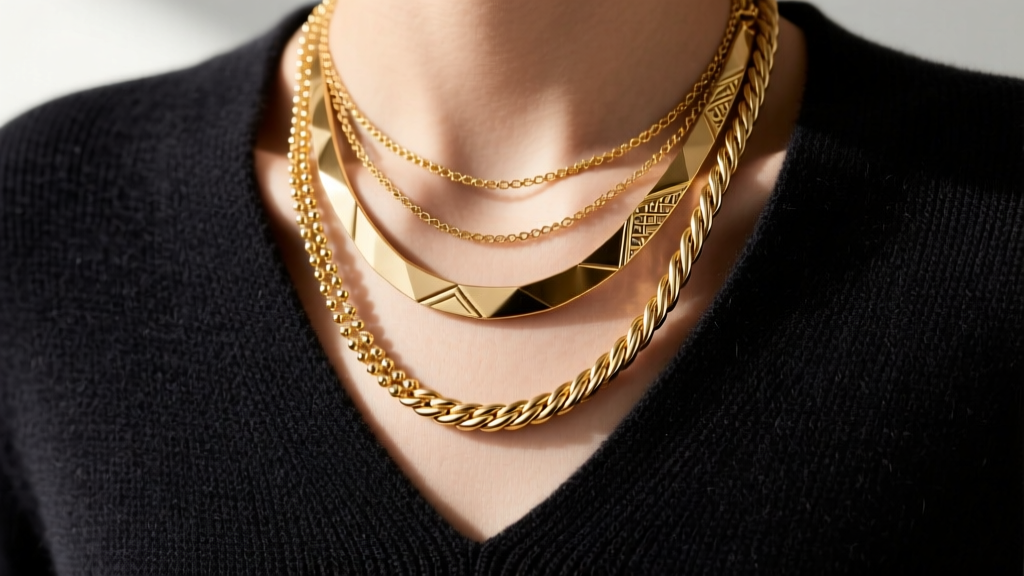
Layering an 18-inch necklace requires strict adherence to spatial geometry. If chains are spaced less than 1.5 inches apart, they will physically braid together due to friction and static electricity. To use your 18-inch piece as the anchor of a layered stack, apply the 2-inch separation rule.
- The Anchor (18 Inches): This is your focal point. Equip it with a medium-weight pendant (3 to 6 grams) to keep it anchored against the chest.
- The Top Layer (16 Inches): Use a lighter, tighter chain like a 1.0mm cable or a delicate bead chain. It should sit at the base of the throat.
- The Bottom Layer (20 Inches): Use a heavier, wider chain like a 2.5mm Cuban curb. The added weight prevents it from riding up and tangling with the 18-inch anchor.
Pro Tip: Never layer chains of the exact same link type. A 16-inch box chain, an 18-inch box chain, and a 20-inch box chain will interlock like gears. Always mix textures—pair an 18-inch box chain with a 16-inch cable and a 20-inch rope.
Step 4: Select Heavy-Duty Hardware and Metals
The structural integrity of an 18-inch necklace is only as strong as its weakest link—usually the clasp or the alloy composition. When selecting your metal, you must balance aesthetics with tensile strength.
18k vs. 14k Gold Durability
While 18k gold (75% pure gold) offers a deeply saturated, luxurious yellow hue, its Vickers hardness is significantly lower than 14k gold (58.3% pure). An 18-inch 18k gold cable chain under 1.5mm is highly susceptible to permanent stretching or snapping if snagged on a sweater. For daily-wear 18-inch chains that will bear pendants, 14k gold or platinum is vastly superior due to the higher alloy content (like copper and zinc) which increases structural rigidity.
Clasp Tension Requirements
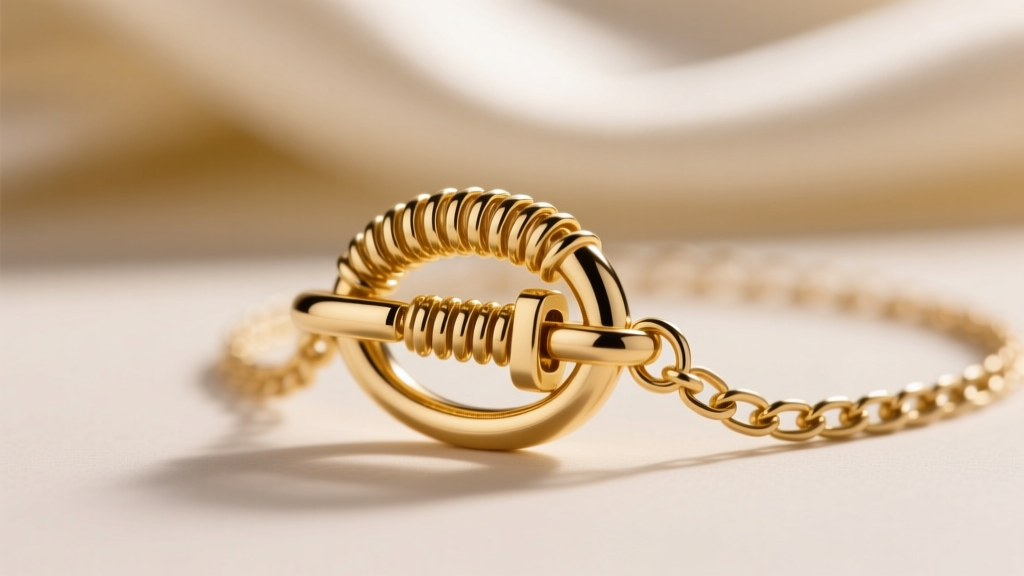
Discard the standard spring-ring clasp. Spring rings fail at roughly 2.5 pounds of lateral tension and are prone to internal spring fatigue. For an 18-inch chain, upgrade to a 12mm or 14mm lobster clasp. Lobster clasps utilize a dual-spring mechanism that can withstand upward of 8 pounds of tension, ensuring your chain remains secure even if the pendant catches on an object.
Troubleshooting Common 18-Inch Chain Issues
Even perfectly measured chains can present physical quirks. Here is how to troubleshoot the two most common issues associated with the 18-inch princess length.
Issue 1: Clasp Migration
The Problem: The clasp continually slides from the back of your neck to the front, resting next to your pendant.
The Physics: This happens when the chain is perfectly symmetrical and the pendant's bail is too light to act as a counterweight. The natural movement of your body causes the lighter side (the clasp) to migrate downward.
The Fix: Have a jeweler solder a 1-inch extender chain to the clasp side. The added weight and asymmetrical friction will anchor the clasp at the nape of your neck. Alternatively, swap to a heavier pendant bail.
Issue 2: Box Chain Kinking
The Problem: Your 18-inch box chain has developed permanent folds or kinks that won't lay flat.
The Physics: Box chains under 1.2mm lack the internal structural volume to resist crushing forces. If slept in or pressed against a hard surface, the geometric squares collapse.
The Fix: Unfortunately, kinked box chains cannot be fully repaired without weakening the adjacent links. To prevent this, store your 18-inch box chain hanging vertically, or upgrade to a 1.8mm rounded box chain (often called a "Boston box"), which features reinforced, beveled edges that resist crushing.
Final Thoughts on the 18-Inch Standard
The 18-inch necklace remains the cornerstone of a functional jewelry wardrobe because it bridges the gap between the restrictive choker and the plunging matinee. By rigorously verifying the end-to-end measurement, matching the chain's visual weight to your garment's architecture, and insisting on lobster-claw hardware, you transform a simple accessory into a reliable, lifelong staple. Whether worn solo with a crisp button-down or anchored in a three-piece layered stack, the 18-inch drop provides the perfect canvas for personal expression.


