Mens Black Necklaces: A Material & Durability Comparison Guide
Compare the top materials for mens black necklaces, including tungsten, PVD titanium, and ceramic. Expert analysis on hardness, wear, and pricing.

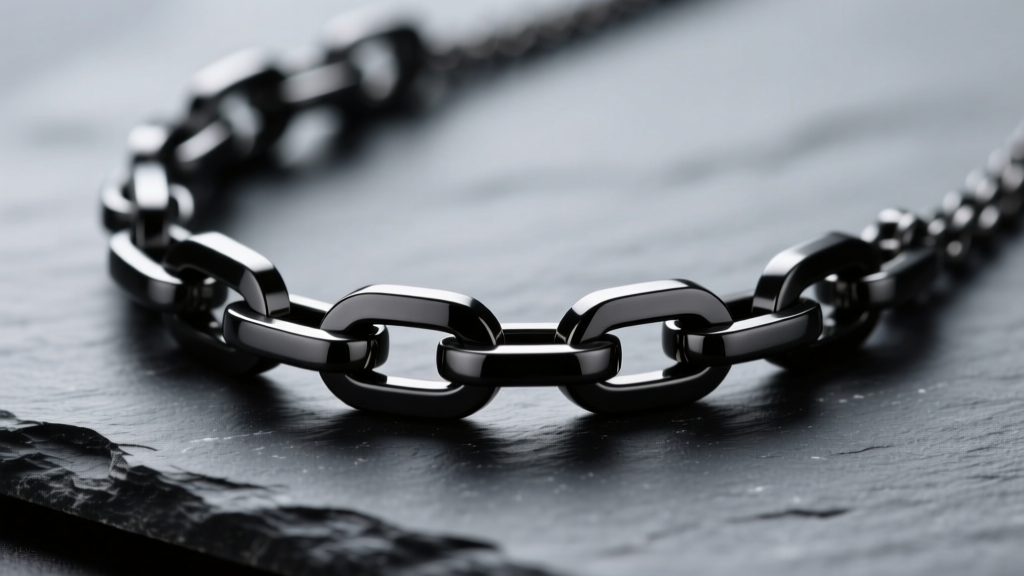
The landscape of men's jewelry has undergone a radical transformation over the last decade. As we move through 2026, the demand for mens black necklaces has shifted from novelty fashion to serious, horological-grade accessories. Dark metallurgy and advanced ceramics now dominate the market, offering a moody, understated aesthetic that pairs seamlessly with both streetwear and tailored suiting. However, not all black materials are created equal. The difference between a necklace that lasts a lifetime and one that degrades in months comes down to molecular structure, surface treatments, and alloy binders.
This guide provides a deep-dive material comparison, analyzing the specific properties, failure modes, and real-world wearability of the most prominent black materials used in men's chains and pendants today.
Core Materials: A Deep Dive into Black Alloys and Ceramics
When shopping for dark-toned jewelry, consumers are typically choosing between four distinct material categories. Each possesses unique tensile strength, scratch resistance, and maintenance requirements.
Black Tungsten Carbide (Nickel vs. Cobalt Binders)
Tungsten carbide is not a pure metal; it is a composite material consisting of tungsten (W) and carbon (C) atoms sintered together with a metallic binder. The black coloration is typically achieved through a high-tech PVD (Physical Vapor Deposition) coating or by mixing black ceramic binders into the carbide matrix. According to metallurgical data on tungsten carbide binders, the choice of binder drastically affects wearability.
- Nickel Binders: Hypoallergenic and highly resistant to corrosion. This is the premium standard for high-end tungsten jewelry.
- Cobalt Binders: Cheaper to produce but can cause contact dermatitis and may oxidize (rust) when exposed to prolonged moisture and chlorine.
With a Mohs hardness of 8.5 to 9.5, black tungsten is virtually scratch-proof. However, its extreme rigidity makes it brittle. A heavy tungsten chain dropped onto a concrete floor can shatter or chip.
PVD-Coated Titanium (Grade 2 vs. Grade 5)
Titanium offers a vastly different physical profile. It is lightweight, highly malleable, and possesses incredible tensile strength. The black finish on titanium is almost exclusively achieved via PVD coating, which vaporizes titanium nitride (TiN) or titanium carbonitride (TiCN) in a vacuum chamber, bonding it to the surface at a molecular level.
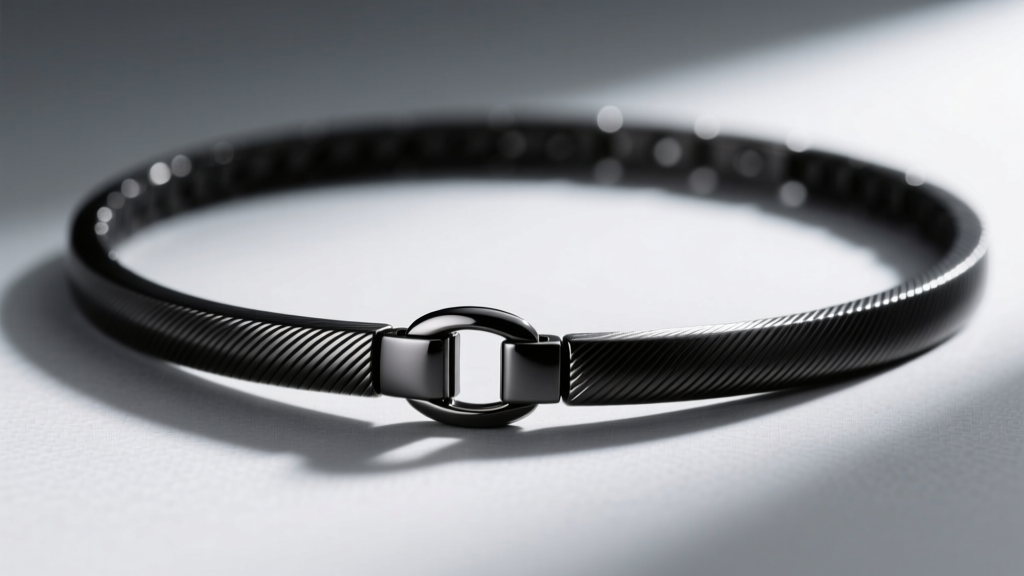
Buyers must pay close attention to the alloy grade:
- Grade 2 (Commercially Pure): Softer, easier to machine, but more prone to denting and scratching through the PVD layer.
- Grade 5 (Ti-6Al-4V): An aerospace-grade alloy containing 6% aluminum and 4% vanadium. It is significantly harder and more resistant to deformation, making it the superior choice for heavy chains and structural pendants.
Black Zirconia Ceramic
High-tech ceramic, specifically Yttria-Tetragonal Zirconia Polycrystal (Y-TZP), is a favorite for luxury black pendants and chain links. As noted by the GIA Gem Encyclopedia regarding advanced ceramics in jewelry, zirconia is stabilized with yttrium oxide to prevent phase transformation cracking. It registers at 8.5 on the Mohs scale, meaning it will never scratch from daily wear, keys, or coins. It is also entirely hypoallergenic and thermally inert. The primary drawback is its vulnerability to tensile stress; a sharp impact against a hard edge can cause catastrophic cleavage.
Oxidized 925 Sterling Silver
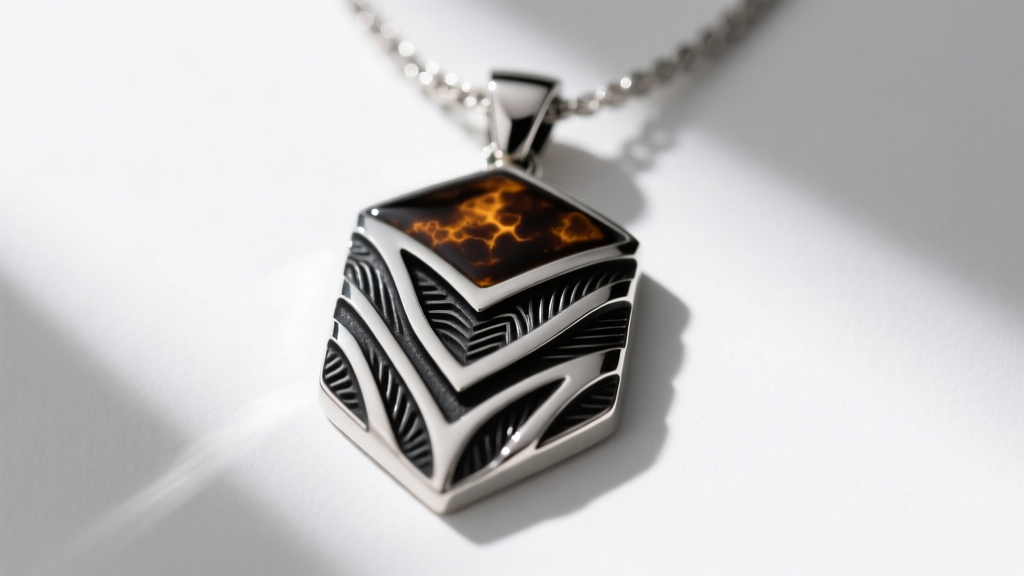
For those seeking a matte, gothic, or artisanal aesthetic, oxidized sterling silver remains a staple. The black color is not a coating but a controlled chemical reaction. The silver is exposed to liver of sulfur (potassium sulfide), creating a surface layer of silver sulfide (Ag2S). Unlike PVD metals, this patina is superficial. It will naturally wear away on high-contact areas over time, revealing the bright white silver beneath, which requires periodic re-oxidation to maintain the dark aesthetic.
Comparative Matrix: Hardness, Density, and Real-World Wear
To make an informed purchasing decision, it is crucial to understand how these materials compare on a technical level. The table below outlines the core metrics for the leading black necklace materials in 2026.
| Material | Mohs Hardness | Density (g/cm³) | Avg. Price Range | Hypoallergenic | Primary Failure Mode |
|---|---|---|---|---|---|
| Tungsten Carbide (Ni-Binder) | 8.5 - 9.5 | 14.5 - 15.5 | $80 - $250 | Yes | Shattering from blunt force |
| Grade 5 Titanium (PVD) | 6.0 (Base) | 4.43 | $120 - $350 | Yes | Scratching through PVD layer |
| Zirconia Ceramic | 8.5 | 5.6 - 6.0 | $150 - $450 | Yes | Chipping/Cleavage on impact |
| Oxidized 925 Silver | 2.5 - 3.0 | 10.36 | $150 - $800+ | No (Copper allergy) | Patina wear and tarnishing |
| Carbon Fiber (Inlay/Solid) | N/A (Tensile) | 1.5 - 1.8 | $50 - $200 | Yes | UV resin degradation |
Failure Modes and Maintenance Protocols
Understanding how a material fails is just as important as knowing its strengths. Here is how to troubleshoot and maintain the most common issues associated with dark jewelry.
Troubleshooting PVD Wear on Titanium
While PVD coatings are incredibly durable, they are not permanent. If a Grade 2 titanium chain is subjected to repetitive friction (such as rubbing against a desk edge or lifting heavy gym equipment), the black TiN layer can wear through, exposing the silver-gray titanium base. Prevention: Opt for Grade 5 titanium with a minimum PVD thickness of 0.3 microns, and remove the chain during heavy weightlifting.
Caring for Oxidized Silver
The Jewelers of America advises against using standard silver polishing cloths on oxidized jewelry, as the mild abrasives will strip the intentional black patina. Maintenance: Clean oxidized silver using only a soft microfiber cloth, mild dish soap, and lukewarm water. Avoid ultrasonic cleaners, which can vibrate the sulfide layer loose from the crevices.
Protecting Ceramic and Tungsten
Because both Zirconia ceramic and Tungsten carbide lack ductility, they cannot bend or dent; they only break. Prevention: Never store a ceramic or tungsten necklace loose in a bag with heavy metal objects like keys or carabiners. While the ceramic won't scratch, a severe point-impact from a heavy steel key can cause micro-fractures that eventually lead to snapping.
How to Choose Based on Lifestyle and Budget
Selecting the right mens black necklace ultimately depends on your daily environment and budget constraints.
- The Active Professional: If you work with your hands, hit the gym daily, or work in marine environments, Grade 5 PVD Titanium is the undisputed champion. It will not rust, it will not shatter if dropped on a gym floor, and its lightweight nature prevents neck fatigue during movement.
- The Luxury Collector: For those who prioritize a deep, permanent, scratch-proof black finish and wear their jewelry in office or evening settings, Black Zirconia Ceramic offers a warm, non-metallic luster that mimics high-end watchmaking aesthetics.
- The Artisan/Heritage Fan: If you appreciate jewelry that tells a story and evolves with the wearer, Oxidized Sterling Silver provides unmatched detail in pendant casting. The gradual wearing of the black patina creates a bespoke, high-contrast look unique to the owner's body chemistry and habits.
By prioritizing material science over fleeting trends, you can invest in a dark-toned accessory that maintains its structural integrity and visual impact for decades to come.


