How to Clean and Care for Your Delicate Necklace Butterfly
Learn expert techniques to safely clean your necklace butterfly. Discover material-specific care for enamel, gemstone, and metal wing pendants.

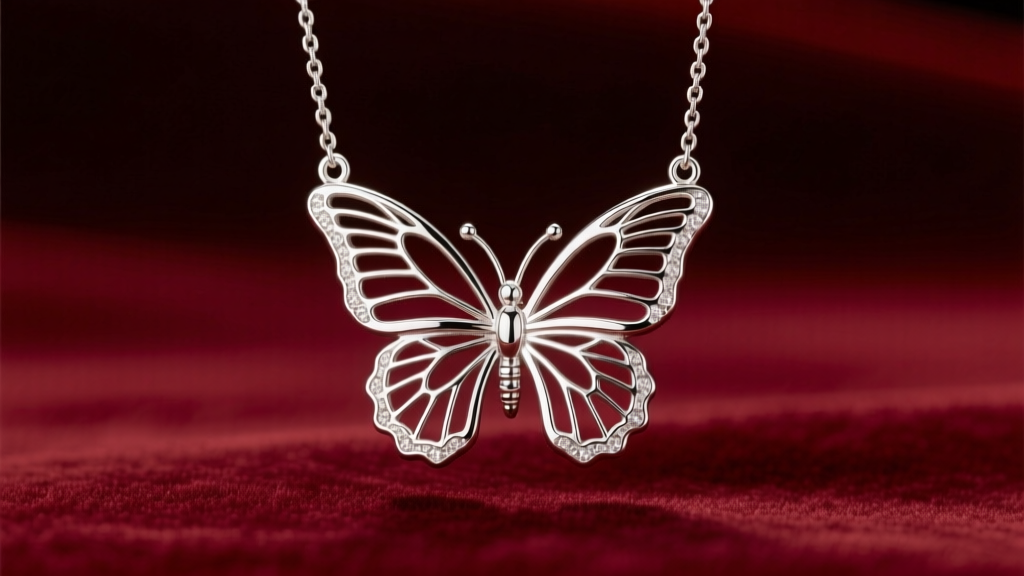
The necklace butterfly motif remains a dominant force in jewelry trends through 2026, symbolizing transformation and delicate beauty. However, the very intricacy that makes a butterfly pendant so captivating—its filigree wings, microscopic pavé settings, and fragile enamel inlays—also makes it a magnet for sebum, cosmetic residue, and environmental tarnish. Cleaning a butterfly necklace requires far more nuance than simply tossing it into an ultrasonic bath. In fact, improper cleaning is the leading cause of irreversible damage to delicate wing structures and porous gemstone accents.
This comprehensive guide provides domain-level expertise on maintaining your necklace butterfly, breaking down material-specific protocols, mechanical troubleshooting, and advanced storage techniques to ensure your pendant retains its brilliance for decades.
Understanding Your Necklace Butterfly's Material Composition
Before applying any cleaning solution, you must identify the exact metallurgical and gemological makeup of your pendant. Butterfly necklaces typically fall into three primary categories, each with distinct vulnerabilities:
- 925 Sterling Silver: Highly prone to sulfur-induced tarnish. The recessed areas of butterfly wings will oxidize first, creating dark, uneven patches that obscure filigree details.
- Gold Vermeil: By FTC standards, true vermeil requires a minimum of 2.5 microns of 10k+ gold over a sterling silver base. Aggressive polishing will strip this thin layer, exposing the silver beneath and ruining the pendant's color uniformity.
- Plique-à-Jour or Cloisonné Enamel: Often used to create the vibrant, stained-glass effect on butterfly wings. Enamel is essentially fused glass; it is highly susceptible to micro-fractures from thermal shock and chemical etching.
The Safe Cleaning Protocol for Metal Butterfly Wings
If your necklace butterfly is solid gold, sterling silver (without oxidized patinas), or platinum, you can safely perform a deep wet clean. Avoid tap water, as dissolved minerals and chlorine can leave microscopic deposits in the crevices of the wings.
Step-by-Step Metal Cleaning
- Preparation: Fill a glass bowl with distilled water warmed to exactly 95°F (35°C). Add three drops of a pH-neutral, phosphate-free dish soap (such as original Dawn).
- Agitation: Submerge the pendant for no more than five minutes. Using an ultra-soft baby toothbrush with 0.1mm bristles, gently sweep along the grain of the metal wings. Never use a standard adult toothbrush, as the stiff nylon bristles will leave micro-scratches on high-polish surfaces.
- Rinsing: Rinse under a gentle stream of distilled water. Ensure the chain's spring ring clasp is fully closed to prevent soap from becoming trapped in the internal spring mechanism.
- Drying: Pat dry with a lint-free microfiber cloth. Avoid paper towels entirely; their wood pulp fibers are abrasive enough to dull the mirror finish of gold or silver butterfly wings.
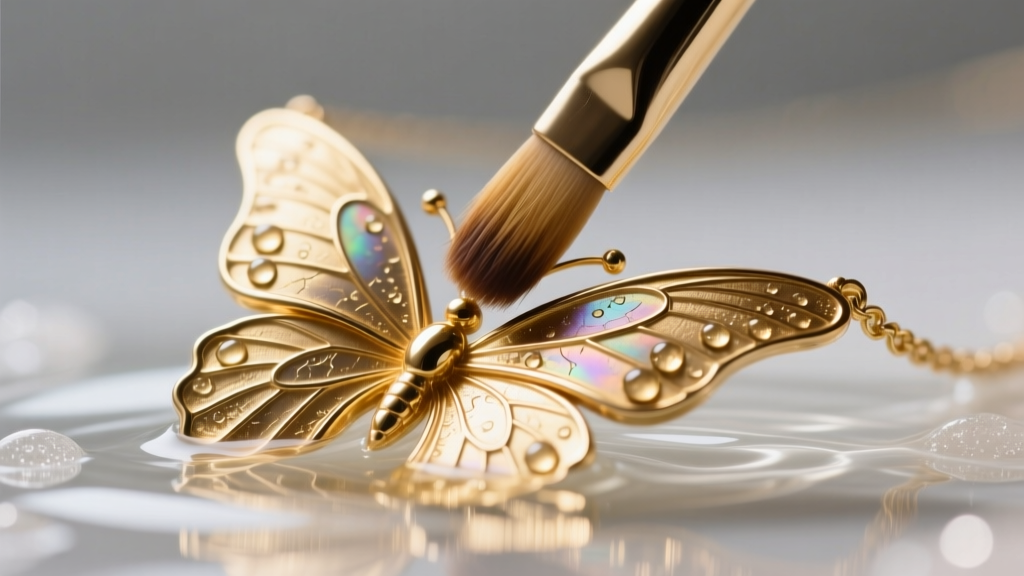
Navigating Enamel, Opal, and Mother of Pearl Inlays
Many high-end butterfly necklaces incorporate organic or fragile materials to mimic the iridescent wings of real lepidopterans. According to the Gemological Institute of America (GIA), organic gemstones require drastically different care protocols than crystalline stones.
Opals: Opals contain up to 20% water. Exposing an opal-inlaid butterfly wing to harsh chemicals, extreme heat, or ultrasonic vibrations will cause 'crazing'—a network of internal cracks that permanently ruins the stone's play-of-color. Clean opal accents only with a damp, untreated microfiber cloth.
Mother of Pearl (MOP): MOP is calcium carbonate-based and highly reactive to acids. Even mildly acidic substances like vinegar, lemon juice, or acidic skin pH can etch the surface, leaving dull, chalky spots on the butterfly wings. The Jewelers of America strongly advises removing MOP jewelry before applying perfumes or lotions, as the alcohol and chemical compounds will degrade the nacre over time.
Material-Specific Cleaning Matrix
| Material | Mohs Hardness | Safe Cleaning Agent | Strict Prohibitions |
|---|---|---|---|
| Sterling Silver | 2.5 - 3.0 | Mild soap, Sunshine polishing cloth | Chlorine, bleach, toothpaste |
| Gold Vermeil | 2.5 (Base) | Distilled water, pH-neutral soap | Ultrasonic cleaners, abrasive pastes |
| Plique-à-Jour Enamel | 5.0 - 6.0 | Dry microfiber cloth only | Water immersion, thermal shock |
| Mother of Pearl | 2.5 - 4.5 | Damp cloth, no chemicals | Acids, alcohol, ultrasonic waves |
| Opal Inlays | 5.5 - 6.5 | Dry or barely damp cloth | Heat, harsh detergents, steam |
Troubleshooting Common Butterfly Pendant Issues
Beyond basic cleaning, delicate necklace butterfly designs are prone to specific mechanical failures. Here is how to address them without causing further damage:
Reshaping Bent Filigree Wings
Because butterfly wings often extend outward, they are easily crushed against the body or caught on clothing. If a sterling silver or gold wing bends, do not use your fingers to bend it back; the oils and uneven pressure can snap the metal. Instead, use nylon jaw pliers. The soft nylon grips the metal firmly without marring the finish, allowing you to apply even, controlled pressure to realign the wirework.
Checking Pavé Stone Integrity
Butterfly wings adorned with micro-pavé diamonds or cubic zirconia rely on tiny metal beads to hold the stones. Once a month, inspect the wings using a 10x jeweler's loupe. If you notice a stone sitting slightly higher than the others, or if you hear a faint rattling when tapping the pendant, a prong has worn down. Cease wearing the necklace immediately and take it to a bench jeweler for a quick re-tipping to prevent stone loss.
Chain and Clasp Maintenance for Delicate Pendants
The chain supporting your butterfly pendant is usually a delicate 0.9mm to 1.2mm cable or box chain. These fine chains are notorious for tangling in the intricate loops of the butterfly's antennae or wingtips. To prevent this, always store the chain threaded through the pendant bail, or remove the pendant entirely before storage.
Spring ring clasps, commonly used on fine chains, often fail because microscopic debris gets trapped inside the spring mechanism, preventing it from snapping shut. Use a wooden toothpick to gently clear lint and sebum from the clasp opening. If the clasp feels sluggish, apply a microscopic drop of synthetic watch oil to the spring joint—never use household oils like WD-40, which will attract dirt and gum up the mechanism.
Strategic Storage to Prevent Tarnish and Crushing
Proper storage is the most critical aspect of long-term maintenance for a necklace butterfly. Storing your piece in a standard open-air jewelry box guarantees oxidation and physical damage.
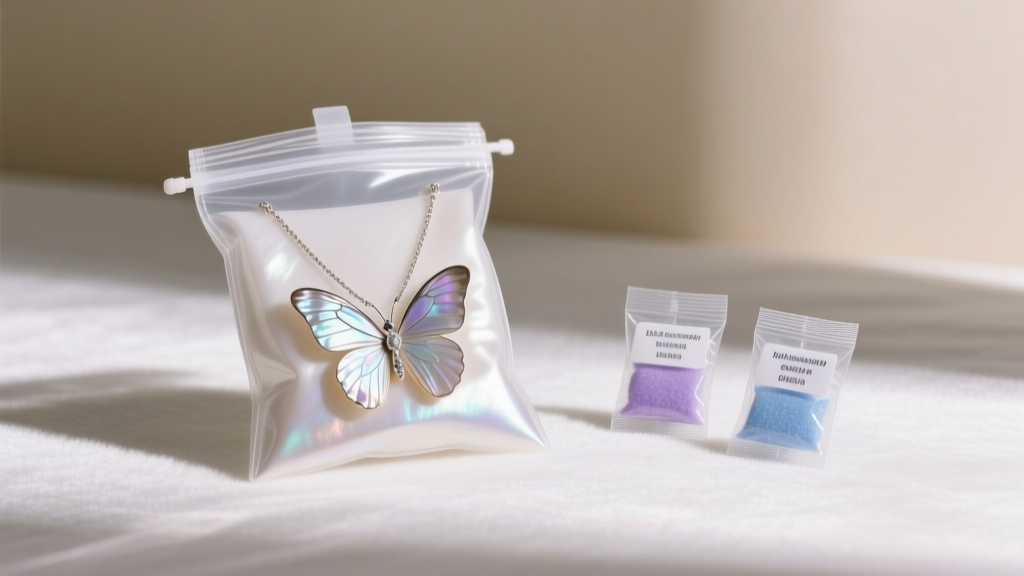
- Use Polyethylene, Not PVC: Store your necklace in individual ziplock bags made of polyethylene. Avoid PVC plastics, which emit gases that accelerate the tarnishing of sterling silver.
- Anti-Tarnish Strips: Place a 3M anti-tarnish strip inside the bag. These strips absorb sulfur compounds from the air, keeping the butterfly's silver wings bright for up to 12 months.
- Moisture Control: If you live in a high-humidity environment, include a small silica gel packet in the storage bag to prevent moisture-induced corrosion, particularly around the solder points where the butterfly bail meets the wings.
- Flat Storage: Always lay the necklace flat. Hanging a heavy butterfly pendant on a jewelry tree will stretch the delicate chain links over time, weakening the structural integrity of the metal.
Conclusion
A necklace butterfly is more than just an accessory; it is a miniature work of art that requires informed, meticulous care. By understanding the specific metallurgical and gemological properties of your pendant, avoiding destructive cleaning shortcuts like ultrasonic machines, and implementing rigorous storage protocols, you can preserve the intricate beauty of your butterfly wings for a lifetime. Treat your jewelry with the same delicacy it represents, and it will continue to shine brilliantly year after year.


