How to Choose a Genuine Lapis Stone Necklace: A Buyer's Guide
Discover how to choose a genuine lapis stone necklace. Learn about color grading, pyrite inclusions, fake detection, and the best metal pairings.

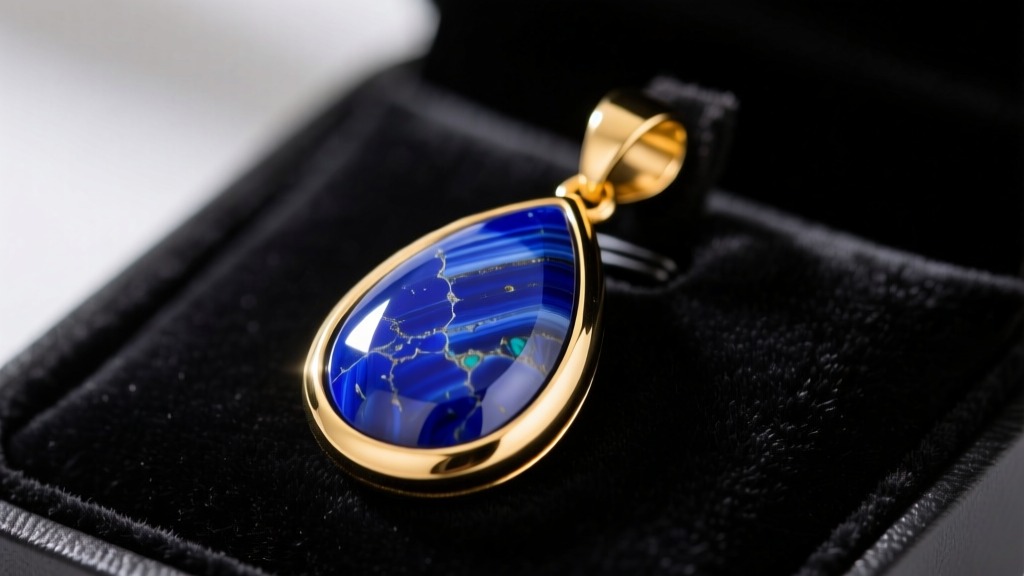
Few gemstones carry the historical weight and visual depth of lapis lazuli. Prized by ancient Egyptian pharaohs and Renaissance painters alike, this opaque, deep-blue stone remains a staple in fine jewelry. However, the modern market is flooded with dyed imitations, synthetic resins, and lower-grade stones passed off as premium gems. When investing in a lapis stone necklace, understanding the geological and gemological nuances of the stone is critical to ensuring you get what you pay for.
This comprehensive buying guide will walk you through the exact metrics gemologists use to grade lapis lazuli, how to perform at-home authenticity tests, and which metal settings best protect and enhance your stone.
The Geography of Lapis: Why Origin Dictates Price
Lapis lazuli is not a single mineral, but a metamorphic rock composed primarily of lazurite, calcite, and pyrite. The geographic origin of the rough stone heavily influences its color saturation, matrix pattern, and ultimately, its market value. According to the Gemological Institute of America (GIA), the three primary commercial sources are Afghanistan, Chile, and Russia.
Afghan (Badakhshan) Lapis: The Pinnacle
The Sar-e-Sang mines in the Badakhshan province of Afghanistan have been producing the world's finest lapis for over 6,000 years. Afghan lapis is characterized by an intense, saturated "royal blue" or "ultramarine" color with virtually no visible white calcite. Fine, evenly distributed golden pyrite flecks are present but do not overpower the blue. A high-grade Afghan lapis stone necklace pendant (15-20mm) typically commands between $150 and $400 in today's market.
Chilean and Russian Alternatives
Chilean lapis often features a slightly greener or lighter blue hue and is heavily mottled with white calcite veins. It is frequently dyed to mimic Afghan lapis. Russian lapis, sourced from the Lake Baikal region, boasts excellent color saturation but often contains heavier, more prominent pyrite inclusions that can make the stone look brassy rather than blue. Both are considered commercial grade, with pendants generally pricing between $30 and $80.
Decoding the Matrix: Lazurite, Pyrite, and Calcite
To evaluate the quality of a lapis stone necklace, you must examine its matrix—the host rock and secondary minerals trapped within the stone. The value is determined by the balance of three components:
- Lazurite (Blue): The primary mineral responsible for the color. The deeper and more uniform the ultramarine blue, the higher the grade.
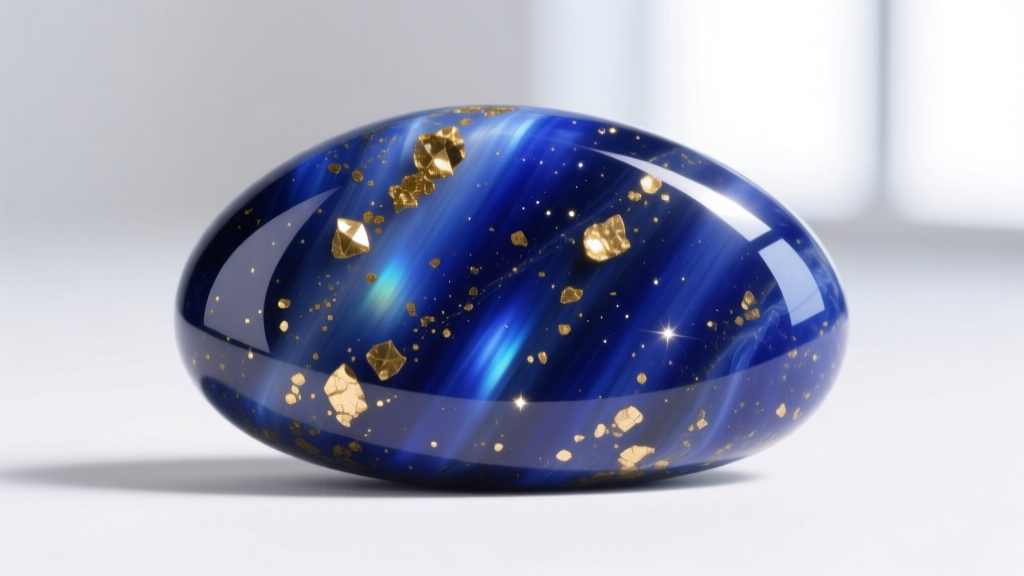
- Pyrite (Gold): Iron sulfide inclusions that appear as metallic gold flecks. In premium stones, these should look like a dusting of gold leaf. Large, clumpy pyrite veins lower the structural integrity and value of the stone.
- Calcite (White): A carbonate mineral that appears as white streaks or patches. While a tiny amount of calcite is natural, prominent white webbing drastically reduces the stone's value and indicates commercial-grade material.
Spotting Fakes: The Acetone and Hot Needle Tests
Because top-tier lapis is expensive, manufacturers frequently use cheaper, porous stones like howlite or sodalite, dyeing them to replicate the look of lazurite. Synthetic "Gilson" lapis, created in a lab, lacks the natural random distribution of pyrite. Here is how you can protect yourself from fraud when buying a lapis stone necklace.
The Acetone Test for Dye
Dyed howlite and low-grade chalcedony are the most common culprits. Take a cotton swab dipped in pure acetone (nail polish remover) and rub it vigorously on an inconspicuous area of the stone or the back of the pendant. If the swab turns blue, the stone is dyed. Genuine lapis lazuli is colored by sulfur-based lazurite and will not bleed dye when exposed to acetone.
The Hot Needle Test for Plastic/Resin
Some imitation stones are made from ground lapis dust bound together with blue-tinted epoxy resin. If you carefully touch a heated needle to the back of the stone, genuine lapis will remain unaffected. A resin-bound fake will melt, emit a chemical plastic odor, or leave a permanent puncture mark.
| Material | Visual Clues | Specific Gravity | Reaction to Acetone |
|---|---|---|---|
| Genuine Lapis Lazuli | Deep blue, random gold pyrite flecks, possible minor white calcite | 2.7 - 2.9 | No color transfer |
| Dyed Howlite | Uniform blue, white webbing under magnification, no pyrite | 2.5 - 2.6 | Blue dye transfers |
| Sodalite | Lighter blue, white veins, completely lacks metallic pyrite | 2.2 - 2.3 | No color transfer |
| Synthetic (Gilson) | Overly uniform color, pyrite flecks look artificially geometric | 2.4 | No color transfer |
Choosing the Right Metal and Setting
The setting of your lapis stone necklace is just as important as the stone itself, both for aesthetic contrast and physical protection. Lapis lazuli ranks between 5 and 6 on the Mohs hardness scale, making it relatively soft and prone to scratching or chipping if struck against hard surfaces.
Bezel vs. Prong Settings
Always opt for a bezel setting for lapis pendants. A bezel wraps a continuous rim of metal entirely around the girdle (edge) of the stone, protecting it from lateral impacts. Prong settings leave the edges of the stone exposed; a simple bump against a doorframe can chip the lapis, permanently damaging the cabochon.
Yellow Gold vs. Sterling Silver
Yellow gold (14k or 18k) is the traditional pairing for lapis. The warm tones of the gold perfectly complement and highlight the natural golden pyrite flecks within the stone, creating a cohesive, regal aesthetic. Sterling silver offers a crisp, nautical contrast that makes the deep blue appear more vibrant and modern. Avoid rose gold, as its copper undertones can clash with the ultramarine blue, making the stone look muddy.
Chain Lengths and Proportions
The visual weight of lapis requires careful consideration of chain length and thickness. Because lapis is an opaque, heavy-looking stone, delicate chains can appear unbalanced.
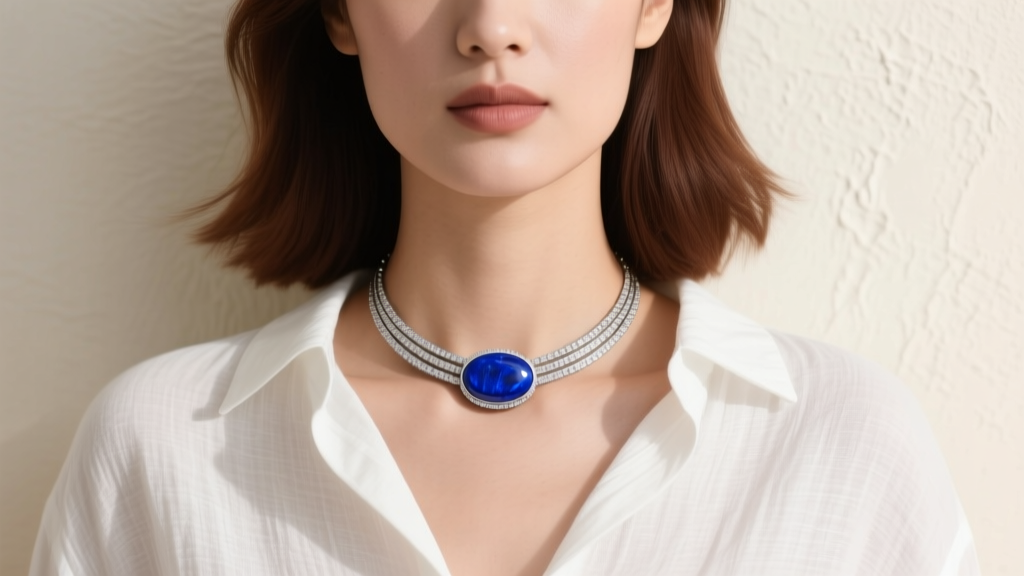
- Choker (14-16 inches): Ideal for large, statement-sized lapis beads or wide collar necklaces. This length keeps the heavy stone high on the collarbone, preventing it from pulling the fabric of your shirt.
- Princess (18 inches): The most versatile length for a single lapis pendant. It rests perfectly on the upper chest, drawing the eye to the neckline without overwhelming the wearer's frame.
- Matinee (20-24 inches): Best suited for long, bohemian-style lapis bead necklaces or lariats. Ensure the beads are knotted on silk or a heavy-duty wire to prevent the weight of the stone from snapping a standard chain.
Care and Maintenance: Protecting Your Investment
Lapis lazuli is a porous, relatively soft rock that requires specific care to maintain its polish and color. The most common mistake owners make is using modern jewelry cleaning technology on this ancient stone.
Expert Warning: Never place a lapis stone necklace in an ultrasonic cleaner or a steam cleaner. The high-frequency vibrations can fracture the stone along its natural calcite veins, and the heat can cause the stone to crack or lose its polish. Furthermore, avoid exposing lapis to harsh chemicals, perfumes, or prolonged sunlight, which can cause the blue color to fade over time.
To clean your lapis stone necklace, simply wipe it with a soft, damp microfiber cloth to remove skin oils and dust. Dry it immediately. When storing, keep the necklace in a soft velvet pouch separate from harder gemstones like diamonds, sapphires, or quartz, which will easily scratch the lapis surface.
For further reading on the mineralogy and identification of lapis lazuli, consult the comprehensive database at Mindat.org. By understanding the origins, matrix, and proper care of this magnificent stone, you can confidently select a lapis stone necklace that will remain a striking staple in your wardrobe for decades to come.


