Lyrics ZZ Top Pearl Necklace: Meaning, 2026 Trends & Style Guide
Explore the lyrics ZZ Top Pearl Necklace meaning, 2026 jewelry trends, pearl grading, and rock-chic styling tips for the modern rebel.

The Cultural Weight of a Rock-and-Roll Bribe
When music historians and jewelry enthusiasts alike search for the lyrics ZZ Top Pearl Necklace, they are usually looking for the story behind the 1981 hit single from the album El Loco. On the surface, the track is a bluesy, Texas-rock anthem about a man trying to win back a lover who is leaving him for the bright lights of the city. But beneath the gritty guitar riffs lies a fascinating cultural commentary on luxury, gender dynamics, and the transactional nature of high-end jewelry. The protagonist doesn't offer a heartfelt apology; instead, he offers a pearl necklace.
This specific lyrical narrative fundamentally shifted how pop culture viewed pearls in the early 1980s. No longer just the domain of matronly high society or conservative debutantes, the pearl necklace was suddenly framed as a high-stakes bargaining chip—a symbol of oil-rich Texas wealth clashing with urban independence. Today, as we navigate the fashion landscape of 2026, the irony embedded in those lyrics has evolved into a full-blown aesthetic movement. The "rock-chic" pearl is no longer just a trend; it is a permanent fixture in gender-fluid fashion, streetwear, and high-end rock aesthetics.
Decoding the Narrative: Transactional Luxury
To understand the modern styling of the rebellious pearl, we must first analyze the song's core premise. According to Wikipedia's archive on ZZ Top's "Pearl Necklace", the song's narrator is essentially trying to purchase forgiveness and presence. The lyrics highlight a stark contrast between the rustic, grounded narrator and the upwardly mobile woman he is losing.
"She was leavin' town, goin' up to the city... I bought her a pearl necklace, thought it might keep her here."
This transactional framing stripped the pearl necklace of its traditional romantic innocence and replaced it with a heavy, almost cynical materialism. In the jewelry industry, this mirrors the shift from pearls being seen purely as heirloom gifts to becoming bold, assertive fashion statements. By 2026, wearing a pearl strand is less about conforming to traditional elegance and more about reclaiming that assertive, unapologetic energy. It is an armor of luxury.
From 1981 to 2026: The Evolution of the Rock-Chic Pearl
The trajectory of the pearl necklace over the last four decades is a masterclass in subversion. In the 1980s, the pearls referenced in rock music were almost exclusively perfectly round, high-luster Akoya or early cultured strands. They represented the establishment. However, the modern interpretation of the "ZZ Top aesthetic" rejects perfect symmetry in favor of raw, organic imperfection.
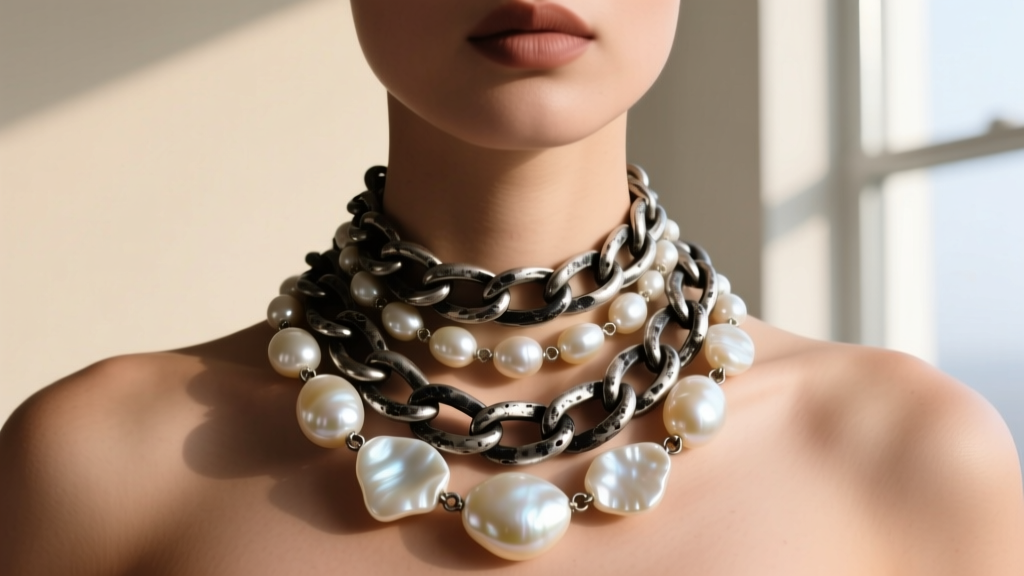
In 2026, the gender-neutral jewelry movement has fully embraced the pearl. Artists across hip-hop, indie rock, and alternative scenes are layering baroque freshwater pearls with heavy sterling silver chains. The irony of the original lyrics has been flipped: the pearls are no longer a bribe to keep someone tied down; they are a tool of radical self-expression. The modern wearer chooses pearls not to appease high society, but to mock its rigid rules.
Material Breakdown: Sourcing the Ultimate Rock-Star Strand
If you are looking to capture the essence of the song while maintaining high jewelry standards, you must understand pearl grading. According to the Gemological Institute of America (GIA), pearl quality is determined by size, shape, color, luster, surface quality, and nacre thickness. Here is how the three main pearl types stack up for a rock-inspired aesthetic:
| Pearl Type | Typical Size | Nacre Quality | Price Range (18" Strand) | Aesthetic Vibe |
|---|---|---|---|---|
| Akoya | 7.0 - 8.5mm | 0.4mm+ (Mirror Luster) | $800 - $2,500 | Classic, sharp, traditional luxury |
| Freshwater Baroque | 9.0 - 12.0mm | Solid Nacre | $150 - $600 | Edgy, rock-chic, asymmetrical |
| Tahitian | 8.0 - 11.0mm | 0.8mm+ (Dark Tones) | $1,200 - $4,000+ | Moody, rebellious, high-contrast |
For the ultimate 2026 rock-and-roll homage, the Tahitian pearl is the superior choice. Its natural dark body colors—ranging from peacock green to deep charcoal—pair effortlessly with leather and denim, completely bypassing the "matronly" stereotype of white pearls. If budget is a constraint, high-grade Baroque Freshwater pearls offer incredible luster and a gritty, asymmetrical texture that feels inherently rebellious.
The Anatomy of a Quality Strand: Hardware and Construction
A true jewelry connoisseur knows that the value of a pearl necklace is not just in the gems, but in the engineering of the strand. Cheap, mass-produced strands use nylon wire and glue, which degrades rapidly. A strand worthy of a rock-star legacy must feature the following construction elements:
- Silk Thread Knotting: High-end strands are knotted between every single pearl using size E or F silk thread. This prevents catastrophic loss if the necklace snaps and prevents the pearls from rubbing against each other, preserving their nacre.
- French Wire (Gimp): The silk thread must be protected where it meets the metal clasp. A tiny coil of gold or silver wire, known as French wire, is used to prevent the metal from cutting the silk over time.
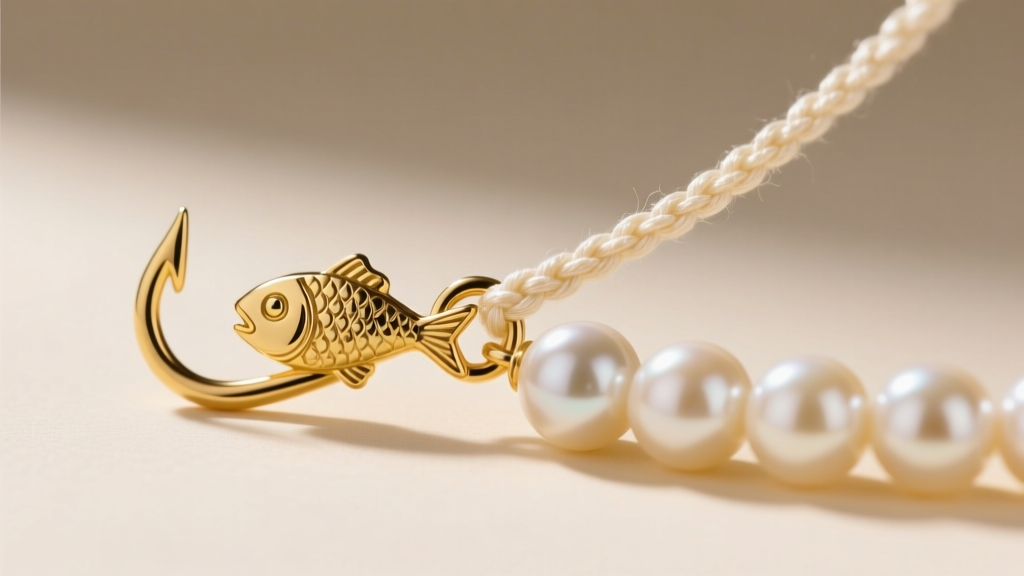
- The Clasp: Avoid bulky lobster claws on fine pearls. The traditional fishhook clasp or a pearl safety clasp crafted in 14k or 18k gold provides a secure, low-profile closure that maintains the strand's fluid drape.
Styling the "El Loco" Aesthetic: Lengths and Layering
The way a pearl necklace sits on the body completely changes its cultural signaling. To channel the gritty, blues-rock energy of ZZ Top while remaining relevant in 2026, you must master the art of the drape.
The Princess Length (18 Inches)
This is the length implicitly referenced in the era of the song. It rests right on the clavicle. To modernize it, avoid wearing it over a modest blouse. Instead, drape an 18-inch Tahitian or Baroque strand over a vintage, distressed band t-shirt or a bare chest. The contrast between the organic, luminous pearls and rough cotton or skin is the essence of the rock-chic aesthetic.
The Opera Length (28-36 Inches)
The opera length is the cornerstone of the 2026 gender-fluid layering trend. A long strand of irregular freshwater pearls can be worn loose, swinging with movement, or doubled up to create a chaotic, layered choker effect. When doubling an opera-length strand, mix it with a 20-inch oxidized silver Cuban link chain to introduce a hard, metallic edge to the soft pearls.
The Choker (14-16 Inches)
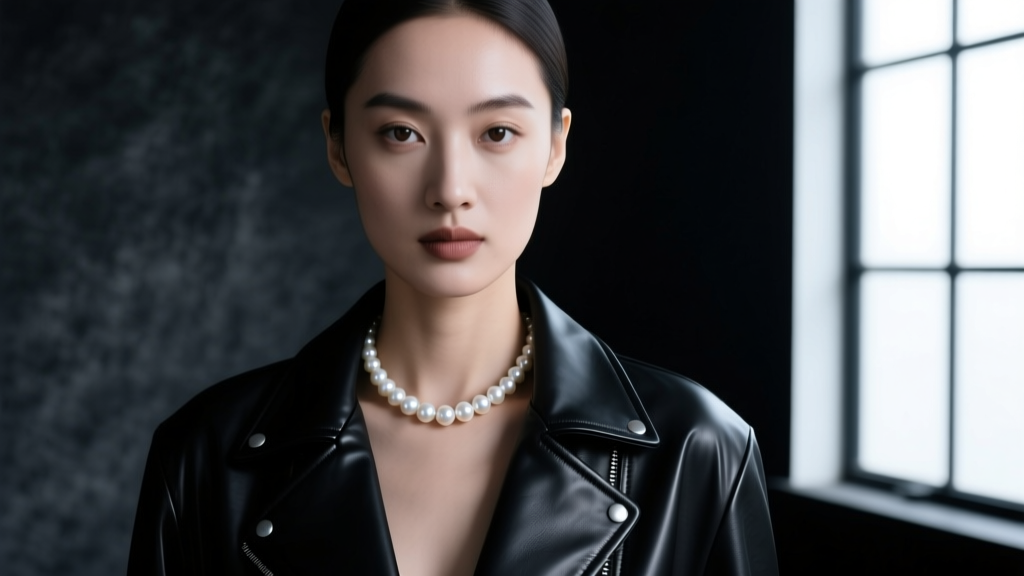
A tight pearl choker is an aggressive, unapologetic statement. In the context of the song's lyrics, it acts almost like a beautiful collar. For maximum impact, choose a choker strung with larger, 10mm+ pearls that sit heavily against the neck, paired with a leather motorcycle jacket to emphasize the juxtaposition of toughness and luxury.
Conclusion: The Enduring Irony of the Pearl
The lyrics ZZ Top Pearl Necklace immortalized a piece of jewelry as a tool of desperation, a bribe of high-society luxury meant to anchor a wandering soul. But culture is a living, breathing thing. What started as a blues-rock narrative about transactional love has been entirely reclaimed by modern fashion. In 2026, the pearl necklace belongs to the rebels, the rockers, and the rule-breakers. By understanding pearl grading, demanding proper silk-knotted construction, and styling these gems with deliberate, gritty contrast, you transform a symbol of old-world conformity into the ultimate badge of modern independence.


