The Ultimate Gold Pretzel Necklace Material & Karat Guide
Discover how karat weight, alloy blends, and construction methods impact the durability and shine of your gold pretzel necklace.

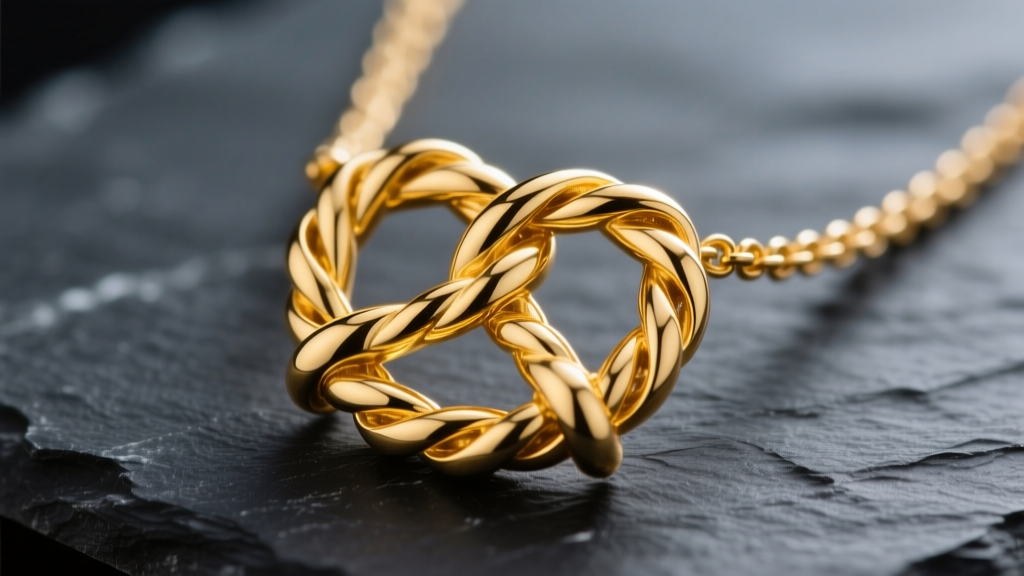
The interlocking loops and twisted crossovers of a gold pretzel necklace create a visually striking piece of jewelry that symbolizes eternity and connection. However, this intricate geometry—often resembling a lover's knot, a Celtic weave, or a twisted rope—places unique metallurgical stresses on the metal. Unlike a simple flat pendant or a smooth cable chain, the friction points, raised ridges, and structural bends of a pretzel design demand careful consideration of material properties.
Choosing the right metal composition is not merely a matter of color preference; it dictates the necklace's tensile strength, resistance to deformation, and long-term wearability. In this comprehensive guide, we break down the exact material properties, karat weights, and alloy compositions you need to know before investing in a gold pretzel necklace.
The Structural Demands of a Pretzel Knot Design
A pretzel or knot design relies on overlapping metal pathways. In a solid piece, these crossover points act as structural stress concentrators. When the necklace is pulled or caught, the tension is distributed unevenly across the twists. According to the Gemological Institute of America (GIA), pure gold is exceptionally malleable, meaning intricate designs made from high-purity gold will easily bend, warp, or lose their definition under everyday mechanical stress.
To maintain the crisp, defined edges of a twisted pretzel motif, jewelers must alloy the gold with harder metals like copper, silver, zinc, or palladium. The balance between gold purity (karat) and alloy hardness (measured on the Vickers scale) is the single most critical factor in the longevity of your necklace.
Solid Gold Karats: Hardness vs. Purity
When shopping for a solid gold pretzel necklace, you will primarily encounter 10K, 14K, and 18K options. Each offers a distinct trade-off between intrinsic value, color saturation, and structural integrity.
| Karat | Gold Content | Vickers Hardness (HV) | Best For | Avg. Price Range (18" Chain) |
|---|---|---|---|---|
| 10K Gold | 41.7% | ~160 HV | High-impact daily wear, budget buyers | $250 - $450 |
| 14K Gold | 58.3% | ~140 HV | Everyday wear, optimal durability/color balance | $450 - $850 |
| 18K Gold | 75.0% | ~125 HV | Special occasions, heirloom pieces, rich color | $900 - $1,800+ |
| 22K/24K Gold | 91.6% - 99.9% | 25 - 60 HV | Investment bullion (Not recommended for knots) | N/A |
For a pretzel design, 14K gold is the metallurgical sweet spot. It provides enough alloyed metals (like copper and silver) to achieve a Vickers hardness that resists bending at the knot crossovers, while retaining a warm, recognizable gold hue. While 18K gold offers a richer, deeper yellow color, its lower hardness means the raised ridges of the pretzel twist are more susceptible to scratching and flattening over years of friction against clothing and skin.
Alloy Metallurgy: How Color Affects Durability
The color of your gold pretzel necklace is determined by its alloy mix, which inherently changes the metal's physical behavior during the manufacturing process and throughout its lifespan.
Yellow Gold: The Classic Standard
Yellow gold alloys typically blend pure gold with equal parts silver and copper. This creates a highly workable metal that takes a brilliant polish. The smooth grain structure of a well-annealed yellow gold alloy allows jewelers to execute tight, complex pretzel twists without the metal cracking during the casting or forging process.
Rose Gold and Copper Work-Hardening
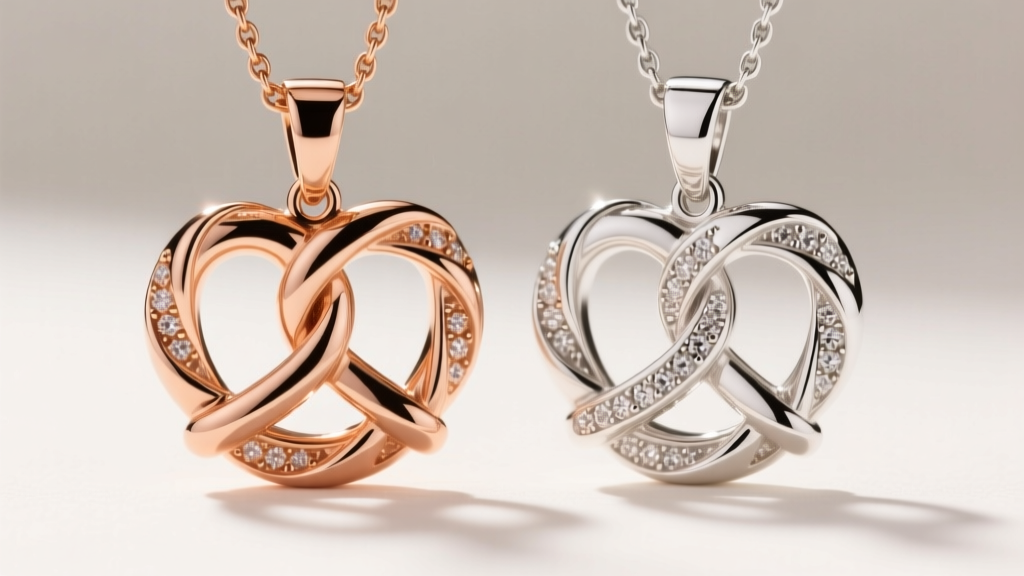
Rose gold achieves its pinkish hue through a high copper content (often up to 20-25% copper in 14K and 18K blends). Copper introduces a phenomenon known as work-hardening. As the metal is bent and twisted into the pretzel shape, the copper crystals compress, making the metal harder but significantly more brittle. If a jeweler does not properly anneal (heat-treat) the rose gold during the shaping process, the microscopic stress fractures at the knot crossovers can lead to sudden snapping. When buying a rose gold pretzel necklace, always purchase from reputable casters who utilize proper annealing protocols.
White Gold and Rhodium Friction
White gold is alloyed with nickel, palladium, or manganese to strip away the yellow hue, but it is almost always plated with a microscopic layer of rhodium for a bright, mirror-like finish. In a pretzel necklace, the overlapping loops create high-friction zones. The rhodium plating (typically 0.75 to 1.0 microns thick) will wear away much faster on the raised, rubbing edges of the knot, revealing the slightly yellowish-white base metal beneath. Expect to budget for professional re-plating every 12 to 18 months if you choose white gold for a heavily textured design.
Construction Methods: Solid, Hollow, and Vermeil
Beyond the karat and alloy, the internal architecture of the necklace dictates its survival rate. The market offers three primary construction methods for gold pretzel necklaces, each with distinct failure modes.
- Solid Cast or Forged Gold: The heaviest and most durable option. The metal is dense throughout, meaning that even if the surface scratches, the structural integrity of the knot remains intact. This is the only recommended option for heirloom-quality pieces.
- Hollow Electroformed Gold: To create large, chunky pretzel knots without the exorbitant cost of solid gold weight, manufacturers use electroforming over a wax or resin core, which is later melted out. While visually identical to solid gold, hollow knots are highly vulnerable to crushing. A single sharp impact against a hard surface can dent the thin gold shell irreparably, as the metal lacks internal support.
- Gold Vermeil (Sterling Silver Base): Vermeil consists of a sterling silver core plated with at least 2.5 microns of gold. While more durable than standard gold-plated brass, the friction points of a pretzel design will eventually wear through the gold layer down to the silver. Because silver tarnishes and reacts to sulfur, the exposed crossover points will turn black over time, requiring aggressive polishing that further degrades the remaining gold plating.

Maintenance Protocols for Twisted Gold
The complex geometry of a pretzel necklace creates microscopic crevices where sebum, lotions, and environmental dust accumulate. This buildup not only dulls the gold's luster but can also accelerate galvanic corrosion in lower-karat alloys if left unchecked.
"Never use ultrasonic cleaners on hollow gold jewelry or white gold pieces with compromised rhodium plating. The high-frequency cavitation can fracture thin electroformed shells and strip delicate surface treatments." — Jewelers of America Maintenance Guidelines
For solid gold pretzel necklaces, the safest cleaning method involves soaking the piece in a lukewarm solution of distilled water and a few drops of pH-neutral dish soap for 15 minutes. Use a soft-bristled infant toothbrush to gently agitate the crevices between the twisted loops. Rinse with distilled water to prevent hard water spotting, and dry thoroughly with a microfiber cloth. Avoid using silver polishing dips or harsh chemical abrasives, as these can strip the alloyed metals from the surface, leaving a porous, matte finish.
Final Verdict: Which Gold Type Should You Choose?
Selecting the ideal material for your gold pretzel necklace requires aligning your lifestyle with metallurgical realities. If you intend to wear the necklace daily and want a piece that will withstand the mechanical stress of the interlocking knots without bending or requiring constant maintenance, 14K solid yellow gold is the undisputed champion. It offers the optimal Vickers hardness to preserve the sharp lines of the twist while providing excellent tarnish resistance.
If you are purchasing the necklace as an occasional luxury item or an heirloom to be stored safely between wears, the richer, more saturated hue of 18K solid gold is a worthy investment, provided you accept that the surface will develop a soft patina from micro-scratches over time. Avoid hollow constructions and high-copper rose gold blends unless you have verified the manufacturer's quality control regarding annealing and wall thickness. By prioritizing material properties over fleeting trends, you ensure your gold pretzel necklace remains a pristine symbol of connection for decades to come.


