Choosing the Perfect Rose Gold Lariat Necklace: A Material Guide
Discover the metallurgy behind the perfect rose gold lariat necklace. Compare 14k vs 18k durability, alloy properties, and drape for lasting elegance.

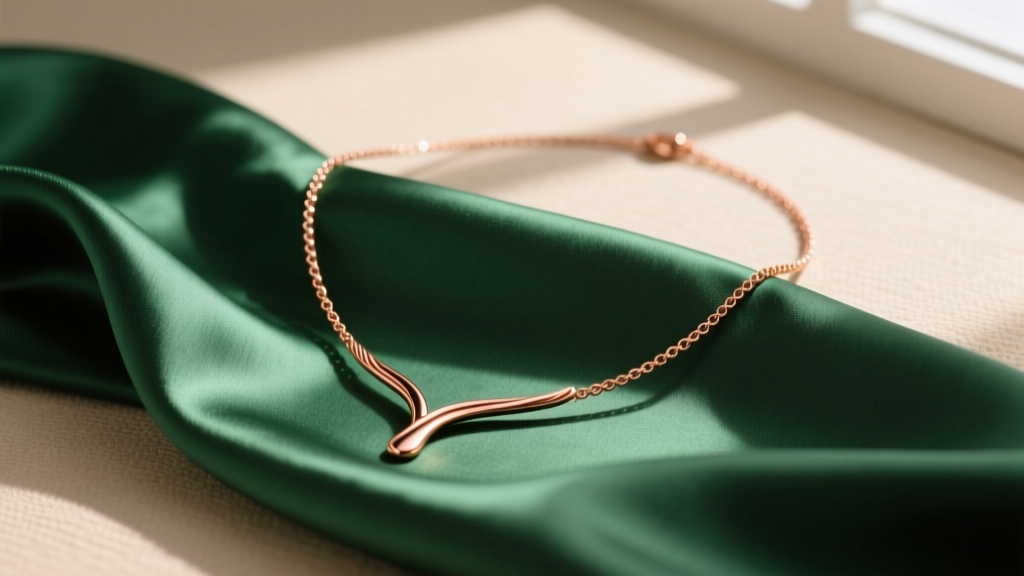
The lariat necklace is a masterclass in minimalist jewelry design. Unlike traditional necklaces that rely on clasps, hinges, and rigid structural points, a lariat depends entirely on gravity, friction, and the natural drape of the metal. When you begin shopping for a rose gold lariat necklace, the aesthetic appeal of the warm, pinkish hue is only half the equation. The underlying metallurgy—specifically the copper-to-silver alloy ratios and the tensile strength of the chain—will dictate whether your necklace drapes elegantly for decades or snaps, kinks, and wears through within months.
In this comprehensive material guide, we bypass generic styling advice and dive deep into the alloy properties, friction mechanics, and structural requirements that separate a masterfully crafted rose gold lariat from a disposable fashion accessory.
The Metallurgy of Rose Gold: Why Alloys Matter in Lariats
Pure 24-karat gold is inherently yellow and far too soft for jewelry, possessing a Vickers hardness (HV) of merely 25. To achieve the signature blush of rose gold and the structural integrity required for a clasp-less lariat, gold must be alloyed primarily with copper, alongside smaller amounts of silver or zinc. According to the Gemological Institute of America (GIA), the specific ratio of these base metals alters not just the color, but the mechanical behavior of the chain.
The Copper Factor: Color vs. Oxidation
Copper is the engine behind rose gold's color. However, copper is also a reactive metal. When exposed to the natural acids in human sweat, cosmetics, and environmental humidity, copper can oxidize. In a lariat necklace, the chain constantly slides against itself and the skin, accelerating this micro-abrasion and oxidation cycle. Understanding the exact karatage is vital because it dictates the copper percentage.
- 18k Rose Gold: 75% pure gold, ~22.25% copper, ~2.75% silver. Yields a deep, romantic pinkish-red hue but is softer and more prone to stretching under the weighted Y-drop of a lariat.
- 14k Rose Gold: 58.3% pure gold, ~31% copper, ~10.7% silver/zinc. Yields a lighter, peachier pink. The higher copper and zinc content significantly increases the Vickers hardness, making it vastly superior for thin, friction-heavy lariat chains.
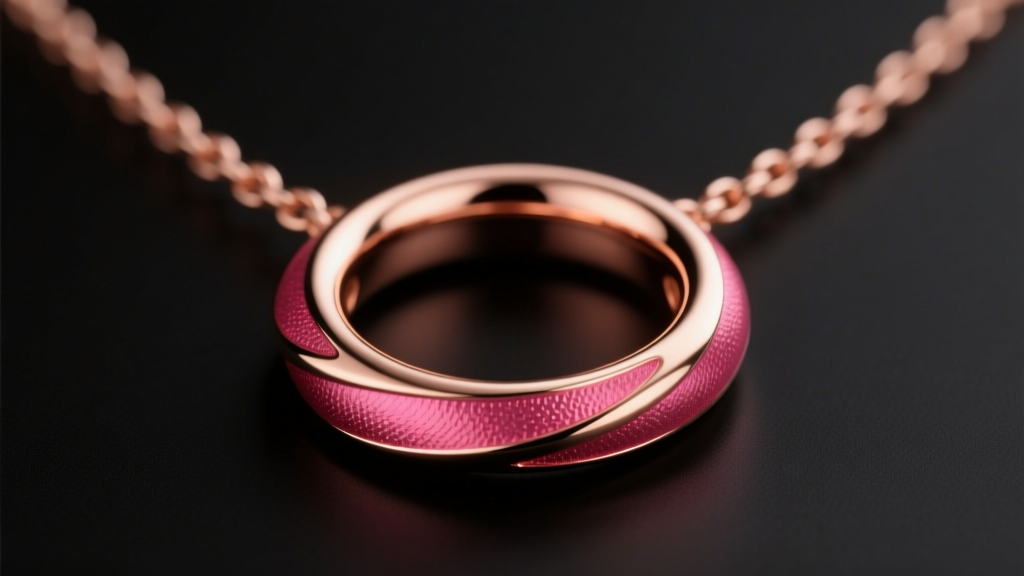
14k vs. 18k Rose Gold: Tensile Strength and Drape
The World Gold Council notes that caratage directly impacts a metal's malleability. For a lariat necklace, which typically features a 1.0mm to 1.5mm chain thickness to maintain a delicate silhouette, tensile strength is paramount. The sliding mechanism of a lariat puts localized stress on individual chain links, particularly where the chain threads through the O-ring or decorative slide.
| Material Grade | Gold Content | Approx. Vickers Hardness (HV) | Friction Durability | Estimated Price Range (18" + 3" Drop) |
|---|---|---|---|---|
| 14k Solid Rose Gold | 58.3% | 135 - 150 HV | Excellent (Lifetime) | $280 - $550 |
| 18k Solid Rose Gold | 75.0% | 115 - 125 HV | Good (May stretch over time) | $450 - $900+ |
| Rose Gold Vermeil | 2.5 microns over Silver | N/A (Core dependent) | Poor (Wears at loop in 6-12 mos) | $60 - $150 |
| Rose Gold Plated Brass | Flash plated | N/A | Very Poor (High friction failure) | $20 - $50 |
The Verdict on Karatage
If your lariat features a heavy gemstone pendant on the Y-drop, opt for 14k rose gold. The higher tensile strength will prevent the chain from slowly elongating and warping under the pendulum-like stress of daily wear. If you prefer a lightweight, barely-there chain with a simple metal bar drop, 18k rose gold offers a richer color and sufficient strength.
The Anatomy of the Lariat Loop: Friction and Failure Points
The defining feature of any lariat necklace is the loop—either a fixed O-ring, a sliding jump ring, or a decorative bead through which the chain threads. This loop is the ultimate stress test for any jewelry material.
Why Plated Metals Fail at the Loop
Every time you adjust a lariat necklace, pull it over your head, or experience the natural movement of walking, the chain slides through the loop. This creates continuous, localized friction. In rose gold vermeil (thick gold plating over sterling silver) or gold-plated brass, this friction acts like micro-sandpaper. Within six to twelve months of regular wear, the rose gold plating at the exact point of contact will wear away entirely, exposing the silver or brass core beneath.
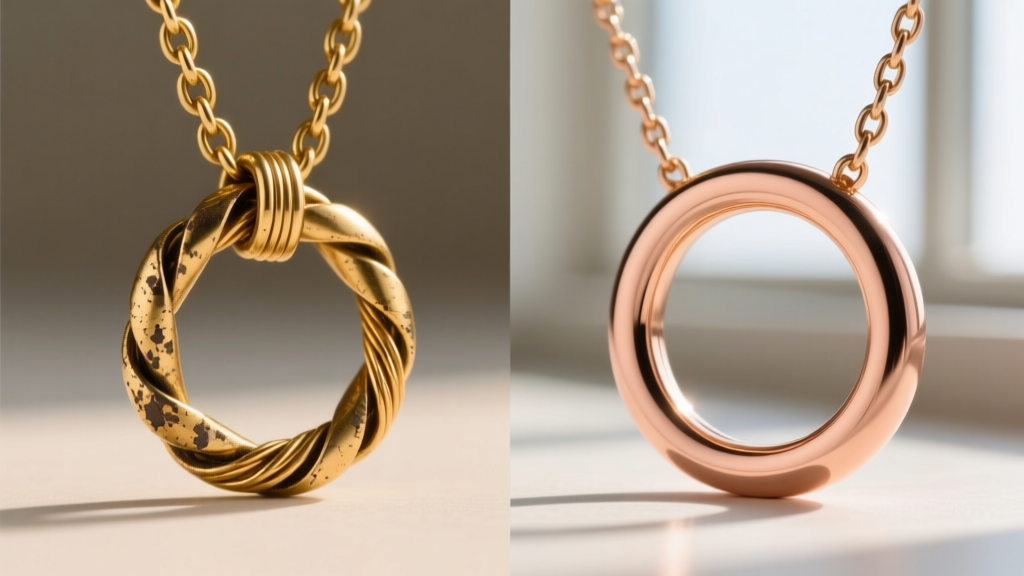
Because of this mechanical reality, solid rose gold is not a luxury upgrade for lariats; it is a structural necessity. If you must purchase a vermeil lariat for budget reasons, look for designs where the chain is permanently fixed to a decorative slide (meaning the chain itself doesn't move through the slide), shifting the friction to the skin rather than the metal-on-metal contact point.
Chain Styles: Which Links Survive the Lariat Drape?
The alloy is only half the battle; the physical geometry of the chain links determines how well the necklace drapes and resists kinking. Because lariats are frequently pulled, tugged, and bent sharply at the Y-junction, certain chain styles are inherently flawed for this design.
- Box Chains (Highly Recommended): Composed of square, interlocking links. When work-hardened during manufacturing, 14k rose gold box chains offer exceptional structural memory. They resist kinking and slide smoothly through O-rings without catching.
- Cable Chains (Recommended): The classic oval link. A 1.2mm rose gold cable chain provides a beautiful, fluid drape. Ensure the links are soldered (closed) rather than open, as the pulling motion of a lariat can easily pull open unsoldered jump rings.
- Snake Chains (Avoid): Snake chains are created by tightly winding metal strips into a seamless tube. While they offer a beautiful, liquid-like drape initially, they have virtually no lateral flexibility. The sharp bend required at the lariat loop will permanently kink a snake chain, breaking the internal structure and causing it to snap.
- Wheat/Rope Chains (Use with Caution): The intricate twisting of these chains catches easily on the edges of metal O-rings, leading to fraying and micro-abrasions over time.
Expert Buying Framework: What to Inspect Before You Buy
When evaluating a rose gold lariat necklace, apply this three-point inspection framework to ensure you are investing in a piece that will endure:
- Verify the Hallmark and Weight: Look for the "14k" or "585" stamp near the end tag. A quality 18-inch solid 14k rose gold lariat with a 1.2mm box chain and a 3-inch drop should weigh between 4.5 and 7 grams. If the piece feels suspiciously light, it may be hollow-core or heavily plated base metal.
- Inspect the Y-Junction Soldering: Where the vertical drop meets the horizontal necklace, the links must be laser-welded or cleanly soldered. Any visible gaps, dark oxidation spots, or misaligned links at this junction indicate poor manufacturing that will fail under tension.
- Test the Slide Tolerance: If the lariat uses a sliding mechanism rather than a fixed Y-drop, thread the chain through the slide. It should move with a smooth, hydraulic resistance. If it catches, scrapes, or requires tugging, the interior of the slide is poorly polished and will prematurely wear down your chain.
Care and Patina Management
Because of the high copper content, rose gold does not tarnish in the traditional blackened sense that sterling silver does, but it can develop a warm, darkened patina over years of wear. To maintain the brilliant blush of your lariat, clean it bi-monthly using a solution of warm water and a few drops of phosphate-free dish soap. Avoid ultrasonic cleaners if your lariat features tension-set gemstones at the Y-drop, as the high-frequency vibrations can loosen the settings. Always store the lariat fully extended and hanging; coiling a lariat necklace in a jewelry box invites micro-kinks that are nearly impossible to remove without professional jeweler intervention.
By prioritizing 14k solid alloys, selecting box or cable chain geometries, and respecting the friction mechanics of the slide loop, your rose gold lariat necklace will remain a resilient, elegant staple in your wardrobe for a lifetime.


