What Does a Lock Necklace Mean? Symbolism & Repair Guide
Discover what a lock necklace means symbolically, plus expert troubleshooting tips for stuck clasps, lost keys, and broken chains.

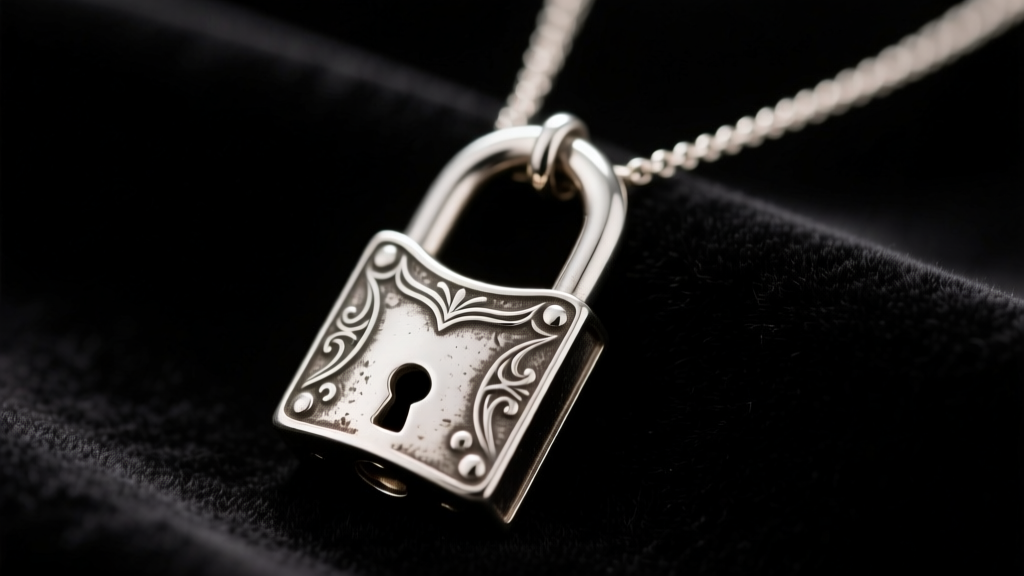
The Symbolic Meaning: What Does a Lock Necklace Mean?
When clients ask me, "what does a lock necklace mean?", the answer bridges centuries of romantic folklore and modern psychological symbolism. Historically, the lock necklace represents an unbreakable bond, fidelity, and the securing of one's heart. This symbolism gained massive global traction through the "love lock" phenomenon on bridges like Paris's Pont des Arts, where couples attached padlocks to the grilles and threw the keys into the Seine to signify eternal commitment. According to a BBC report on the Paris love locks, the city had to remove over 45 tons of these locks in 2015 due to structural strain, but the symbolic weight of the padlock remains firmly entrenched in jewelry design.
In 2026, the meaning has evolved beyond romantic entanglement. Many wearers now choose lock pendants as a symbol of self-security, safeguarding personal boundaries, or "locking in" a period of personal growth. High-end jewelers have adapted by integrating lab-grown diamond pavé and mixed-metal shackles, transforming the rustic padlock into a sophisticated emblem of empowerment. However, whether your lock necklace is a sentimental vintage piece or a modern luxury statement, the physical hardware is prone to unique mechanical failures that require specialized troubleshooting.
Troubleshooting Common Lock Necklace Hardware Issues
Unlike standard lobster or spring-ring clasps, a functional padlock pendant contains miniature pin-tumbler mechanisms or tension-based snap-shackles. These moving parts are highly susceptible to environmental debris, cosmetic buildup, and metallurgical seizing. Here is how to diagnose and fix the most common mechanical failures.
Problem 1: The Padlock Shackle is Stuck or Jammed
If the U-shaped shackle refuses to open even when the key is turned, the internal springs or pins are likely obstructed. Never use WD-40 or standard oil-based lubricants. Oil attracts microscopic dust and skin cells, creating a sludge that will permanently ruin the internal mechanism and strip the finish off precious metals.
- The Fix: Use a dry graphite powder or a specialized jeweler's PTFE (Teflon) dry lubricant. Apply a microscopic amount directly into the keyway and the shackle entry holes using a fine-tipped brush.
- The Technique: Insert the key and gently jiggle it while applying upward tension to the shackle. Do not force it, as miniature brass or silver pins will shear under excessive torque.
Problem 2: The Key Turns but Won't Release
This usually indicates a misaligned driver pin or a worn key. Over time, the teeth on soft gold or silver keys wear down, failing to lift the internal pins to the exact shear line.
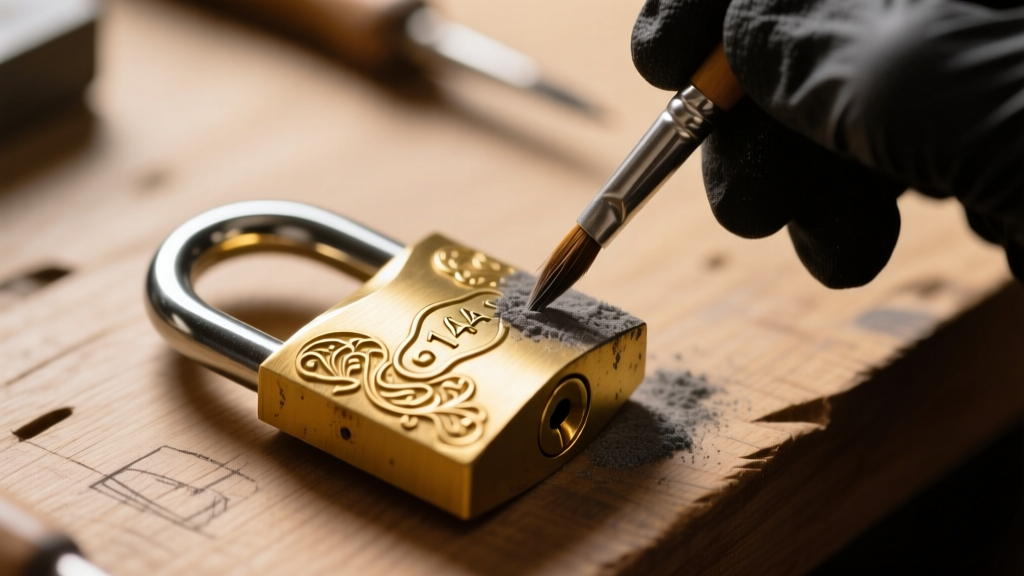
- The Fix: A professional jeweler can place the key under a microscope and use a fine needle file to re-cut the bitting (the grooves) to the original depth. If the lock itself is worn, a jeweler can often "impression" a new key by inserting a blank and turning it to mark the binding pins.
Material Science: Why Locks Seize and Tarnish
The metal you choose dictates both the longevity of the lock's moving parts and its vulnerability to chemical seizing. Silver sulfide tarnish, for instance, doesn't just discolor the surface; it builds up in the microscopic tolerances of the shackle hinge, effectively gluing the metal together. According to the GIA Gem Encyclopedia, understanding metal properties is crucial for jewelry maintenance.
| Metal Grade | Tarnish Risk | Seizing Risk (Moving Parts) | Emergency Cutting Difficulty |
|---|---|---|---|
| Sterling Silver (925) | High | High (Tarnish acts as an abrasive glue) | Low (Easily cut with standard flush cutters) |
| 14k / 18k Yellow Gold | Very Low | Moderate (Dust accumulation) | Low to Moderate (Soft, but requires care) |
| 316L Stainless Steel | None | Low (Highly corrosion resistant) | Very High (Work-hardens; requires a jeweler's saw) |
| Platinum (950) | None | Low | Moderate (Dense and malleable, dulls standard blades) |
Pro-Tip for Silver Locks: If your sterling silver padlock is seized due to tarnish, do not pull the shackle. Submerge the pendant in a professional-grade sonic cleaner with a mild, ammonia-free jewelry solution. The ultrasonic cavitation will break up the silver sulfide crystals inside the mechanism without damaging the metal.
Emergency Removal: What If You Lose the Key?
Losing the key to a functional lock necklace is a common panic-inducing scenario, especially with heirloom pieces or high-end designs like the Tiffany & Co. Padlock collection. If the lock is purely decorative and the shackle is soldered shut, removal is simply a matter of cutting the chain. But if the lock is functional and clasped tightly around the neck or wrist, you need a strategic approach.
Warning: Never attempt to use household bolt cutters on a heavy-gauge stainless steel or titanium lock pendant while it is being worn. The crushing force required can cause severe blunt-force trauma to the collarbone or neck.
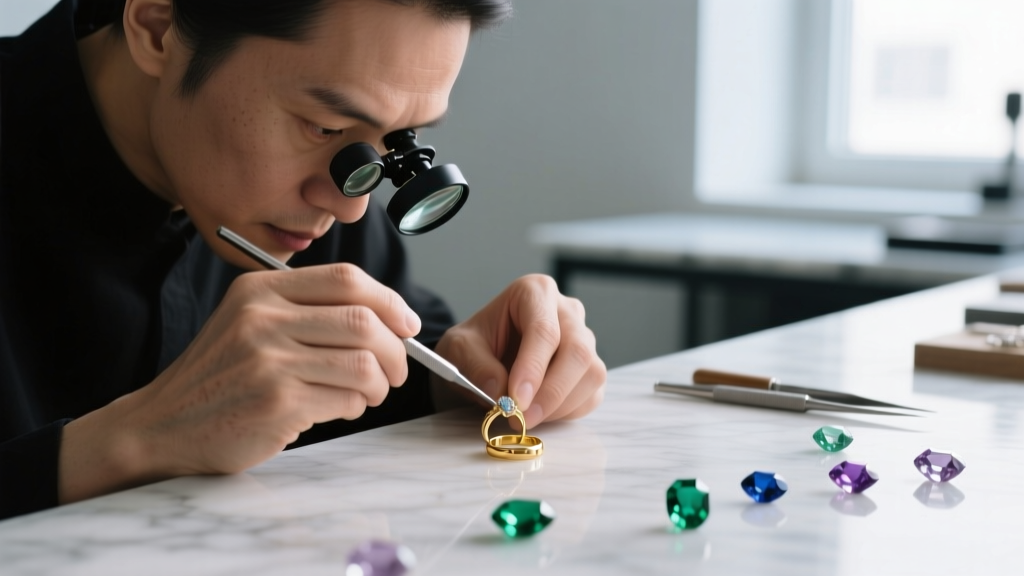
The Jeweler's Saw Method
The safest removal method involves a miniature jeweler's saw equipped with a 2/0 or 3/0 blade. A professional will slide a protective metal shim (or a thick piece of leather) between the chain/lock and your skin. They will then saw through the shackle or the connecting jump ring. Because the saw removes a microscopic kerf of metal rather than crushing it, there is zero pinching or pulling on the skin.
The Locksmith Approach
For luxury locks with complex pin-tumbler mechanisms, a specialized locksmith can sometimes pick the miniature lock using micro-tension wrenches, saving the piece from being destroyed. This is highly dependent on the brand; proprietary luxury locks often feature security pins that make picking nearly impossible without the original key code.
When the Chain Breaks: Fixing the Weakest Link
A lock pendant is inherently heavier than a standard charm. This concentrated weight puts immense stress on the chain's jump rings and clasps, frequently leading to structural failure. If your lock necklace keeps breaking, the issue is almost certainly inadequate wire gauge thickness.
Upgrading the Hardware
Most mass-market chains use 22-gauge or 20-gauge wire for their jump rings. A solid silver or gold padlock pendant requires a minimum of 18-gauge wire for the connecting jump rings to prevent them from pulling apart under the pendulum effect of walking.
- Soldered Jump Rings: Have a jeweler replace the split jump ring connecting the lock to the chain with a soldered, seamless 18-gauge ring. This eliminates the gap where the chain can slip through.
- Clasp Upgrades: Standard spring-ring clasps fail under the weight of a lock pendant. Upgrade to a heavy-duty lobster clasp or, for a seamless look, a magnetic neodymium clasp encased in 14k gold, which offers superior tensile strength.
For comprehensive care and repair standards, the Jewelers of America recommends annual professional inspections for any necklace bearing a heavy or mechanical pendant to check for prong wear, ring thinning, and clasp fatigue.
Conclusion: Preserving the Meaning and the Metal
Understanding what a lock necklace mean goes far beyond its romantic origins; it is an investment in a piece of mechanical jewelry that requires respect and maintenance. Whether you are preserving a vintage sterling silver padlock from the 1970s or troubleshooting a modern 316L stainless steel statement piece, the rules of metallurgy and mechanics apply. Keep your moving parts dry, avoid harsh chemical lubricants, and never hesitate to bring a seized luxury lock to a master jeweler rather than forcing the shackle. By treating the hardware with the same permanence that the lock symbolizes, you ensure your necklace remains a secure, beautiful testament to your personal story for decades to come.


