2026 Pendant Jewelry Gift Guide: Match Occasions & Styles
Discover the perfect pendant jewelry for every milestone. Our 2026 gift guide matches occasions, metals, and chain styles for foolproof gifting.

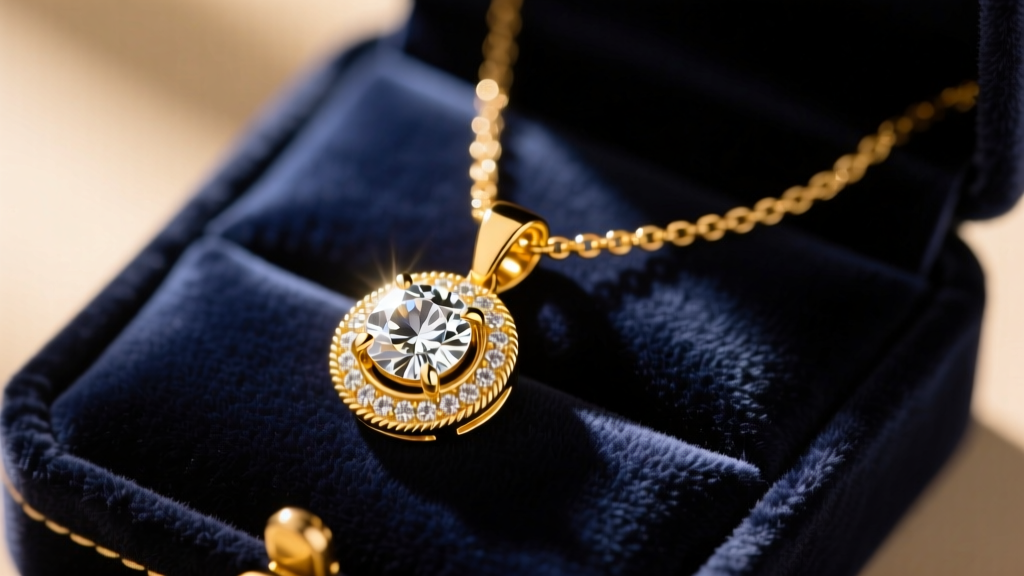
Gifting jewelry is an exercise in emotional translation. You are attempting to capture a relationship, a milestone, or a shared memory in a tangible object. In 2026, pendant jewelry remains the undisputed champion of versatile gifting. Unlike rings, which require precise sizing, or earrings, which demand knowledge of piercing gauges and metal sensitivities, a necklace pendant offers a universal fit with profound personalization potential. However, the difference between a thoughtful heirloom and a forgotten trinket lies in the granular details: chain gauge, bail mechanics, metal purity, and clasp engineering.
This comprehensive guide decodes the art of occasion-matched gifting. We will move beyond generic aesthetic advice and dive into the structural and material specifications that ensure your pendant jewelry gift not only looks stunning on day one but withstands decades of daily wear.
The Anatomy of a Perfect Pendant Gift
Before selecting a gemstone or motif, you must understand the structural relationship between the pendant and its chain. A common failure mode in gifted jewelry is chain breakage caused by a mismatch in weight distribution. According to structural guidelines outlined by the Jewelers of America, the chain must be able to support at least three times the weight of the pendant to prevent stress fractures at the solder points.
Matching Chain Gauge to Pendant Weight
- Lightweight Pendants (Under 3 grams): Ideal for delicate solitaire diamonds, small birthstones, or minimalist gold bars. Pair these with 0.8mm to 1.2mm chains. Cable, box, or delicate rope weaves work best here.
- Mid-Weight Pendants (3 to 8 grams): This category includes lockets, medium signets, and cluster gemstone designs. Require a 1.5mm to 2.0mm chain. Rolo, wheat, or Figaro weaves provide the necessary tensile strength without overpowering the design.
- Heavy Pendants (Over 8 grams): Think large carved gemstones, heavy solid gold medallions, or intricate enamel pieces. These demand 2.5mm to 4.0mm chains, typically in robust weaves like curb, mariner, or thick rope.
Bail Mechanics: The Unsung Hero
The bail is the loop that connects the pendant to the chain. For a gift, the bail type dictates how the piece drapes. A standard bail accommodates most chains up to 2.5mm. A hidden bail (which slides through the back of the pendant) creates a seamless, modern look but restricts you to chains under 1.5mm. For heavy pendants, insist on a tapered or V-bail, which distributes weight evenly and prevents the pendant from flipping upside down during wear.
Occasion-Matched Pendant Jewelry Matrix
To streamline your decision-making process, refer to this 2026 matrix. It maps specific life events to the most appropriate metallurgical and stylistic choices, ensuring your gift aligns with the gravity of the occasion.
| Occasion | Recommended Metal | Pendant Style | Chain Type & Gauge | Estimated Price Range |
|---|---|---|---|---|
| High School / College Graduation | 14k Yellow or White Gold (585) | Bezel-set Lab Diamond Solitaire or Compass Motif | 1.0mm Box Chain, Lobster Clasp | $400 - $900 |
| First Major Career Promotion | 18k Gold or Platinum (950) | Minimalist Gold Bar or Subtle Signet | 1.5mm Wheat Chain, Secure Clasp | $800 - $1,500 |
| 5th or 10th Romantic Anniversary | Platinum or 18k Rose Gold | Halo Moissanite or Vintage Locket | 1.2mm Cable Chain, Hidden Bail | $1,200 - $3,500 |
| New Baby / Mother's Push Present | 14k Solid Gold (Hypoallergenic) | Engraved Nameplate or Birthstone Cluster | 1.5mm Rolo Chain (Snag-resistant) | $300 - $750 |
| Retirement Milestone | Sterling Silver (925) or 14k Gold | Heavy Medallion or Engraved Coordinates | 2.5mm Figaro or Curb Chain | $250 - $1,200 |
Milestone Gifting: Graduations & Career Landmarks
When celebrating a graduation or a significant career leap, the goal is to gift pendant jewelry that transitions effortlessly from a professional environment to evening wear. In 2026, the trend has shifted away from flashy, oversized stones toward 'quiet luxury'—pieces that reveal their quality through superior cut and metal finish rather than sheer carat weight.
For these occasions, a bezel-set lab-grown diamond pendant is the gold standard. The bezel setting (where a thin rim of metal completely encircles the diamond's girdle) is not just a modern aesthetic choice; it is a highly practical one. It protects the diamond's vulnerable edges from chipping and prevents the prongs from snagging on professional attire like silk blouses or knit sweaters. When selecting the diamond, prioritize cut grade over clarity. An 'Excellent' or 'Ideal' cut 0.50-carat lab diamond will outperform a poorly cut 1.0-carat stone in brilliance, a fact heavily emphasized in the grading reports provided by the Gemological Institute of America (GIA).
Avoiding the Clasp Failure Mode
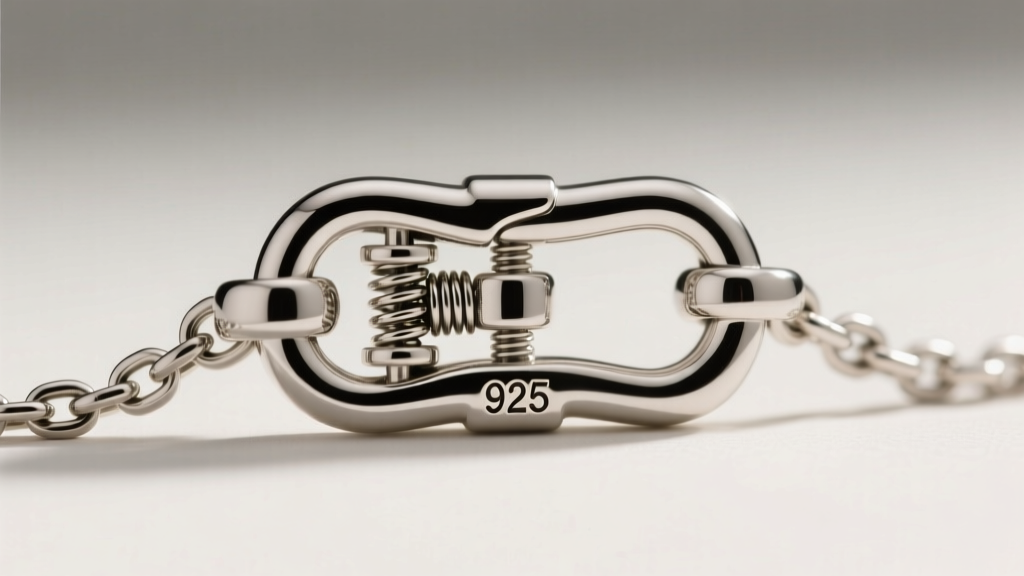
Nothing ruins a milestone gift faster than a lost pendant due to a faulty clasp. Never gift a valuable pendant on a chain equipped with a 'spring ring' clasp. Spring rings rely on a tiny internal coil spring that frequently fails, bends, or gets stuck. Always upgrade to a lobster clasp or a barrel clasp. Lobster clasps feature a robust, self-closing mechanism that is far more resistant to accidental pulling. For chains over 2.0mm, a locking barrel clasp provides the highest level of security, screwing shut to prevent any chance of unhooking.
Romantic Anniversaries: Decoding Locket & Gemstone Pendants
Anniversaries demand a higher degree of sentimentality and permanence. Here, pendant jewelry bifurcates into two distinct paths: the heirloom locket and the statement gemstone.
The Mechanics of an Heirloom Locket
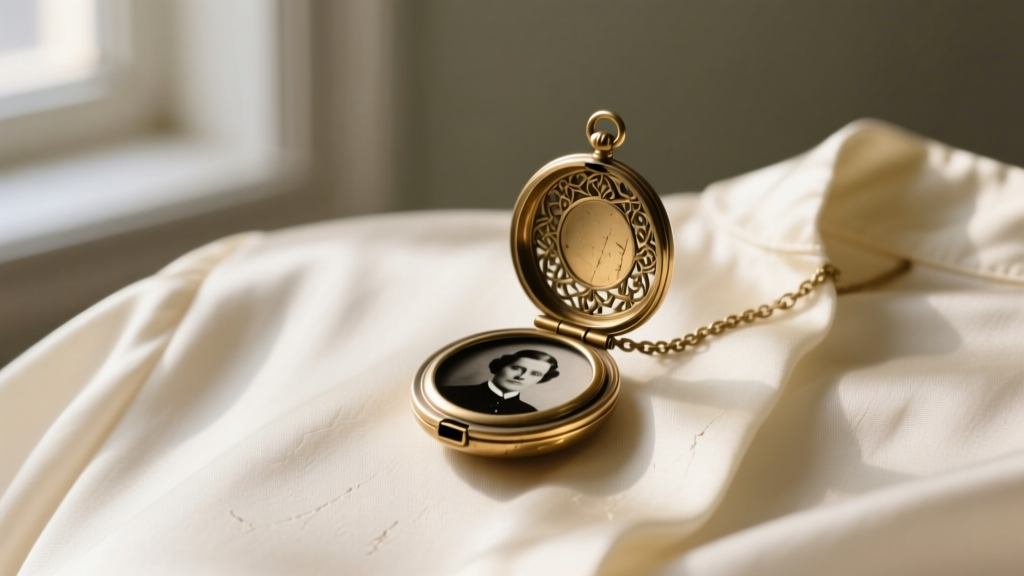
A locket is a deeply intimate gift, but the market is flooded with poorly constructed pieces that break within months. When sourcing a locket, you must inspect the hinge and the closure. A high-quality locket will feature a piano-style hinge or a continuous drawn hinge, allowing it to open a full 180 degrees without stressing the metal. The closure should snap shut with a distinct, firm click, relying on a precisely milled friction catch rather than a weak magnetic seal. Furthermore, ensure the interior bezels (the frames that hold the photos) are removable and not soldered in place, allowing the recipient to easily swap photographs without bending the metal.
Navigating the 2026 Gemstone Landscape
If opting for a gemstone pendant, you must navigate the modern landscape of natural versus lab-grown stones. Lab-grown diamonds and moissanites have achieved total market saturation, offering identical optical and physical properties to mined stones at a fraction of the cost. If your partner values sustainability and size, a 2.0-carat lab-grown diamond in a platinum setting is an exceptional choice. However, if they are a traditionalist who values geological rarity and resale retention, you must source a natural, GIA-certified diamond. Always request the Federal Trade Commission (FTC) compliant disclosures regarding the origin of the stone to ensure you are paying for exactly what you receive.
Sourcing, Hallmarks, and Metal Integrity
The final pillar of expert gifting is verifying metal integrity. In 2026, with the rise of direct-to-consumer jewelry brands and overseas manufacturing, understanding hallmarks is non-negotiable. Do not accept pieces stamped merely with '14k' or '18k'. Look for the millesimal fineness marks: 585 for 14k gold, 750 for 18k gold, and 950 for platinum. These numerical stamps are internationally regulated and much harder to counterfeit than karat marks.
Furthermore, beware of 'gold-filled' or 'gold vermeil' pendants disguised as solid gold. While vermeil (a thick layer of gold over sterling silver) is an acceptable budget option, it is entirely inappropriate for an heirloom anniversary or graduation gift, as the gold layer will eventually wear away, exposing the silver beneath and requiring costly re-plating. For a gift meant to last a lifetime, insist on solid alloys or platinum.
The Presentation: Completing the Experience
The physical presentation of pendant jewelry is the final touchpoint of your gift. Avoid the flimsy, plastic-hinged boxes provided by mall retailers. Transfer the necklace to a wooden or leather presentation box with a soft, non-tarnishing microfiber or anti-tarnish flannel lining. Ensure the chain is threaded through a small slit in the backing material so the pendant rests flat against the velvet, preventing the chain from tangling before it even reaches the recipient's hands. By mastering these structural, material, and presentational details, your pendant jewelry gift will transcend a simple accessory and become a meticulously crafted testament to the occasion.


