How to Style a Miguel Rojas Necklace: Step-by-Step Guide
Learn how to build and style a Miguel Rojas necklace stack. Step-by-step guide to Cuban links, gold karats, clasps, and layering.


Decoding the Signature Aesthetic
When building a luxury chain stack inspired by professional athletes, the miguel.rojas necklace aesthetic represents the perfect intersection of Miami flair and athletic durability. Rojas, known for his tenure with the Miami Marlins, frequently sports high-karat yellow gold chains that are bold enough to make a statement but refined enough to avoid looking overly ostentatious. Replicating this specific look requires more than just buying a generic gold chain; it demands a precise understanding of link geometry, karat metallurgy, and layering proportions.
This step-by-step guide will walk you through the exact specifications needed to curate, assemble, and maintain a professional-grade chain stack that mirrors this iconic style. We will cover everything from selecting the correct gold alloy to mastering the mechanics of heavy-duty clasps.
Step 1: Selecting the Base Chain (The Foundation)
The foundation of any elite chain stack is the base layer. For this specific aesthetic, the undisputed standard is the Miami Cuban Link. Unlike standard curb chains, Miami Cubans are filed flat, creating a seamless, interlocking surface that catches the light uniformly. However, not all Cuban links are created equal. You must avoid hollow or semi-solid chains at all costs. Hollow chains are prone to denting and cannot withstand the tension of daily wear or athletic movement.
Choosing the Right Gold Karat
According to the Gemological Institute of America (GIA), the alloy mix in gold drastically affects its durability and color. For a chain that will be worn daily, especially in a sports or active context, 14k yellow gold is the optimal choice.
- 10k Gold (41.7% pure): Highly durable but lacks the rich, warm yellow hue required for this specific aesthetic. It can also cause skin discoloration for some wearers due to higher copper/zinc content.
- 14k Gold (58.3% pure): The sweet spot. It offers excellent tensile strength while maintaining a vibrant yellow color that pops against the skin.
- 18k Gold (75% pure): Richer in color but significantly softer. An 18k solid Cuban link over 100 grams is prone to stretching and link deformation over time.
Step 2: Engineering the Clasp for Heavy Loads
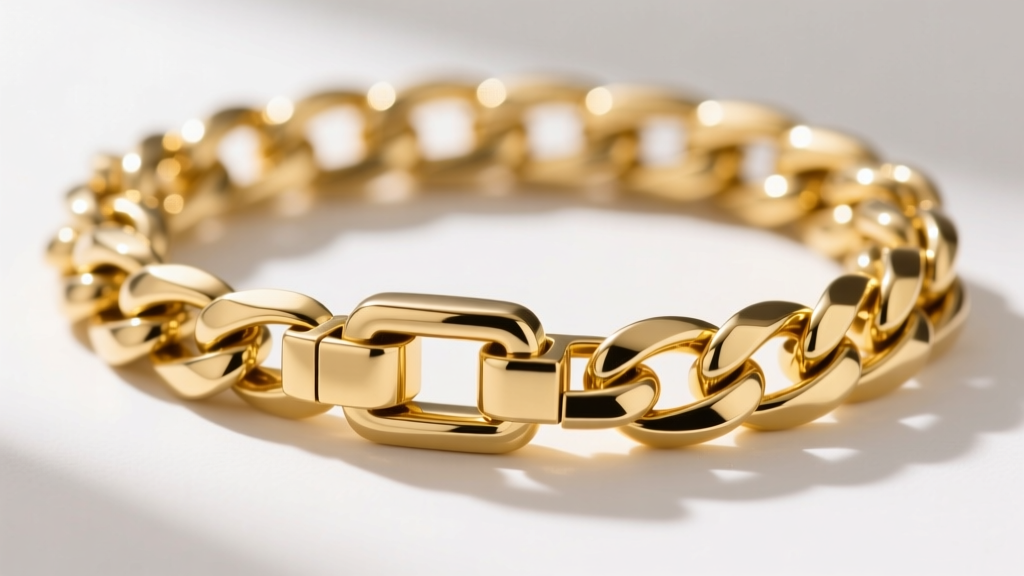
A common failure point in luxury men's jewelry is the clasp. If you are building a stack that exceeds 50 grams per chain, a standard lobster clasp will eventually fail, leading to catastrophic loss. The miguel.rojas necklace style relies on heavy, solid links that demand industrial-grade hardware.
You must insist on a Box Clasp with Double Figure-8 Safety Catches. The box clasp features a folding tongue that compresses and locks into a square housing, providing a mechanical hold that cannot be pulled apart by tension. The figure-8 safety wires act as a secondary fail-safe; if the primary tongue loosens, the safety wires catch on the exterior jump rings, preventing the chain from dropping.
Step 3: Sizing and Proportions (The Data)
To achieve the correct visual weight, you need to match the chain width to the appropriate gram weight and length. A chain that is too wide but too light indicates poor manufacturing (often a sign of hollowed-out links). Below is the benchmark data for authentic, solid 14k Miami Cuban links.
| Chain Width | Gram Weight (22") | Durability Profile | Est. Price Range (14k Solid) |
|---|---|---|---|
| 5mm | 45g - 55g | High (Daily/Athletic) | $2,500 - $3,200 |
| 8mm | 110g - 130g | Very High (Statement) | $6,000 - $7,500 |
| 10mm | 170g - 200g | Maximum (Heavy Wear) | $9,500 - $11,500 |
For a balanced stack, your base layer should ideally be an 8mm chain at 22 inches, providing enough presence without overwhelming the neckline or interfering with athletic performance.
Step 4: Mastering the Layering Geometry
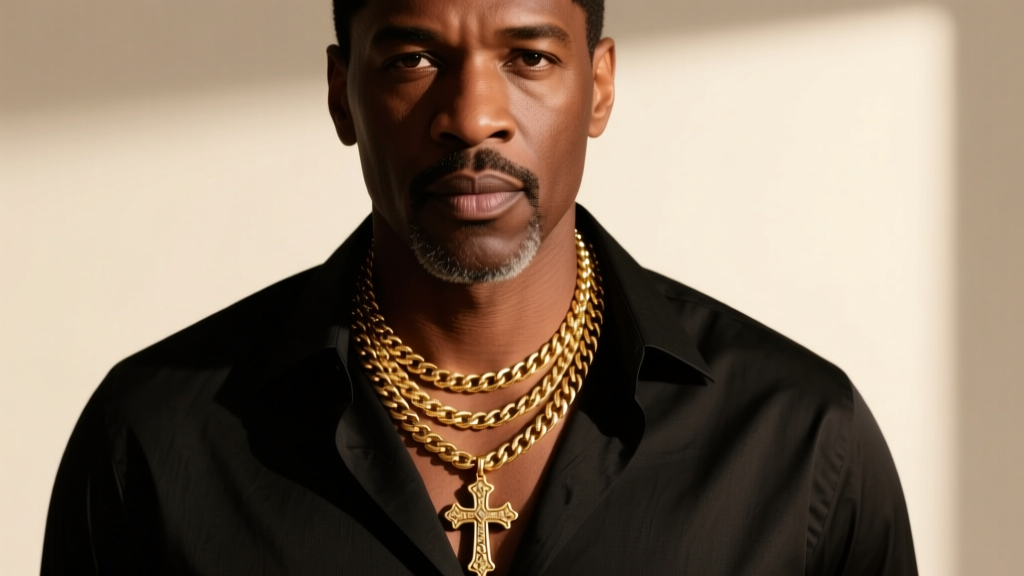
Layering is where the true artistry of the stack comes to life. The golden rule of chain layering is the Two-Inch Differential. If your chains are too close in length, they will tangle constantly and create a cluttered, messy aesthetic. If they are too far apart, the visual connection is lost.
The Ideal Three-Piece Stack Formula
- Layer 1 (The Choker/Base): 20-inch, 4mm or 5mm Figaro or Rope chain. This sits high on the collarbone and frames the neck.
- Layer 2 (The Core): 22-inch, 8mm Miami Cuban link. This is the anchor piece that rests on the upper chest.
- Layer 3 (The Pendant Holder): 24-inch, 6mm Box or Franco chain featuring a diamond-accented cross or sports-themed pendant. The Franco chain is preferred here because its square, woven links do not pull hair and provide a sturdy, non-stretching base for heavy pendants.
Step 5: Selecting and Attaching the Pendant
When adding a pendant to the 24-inch layer, the bail (the loop that connects the pendant to the chain) is just as critical as the pendant itself. Avoid standard pinch bails, which rely on tension and can snap under the weight of solid gold. Instead, opt for a soldered hidden bail or a fixed diamond-cut bail. These are permanently welded to the pendant, ensuring that the piece hangs perfectly flat against the chest and cannot detach during vigorous movement.
Pro-Tip: If your pendant features pavé diamonds, ensure the jeweler uses V-prong settings for the corner stones. Standard round prongs will catch on clothing and eventually loosen, leading to lost stones.
Step 6: Maintenance, Cleaning, and Tangle Prevention
A stack of this caliber requires meticulous maintenance to preserve its luster and structural integrity. The natural oils, sweat, and lotions from daily wear will create a film on the gold, dulling its reflectivity.
The Weekly Cleaning Protocol
Do not use harsh chemical dips or toothpaste, which can cause micro-scratches on the polished surfaces of the Cuban links. Instead, use a mild solution of warm water and a few drops of grease-cutting dish soap. Soak the chains for 15 minutes, then gently agitate them with a soft-bristled baby toothbrush, paying special attention to the underside of the links where grime accumulates. Rinse thoroughly with distilled water to prevent hard water spots and pat dry with a microfiber cloth.
Storage to Prevent Knotting
Never throw multiple chains into a single drawer or pouch; the interlocking links will weave together, creating knots that require professional jeweler intervention to remove without breaking the links. Store each chain individually in a soft flannel pouch, or hang them vertically on a dedicated jewelry valet stand. If traveling, use a specialized chain roll with individual snap-down felt straps to keep the chains completely immobilized.
Verifying Authenticity and Sourcing
When investing thousands of dollars in solid gold, verifying the metallurgical claims of the seller is non-negotiable. The Federal Trade Commission (FTC) Jewelry Guides mandate that gold jewelry must be accurately stamped with its karatage and the manufacturer's trademark. Always inspect the clasp and the jump ring for a clear "14K" stamp alongside a registered maker's mark. If a seller cannot provide a verifiable maker's mark or an independent assay certificate for chains over $5,000, walk away. Sourcing from established, brick-and-mortar jewelers in Miami's Diamond District remains the safest route for acquiring authentic, heavyweight Cuban links that perfectly capture this iconic athletic aesthetic.


